



Spotlight On: Jonathan Hunt, Interim General Manager and CEO, MARTA
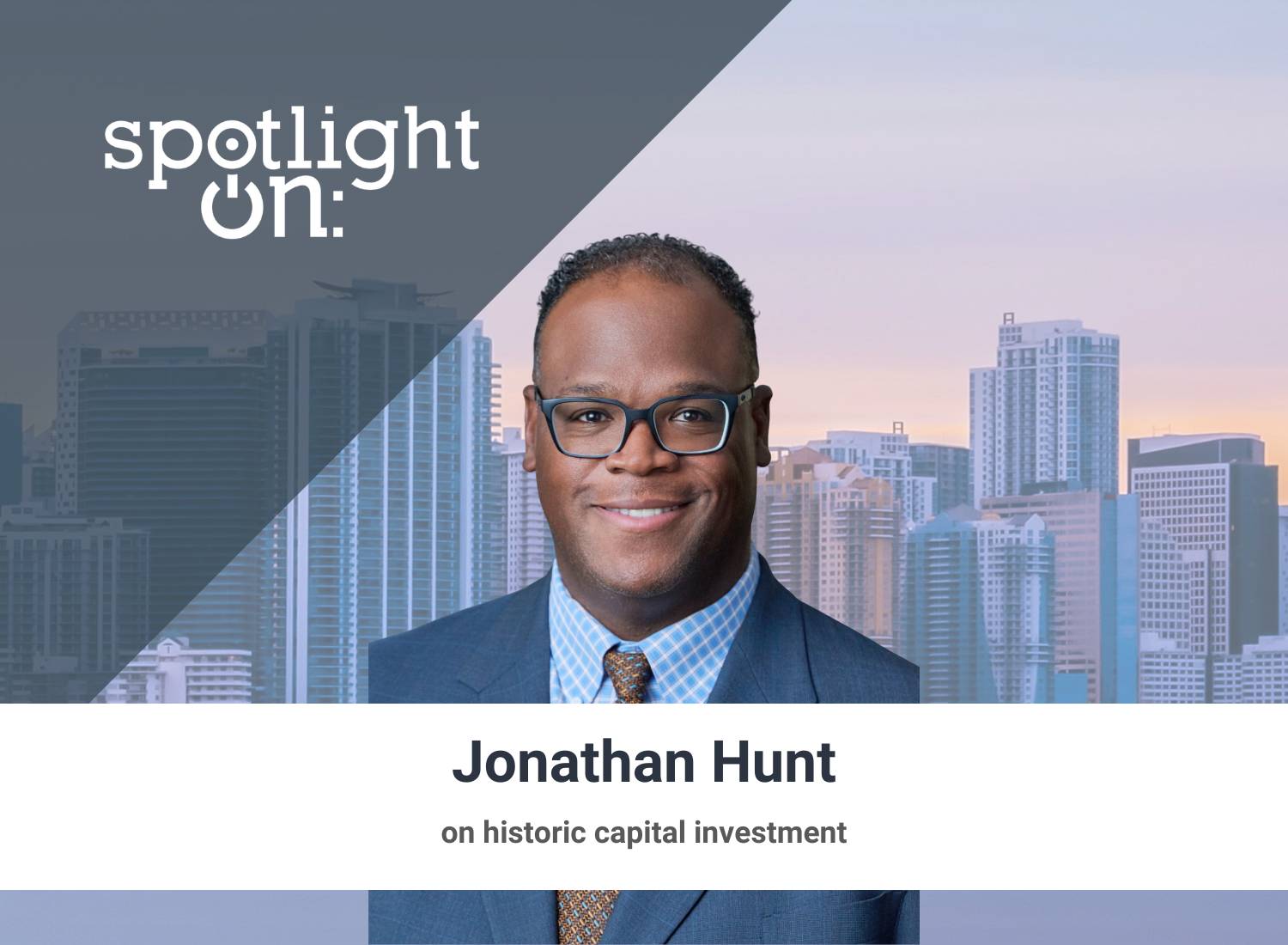 December 2025 — In an interview with Focus: Jonathan Hunt, interim General Manager and CEO at MARTA (Metropolitan Atlanta Rapid Transit Authority), emphasized the system’s largest capital investment in decades, including new railcars, a NextGen Bus Network, and major station overhauls. Ahead of the 2026 FIFA World Cup, MARTA is also modernizing its fare system and launching the metro Atlanta region’s first bus rapid transit line and arterial rapid transit line to support long-term regional growth and improve the daily rider experience.
Join us at caa’s upcoming leadership summits! These premier events bring together hundreds of public and private sector leaders to discuss the challenges and opportunities for businesses and investors. Find the next summit in a city near you!
What major changes at MARTA over the past year reflect its future direction?
Here at MARTA, we’re undergoing the largest capital improvement plan since our inception. We’re advancing several major projects: our NextGen Bus Network, AFC 2.0 — our new automated fare collection system, and new railcars, which are the most advanced in the country.
We’re also building a large operations and maintenance facility in Clayton County and investing heavily in that area. Five Points Station is undergoing a $230 million reconstruction, both underground and above, and we’re also working on the Rapid A-Line, the metro Atlanta region’s first bus rapid transit line that will be delivered before the World Cup.
Right now, we’re doing a six-week shutdown at Garnett Station to replace aging platform pavers, which is also part of downtown Atlanta’s revitalization. Just recently, I visited Stadler’s U.S. manufacturing facilities in Salt Lake City with my deputy general manager and our board chair. The new railcars are on track, and we just recently received our second trainset for testing. By the time the World Cup rolls around, we should have about a dozen new railcars in operation.
What challenges come with managing growth and congestion in a fast-growing region like Atlanta?
Atlanta’s population is growing, and MARTA is going to play a big role in handling that increased demand. The Atlanta Regional Commission estimates that metro Atlanta will grow from just under 6 million people now to nearly 8 million by 2050. We’ll be larger than Chicagoland and one of the biggest metropolitan areas in the country.
Our goal is to give people an alternative to driving. Transit offers choice, and that’s going to matter more as car ownership becomes more expensive, whether you’re driving gas-powered or electric. Even the grid isn’t ready for everyone to go electric yet.
We’re also focused on last-mile access and connectivity. We recently received a Safe Routes to Transit grant to help build safer paths to stations and bus stops. If you’ve got a stop surrounded by mud or grass, it’s not going to feel accessible, especially for people with mobility challenges.
We’re launching MARTA Reach, an on-demand microtransit service. It’ll operate in 12 zones next year and complement our NextGen Bus Network redesign. That redesign is the first full overhaul of our bus system in 40 years. Every route will be touched, with new signage and faster, more frequent service — 15-minute headways or less on our highest ridership routes. Where we are reducing routes, MARTA Reach fills those gaps. It’s like a public Uber, tailored to specific zones.
What’s the focus for safety, and how are you maintaining MARTA’s record?
Safety is our number one priority. Over the past five years, we’ve reduced major crimes on MARTA by 50%. This year, we’re down another 21% from the five-year reduction.
We’re also addressing the perception of safety. Some people still believe MARTA isn’t safe, even when the data says otherwise. We’re working to change that narrative. Our vision is to deliver safe, clean and reliable transit, through routine excellence every day.
We’re investing in our police department and focusing on empathetic enforcement, especially with unhoused individuals and those experiencing mental health crises. We have programs like MARTA HOPE that connect people to services. If someone is simply causing disruption, that’s a different matter. But we’re committed to treating people with dignity.
We’re hiring 10 more field protective specialists — trained personnel who aren’t sworn officers but help maintain safety and order. And we’re reaching our full budgeted number of sworn officers, 250, by the end of the year, with plans to hire 30 more in 2026.
We’ve got a full police infrastructure: K9, drone, bomb, SWAT teams, investigations units, and now a Real-Time Crime Center. That’s where we use technology to track incidents and help other departments across the region. If someone commits a crime in another jurisdiction and tries to use MARTA, we’ll know. They won’t get lost in the system.
How is MARTA preparing to support the 2026 World Cup?
We’re hyper-focused on six key priorities. One of those is securing a new collective bargaining agreement with our frontline workforce. None of this works without them.
We’re launching the NextGen Bus Network in April 2026. Our new fare collection system also goes live then. It will allow people to tap their credit card, use their phone, or buy a Breeze card. International travelers can pay the way they’re used to and use MARTA without friction.
Our Rapid A-Line line will be ready by then. The Garnett Station rehab will be completed. And we’re doing a major renovation at the newly renamed Sports, Entertainment and Convention District Station or SEC District Station — close to the stadium — where we’re overhauling the station.
We’re improving wayfinding and updating announcements. Once the tournament draw happens in December, we’ll be tailoring announcements in the languages of the countries coming to Atlanta. We want visitors to feel welcomed and able to move through the system confidently.
MARTA is the only transit system in the country that takes you directly from inside the airport concourse to the stadium. That level of connectivity is unique, and we’re leaning into it.
What long-term impact will these projects have on the region and daily riders?
Everything we’re doing is designed to last beyond the World Cup. These aren’t one-time projects. A new station rehab benefits us for 20 years. These investments are good for now and for the region’s long-term economic development.
After the World Cup, when people come back a year or two later, they’ll see the impact: new rail cars, a transformed Five Points Station, the fully rehabbed Garnett Station, and a completely redesigned bus network. These aren’t just short-term upgrades. They’re foundational changes to how people experience transit in Atlanta.
How is MARTA using technology and innovation to modernize operations?
We’re implementing a full suite of initiatives to modernize our operations, improve customer service, and enhance safety. Our new railcars go beyond simple replacement, they’re more accessible, safer, and more inviting.
We’ve awarded a contract for a new communications-based train control system. It’s a wireless safety system that lets us run trains closer together, reducing wait times and improving reliability. Stadler is providing both the railcars and the communications system. We’ll be the first in the U.S. to have this type of system.
Our fare collection system, Breeze 2.0, will support open payments and offer flexibility to riders. We’re also using AI-powered tools to analyze rider feedback. Our Voice of the Customer platform helps us process thousands of comments and respond meaningfully.
We’re modernizing our digital presence, launching a new trip planner, a unified app, and a project snapshot tool so the public can check the status of initiatives across the region.
How is MARTA leveraging public-private partnerships to support growth?
We have an extensive public-private partnership program, especially around transit-oriented development. Since 2017, we’ve launched seven TOD projects, generating over $40 million in revenue for MARTA, 600 affordable housing units, and over $437 million in private investment.
One example is Moving in the Spirit, a nonprofit teaching youth through dance. We helped them secure a 99-year capital lease near our Edgewood/Candler Park Station. They now have one of the most advanced dance studios in the region, and more importantly, a permanent home on MARTA.
These developments bring in revenue, create housing, and convert unused parking lots into vibrant communities. Because we’re tax-exempt, these projects also put land back on the tax rolls, supporting our city, county, and school systems.
We stay engaged with these developments through art programs, music performances, and community events. This isn’t just about buildings. It’s about creating a more livable, vibrant city.
What role will MARTA play in the future of the Atlanta region?
Our job is to deliver better transit — safe, clean, and reliable — every single day. But looking ahead, it’s about execution. We have a long list of transformative projects, and we need to deliver them.
We want to win back riders who may have left and show them what’s possible. A year from now, they should see a completely renewed system with new railcars, cleaner stations, and better service. Our focus is on delivery. If we do that well, MARTA will be the leading transit system in the country.
Want more? Read the Focus: Atlanta report.