





Spotlight On: Joseph Morris, CEO and Port Director, Port Everglades
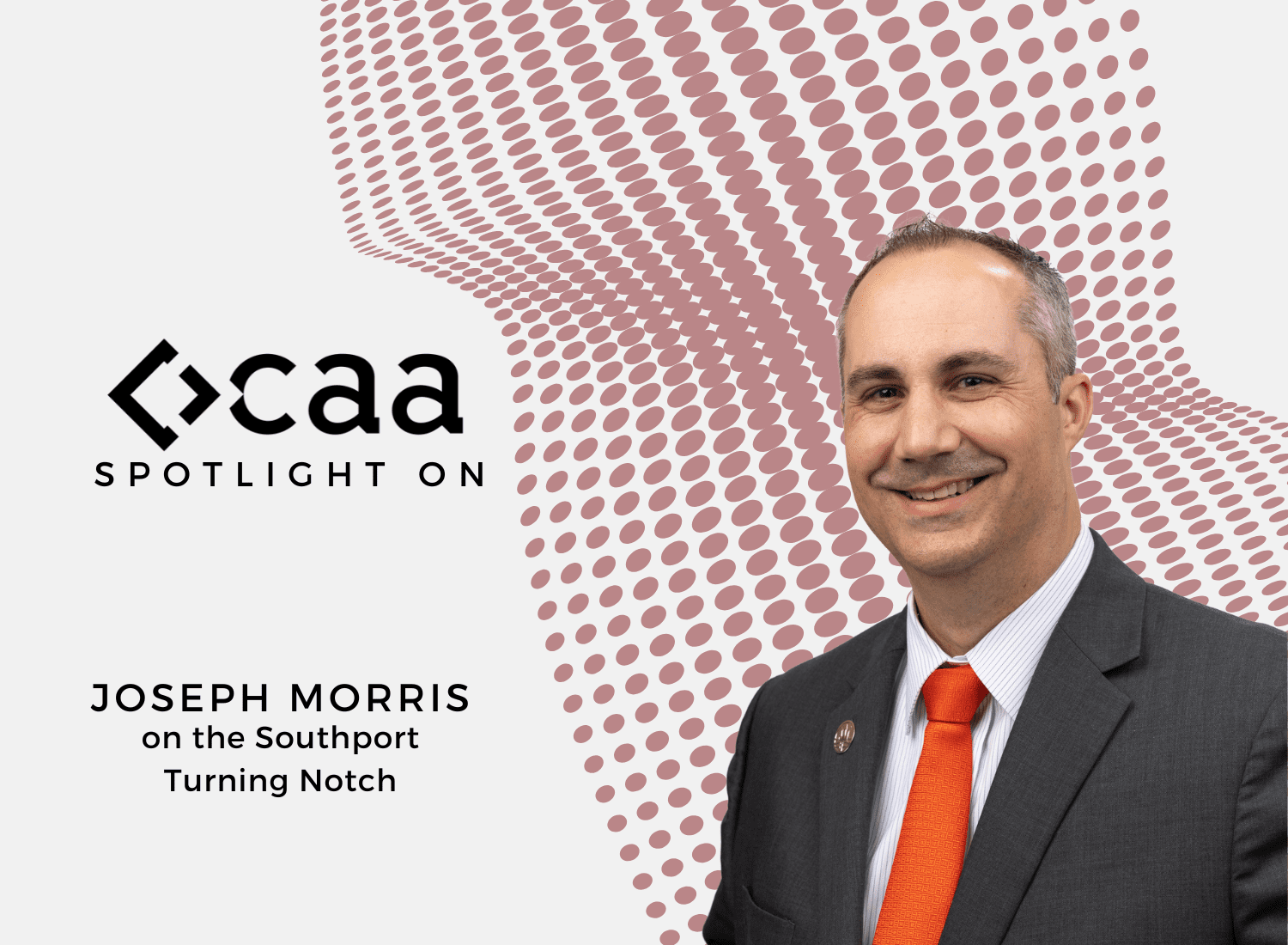 January 2025 — In an interview with Invest: Joseph Morris, CEO and port director of Port Everglades, talked about key developments over the past year, including significant investments like the $471 million Southport Turning Notch Extension project, which enhances capacity for larger vessels. Upcoming projects focus on deepening waterways and modernizing bulkhead infrastructure, crucial for future operations and trade, especially as the port serves as a vital hub for Latin American commerce.
What have been some of the main highlights for Port Everglades in the last 12 months?
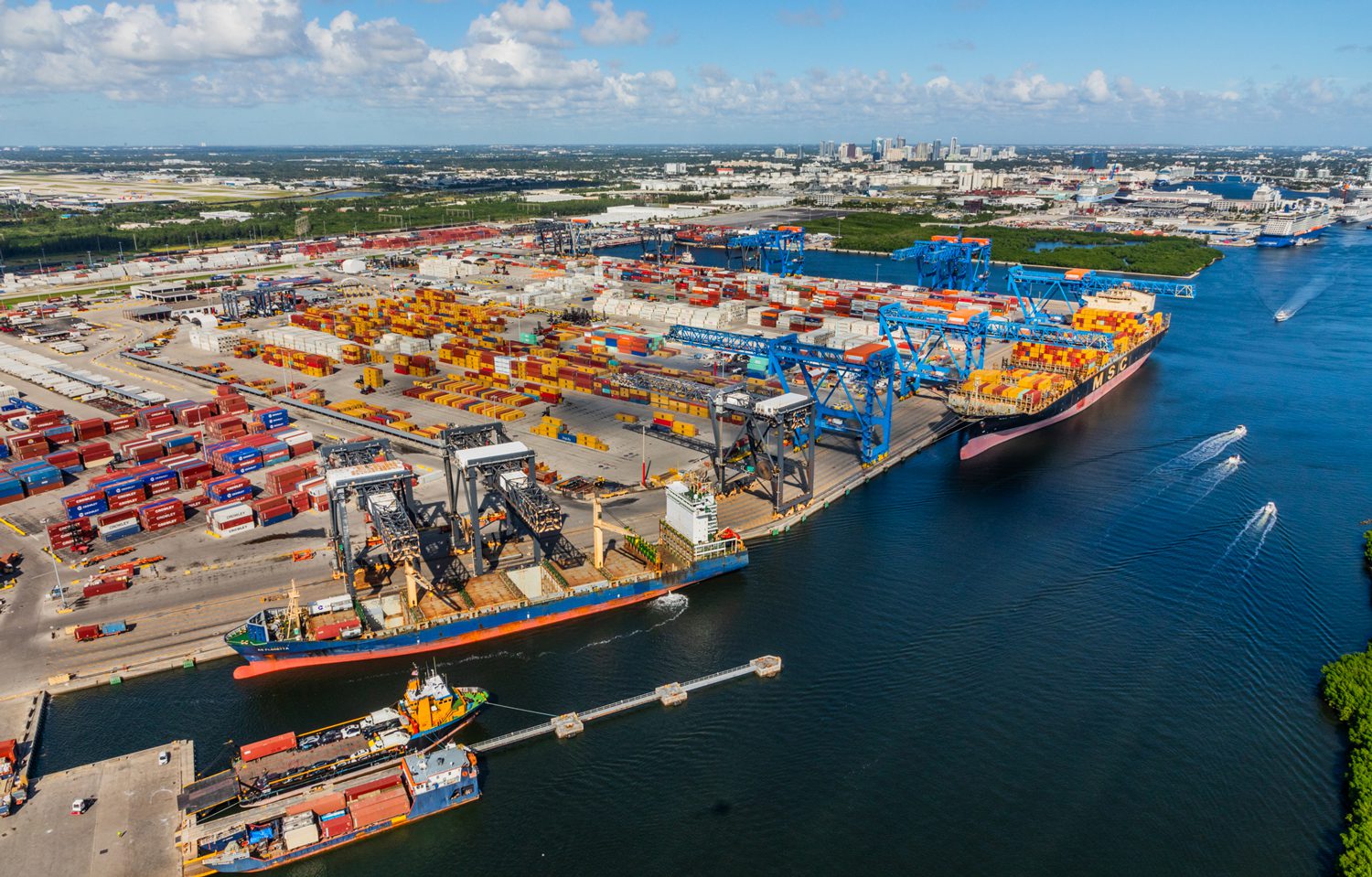
We have a laundry list of priorities, however, I will focus on a few key items. One of the drivers of what we do and how we do it is our 20-Year Master/Vision plan. That is our guide for how we execute plans, invest and meet market demands. The Port generates $26.5 billion in economic impact annually and we’ve got a few projects in motion, but the biggest single project we have gone through to-date is the Southport Turning Notch. We have invested almost $471 million into that project alone to allow that to happen as well as afford new infrastructure, which includes new cranes to facilitate that project and permit more goods and cargo that are in high demand to come through. We have also added 1,500 feet of linear berth space. All of that comes together to enable us to be ranked No. 3 in North America and No. 1 in Florida for operational performance, according to the Container Port Performance Index developed by the World Bank and S&P Global Market Intelligence.
How do you see the cruise industry evolving at the port?
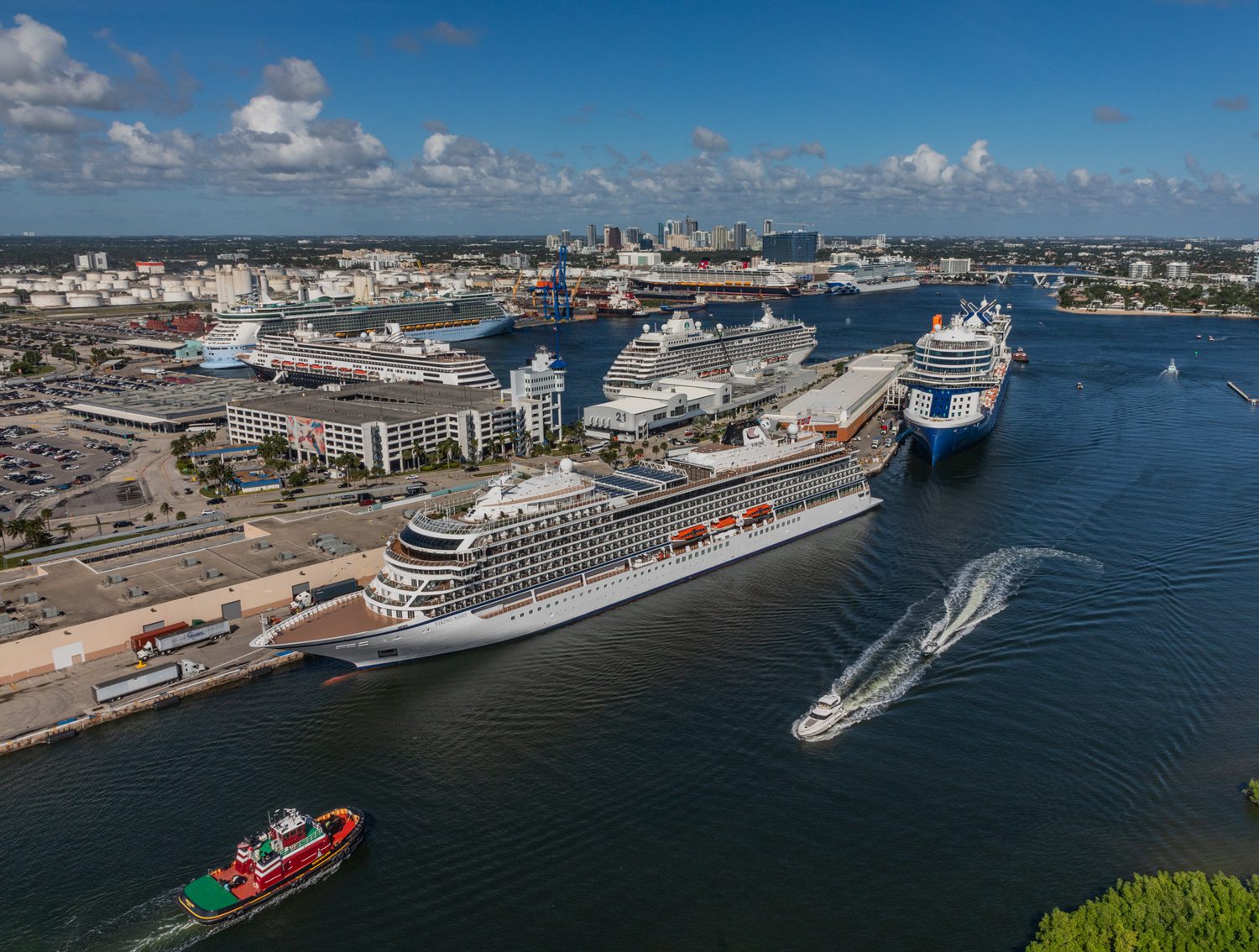
We actually had a record year that finished Sept. 30 with just over 4 million cruise guests, but that record should be broken again as we are forecasting 4.4 million cruise guests to come through the port during FY25. We have great relationships with many of the major and luxury cruise lines, so for us, the cruise industry is one of our big three alongside cargo and energy. Being able to grow with and ahead of the cruise industry demand is something our team is actively working towards. The way the industry has bounced back from the pandemic is remarkable, so we are going to continue growing alongside our cruise partners.
How is the port benefitting from population growth and business relocations?
I’ve been told there are 1,000 people moving to Florida every day, so we need to make sure the infrastructure and capabilities are there for our users. From the perspective of business development, we try to facilitate transportation. We have more people coming into the county and a lot of the cargo we receive is coming in to serve the local market. We are the third-largest port in the U.S. in terms of commerce with Latin America and the largest in Florida for perishables. The local market is consuming these goods, so we are there to serve the needs of businesses as well as the individual.
Are there any new service lines the port is considering?
We currently have more than 40 services at the port and we are recently looking at adding a few new ones that are still in the planning process. We are typically known for our dominance on the North-South trade lane, meaning our focus has been on Latin America and the Caribbean. We have recently been working with one shipping line to add a new Asian service to the port, but it is still in the early stages.
How have economic challenges impacted the port?
A change that is coming next year is the remix of how shipping lines are partnered together and how they deploy their vessel resources. That will be the next disruption to the market, but it will be a planned disruption. The other challenges vary, and our job is to remain flexible and agile. Thankfully the partnerships we have allow us to be that nimble and let us get feedback to know the direction we are moving is the right one.
Have there been any developments specifically in the energy sector?
Our energy sector is equally important and we need to make sure that it is nourished. We’re going to finish a record year here and have a steady flow reaching record volumes. There is something called the Slip 1 Expansion; right now we have three primary fuel berths and have great relationships with the private sector here to enable the advancements and modernizations of infrastructure. The one thing that is missing is space, and we are looking to meet that market need. We have the Slip 1 project that we hope will break ground in 2026 related to expanding one of our existing facilities by removing approximately 150 feet of existing dock space and turning it into a new wider slip for larger ships with greater volumes of product to come into.
How is technology being leveraged at the port?
The individual port users are the ones deploying technology that suits their individual needs. We see innovation as a mindset and are always looking for ways that technology can be used to aid our decision-making. In the cruise sector, for instance, facial biometrics is being used for security and that has been great for efficiency and allows ships to board much faster. Some of the technology in recently added container cranes as well is beneficial for our port users.
What are the top priorities for the port in the next two to three years?
While we may not see it come to completion in the short term, we continue to put effort into the deepening and widening of waterways for vessels entering and exiting the port. It is critical to our growth plans so that will remain a focus for us as well as our relationships and partnerships with the community.
It’s easy to see the cranes but some of the other projects that are equally important are not so visible because they are actually under the water. We are working with experts to replace our bulkhead infrastructure by investing $269 million to replace all the bulkheads in the port. Some of these date back to the 1950s so we’ve gotten our money’s worth, but it’s time to bring them to a modern state to prepare for the future.
Another priority relates to our Foreign-Trade Zone No. 25, with Broward County having the 7th largest in the U.S. as of 2023. Close to $10 billion worth of merchandise moves through here and that is a big generator of jobs. If anybody is looking to join the trade zone you can speak to us at the port and we can explain the full benefits of doing so.
Images provided by Port Everglades
For more information, please visit: