






Spotlight On: Kristy Crisp, Director of Economic Development, City of Gastonia
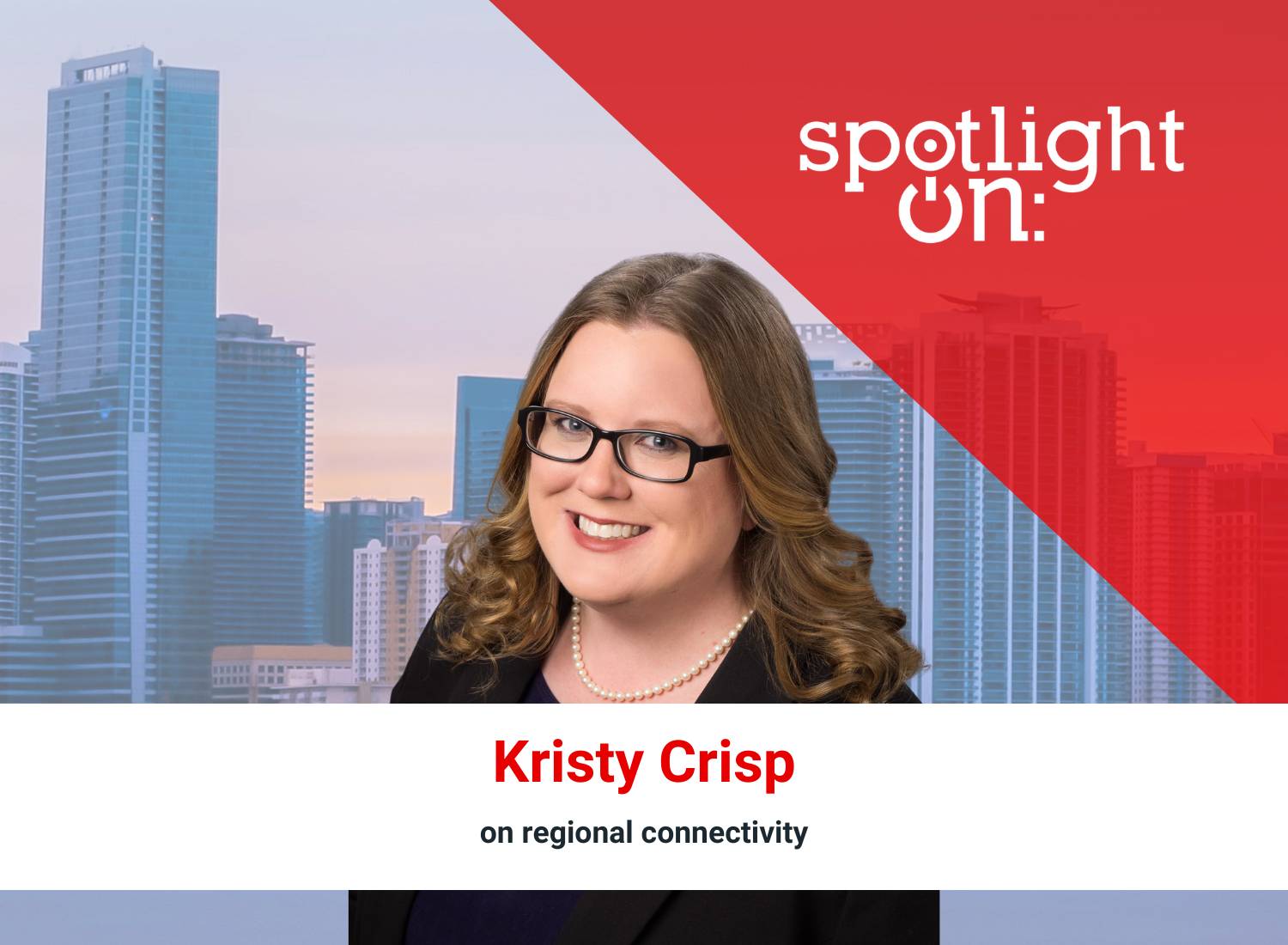 December 2025 — In an interview with Invest:, Kristy Crisp, director of economic development for the City of Gastonia, pointed to downtown revitalization and industrial expansion as cornerstones of the city’s 2025 growth. Strategic affordability and regional connectivity continue to position Gastonia as a compelling destination for business and investment. “What we’re seeing in 2025 is the culmination of years of work. There’s been significant growth in our industrial sector — projects are opening, some are under construction, and we’re seeing the results of that groundwork now,” Crisp said.
Join us at caa’s upcoming leadership summits! These premier events bring together hundreds of public and private sector leaders to discuss the challenges and opportunities for businesses and investors. Find the next summit in a city near you!
What have been some of the key developments shaping Gastonia’s economic growth strategy this past year?
What we’re seeing in 2025 is the culmination of years of work. There’s been significant growth in our industrial sector — projects are opening, some are under construction, and we’re seeing the results of that groundwork now.
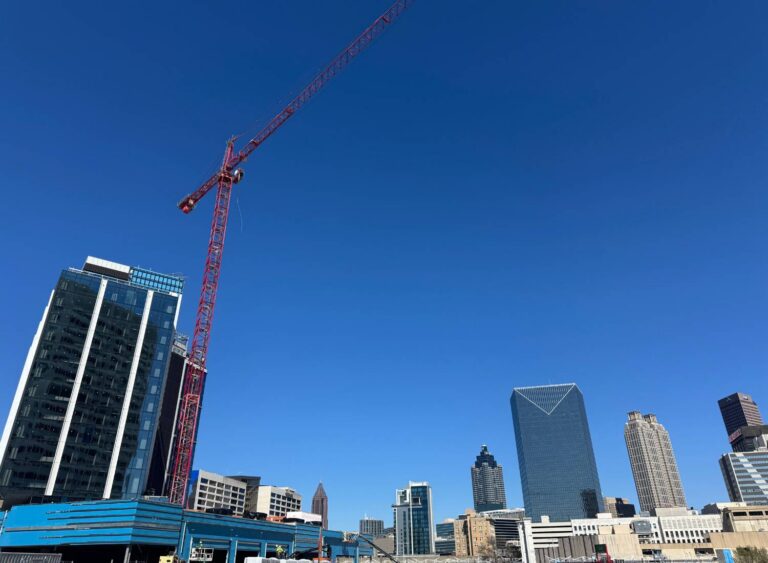
One of the most exciting developments has been Center City Crossing in downtown Gastonia. It officially opened and began leasing this year. To get that project off the ground, we even had a crane downtown — something we hadn’t seen in a long time. It was exciting to witness that level of private investment in our urban core.
In addition to what’s come to fruition, 2025 has also been about starting new projects. Several are now in the engineering or site planning stages, giving us a lot to look forward to in the years ahead.
What industries are driving Gastonia’s industrial momentum?
Gastonia offers a diverse industrial base. We have companies in the plastics, automotive, metalworking, and food sectors. This cross-sector strength is a major asset. One of the key drivers of our success is our proximity to Charlotte Douglas International Airport, which plays a huge role in our industrial recruitment efforts. We work closely with the Gaston County Economic Development Commission; they are our lead recruiter for industrial development. They help market and develop sites and are excellent partners in coordinating infrastructure like utilities.
From a transportation standpoint, we’re located along I-85, a major east-west corridor, and we also have access to Highway 321, which connects south to I-40. That kind of connectivity makes Gastonia an attractive option for industrial companies looking to scale and move product efficiently.
What makes Gastonia an ideal location for investment and relocation compared to other cities in the region?
The standout factor is affordability. Whether someone wants to buy a home, start a business, or grow their family, Gastonia offers an accessible price point while still within easy reach of Charlotte. You can be in downtown Charlotte in about 25 minutes, depending on traffic. You have all the big-city amenities, but without the big-city price tag. We have the population density and infrastructure to support growth, but we remain more cost-effective than many neighboring areas. That’s why now is such a good time to invest in Gastonia.
How are you leveraging Gastonia’s natural and cultural assets to attract talent and business investment?
Gastonia is home to Crowders Mountain, which is within our city limits. We also have Rankin Lake Park and a growing greenway system. These are stunning natural amenities that make Gastonia special.
We’re also home to the Schiele Museum of Natural History and have a growing investment in the arts. On weekends, Crowders Mountain draws a significant number of visitors from Charlotte, which speaks to its regional appeal.
More broadly, Gaston County is filled with natural beauty, and we’ve done well to preserve and highlight those assets. Quality of life plays a big role in workforce development, and I think our outdoor and cultural offerings help us stand out.
What is Gastonia doing to improve public infrastructure, and how are you working with regional partners to expand capacity?
We take a collaborative approach. Gastonia is part of the Gaston-Cleveland-Lincoln MPO, which helps us coordinate transportation projects across the region. As a major utility provider through Two Rivers Utilities, we also serve many neighboring municipalities. We operate and build water and sewer infrastructure not just for Gastonia but also for towns like Cramerton. We even have utilities that extend into Clover, South Carolina.
Everything we do on the infrastructure front is rooted in partnership. Collaboration is essential to our success.
How is the city ensuring that housing growth is supported?
It comes down to having a clear plan and staying ahead of growth. We focus on ensuring that infrastructure is in place — or that there’s a plan to extend it — where we want to see development. This helps attract residential and commercial investment. The number of housing units in our pipeline shows that this approach is working. We’ve planned well, identified key growth areas, and responded proactively.
What are you hearing from employers about talent availability, and how are you working with local education partners to strengthen the workforce pipeline?
We’re fortunate to have strong educational institutions in Gaston County. Our public school system is highly engaged in workforce development, partnering with the county, workforce boards, and Gaston College.
Gaston College is a tremendous partner. They work closely with employers to provide hands-on training, job skills, and equipment-specific instruction. They’re deeply involved in industrial recruitment and also support our K-12 schools.
We also have Belmont Abbey College, a four-year institution. Across the board, our educational entities collaborate well with local government and business partners. That spirit of teamwork makes a big difference.
What are your top economic development priorities for the next two to three years?
First, continuing to foster growth in our FUSE District — Franklin Urban Sports and Entertainment. CaroMont Health Park, home to the Gastonia Ghost Peppers, opened in 2020, and we’re actively working to attract further development around that anchor.
Second, continued investment in our downtown. Downtowns are the heart of any community. We’re seeing strong momentum with new developers and property owners investing in historic buildings. The $25 million Center City Crossing project is a prime example of how far we’ve come, and it happened because of strategic investment in the area.
Another exciting area is West Gastonia. Historically, it hasn’t seen much residential growth, but that’s changing. The city is building a new park, Linwood Park, which is spurring new neighborhoods. That kind of momentum opens the door for new amenities, retail, and business development in an area that deserves it.
What does it mean to you to be part of the city’s ongoing transformation?
I’m a Gastonia native — born and raised here — and I still live here with my family. The work we do is deeply personal for me. It’s been rewarding to watch Gastonia evolve and grow, and to play even a small part in that progress. We have an amazing team and supportive leaders across the city and county. I’m proud of what we’re building together.
Want more? Read the Invest: Charlotte report.