






Spotlight On: Lauren Moore, President, Atlantic County Economic Alliance
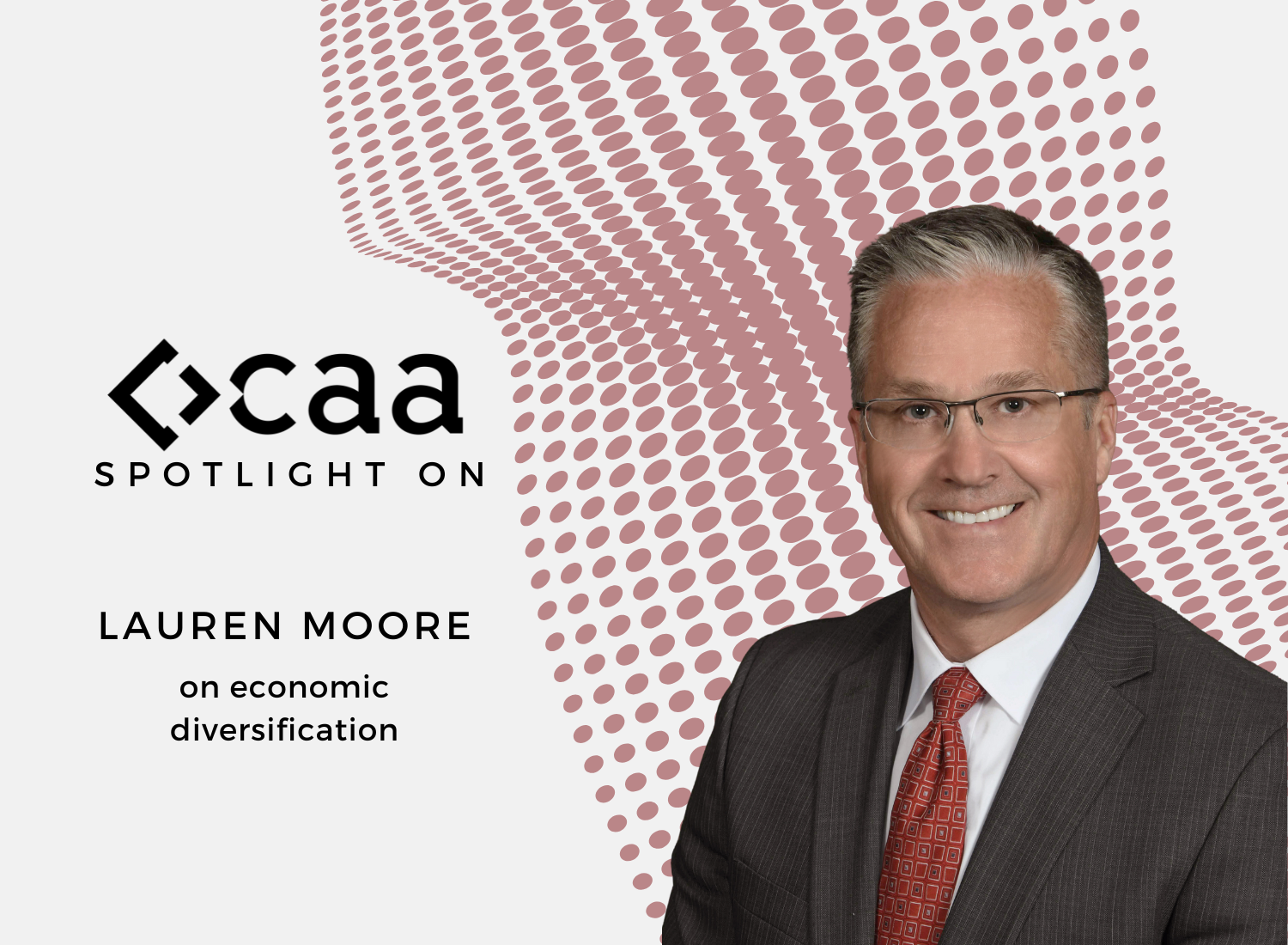
April 2025 — Lauren Moore, the president of Atlantic County Economic Alliance, spoke with Invest: about the many ways in which Atlantic County is positioning itself for continued growth, from diversifying and bolstering the economy to investing in workforce development and bracing for future shifts in possible offshore wind turbine development.
What have been some recent efforts of the Atlantic County Economic Alliance to promote economic growth and a dynamic community in Atlantic County?
We are a 501(c)(3) private nonprofit. We are the designated entity for economic and business development in Atlantic County and have employed a full-time staff for seven years. We are located at the end of the Atlantic City Expressway and do not have the benefit of commerce, and the majority of our economy is based in hospitality, tourism, and gaming, which are seasonal. The gaming industry is especially concerned about increased competition in Manhattan. Our organization was created to help assist in diversifying the economy, in the event of a pandemic or natural disaster, and we determine how our limited financial resources should be allocated.
One of our strengths is found in the William J. Hughes Technical Center, which is unique not only to New Jersey but also internationally. The center boasts 32 labs, 500,000 square feet of laboratory space, 5,000 engineers and scientists, NASA involvement, and TSA testing.
How has the wind energy infrastructure off the coast of Atlantic City developed in the past year?
Offshore wind is aggressively and strenuously opposed by almost everyone on my board, including the business community and coastal towns. We’ve been incredibly careful as an organization to stay neutral. This issue is important to the state and the Murphy administration, which has been supportive of our aviation development. There is a significant amount of crossover in the technical work with the technicians who work on offshore wind turbines and the aviation industry. We are also planning an aviation training academy to train technicians to work on aircraft, power plants, and airframes. There are a lot of transferable skills between the two industries. We are carefully supportive of the offshore wind industry to make sure we are poised to take advantage of any opportunities that may reveal themselves without agitating those opposed to the industry. Tourism is integral to our region, and tourists don’t want to see turbines in the ocean.
Last year, Fulton Bank granted $1 million for the Neighborhood Revitalization program. How have Ducktown and Chelsea benefited from this support?
The work that we are doing in Atlantic City is near and dear to me. We are deeply involved in the revitalization of our neighborhoods, and the boards are involved with buying the redevelopment tax credits, which we use to fund our redevelopment strategy in Ducktown. We’ve been working on facades, streetscapes, signage, restored lighting for safety and security, and neighborhood captains. We work closely with Habitat for Humanity, as one of our main priorities is homeownership, which I believe is the true key to revitalizing our neighborhoods. We are going to use a portion of the funds from Fulton Bank, as well as assistance from Park Bank, to help fund this program.
To provide assistance to the Bangladeshi community, we hired someone from the neighborhood who spoke Bengali to bridge the gap of communication to further strengthen our community and foster the revitalization efforts. We now have regular monthly meetings to continue cultivating the program.
We work with our senator and congressman’s offices to submit applications for federal funding. Each member of Congress receives a certain amount of money to spend in their district. I’ve requested $1.8 million to take our homeownership program to the next level. It hasn’t yet been approved, though it has passed through the committee. Receiving additional funding also motivates the neighborhoods to get involved.
We work with the casino association to keep their property clean, as well as with the university district. We are embedded within and committed to the city and to continue uplifting Atlantic City at the grassroots level by hosting events with neighborhood leaders to offer opportunities to discuss important topics and concerns.
What are the main challenges faced by businesses in the Atlantic County market?
One of the major challenges we face is workforce development. Employers follow employees. If we are going to have an innovation-friendly environment here with aviation, we will need to start educating and developing in that direction. We have a good base with 5,000 scientists and engineers with the FAA Technical Center, but they have a lot of turnover. This is why we are working with multiple universities, in addition to working deeper and earlier in the education system by partnering with a local technical high school. The FAA has been involved with helping this high school create aviation-based programs and curricula at their campus. There is also another program in place with the Boys and Girls Club to teach the kids about careers in aviation. We take a group of high school kids, along with their ambassadors, and then the ambassadors travel between schools to teach even more kids about the aviation industry.
For more information, visit: