






Spotlight On: Linda Ward, President & CEO, Gulfside Healthcare Services
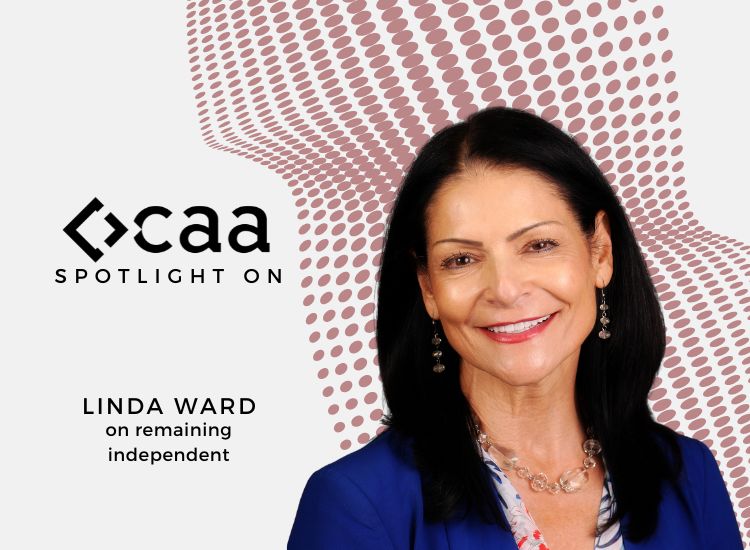 January 2025 — In an interview with Invest:, Linda Ward, president and CEO of Gulfside Healthcare Services, highlighted the nonprofit’s expansion into Hillsborough County in 2025 and its innovative, high-intensity inpatient hospice care model.
What is your overview of Gulfside Healthcare Services and how does your organization differentiate itself from other providers?
Gulfside Healthcare Services is a nonprofit 501(c)(3) organization offering hospice care, skilled home health and rehab, and non-hospice palliative care. Founded in 1988 as a small community provider in Pasco County, we’ve grown into a $60 million organization. We hold 73% of the hospice market share in Pasco and recently received a Certificate of Need (CON) to expand into Hillsborough County, including Tampa and surrounding areas, starting March 2025.
Our home health division spans four counties — Hillsborough, Pasco, Pinellas, and Hernando — and our palliative care services extend across Florida, delivered in clinics, hospitals, homes, and via telehealth. Gulfside is also unique in its investment in standalone inpatient care centers, staffed 24/7 by clinicians, chaplains, and social workers, offering high-intensity care in a homelike setting.
What truly sets us apart is our ability to remain independent, avoiding the mergers common in the industry. We prioritize team culture and employee satisfaction, which directly improves patient outcomes.
With the opening of a new hospice care center in New Port Richey in 2025, how will this facility enhance your services and impact the community?
This new care center builds on the success of our Zephyrhills facility, which has pioneered care models for complex medical needs, such as patients on ventilators, with advanced wounds, or requiring dialysis. Few facilities can accommodate these patients, often leaving them in hospitals at the end of life.
Our model allows us to transport patients using portable ventilators, providing them extra time with family in a compassionate setting. Once families are ready, we can transition patients off life support onsite.
The New Port Richey facility will feature a serene coastal theme, spacious rooms for family visits, and communal spaces designed for comfort and reflection. It also helps alleviate pressure on local hospitals by freeing up acute care beds. This high-intensity yet homelike hospice care model is unique in the Tampa Bay area, blending clinical excellence with compassionate end-of life care.
What makes Tampa Bay an ideal region for Gulfside Healthcare Services? Tampa Bay’s demographic profile aligns perfectly with Gulfside’s mission to serve underserved communities. Florida is a CON state, requiring providers to demonstrate unmet needs before expanding. Hillsborough County has long been identified as underserved, which is why we pursued this opportunity.
When the CON for Hillsborough opened earlier this year, Gulfside was one of nine applicants and one of two awarded a license. Our existing presence in Hillsborough through palliative care services has already built trust in the community, with 30–50 monthly referrals from Hillsborough to Pasco. Expanding hospice services locally ensures that every eligible patient in Tampa Bay has access to high-quality, compassionate care.
How is Gulfside preparing to meet the healthcare needs of the growing retiree population?
Gulfside is well-prepared to serve Tampa Bay’s expanding retiree population, largely driven by baby boomers. Our services offer comprehensive, patient-centered care at every stage of the healthcare journey, from short-term rehab to chronic condition management.
For retirees wishing to remain at home, our skilled home health services provide personalized care after surgeries, heart attacks, or other health events. These services often transition into palliative care, which focuses on symptom management and quality of life. When hospice care becomes appropriate, Gulfside ensures a seamless transition, allowing families to remain part of our network throughout their journey.
We also prioritize community education to ensure families understand their options. By increasing awareness and maintaining a strong presence, Gulfside is positioned to meet the growing demand for healthcare services in Tampa Bay.
How does Gulfside integrate community involvement into its operations? Community involvement is central to Gulfside’s mission. We actively engage with local organizations, businesses, and leaders to create a network of support. For example, our charity fashion show attracts over 300 attendees, including sponsors and partners from healthcare, finance, elder law, chambers of commerce, and government.
These partnerships allow us to enhance our services while supporting the broader community. Early in my tenure, I worked to build alliances with nursing homes and non-skilled home care providers to ensure patients received care in the right setting. We’ve also organized health fairs, chamber events, and networking opportunities to foster strong relationships.
By collaborating with other providers, we ensure that every patient’s needs are met, whether by Gulfside or a trusted partner. This collaborative approach helps us fulfill our mission of compassionate, high-quality care.
How would you assess the healthcare labor pool in Tampa Bay, and what measures has Gulfside taken to attract and retain top talent?
Tampa Bay’s healthcare labor pool faces challenges due to rising demand, limited nursing school capacity, and intense competition for skilled workers. Despite this, Gulfside has maintained a fully staffed operation for months by employing innovative recruitment and retention strategies.
Our recruitment team includes clinicians, like a former Army nurse, who connect with candidates on a personal level and highlight Gulfside as a meaningful career path. We also offer unparalleled flexibility, tailoring job roles and schedules to meet individual needs, enabling staff to balance their personal and professional lives.
Retention is another focus. Over the past eight years, we’ve reduced first-year turnover by enhancing benefits, competitive salaries, and recognition programs. We foster collaboration and innovation, encouraging employees to contribute ideas for new programs.
By aligning our organizational needs with employees’ priorities, Gulfside has built a stable workforce ready to deliver exceptional care.
What are your thoughts on the state of healthcare costs, and how does Gulfside work to mitigate them for patients?
Healthcare costs are a significant concern, but hospice care offers a unique advantage under Medicare Part A. This comprehensive coverage includes medical care, medications, equipment, and supplies, alleviating financial burdens for families. For example, a cardiac patient who previously paid out-of-pocket for medications or equipment would no longer bear those expenses under Gulfside’s care.
As a nonprofit, Gulfside never turns away patients due to inability to pay. We manage costs carefully, keeping administrative overhead under 11% and building strong partnerships with suppliers to bundle expenses effectively. This allows us to maintain high-quality care while being fiscally responsible.
Despite healthcare’s high costs, Gulfside consistently operates with a surplus, which is reinvested into programs and services that go beyond standard care.
What key opportunities for expansion or new services do you foresee in the short term for Gulfside?
Our immediate priorities are opening our New Port Richey care center and expanding hospice services in Hillsborough County. Hillsborough offers significant growth potential, with unmet needs in rural and minority communities.
Our history of rapid growth — 700% in three years in Pasco County — gives us confidence in our ability to achieve similar success in Hillsborough. We project serving 200 hospice patients in Tampa within our first year, growing to 600 in year two. This expansion is expected to double our revenue to over $100 million within the next three years.
Beyond this, we’re exploring new services that align with our mission and long-term sustainability.
What are Gulfside’s top priorities over the next two to three years?
Our primary focus is preparing for potential changes in reimbursement structures, particularly in hospice care. If the Medicare Part A hospice benefit transitions to managed care, we could face revenue reductions of up to 15%. We’re planning for various scenarios to ensure we can maintain operations and retain employees.
Additionally, we aim to diversify revenue streams by introducing new programs and services that address emerging healthcare needs. Maintaining our strong team culture remains a top priority, as it directly impacts the quality of care we provide.
By staying proactive and adaptable, Gulfside is well-positioned to navigate future challenges and continue delivering exceptional care.
For more information, please visit: