



Spotlight On: Lyndi Berrones, Assistant Commissioner, Strategic Initiatives, Tennessee Department of Economic & Community Development (TNECD)
 November 2025 — In an interview with Invest:, Lyndi Berrones, assistant commissioner for strategic initiatives at the Tennessee Department of Economic & Community Development, said that the state is doubling down on innovation and future-focused infrastructure to remain competitive in a rapidly evolving economy. “We’re not just saying we’re prioritizing innovation, we’re actually doing it,” Berrones highlighted.
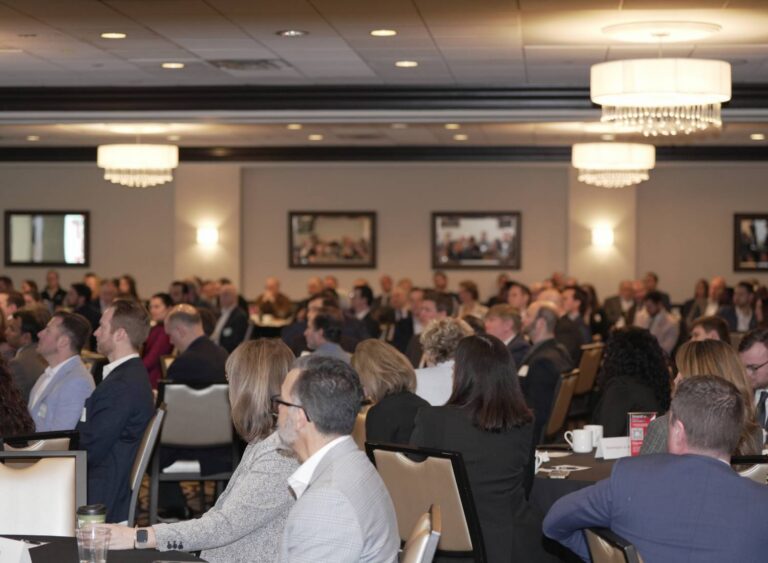
Join us at caa’s upcoming leadership summits! These premier events bring together hundreds of public and private sector leaders to discuss the challenges and opportunities for businesses and investors. Find the next summit in a city near you!
What changes over the past year have most impacted the organization, and in what ways?
We’re at a really exciting point right now, and we’re genuinely enthusiastic about where we’re headed. One of the most notable shifts for our office, and for our department within the state, is our expanded focus on innovation. Historically, Tennessee has been known for its emphasis on manufacturing, recruiting and growing manufacturing businesses across the state. While we’ve successfully recruited some tech, healthcare, and office projects to some of our larger cities, Tennessee has primarily been recognized as a manufacturing and automotive state.
This year, however, we’ve made significant strides in innovation, particularly in research and development and nuclear energy initiatives. A great example is the launch of our Office of Innovation earlier this year in February. Our Commissioner came in three years ago with a forward-thinking mindset, asking how we could honor Tennessee’s manufacturing roots while advancing toward the future. Yesterday, we announced the appointment of someone to lead this new office, which is a big milestone for us.
Importantly, this isn’t just talk. In the most recent legislative session, which ended in April, the Governor and the General Assembly awarded over $63 million — the highest amount in state history — toward innovation and related initiatives. Our strategy isn’t to move away from manufacturing. We still value it deeply. However, we often ask companies where their R&D and innovation operations are located. They usually say places like California or Boston, not Tennessee. So now we’re asking, “Why not Tennessee?” In many cases, it’s simply legacy thinking from decades ago. We’re working to change that and we are starting by connecting our existing industries with our universities and research institutions to spark new innovation right here at home.
On July 1, we launched the IRIS Grant Program to fund R&D projects between companies and universities statewide. Our goal is to create real synergy between our industries and academic institutions to grow these relationships and bring more innovation and R&D into the state. Tennessee has enjoyed decades of success in economic development, but we can’t afford to rest on that. Other states, especially those around us, are pushing hard toward jobs and technologies of the future.
We don’t want Tennessee to be left behind as industries evolve. We want to be a leader in innovation and in creating future-ready jobs. Ultimately, it’s about ensuring Tennesseans have access to high-quality, high-paying jobs and a great quality of life. This is the path forward.
What macroeconomic factors are you seeing, and how are they influencing site selection decisions and industry behavior?
Technological advancements have had a huge impact on our field, whether that be in site selection, the kinds of industries looking at Tennessee, or the nature of their projects. Ten years ago, even five years ago, economic development projects often involved massive job numbers but relatively smaller capital investments. That’s changed. Now, we’re seeing fewer jobs per project, but significantly higher wages and capital investments. That shift reflects the increased use of high-tech machinery, automation, and robotics.
Despite fears, we haven’t seen mass job losses. National unemployment remains low — around 3-4%. And realistically, we can’t fill thousands of new jobs per project. Companies simply can’t grow at scale without employing the right technologies. The silver lining? The jobs that do remain are higher-skilled, higher-paying roles. Our responsibility is to ensure Tennesseans are equipped with the skills they need for these future jobs. That’s why we’re collaborating closely with workforce development agencies like the Department of Labor, Tennessee Board of Regents, and others.
From a macro view, we’re also seeing significantly higher energy use across projects. AI and advanced technologies can triple (or even 10 times) the power needs of companies. This is a growing concern, not just in Tennessee but nationwide. We’re taking this seriously. In 2023, the Governor’s office approved a $50 million fund to help us recruit nuclear energy companies and suppliers. It’s already led to major announcements, including some at the global level. For example, the Clinch River nuclear plant project in East Tennessee is progressing. If it secures a federal grant from the Department of Energy, we’ve earmarked an additional $50 million in matching state funds to support the effort.
We want to be a state that anticipates and addresses these infrastructure challenges head-on, especially with the help of partners like TVA. Together, we’re making sure Tennessee stays ahead of the curve.
Can you speak a bit more about foreign direct investment and the international landscape?
This is one of our favorite topics because most people don’t realize how focused Tennessee is on foreign direct investment (FDI). In fact, since 2019, when Gov. Bill Lee took office, 40% of all capital invested in the state has come from foreign-based companies. That’s a huge number.
It shows that Tennessee is on the global map. International companies see us as a place with the right business environment, skilled workforce, sites and tax structure to thrive. One of our key strengths is our international FDI representatives, located in countries like Germany, Japan, Korea, Italy, and the U.K. Their sole focus is talking to companies looking to expand into the United States.
Once foreign companies see others succeeding here, it builds confidence. Look at Clarksville, for example. Over the past 10 years, more and more Korean companies have landed there, one after another. Much of that momentum is due to word-of-mouth: successful companies encouraging others back home to look at Tennessee. From Hankook Tire and LG Electronics to Shinhung Global. Dongwha Electrolyte, and now LG Chem, it’s actually incredible what is going on up there. One of our biggest recent wins is Orano, a French company building a $4.5 billion nuclear facility in Oak Ridge. It’s our largest capital investment to date.
We also have stories like Kewpie from Japan and Craig Manufacturing from Canada, which we recruited five years ago to Lawrenceburg, which is already expanding. Seeing international companies thrive in rural Tennessee communities is so rewarding. Some of them have truly made Tennessee home.
What other emerging infrastructure needs are becoming decisive factors for companies?
Broadband is a huge one. When Gov. Lee took office in 2019, 20% of the state didn’t have access to high-speed internet. Now, that number is down to just 1.7%, and we expect to award grant funding to close that remaining gap by the end of this year. Our goal is for 100% of the state to have broadband access before the Governor leaves office. It’s critical, not just for business attraction but for education, job access, and quality of life. We’ve heard stories of students doing homework in fast-food parking lots and people unable to apply for jobs online. That’s unacceptable, and we’re proud of the progress we’ve made.
Power, water, and sewer are also critical. Companies won’t invest in a site, much less a community, if it can’t meet their future needs. That’s why we invest through CDBG and site development grants to help communities build out their infrastructure for sustainable growth. Transportation is another key factor.
Beyond roads and highways, we’re focused on global connectivity. In the past year, we’ve added direct flights from Nashville to Iceland and Dublin, and we continue working toward our long-term goal of a direct flight to Asia. With over 200 Japanese companies in the state and growing Korean investment, we hear daily from companies asking for this. We’re working closely with BNA and state leaders to make that happen. We might even have a couple more international flight announcements coming this fall.
Looking ahead, what are your top priorities for the next few years?
Our main priorities are continuing to push innovation, research and development, and supporting nuclear initiatives. But just as important is community development. We want to ensure every community has the infrastructure, sites and quality-of-life assets to attract and retain companies. Many don’t realize that we offer grants for downtown facades, splash pads, historic sites and more. When companies visit a small town and see a charming downtown square with beautiful sidewalks and amenities, there’s often state funding behind that.
We also focus heavily on supporting existing companies. Around 70% of job growth comes from expansions, not new recruits. So we want the companies that started here, or even the ones we brought here 10 or 15 years ago, to remain successful and continue growing. At the end of the day, if a prospective company calls a local business to ask about doing business in Tennessee, we want that business to be our strongest advocate. That’s how we build lasting economic success.
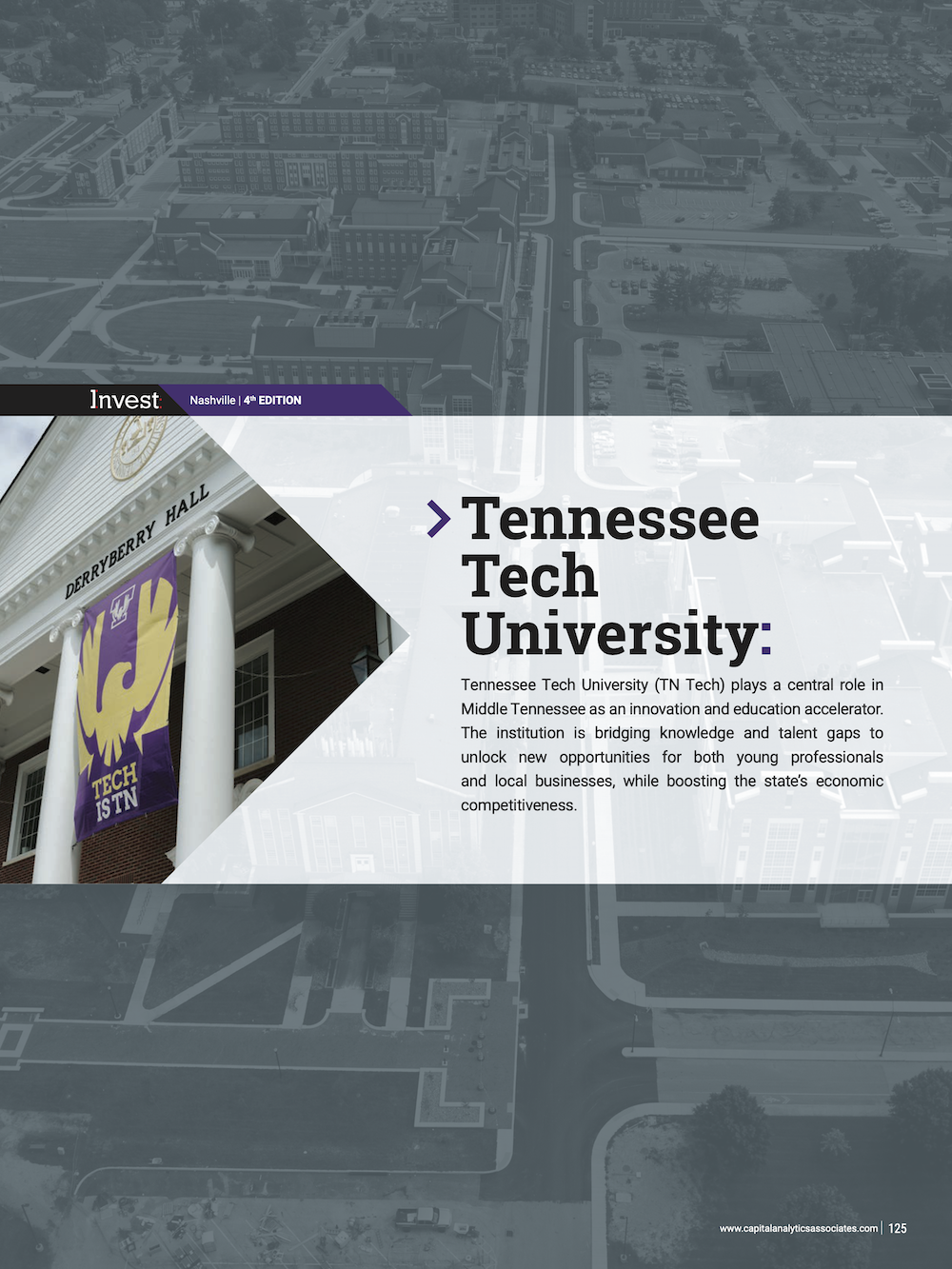
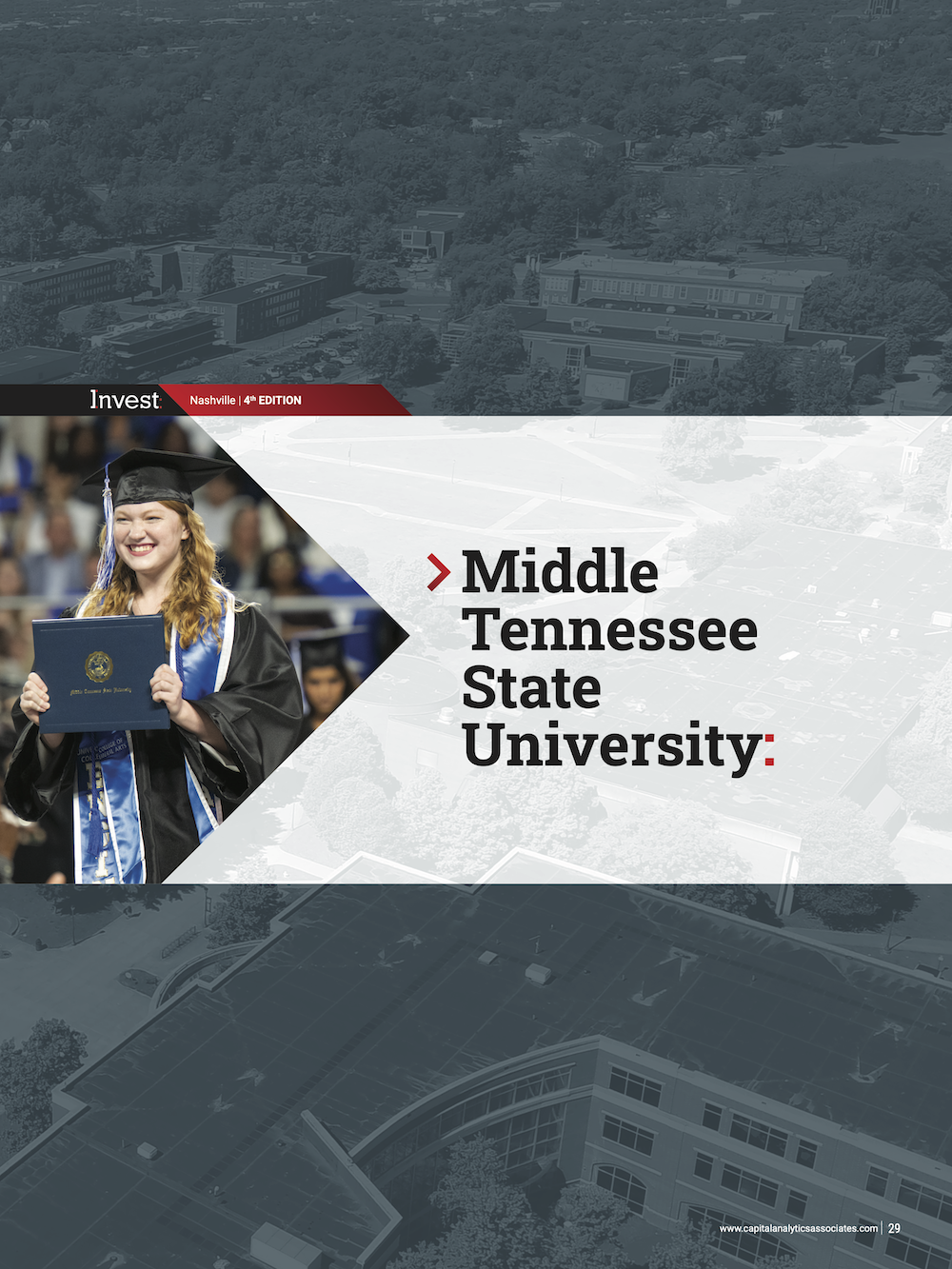
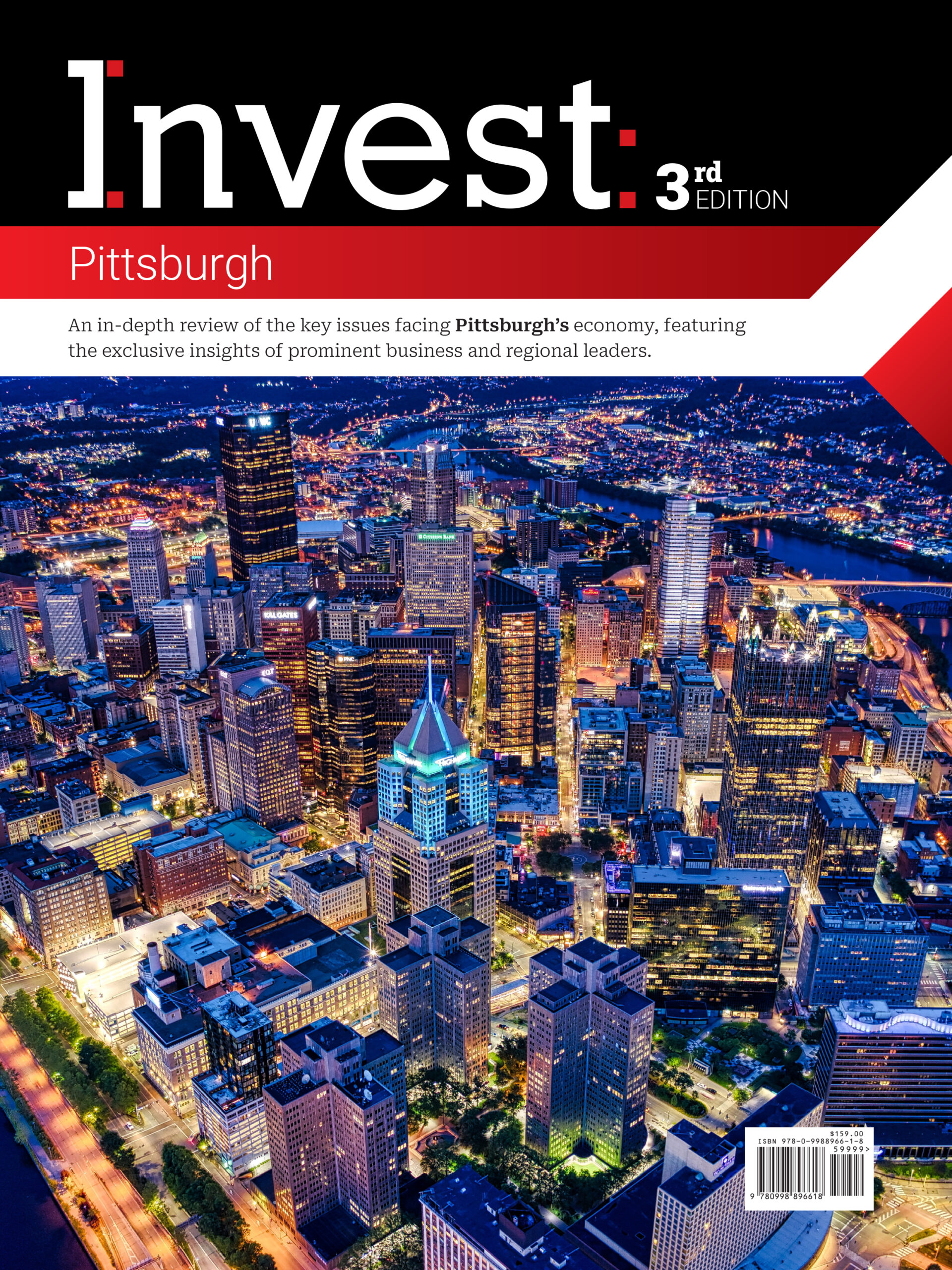
Want more? Read the Invest: Nashville report.