





Spotlight On: Michael Landguth, President & CEO, Raleigh-Durham Airport Authority
Key points:
- • Transform RDU’s $2.5B capital program is modernizing runways, terminals, roadways, and parking to support the Triangle’s rapid growth.
- • Expanding international service, including new nonstop flights to Dublin, reflects rising global demand and industry alignment.
- • Sustainability investments and long-term planning through 2032 position RDU as a critical infrastructure driver for regional expansion.
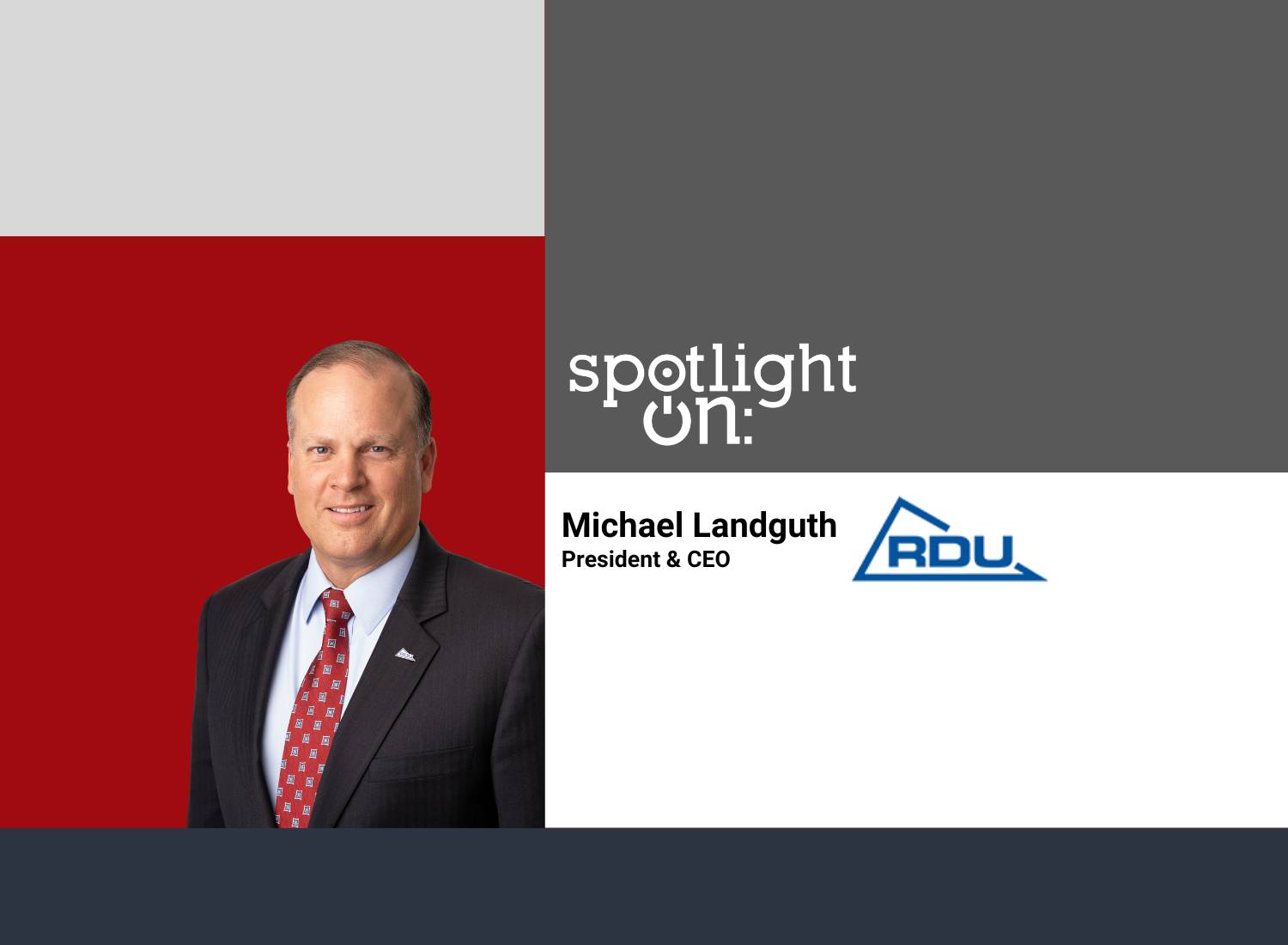 February 2026 — In an interview with Invest:, Michael Landguth, president and CEO of Raleigh-Durham International Airport, discussed how Transform RDU is positioning the airport to meet the region’s rapid growth. “Transform RDU is a $2.5 billion program that is reshaping the airport experience and building for the region’s next phase of growth,” Landguth said.
Join us at caa’s upcoming leadership summits! These premier events bring together hundreds of public and private sector leaders to discuss the challenges and opportunities for businesses and investors. Find the next summit in a city near you!
What have been the most significant changes or milestones for RDU over the past year?
The biggest milestone has been Transform RDU, our major capital infrastructure program. Transform RDU is a 10-year, $2.5 billion investment designed to reshape the airport experience and position RDU for the region’s next phase of growth.
That investment includes four major initiatives. The first is replacing our primary commercial runway—a billion-dollar effort that renews critical airfield capacity and ensures we maintain safe, reliable domestic and global connectivity.
The second is the expansion of Terminal 2’s landside facilities. This includes additional ticket counters, expanded security checkpoints, improvements to baggage claim, and increased capacity for international arrivals.
The third is improvements to John Brantley Boulevard, our primary roadway into the airport. Enhancing this corridor is essential for efficient drop-off, pick-up, and overall circulation.
The fourth is expanding parking capacity. Landside access is a fundamental part of the customer experience and has become a constraint as passenger volumes continue to rise.
Together, these projects are transforming the travel experience while building long-term capacity in a region that continues to attract jobs, investment, and new residents.
With Vision 2040 and Transform RDU in motion, how are you balancing immediate operational capacity with long-term growth and investment?
It’s a challenge because our growth mirrors what’s happening across the region—we are expanding rapidly.
In the near term, we are maximizing the use of our existing footprint, particularly through improved gate utilization. That allows our airline partners to continue adding service within current constraints.
At the same time, we are evaluating whether certain elements of our expansion program need to be accelerated. Additional gates were originally projected outside our 10-year window, but demand may require us to move that timeline forward to maintain a high level of service and deliver an excellent customer experience.
What trends are you seeing in international and local travel, and how are those shaping airline recruitment and global connectivity?
Our community is increasingly diverse, with residents from around the world calling this region home. That diversity, combined with sustained business growth, strengthens international demand and supports airline recruitment.
Today, we offer service to 84 nonstop destinations, including international markets, and we continuously evaluate emerging demand across both business and leisure segments.
We recently announced nonstop service to Dublin on Aer Lingus beginning in April 2026. The community’s response was immediate and strong. I expect we will continue expanding our route map as the region’s global personal and professional connections deepen.
There is also strong alignment between the Triangle’s industry clusters and those in Ireland, particularly in research and development, technology, and pharmaceuticals. Tourism adds another layer of demand, especially with destinations like Pinehurst and Southern Pines, where golf travel creates meaningful connectivity between the two regions.
How are you aligning infrastructure and operations to meet demand driven by Research Triangle growth and investment?
We closely monitor population growth and investment trends in jobs. The Research Triangle consistently ranks among the top places people want to live and work, and that directly drives air service demand.
That’s why we are investing in core infrastructure through Transform RDU. Our primary commercial runway is nearing the end of its useful life, and replacing it is essential to maintaining safe, reliable West Coast and transatlantic connectivity.
We also need terminal capacity that keeps pace with growth. Eighteen airlines operate at RDU, and as they expand, our passenger processing and facility capacity must keep up.
Landside access is equally important. Improving roadway flow and expanding parking ensure customers can reach the airport efficiently, regardless of how they arrive. Transform RDU reflects the region’s trajectory, and our delivery timeline must align with that growth.
How are you planning for future passenger expectations through technology?
We focus on technology that reduces friction in the customer journey. A strong example is our parking garage wayfinding system, which uses visual cues to identify open spaces. Customers consistently tell us it reduces stress and saves time, especially during peak travel periods.
As we move forward, we will continue implementing practical solutions that improve flow, enhance safety, and help customers move efficiently from curb to gate. As we build new capacity, we are pairing infrastructure investments with technology that helps maintain reliability during construction, so customers experience progress with minimal disruption.
What are your most promising initiatives under the Sustainability Management Plan?
One project we’re especially proud of is the Park Economy 3 expansion. Through the Envision sustainability framework, it earned Platinum verification from the Institute for Sustainable Infrastructure—the highest rating awarded.
The project integrates solar power, electric vehicle charging, and a first-of-its-kind stormwater management system that treats runoff from parking operations before it leaves the site.
Our goal is to embed sustainability into growth rather than treat it as an afterthought. These investments scale alongside expansion, reduce environmental impact, and strengthen long-term resilience.
How has your thinking evolved on drone integration and commercial drone activity?
I see two primary applications. The first is operational use—construction monitoring, airfield inspections, and enhanced site visibility—which is already becoming more common.
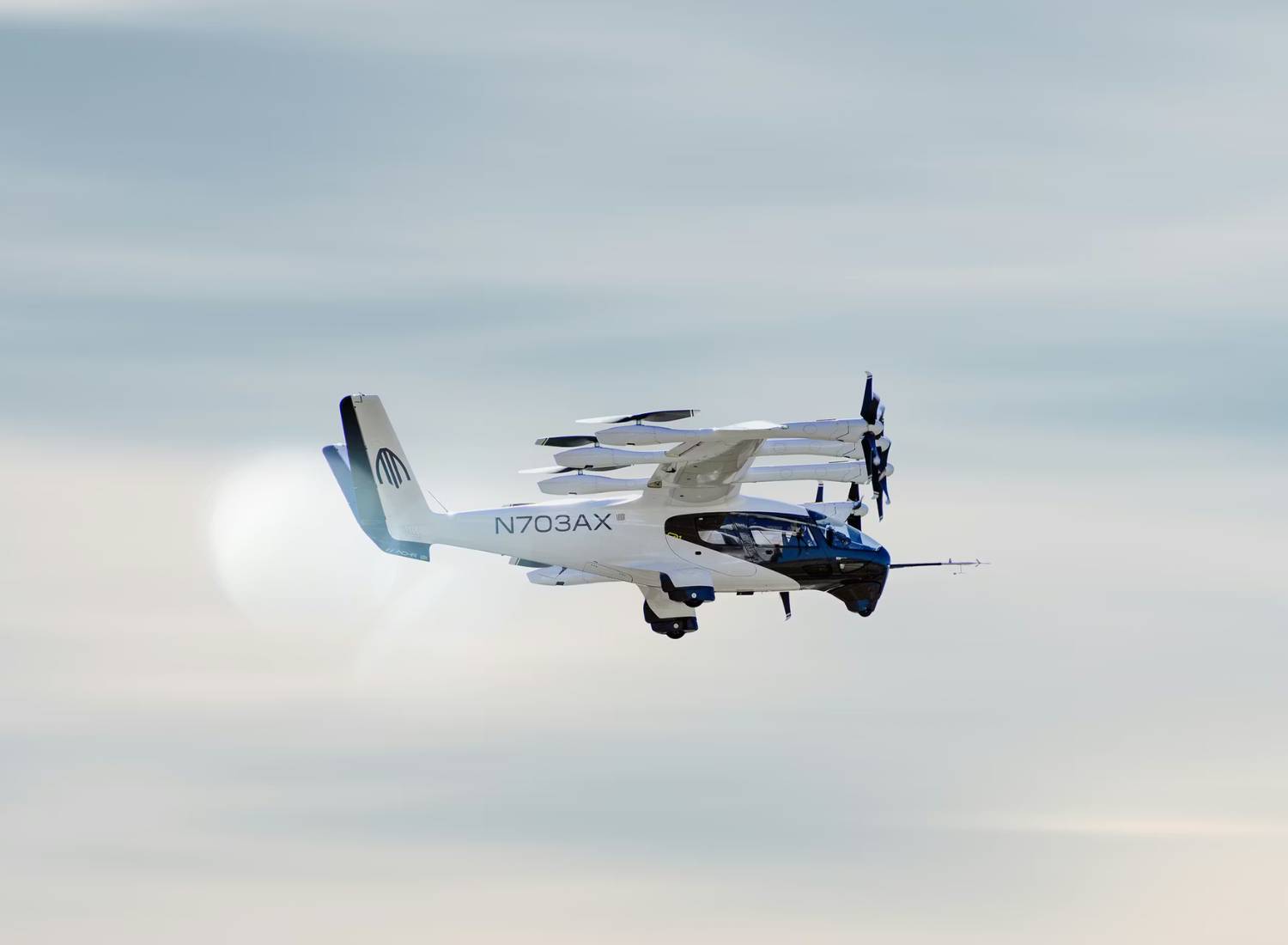
The second is passenger-carrying advanced air mobility technology. We’ve begun discussions about how that could integrate into our airspace in the future. Major global events, such as the Los Angeles Olympics, may serve as early testing grounds for whether the technology is mature and scalable.
A key consideration is energy infrastructure. If airports eventually support fleets requiring substantial charging capacity, utilities and electrical systems will need to evolve accordingly. I don’t know whether that horizon is 5 or ten years away, but the industry is clearly moving toward real-world deployment.
Looking ahead to 2030, what are your top priorities for RDU?
Our top priority is completing the new runway under Transform RDU. That project enables the expansion of Terminal 2 and the addition of future gates. We are also advancing landside improvements at Terminal 2, including additional ticket counters, expanded security checkpoint capacity, and upgraded baggage claim systems. Expanding the international arrivals area is another key priority to ensure a seamless experience as global service grows.
Roadway improvements remain essential. Access and circulation are foundational to the overall customer experience. If customers cannot move efficiently in and out of the airport, terminal improvements alone will not deliver the seamless experience travelers expect.
What is the overall timeline for Transform RDU?
The $2.5 billion Transform RDU program has approximately seven years remaining. By 2032, major components—including the new runway, Terminal 2 landside expansion, and improvements to John Brantley Boulevard—should be complete or nearing completion.
Following that, additional phases of development are anticipated, potentially representing another multi-billion-dollar investment once the current program is delivered.
What role does the airport play in the region’s continued growth?
The overarching theme is the energy and optimism of this community. Confidence in job growth and the region’s direction continues to drive demand for air travel and connectivity.
Our responsibility is to deliver infrastructure that enhances the customer experience while supporting the region’s next phase of growth. As the Triangle expands, our role in connecting this community to the world becomes even more important.
Want more? Read the Invest: Raleigh-Durham report.