







Spotlight On: Paul Sharkey, Executive Director, UnitedHealthcare
Key points:
- UnitedHealthcare reduced prior authorizations and expanded its Community Plan to widen access statewide.
- Simpler commercial plans, telehealth growth, and behavioral health expansion address cost and workforce pressures.
- Maternal health, crisis care, and community partnerships anchor its next phase of regional investment.
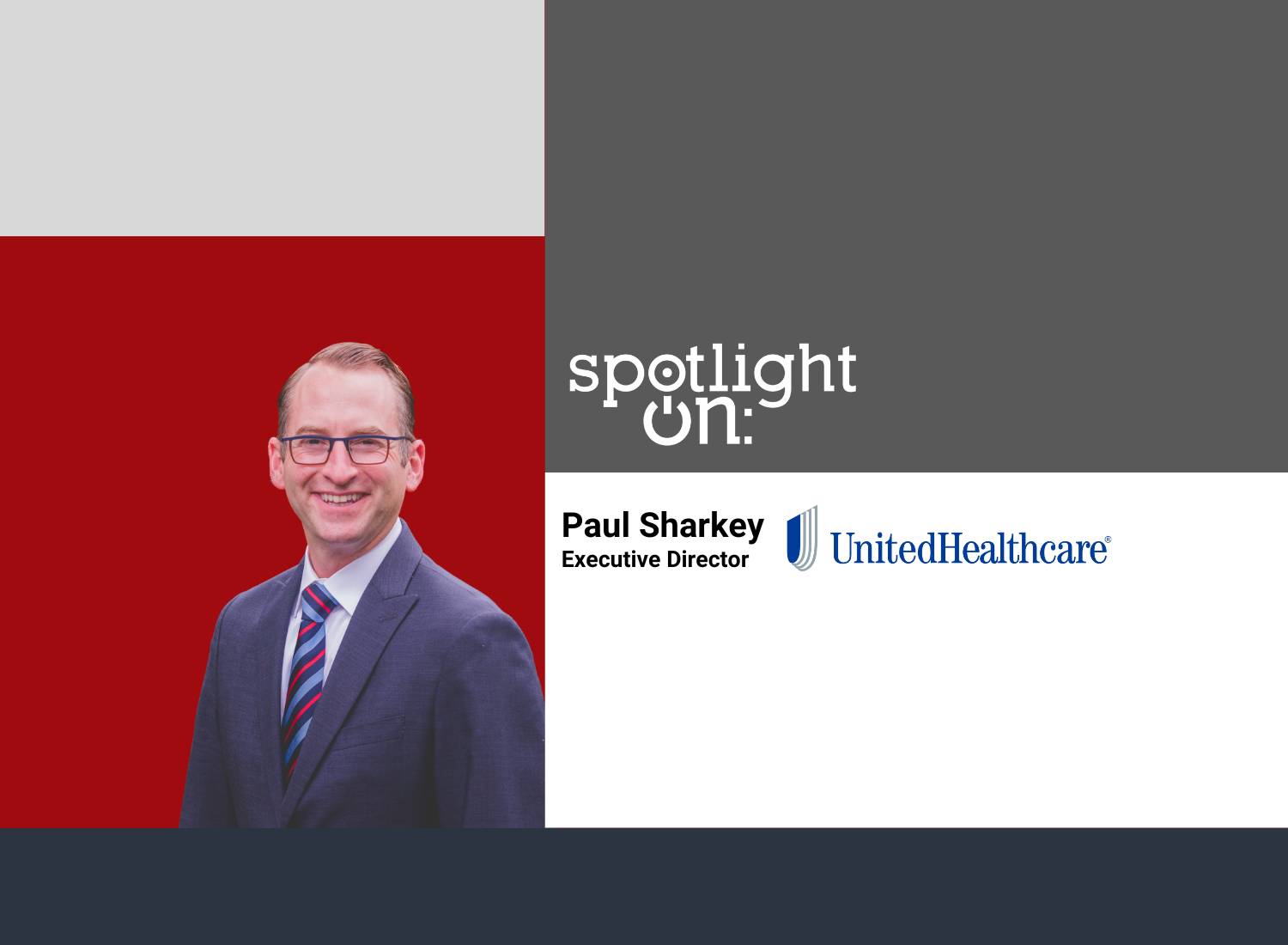 February 2026 — In an interview with Invest:, Paul Sharkey, executive director of UnitedHealthcare, highlighted key initiatives, digital innovations, and partnerships that are shaping the company’s approach to healthcare access. “Our goal is to meet members where they are and provide support in the way they need it most,” Sharkey said.
Join us at the Invest: Pittsburgh 3rd Edition Leadership Summit! This premier event brings together hundreds of Pittsburgh’s business and regional leaders to discuss the challenges and opportunities for businesses and investors. Buy your ticket now!
What changes over the past year have most impacted UnitedHealthcare in the region, and in what ways?
There have been significant developments with UnitedHealthcare, both nationally and within the Western Pennsylvania and Pittsburgh markets. Our primary focus remains on ensuring the healthcare system works better for everyone by enabling access to the right care at the right time. In Pittsburgh, we have taken steps to simplify processes for our members. One key initiative has been reducing the number of required prior authorizations by nearly 20%. Additionally, we are piloting a Gold Card program, which exempts high-quality physicians with the best outcomes in their specialties from prior authorization requirements. These efforts are designed to streamline access to care while reducing unnecessary costs.
UnitedHealthcare has expanded its Community Plan for Kids to 12 additional counties across Pennsylvania. How is this expansion improving access to care?
We are very excited about this expansion. Our Community Plans are now available in 64 of Pennsylvania’s 67 counties. For these members, the focus is on lowering out-of-pocket costs, emphasizing preventative care, primary care visits, pediatric visits, and ensuring access to essential medications. This is particularly important for our most vulnerable members, as it helps them maintain healthier lives. By broadening our reach, we are making it easier for families across the region to receive the care they need without financial strain.
How has UnitedHealthcare implemented or adapted digital tools to improve member health outcomes?
Digital tools are critical in modern healthcare, and we recognize their potential to empower members. One of our key innovations is Smart Choice, a feature that helps members find physicians, clinicians, or hospitals based on personalized preferences. This tool considers factors such as gender, language, location, and quality benchmarks to recommend the most suitable providers. By offering dynamic, tailored suggestions, we ensure members receive care that aligns with their needs while meeting high standards of quality and cost efficiency.
What trends do you see as most transformative for commercial plans?
One of the most prominent trends is the demand for simplicity and lower costs. Many individuals find the healthcare system overly complex, so much so that only 4% of Americans can accurately define terms like deductible, coinsurance, copayment, and out-of-pocket maximum. To address this, we have introduced Surest, a copay-based plan that provides price certainty before care is received. This plan uses data to identify high-quality, cost-efficient providers and offers lower copays for those who meet these standards.
Furthermore, according to recent data, about 10% of Pennsylvanians and 11% of Americans nationwide delayed or avoided care in the past year due to cost or complexity. To combat this, we have expanded telehealth services, offering affordable virtual visits 24 hours a day, seven days a week.
As the healthcare sector faces rising costs and provider shortages, what operational challenges have been most pressing for your Pittsburgh operations?
Workforce shortages are a significant issue across the entire country, particularly in Pittsburgh; for example, the nursing shortage is well-documented here and nationwide as well. Additionally, COVID-19 exposed a mental health crisis in the United States. We are focused on expanding access to care, not just for physical health through 24/7 virtual visits, but also for mental health. We have increased our mental and behavioral health network in Pennsylvania to ensure members, especially those with urgent needs, can quickly connect with providers. We also offer express appointment scheduling and have introduced self-service options. Additionally, UnitedHealthcare recently partnered with Calm Health to offer fully insured members access to their mobile app, which provides at-home solutions for stress reduction, meditation, and self-care.
What partnerships or initiatives in the Pittsburgh area illustrate UnitedHealthcare’s commitment to supporting community health, education, and economic resilience?
At UnitedHealthcare, we recognize that social drivers of health significantly impact both short-term and long-term outcomes. We collaborate with numerous community partners across Pennsylvania, but one of our proudest relationships is with BLOCS. Since 2019, we have partnered with them to provide scholarships to underserved families across the Commonwealth, enabling access to tuition-based education when appropriate. To date, we have awarded over 2,300 scholarships statewide, including in Western Pennsylvania. This initiative not only addresses immediate needs but also contributes to long-term health and stability for students and their families.
Looking ahead to the next few years, what are your top priorities for UnitedHealthcare?
Our primary initiative is expanding access to affordable, quality care. We will continue growing across our community, Medicare, and commercial plans by increasing storefronts, retail experiences, and mobile units to bring healthcare directly to communities. Another major focus is addressing the mental health crisis, particularly in Western Pennsylvania, by improving access to crisis intervention and integrated behavioral care. Additionally, we are prioritizing maternal health outcomes in underserved communities. This includes enhancing traditional maternal care, partnering with doulas, and expanding prenatal, postnatal, and postpartum services for members across the state.
Want more? Read the Invest: Pittsburgh report.