Spotlight On: Regis Etzel, President, Etzel Engineer & Build Inc
Key points:
- • Etzel Engineer & Build was founded on a transparent design-build model that eliminates finger-pointing and aligns accountability.
- • AI-driven data center demand is accelerating speed-to-market pressures, equipment lead times, and workforce competition.
- • Pittsburgh’s energy access and skilled labor base position it as a growing hub for next-generation data center expansion.
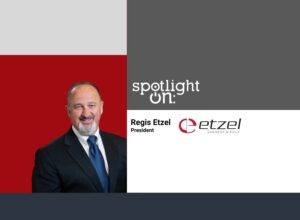 February 2026 — In an interview with Invest:, Regis Etzel, president of Etzel Engineer and Build, shared how a broken industry model led him to create a design-build firm focused on transparency and accountability. With AI fueling unprecedented data center demand, Etzel emphasized speed to market and Pittsburgh’s growing appeal as a strategic hub. “We’re already seeing major data center operators looking at Pittsburgh as a market for expansion. That momentum is only going to continue,” Etzel said.
Join us at the Invest: Pittsburgh 3rd Edition Leadership Summit! This premier event brings together hundreds of Pittsburgh’s business and regional leaders to discuss the challenges and opportunities for businesses and investors. Buy your ticket now!
What led you to start Etzel Engineer & Build, and how does your approach differ from traditional construction firms?
I launched the company in 2007 after spending years in the industry and seeing how disjointed the process was. There were too many players focused on protecting themselves — architects, engineers, contractors — each passing responsibility around. Contractors would find design issues before the bid and hold them back to create change orders later. It all became more about covering liability than delivering a solid product.
Etzel wanted to do things differently, to build a process where everyone is aligned and focused on the client’s end goal. That’s why we emphasize design-build. We take full responsibility for both the design and the construction. We even purchase as much of the equipment as we can, which helps control costs and eliminates ambiguity. The client sees all subcontractor pricing, and we select the team together, with full transparency.
How do you choose where to operate and grow your presence across the United States?
We typically grow by following our clients. We’re licensed in 20-plus states. After we deliver a successful project, clients often ask us to look at their other facilities in other cities across the country. That’s what has fueled our growth. We also help clients standardize their development process. For example, one client asked us to develop its site standards for new data centers. We brought in specialized engineers and architects, worked through the client’s needs, and built a scalable model which they could use across all locations.
What sectors are driving the most activity right now, and how is AI influencing demand?
We see high-reliability infrastructure, including data centers, internet hubs, and AI farms, namely facilities that can’t go offline, as our most active sector. Right now, AI is the biggest driver of demand. The data center industry is growing at a pace like never before, and it’s being pushed by the demand for AI, which requires entirely new design standards. Design-build continues to gain traction, and more clients are looking to create partnerships, allowing for single-point accountability and increased speed-to-market.
Another influence is the increase in equipment complexity and lead times. Generators and UPS systems are getting harder to source. We’re seeing situations where lead times have doubled almost overnight. That forces us to finalize designs much earlier, just to place orders in a timely manner.
What has been the biggest challenge for your team this year?
Speed to market is a huge challenge. AI clients are pushing hard to get these facilities built fast, but lead times on critical equipment keep extending. We’re having to adapt by accelerating design decisions and locking in procurement early. We also face workforce shortages. There’s strong competition for electricians, plumbers, pipefitters — the skilled trades are stretched thin. Contractors are offering several dollars above the standard hourly rate just to attract workers, which is driving up costs. We must rely on staffing agencies to help bring in strong candidates.
What is your outlook for Pittsburgh’s construction industry over the next few years?
Pittsburgh is well positioned to support AI growth. The region sits on top of natural gas resources and has a strong and talented construction workforce. We’re already seeing major data center operators looking at Pittsburgh as a market for expansion, and that momentum is only going to continue. Etzel is committed to stay current with technology, both in how we build and with the equipment we install. Data centers are evolving fast, and we need to stay ahead of trends in cooling, power delivery, and first-day cost control. Speed to market is everything, and we’re focused on delivering that.
Want more? Read the Invest: Pittsburgh report.