






Spotlight On: Steve Koonin, CEO, Atlanta Hawks & State Farm Arena
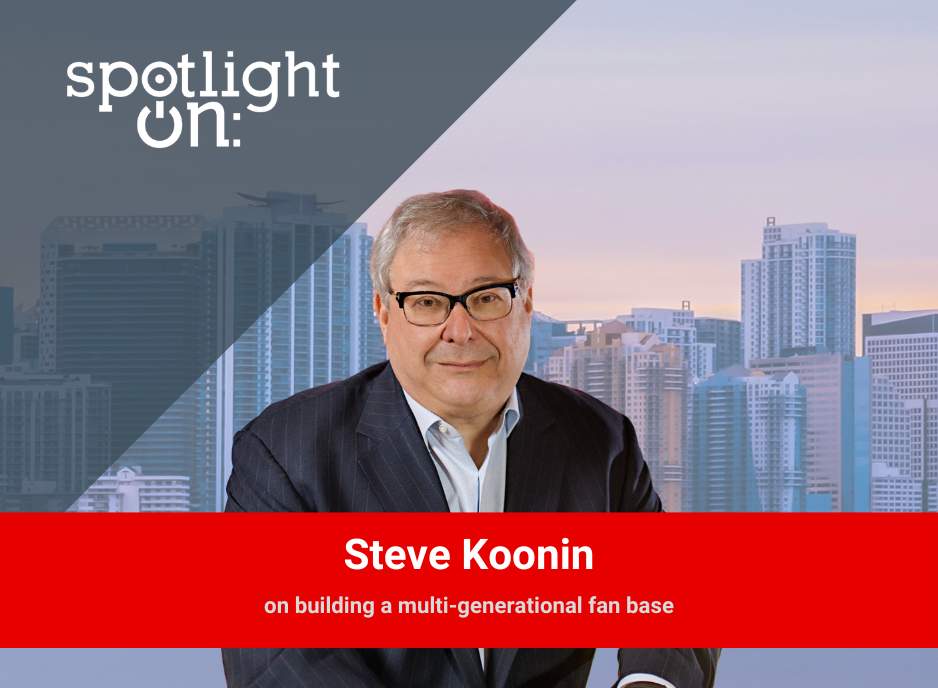 August 2025 — In an interview with Focus:, Steve Koonin, CEO of the Atlanta Hawks & State Farm Arena, discussed Atlanta’s rise as a regional hub for live entertainment, urban revitalization, and community impact. Koonin noted, “We host 106 live events, and people travel from as far as Boston and Miami to see these acts. That creates huge demand for hotel nights, dining, and other recreation in downtown Atlanta.”
What role do sports and entertainment play in Atlanta’s tourism and economic impact?
The Hawks create tremendous attention and draw people to the city for games. A big piece of that is the Hollywood aspect: music stars and movie stars come to our games, which adds to the buzz.
But the real impact comes from our music business. We host 106 live events, and people travel from as far as Boston and Miami to see these acts. That creates huge demand for hotel nights, dining, and other recreation in downtown Atlanta. When we look at ticket-buying heat maps, it’s striking how Atlanta has become a regional hub for music.
Many artists now play what we call multi-play shows. Usher did six nights with us. Even Nate Bargatze, a stand-up comedian who could easily tour from city to city, sold out two nights here. Fewer than 50% of our ticket buyers for these shows are local.
The airport helps drive this too. It’s a major facilitator for people coming in from across the region.
What trends are shaping live entertainment as you plan future seasons and events?
Music has become global. Streaming platforms like Spotify, Amazon, and Apple Music make it easy for fans to connect with artists anywhere. When Bad Bunny comes to Atlanta, we sell out multiple nights.
We host a huge number of K-pop concerts as well as Latin rock, classic rock, and, of course, hip-hop and R&B, which reflect Atlanta’s demographic composition. Music’s global reach means we benefit from artists who draw diverse audiences, and Atlanta’s role in the music scene makes it a natural destination.
How is technology shaping the fan experience and live entertainment inside and outside the arena?
Data and analytics are critical. It used to be enough to have good Wi-Fi so fans could post from events. Now, extraordinary connectivity is a baseline expectation.
We’re very conscious of how powerful social media is within the live event ecosystem. We’re creating original content for YouTube and recently hosted our first Creator Conference, with more than 1,000 creators.
These creators come to games, film, and broadcast them on their phones while adding their own commentary. It’s all part of the experience now. Whether they’re watching the clothes, the stars, or the game itself, it shapes how fans engage.
How do creators and digital platforms impact audience reach today?
A decade ago, 20 million people would watch something on television. Today, that audience might be a million. Meanwhile, creators have audiences of four, five, or six million people they engage with constantly.
In essence, they’ve become broadcast networks on a global scale, across multiple platforms. Their reach, relevance, and trust can’t be matched by old linear media.
How does community engagement fit into the Hawks’ mission?
This is who we are and what we do. We see ourselves as a community asset. We do everything from testing children’s eyesight in schools and providing glasses for free to tackling food insecurity by packing more than a million meals in a single day. We also partner with organizations like the Giving Kitchen to support restaurant workers nationwide. Community work is the largest part of our DNA, and it’s something we take pride in every day.
How does the Hawks’ partnership with projects like Centennial Yards illustrate the role sports organizations can play in urban development?
Our story is very unique. When Tony Ressler, the principal owner of the Hawks, was considering buying the team, we were walking to his car when he pointed to this 50-acre hole in the middle of Atlanta, across the street from our building, and asked what it was. As a native Atlantan, I’d always known it as the Gulch, which was literally an empty hole.
In essence, he said, “We’re going to build something like L.A. Live there.” It was nice to hear, but hard to believe since other companies had tried.
Together, they not only formed the vision but put up the financing, did the work, and built something that I think will be a legacy for Atlanta for the next 100 years. It’s truly transformational.
The project will stitch together communities that have long been divided. The prosperity and new development on the Northside always stopped at our door because of this giant hole. South of that area, there are neighborhoods that have been significantly underserved. By filling this space with entertainment, living, working, and economic opportunities, I’m hopeful it will connect the whole city and bring prosperity to areas south of Centennial Yards — something that hasn’t happened before in Atlanta’s history.
How do sports facilities anchor urban areas and shape surrounding communities?
It helps to look at how things used to work. Growing up, there would be an anchor store at the mall, and all the boutiques and smaller stores would build around that. There are no anchor stores anymore; sports facilities have become the new anchors.
When 70,000 people go to Mercedes-Benz Stadium, 20,000 come to one of our concerts, or 35,000 attend an Atlanta United match, those people are consumers. They’re looking for food, beverages, merchandise, and ways to extend or kick off their day.
That traffic can be leveraged to bring more people into the urban core. The Braves did something remarkable north of the city, and we’re seeing similar developments across the country. It enhances the quality of cities. We’re not just managing a building anymore, we’re managing a territory of the city. It’s so much bigger and broader than just a facility.
What are the top priorities for the Hawks and State Farm Arena in the coming years?
There are several. We want to expand our use of technology, data, and analytics in more robust ways. We’re focused on generationally building our fan base, scaling our live event business, and continuing to invest in our culture and employees. Beyond that, projects like Centennial Yards reflect how we’re expanding our role from operating a single building to being part of an entire downtown ecosystem.
For more information, please visit: