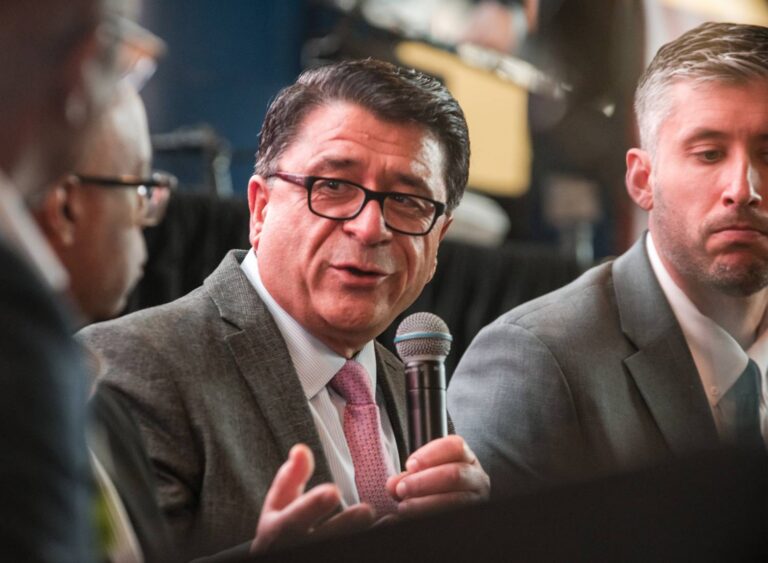







Spotlight On: Teresa Campo, Director of Economic Development, City of Monroe
Key points:
• Monroe is driving a community-first growth strategy focused on livable wages, workforce access, and inclusive development.
• City-owned infrastructure, available industrial land, and proximity to Charlotte strengthen Monroe’s appeal to employers and families.
• Manufacturing, downtown revitalization, and workforce pipelines are being aligned through strong cross-sector collaboration.
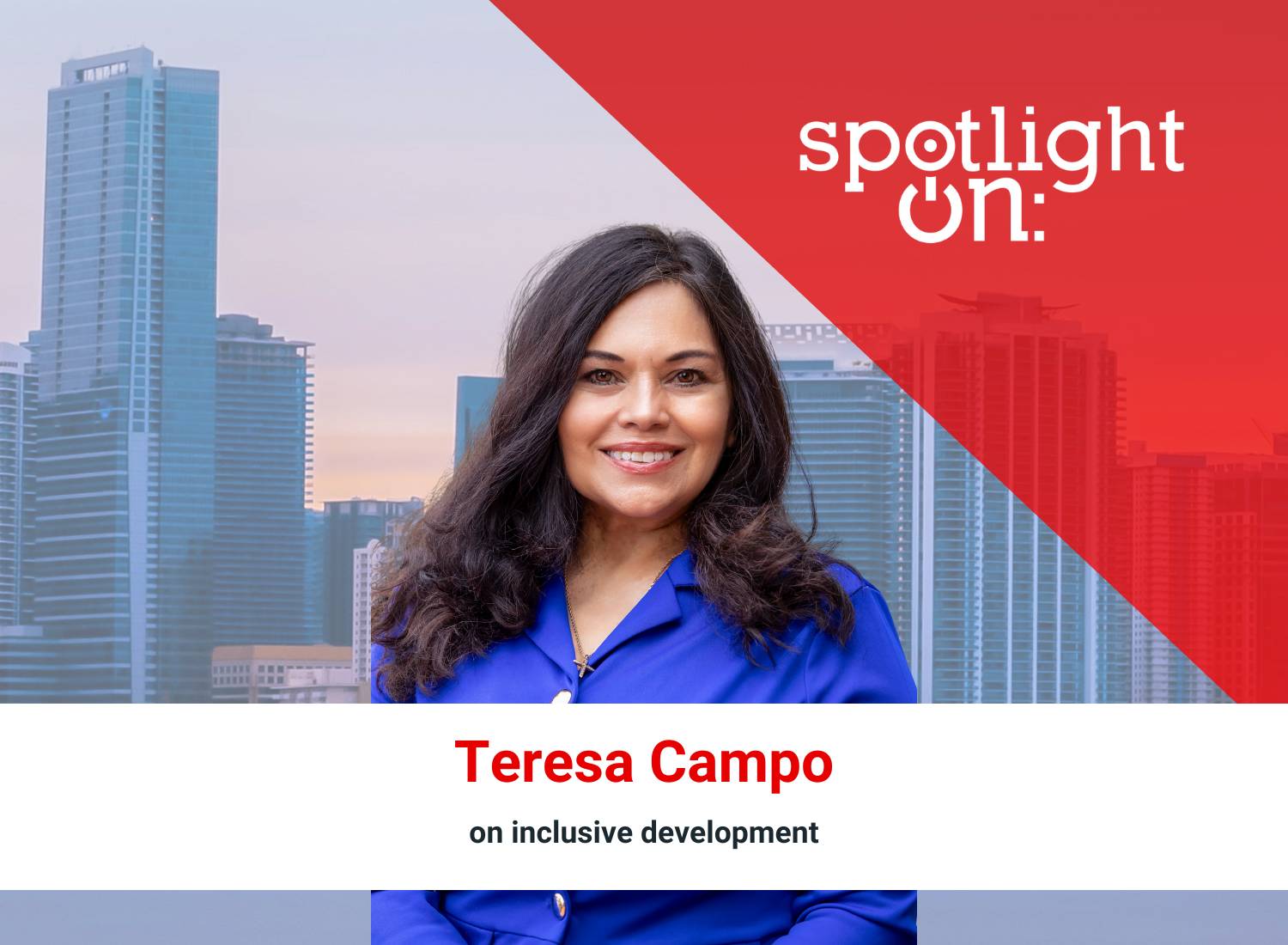 January 2026 — In an interview with Invest:, Teresa Campo highlighted Monroe’s recognition as a “Good Jobs, Great City” and its growing role as a community-first economic hub. “We are a one-stop shop,” she noted, emphasizing priorities like livable wages, manufacturing jobs, small business growth, and inclusive development to keep Monroe competitive and connected.
Join us at caa’s upcoming leadership summits! These premier events bring together hundreds of public and private sector leaders to discuss the challenges and opportunities for businesses and investors. Find the next summit in a city near you!
What have been the most significant developments shaping Monroe’s economic growth strategy over the past year?
Monroe is one of 16 cities nationally recognized by the National League of Cities and the United States Department of Labor as a “Good Jobs, Great City,” even though North Carolina is a right‑to‑work state. One of our major achievements is the MonroeWorks.org initiative. It brings together South Piedmont Community College, our NC Works system, workforce partners, economic development, and community connections through the Wingate University‑based Unison program. That collaborative work allows us to reach the three areas we care deeply about – jobs, training, and people. The goal is that residents not only secure livable‑wage jobs, but also have attainable housing, are able to provide for their families, and are included at the table.
What makes the city of Monroe a compelling location for companies considering expansion or relocation?
We are a one‑stop shop city, and even though our population is under 50,000, we are growing and have available industrial land. The best part is that we own and manage our own infrastructure: water, sewer, natural gas, and electric, and we even own a general aviation airport. While we do not have public transit, we do have a local transportation option in collaboration with the county. We have great schools, a community college, and are in close proximity to Wingate University. A vibrant downtown and diverse housing make the city appealing.
Our diversified industry base includes manufacturing (including high‑tech manufacturing), food processing, titanium printing, musical instrument manufacturing (with companies such as the manufacturer for the Beatles’ drums), and a corporate center with walkable spaces. Resilient infrastructure, access to Charlotte (30 minutes to the airport), rail access, and highways like U.S. 74 and the expressway provide what businesses and families need – access, community, choice, and livability.
What do recent projects like Project Nickel and Coca-Cola’s investment say about Monroe’s position in the region, and which industries are you focused on growing?
We are in the planning stages of a new strategic plan, looking five to 10 years ahead. Our focus for more than 10 years has been on manufacturing and creating high‑tech manufacturing jobs. In the past year, we have also focused on downtown revitalization, which helps small businesses and creates a community place. What we identified as missing is the “middle” block — the space between manufacturing and downtown retail.
We want to maintain and grow manufacturing, support our existing industries, and engage with them. At the same time, we must also expand opportunities for trades, entrepreneurship, and small businesses, alongside manufacturing.
How is Monroe managing to promote the workforce pipeline?
MonroeWorks is a facilitator bringing partners together. If a person wants training or an apprenticeship opportunity, MonroeWorks connects them with South Piedmont Community College or other providers. For manufacturers asking for specific equipment training, the community college will design training programs for them, including apprenticeships.
We also participate in the Union County Chamber of Commerce’s initiative, “Make It Union” where manufacturers showcase opportunities to public schools, charter schools, private schools, and homeschoolers. Students can see and access clean manufacturing instead of outdated stereotypes. Young women metal artists are becoming quality control specialists, and young men and women are entering advanced manufacturing thanks to these pathways. This facilitates the balance of the creation of jobs with community places to live and play. It also means supporting construction trades, retail, entrepreneurship, and small business, alongside manufacturing.
How does the city prioritize infrastructure investments to support business growth and economic development?
Because we own and manage our infrastructure, we can structure responsibilities clearly. Monroe has a Director of Engineering overseeing roads, sidewalks, and storm‑water, and a General Manager overseeing utilities (water, sewer, natural gas, electric) operations. Our City Manager Mark Watson leads our city, and the Office of Economic Development is directly under his administration.
The result is that departments throughout have a clear mandate and can collaborate since they report up to a unified structure. When initiating economic development, we include planning, utilities, and all necessary departments at the table from the start. That avoids silos and ensures infrastructure and development align.
What are your top priorities over the next two to three years for the Office of Economic Development?
Our top priority is responsiveness – helping people navigate permitting and approvals, making the process smooth, working with our in‑house building permit system, engineering services, and strengthening our infrastructure. Our goal is to diversify employment, ensure livable wages, advance housing, child care, and workforce support.
We are hearing more about child care and how adults will participate in the workforce when they know their children are cared for. Economic development must include community planning principles – they are not separate. For example, companies relocating from Europe expect livability standards we should meet. North Carolina is number one in business, and we want to stay there. Collaboration is essential; if North Carolina wins, we all win.
Want more? Read the Invest: Charlotte report.