






Spotlight On: Tim Morrow, President & CEO, San Antonio Zoo
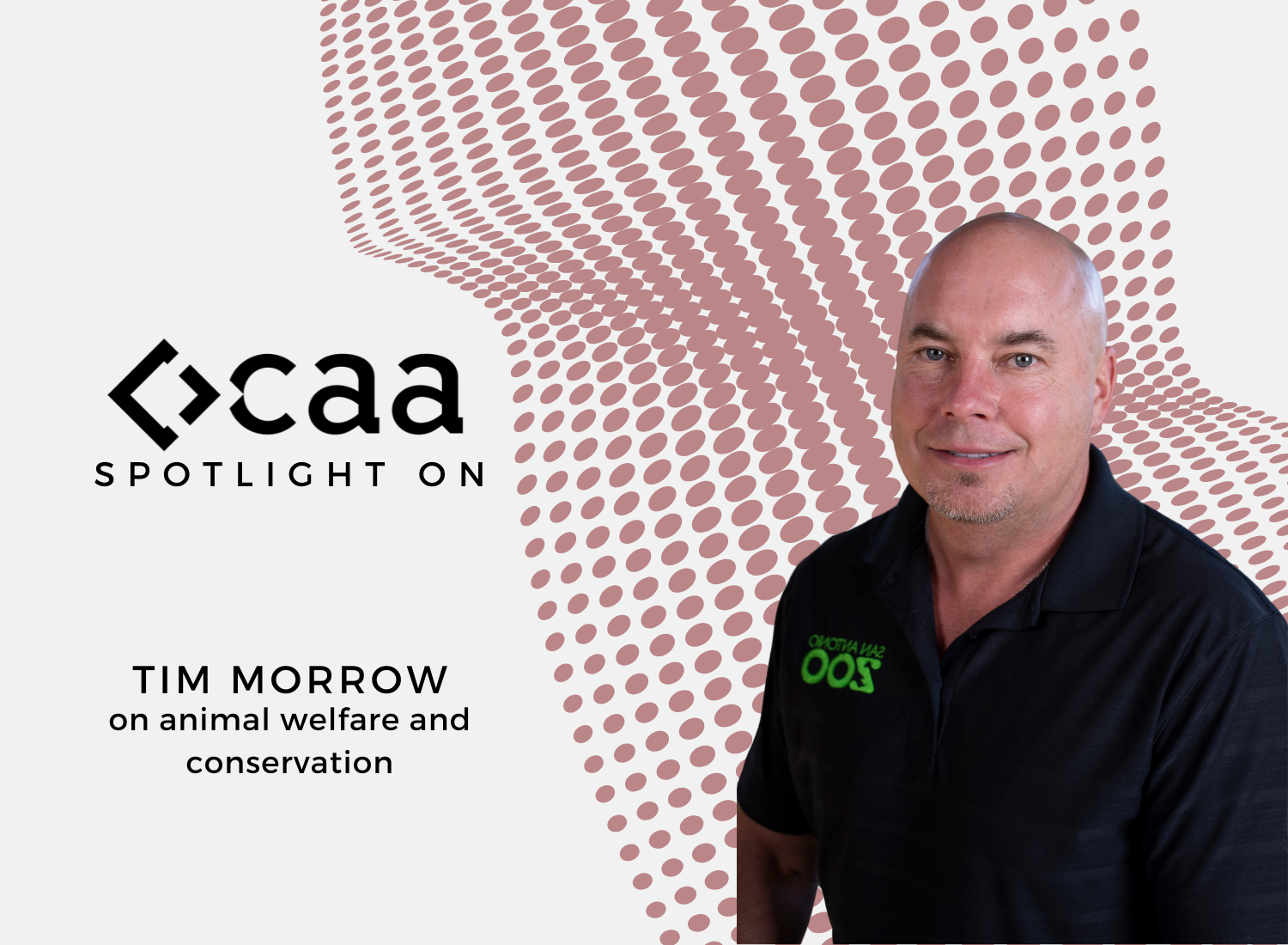
March 2025 — Tim Morrow sat with Invest: to share how the opening of the Naylor Savanna has enhanced animal welfare and conservation at the San Antonio Zoo, expanding its capacity for a breeding giraffe herd in support of the Giraffe Conservation Foundation. “Part of our mission is to educate guests about this crisis and contribute to giraffe conservation efforts,” he said.
How has the Naylor Savanna opening enhanced the visitor experience, improved animal welfare, and contributed to conservation efforts?
The Naylor Savanna has been a great addition and aligns with our master plan, which we’ve been working on for about eight years. We repurposed an area of the zoo that had been home to elephants since the 1940s. Our last three elephants were elderly; two passed away due to old age, and we relocated the third to a sanctuary. Once that space became available, we incorporated it into our existing African Savanna, adding a new, large giraffe barn.
Historically, we haven’t been a major breeding zoo for giraffes due to our smaller barns, but now we have the capacity for a herd. The barn is guest-accessible, with windows allowing visitors to see inside. One of our core philosophies is making the zoo feel more transparent, giving guests behind-the-scenes views beyond scheduled behind the scenes tours.
We also introduced Spekboom Lodge, a unique overnight experience where guests can stay on the Naylor Savanna. Spekboom Lodge includes a master/primary bedroom, kitchenette, living area, and trundle beds that extend outward over the habitat, providing almost 360-degree views of giraffes. It’s been popular, offering a safari-like experience in the heart of San Antonio.
This expansion also strengthens our conservation efforts. We’ve long supported the Giraffe Conservation Foundation, the only international organization dedicated to giraffe conservation. Revenue from Spekboom Lodge helps fund their critical work in Africa. Giraffes are experiencing what’s called a “silent extinction,” yet their plight often gets overshadowed by more high-profile species like rhinos and elephants. Part of our mission is to educate guests about this crisis and contribute to giraffe conservation efforts.
The Naylor Savanna is named after Susan Naylor, a dedicated philanthropist and one of our board members who loves both Africa and the San Antonio Zoo. It officially opened in late fall 2024, and Waffles, a beautiful year-and-a-half-old female giraffe, has been a beloved addition. We’re now focused on building out our herd to establish a breeding program in collaboration with the Association of Zoos and Aquariums’ Species Survival Plan. This program will help sustain giraffe populations in zoos across the country.
Have you seen significant shifts in attendance and visitor engagement over the past year?
2024 was a fantastic year for us — our third-highest attendance ever. It was a welcome change after a rough 2022 and 2023, when record-breaking heat and drought significantly impacted attendance. For outdoor attractions like ours, weather is the biggest factor, and when temperatures hit 100 degrees, families tend to opt for indoor activities.
In 2023, our entire front entrance was also under construction, making zoo access more challenging. However, when we unveiled the new entrance on December 1, 2023, attendance surged. Visitors were excited to see and experience it, which isn’t something you usually hear about an entrance.
A mix of factors contributed to our success — better weather, the launch of Naylor Savanna, and our seasonal attractions, like Dinosaurs in the summer and Ice Age in the spring. We were also monitoring potential economic hesitations in an election year but didn’t see a significant impact.
One strategy that paid off was our “Pay for a Day, Get a Year” membership program. We began heavily promoting it in late 2023, anticipating that extreme heat and construction might deter visitors. This approach helped us build our membership base to over 100,000 members, ensuring strong attendance into 2024. Our team did an excellent job adapting to challenges and positioning the zoo as an affordable, high-value experience for families.
How are you managing to balance financial sustainability while keeping the zoo affordable?
It’s one of our biggest challenges, especially since we don’t receive operational subsidies from the city or county — we rely entirely on ticket sales and memberships. While operational costs continue to rise, we remain committed to affordability for local families.
We offer at least 14 Locals Days each year, where residents can visit for as little as $8. That price hasn’t changed in over eight years, making it one of the best deals in the city. Our membership program is another key factor — a family can get a year-long membership for what amounts to just 10 cents per day.
Fundraising also plays a crucial role in covering operational costs. One initiative we prioritize is funding Title I school visits. In 2023, we hosted over 120,000 students on field trips, with more than half coming from Title I schools. The zoo covered both admission and transportation, ensuring that all kids can connect with nature.
San Antonio has a strong sense of community, and we see that reflected in the support we receive from donors, businesses, and individuals who help us maintain accessibility.
How does the zoo contribute to the local economy in terms of tourism, job creation, and overall impact?
We continue to grow, with over 700 employees now working at the zoo. Every two to three years, we conduct an economic impact study, and our most recent numbers show we contribute over $100 million annually to the city and county. When factoring in our capital construction projects, that number jumps to around $150 million.
Beyond direct economic contributions, the zoo plays a role in attracting tourists who stay in hotels, dine in local restaurants, and support other businesses. Additionally, we provide educational programming and outreach, further benefiting the community in ways people may not immediately recognize.
Are there any key partnerships or collaborations that help drive investment into the zoo and the surrounding area?
Absolutely. San Antonio is a city of collaboration, and as a nonprofit, our donors expect us to work closely with other organizations. Each year, we donate up to $1 million worth of tickets and experiences to the community through partnerships with United Way, local schools, churches, and nonprofits.
We also have strong relationships with neighboring institutions like Brackenridge Park Conservancy, the Witte Museum, The DoSeum, the San Antonio Botanical Garden, and the Japanese Tea Garden. Additionally, we work with the Animal Defense League to promote responsible pet ownership and adoption. Our social media reach—up to 5 billion views per year—allows us to amplify their efforts, bringing national and even international attention to important causes.
How do you navigate the challenges of attracting and retaining talent?
The zoo operates like a small city, with teams handling infrastructure, retail, restaurants, education, conservation, and animal care. We’ve built strong retention, particularly among our mission-driven teams, including animal care, education, and conservation research. We categorize our teams as either “mission delivering” (those directly impacting conservation and education) or “mission enabling” (support teams like marketing, finance, and operations), ensuring that everyone understands their role in the zoo’s bigger picture.
During COVID-19, our priority was keeping every employee on staff, despite having no revenue. Our team took temporary pay cuts, and we created the innovative drive-thru zoo experience to generate income. Thanks to these efforts and the Paycheck Protection Program, we retained all staff and even reimbursed them for their lost wages in 2021. That built incredible loyalty, strengthening our workplace culture.
Turnover is higher in seasonal roles like food service and retail, as they often attract first-time job seekers. However, our long-term staff—some of whom have been here for decades—are deeply committed to the zoo’s mission, which is inspiring.
What makes San Antonio an ideal location for the zoo and tourism in general?
San Antonio’s welcoming culture sets it apart. As a predominantly Hispanic city, there’s a strong sense of family and hospitality that visitors immediately feel. People here genuinely care, and that warmth extends to tourism.
The city itself is rich with attractions — history at the Alamo and UNESCO World Heritage Missions, entertainment at SeaWorld and Six Flags, and world-class institutions like the Witte Museum and the San Antonio Museum of Art. The River Walk adds a European charm, and our culinary scene continues to gain international recognition.
Beyond tourism, San Antonio offers an affordable cost of living, making it attractive for relocation and business investment. Visitors come here, fall in love with the city, and often decide to stay.
What are the zoo’s top priorities for the next two to three years?
Our biggest project right now is Congo Falls, an incredible new gorilla habitat set to open later this year. This will be the first time in over 30 years that San Antonio has had gorillas, and we’re launching with eight — four in a family group and four in a bachelor group.
Above the gorilla habitat, we’re also building The Ralston, an event center with breathtaking views of the zoo, the city skyline, and Brackenridge Park. This venue will generate revenue and introduce new visitors to the zoo.
Beyond that, we’re planning the next expansion into the west side of the zoo grounds, which will require crossing under Highway 281. We’re in a period of historic growth, positioning San Antonio Zoo as a national leader in conservation and education.
For more information, please visit: