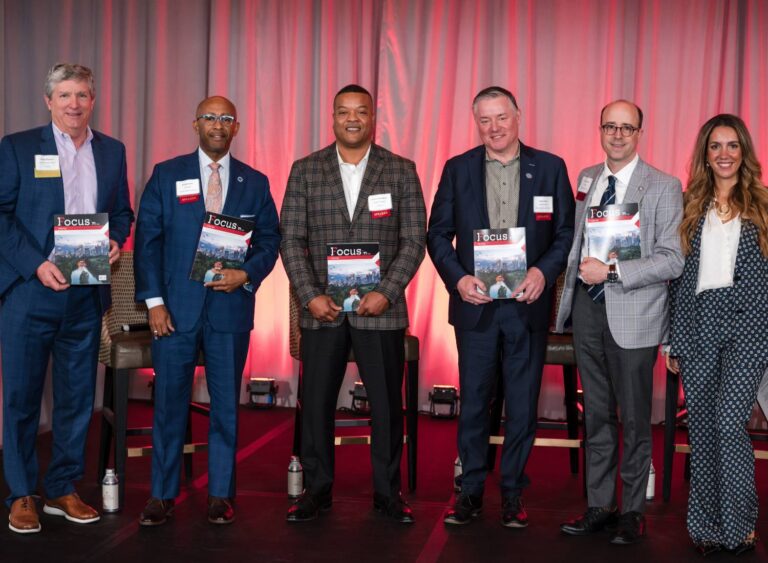







Stacey Moore, President, York Technical College
In an interview with Invest: Stacey Moore, president of York Technical College, shared why barriers to education besides tuition costs, such as childcare and food insecurity, must be addressed, how York Technical College integrates wellness into its workforce development offerings, and why it is infusing cybersecurity education into its programs.
What have been some significant milestones for York Technical College in the past year?
For us, the recovery following the pandemic has been strong, especially in terms of enrollment growth. We have seen continued expansion broadly, with significant growth in key programs vital for workforce development, such as healthcare and manufacturing. Our technical programs, in particular, are experiencing the most substantial increase compared to traditional university transfer courses.
There is a growing interest among students in shorter-term programs and stackable credentials, allowing them to enter and exit education at their pace. These programs are not only shorter but also more cost-effective, making them attractive options. We have been expanding our healthcare offerings, notably in nursing, radiology technology, and dental programs, in response to industry demand.
Additionally, we have introduced new programs and made advancements in cybersecurity and IT, aligning with the evolving needs of the workforce. Our primary mission remains focused on student success, and these developments reflect our commitment to providing relevant and accessible education opportunities.
How does York Technical College approach workforce development?
Our primary mission is student success, and a core aspect of that is workforce development. We are focused on creating a workforce culture centered on wellness, making it a cornerstone of our workplace environment. Wellness must be inescapable in our work, so we have implemented flexible work schedules and various fitness-related initiatives.
Additionally, we are working on fostering a strength-based culture, where we identify and maximize the strengths of our employees. By focusing on what our people do right, we aim to ensure that more employees can work from their strengths every day. We ask ourselves, what do they do right to maximize and work from strengths? This approach extends to our students as well, as we prioritize highlighting their strengths rather than focusing on shortcomings. It has been a critical focus for us, and we are seeing the benefits of working from our strengths firsthand.
How have initiatives that address affordability, such as the SC Wins and the No Cost tuition program, impacted students?
These initiatives have been absolute game changers for our students. As a community and technical college serving our region, it is crucial to ensure access to high-quality education and robust student services. The introduction of no-cost tuition for a two-year period, ending this summer, has been monumental. We were able to offer all our programs at no cost for South Carolina residents, thanks to a combination of state funding, college funds, and foundation contributions.
The incredible support from the state of South Carolina has been instrumental, with significant backing from the governor’s office and the legislature. The SC Wins scholarship, particularly for technical programs, covers the majority of education costs. This includes healthcare, manufacturing, and IT programs, ranging from healthcare studies to cybersecurity degrees. It is a true game changer, providing access to education without the burden of tuition fees for many of our students. While it does not cover all expenses like course materials, it significantly reduces the financial barrier to education.
How do you foster relationships with local businesses and organizations to create workforce opportunities and effectively address workforce needs?
Our mission is workforce development. This is why, from a global perspective, we consider workforce development to be everyone’s job. From our faculty members to our custodians, everyone plays a role in creating a welcoming and engaging environment at the college. We work together to help students succeed.
However, to ensure that this responsibility is managed effectively, we have an entire division dedicated to advancing workforce development because you know you can make it everybody’s responsibility, but then that defuses the responsibility. So, someone needs to be in charge of making that happen, and this is where our Division of Communications and External Relations comes in. This division encompasses fundraising, marketing, communications, and workforce and economic development. Its primary focus is to engage with businesses and industries constantly, staying informed about industry trends and needs.
This team handles apprenticeships, internships, and corporate training, while also gathering insights into industry developments. We regularly collaborate with advisory committees for each program, consisting of industry leaders who provide valuable feedback to update our curriculum.
Furthermore, our engagement with new companies leads to opportunities for large grants aimed at updating our training to align with specific industry requirements. For example, we are introducing training programs for electric vehicles in collaboration with industry partners.
We are always looking for synergies to introduce programs that cater to the needs of multiple companies. This ensures that our offerings remain relevant to the workforce. Without constant interaction with businesses and industries, the most important aspect of what we offer — relevance — would be lost.
What role does technology play in enhancing student learning and engagement, or in creating efficiencies for staff?
Technology is undeniably a significant force for positive change within our institution, and I personally find it incredibly exciting. AI is a constant source of dialog within our community, and this is a testament to its ever-evolving nature, with its potential benefits just beginning to emerge. Embracing various technological advancements, such as AI and virtual reality, has become integral to our educational programs, particularly in sectors like manufacturing, where innovation is rapid and constant.
However, keeping pace with these advancements across all fields poses a considerable challenge. For example, the need to incorporate cybersecurity education into many of our programs in ways that you did not have to in the past, from manufacturing to healthcare, highlights the evolving landscape of digital vulnerabilities. Furthermore, the introduction of entirely virtual spaces for healthcare education signifies both a thrilling frontier and a complex endeavor.
While technology offers boundless opportunities, it also presents challenges, particularly concerning cybersecurity and academic integrity. Some express concerns that AI could facilitate academic dishonesty by making it easier to cheat. As a result, we may need to change our teaching methods, our approaches and expectations of students. All of this helps us stay relevant and adapt to the times.
We are also discussing our “front porch” concept, aimed at creating a unified point of contact for students and industry. This involves both a virtual and an in-person front porch, ensuring there is no confusion about who to talk to and where to go. Behind the scenes, this requires seamless coordination of systems so that users do not need to worry about navigating multiple platforms. The experience should be intuitive and effortless, guiding users without requiring them to know the intricacies of our systems. This is a significant technological endeavor for us. We need to ensure that our systems are integrated to achieve greater efficiency and effectiveness in our work.
What are some of the barriers that students face in gaining an education, besides tuition costs?
Beyond tuition costs, we are acutely aware of the various barriers that students face, such as transportation limitations, childcare responsibilities, and food insecurity. These factors can significantly hinder their ability to access and succeed in education, ultimately impacting their families and future prospects.
While these issues may not fall within our core mission, we understand the imperative to address them. By working closely with community partners, we aim to create a more seamless and supportive environment for our students, ensuring that they have the resources and assistance they need to overcome these barriers and thrive in their educational pursuits. After all, our collective goal is to cultivate a skilled and empowered workforce that benefits both our community and society as a whole.