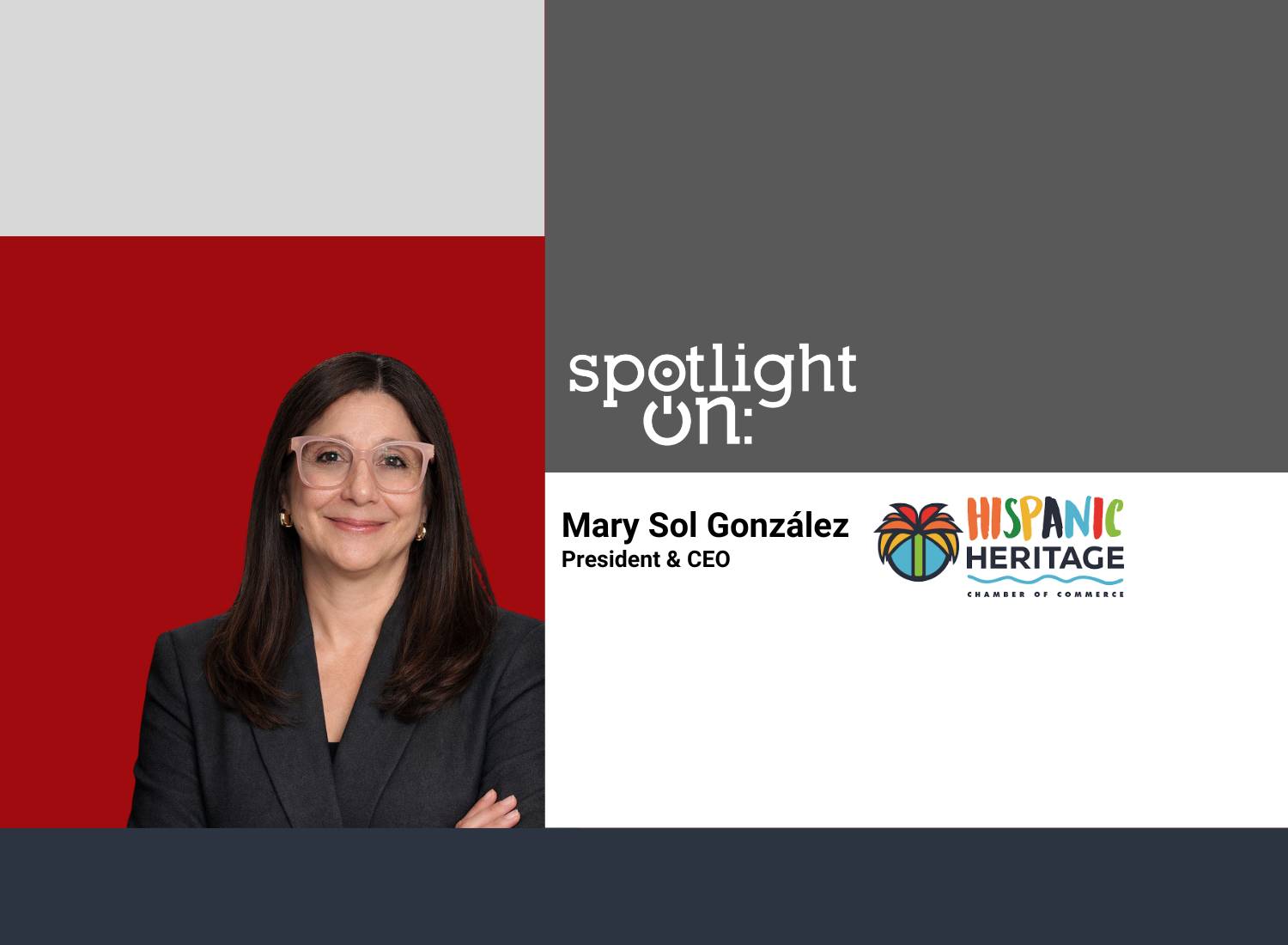






Suzanne Rivera, President, Macalester College
Macalester College President Suzanne Rivera sat down with Invest: to discuss her outlook for the school. She described the nature of Macalester, and how the school is uniquely positioned to remain an attractive, competitive option for prospective students.
What are a few key milestones achieved by Macalester College in the past 12 months?
The college is doing well, and our enrollment numbers are strong. We attract students from all over the world to our campus, based on the myriad opportunities we offer. Macalester boasts a liberal arts college experience on a small, nurturing campus, in a vibrant, metropolitan location. This combination of attributes is unique for an American college.
The higher education sector as a whole is under a great deal of pressure. A portion of this pressure corresponds with national trends, which encourage young people to explore alternatives to attending college as they question the value of higher education. This idea is troubling, because particularly in the United States we know that obtaining a bachelor’s degree is the most powerful lever of economic mobility. We are delighted that Macalester’s application numbers are up, and we are not facing the enrollment pressure that many other schools are under.
An additional avenue of pressure is felt on a national level in the form of political activism on campuses. We are seeing this play out in the media, but I am proud of the way Macalester has navigated these issues. Our students are passionate about making the world a better place, and they are engaged in social activism. It has been entirely peaceful and constructive. Other campuses are struggling with this balance, but I am proud that our students have been expressing themselves in a way that has been historically on-brand for Macalester.
In what ways has the college historically fostered an environment of political activism?
Activism by students is a long tradition in the United States. If you look at the origins of the Civil Rights Movement, the Anti-Vietnam War movement, or protests for women’s or LGBTQ rights, college students are often at the heart of that activism. We saw this again in the summer of 2020. George Floyd was murdered just miles from the Macalester campus, so we were at the center of our country’s broken heart that summer. Our students were on the front lines of the Black Lives Matter demonstrations.
If you take a historical perspective of the role colleges and universities have played in movements for social change in the United States, it shouldn’t surprise us that we are at a moment where the country is polarized, and that polarization is reflected in social activism happening on college campuses. I don’t believe the higher ed sector is creating the polarization but is instead reflecting the diversity of views in our country. Students and young people are traditionally change-makers. I think we are observing a continuation of that tradition as opposed to a new phenomenon. We take pride in the fact that our students are acting both passionately and compassionately at the same time.
In a time where the value of university degrees is being called into question, how are universities adapting to meet evolving student and market needs?
All higher education is facing strong headwinds at the moment. We are having to tackle ideologically-motivated challenges where some young people are being told college is not for them. In the United States, we are also experiencing a major demographic shift. In response to the economic downturn in 2008 and 2009, birth rates dropped off, and we are quickly going to see fewer 18-year-olds graduating from high school. There are predictions that we will see as high as a 20% decrease in students eligible to apply for college admission. This will contribute to the turbulence already felt across the higher education industry. Schools will need to start competing for students to fill their seats.
We will likely see closures of campuses, mergers and other forms of consolidation. This process is already occurring but will likely increase over time. The empirical data demonstrate that a four-year degree is the most important thing a person can do to improve their social and economic outcomes, as well as health, life expectancy, marital stability and overall happiness. All of these indicators are higher for those who earn a bachelor’s degree. This is why the ideological push to convince young people not to attend college is unfortunate because there is demonstrated ROI on a college degree, and employers report to us that the toolset Macalester provides is extremely helpful in the workforce.
To what do you attribute Macalester’s continued enrollment growth, despite the national decrease in enrollment rates?
Macalester operates from a position of strength for a few reasons. Firstly, we receive around 10,000 applications per year for around 550 spots. If you presume all applicants are perfectly qualified, that ensures we are able to assemble a vibrant class with national and international representation inclusive of athletes, poets, scientists and social activists, and this diversity is attractive to students.
We will continue to be a popular option because of our unique combination of attributes that are hard to find elsewhere. We are a small, nurturing liberal arts campus dedicated to being a living-learning community in a vibrant metropolitan area, with a longstanding commitment to internationalism and global citizenship. Further, Macalester prioritizes access. We are test-optional, have eliminated our application fee and provide support to low-income and first-generation students. Around 65% of our students receive need-based financial aid, including the international students.
How is Macalester updating its curricula to keep up with market demands?
We are in the second year of implementing a strategic plan that emphasizes the importance of curricular innovation to ensure we remain on the cutting edge of what students need and what employers want going forward. This involves implementing opportunities for internships, mentored research and experiential learning. We recognize the importance of students’ ability to apply the theories learned in the classroom by having hands-on opportunities outside the classroom. We also expand access through fundraising to make sure we can attract the best faculty from around the world. Macalester also plans to build a new residence hall and welcome center so that more of our students can live on campus.
Are there additional expansion or renovation projects planned in Macalester’s future?
We just renovated our campus center, which is where our main dining cafeteria is located. We have a comprehensive campus plan that describes five phases of renovation we plan to perform as part of our larger strategic plan, which is available for public viewing on the school’s website. The residence hall and welcome center is the most immediate new construction plan which will include a dorm that can house 250 students. The first floor will have a welcome center and admissions office, and a café that will be open to the public. It’s meant to be the new front door to the campus.
What is your outlook for Macalester College over the next few years?
Macalester’s outlook is positive. I feel confident that our strategic plan will allow us to compete successfully. Our goal is to remain irresistible to the students of tomorrow. Additionally, there are a series of initiatives I am proud of that are designed to give our students the tools to engage in respectful dialogue across differences– something our country really needs right now. This endeavor is described on our website.