







Tennessee’s expanding park system provides economic boost

Writer: Pablo Marquez
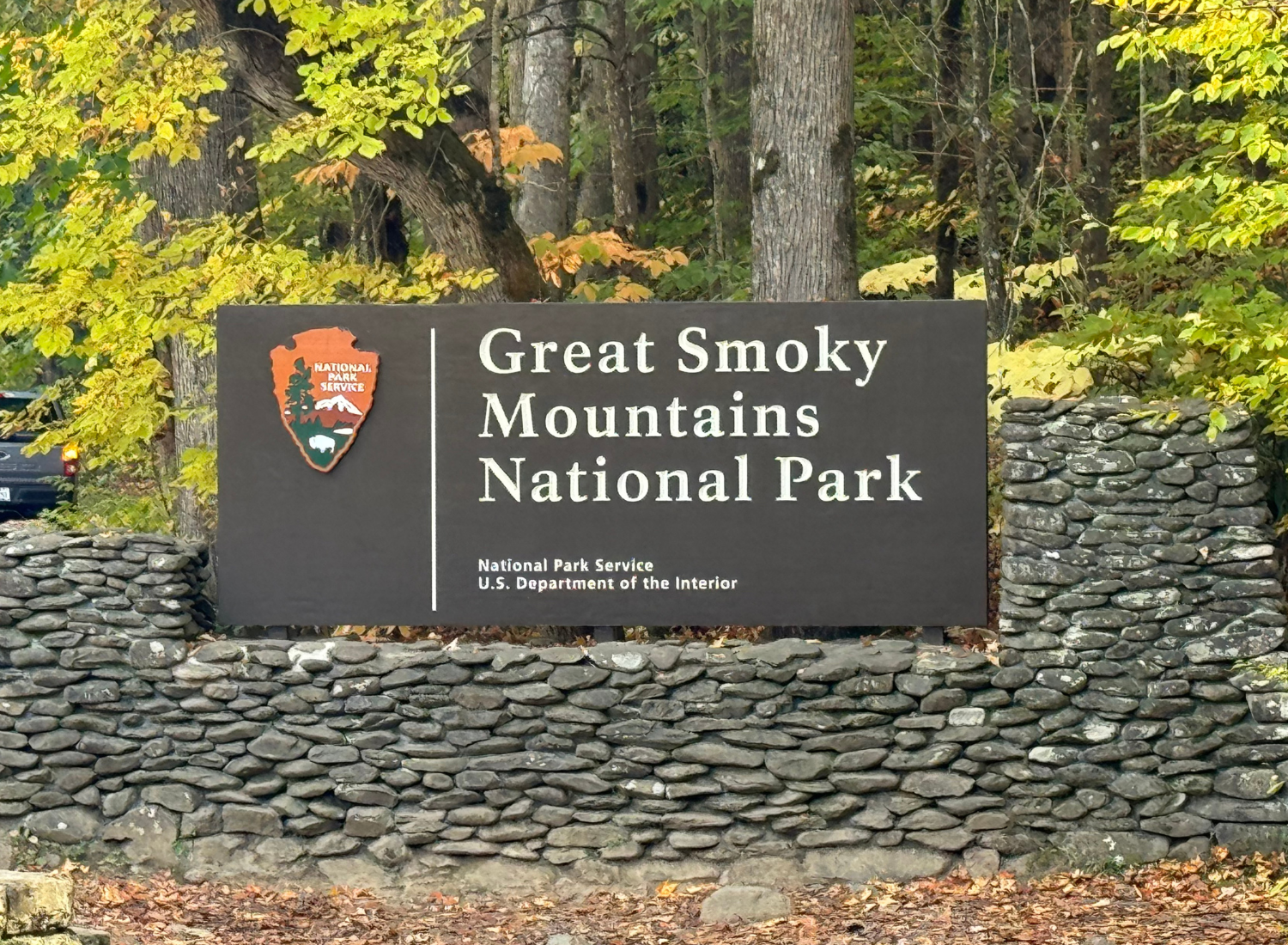 March 2025 — Tennessee’s national and state parks are more than scenic getaways as they drive billions of dollars in spending and thousands of jobs as a key economic engine across the Volunteer State. Despite recent layoffs to the state’s most sought-after national park, conservation and expansion efforts underway are supporting the state’s nature tourism and future growth.
“We are proud of the impact our state parks have on the Tennessee economy,” said David Salyers, commissioner of the Tennessee Department of Environment and Conservation in a recent report on state parks’ impact on the Tennessee economy.
According to data from the National Park Service, Tennessee ranks among the top states in several economic categories tied to park tourism. The state placed No. 6 in visitor spending ($1.4 billion), No. 6 in jobs supported by tourism (20,000 jobs), No. 5 in labor income generated ($832 million), and No. 4 in value added to the economy ($1.3 billion). These figures contribute to various sectors, such as lodging ($634 million), restaurants ($247 million), retail shopping ($142 million) and recreation industries ($135 million).
Additional data from Headwaters Economics for 2023 demonstrates the impact of Tennessee’s parks. The state recorded more than 10.5 million visits, generating $1.4 billion in visitor spending and supporting over 21,000 jobs with an overall income of $786 million. The Great Smoky Mountains National Park, located in Eastern Tennessee, was a top spending destination in 2023, as cited by the National Park Service Visitor Spending Effects Report. (Axios reported 12 Great Smoky Mountains National Park staffers were laid off following the Trump administration’s purge of federal workers.)
“Tennessee continues to invest in a conservation strategy for our state’s future, and Tennessee State Parks are a cornerstone of our efforts. Tennessee’s natural beauty and rich resources drive tourism and our economy, particularly in rural areas,” said Tennessee Gov. Bill Lee.
Gov. Lee’s conservation strategy expands the state’s park system and promotes economic growth, particularly in rural areas, while preserving natural resources. Tennessee State Parks remain free to enter, with new investments in park lodges and a strong commitment to enhancing accessibility by removing visitor barriers.
The economic impact of national parks cannot be overstated. Since the 1980s, America’s national parks have drawn visitors from across the globe, and despite a temporary decline in 2020 due to the COVID-19 pandemic, continue to be key contributors to local and state economies by fostering tourism and job creation.
Top image via Missvain/Wikimedia
For more information, please visit:
https://www.tn.gov/
https://headwaterseconomics.org/