






The hidden force behind Philadelphia’s growth is nonprofits

July 2025 — From chambers, hospitals, top-tier universities to grassroots organizations serving vulner+able communities, nonprofits are a cornerstone of Philadelphia’s economy. Often underestimated, these institutions collectively generate tens of billions in revenue, employ a significant portion of the city’s workforce, and deliver critical services that sustain both people and place.
“These organizations address critical community needs, making their success vital to the region,” Bernard Dagenais, president and CEO of The Main Line Chamber of Commerce, told Invest:.
Philadelphia is home to more than 3,000 registered nonprofit organizations. Together, they reported nearly $48.5 billion in revenue in their most recent filings — an amount equivalent to more than one-third of the city’s total gross domestic product, according to a 2025 fact sheet from The Pew Charitable Trusts. This economic presence extends well beyond finances though. As of 2022, nonprofits accounted for 30% of all private-sector jobs in the city, employing roughly 175,000 people.
“Many nonprofits are part of our chamber, and we work closely with groups like the Philadelphia Foundation and the Foundation for Delaware County to help them help others to achieve sustainability and growth,” said Dagenais.
Philadelphia’s nonprofit economy is anchored by its educational and healthcare institutions, which generate about 84% of all nonprofit revenue. Major players such as the University of Pennsylvania and its health system, which contribute an estimated $37.7 billion annually, alone supporting 106,600 jobs in Philadelphia. The Children’s Hospital of Philadelphia, Temple University, and Jefferson Health are important organizations that not only provide vital services but also act as neighborhood anchors and economic engines. Penn alone accounts for roughly 25% of total nonprofit revenue in the city.
The interconnectedness between nonprofit services and economic development is further aligned by organizations like the Global Philadelphia Association, which links local initiatives to a broader global framework. “My work involves positioning Philadelphia as a global city,” said president Zabeth Teelucksingh to Invest:. “This includes two important frameworks for Philadelphia that encourage people to think more about our city globally. Both of these frameworks originate from the United Nations — one is the Sustainable Development Goals, and the other is the World Heritage designation.”
Nonprofit revenue is primarily generated through fees for services. Among organizations filing the full Form 990, 72% of total revenue came from program services such as tuition and medical fees. An additional 10% came from government grants, and 8% from charitable contributions. According to statewide data, 68% of Pennsylvania nonprofits anticipate rising demand for services, while only 41% expect revenue growth — pointing to a widening funding gap.
Bridging this divide will require innovative public-private partnerships, stronger donor engagement, and policies that support sustainable operations for both large and small nonprofits.
While large institutions lean heavily on service revenue, smaller nonprofits, especially those in human services, depend on public funding and philanthropy.
“Often, people look to the government for support, but when that’s insecure, nonprofits like ours become even more vital,” Michael Balaban, president and CEO of the Jewish Federation of Greater Philadelphia, told Invest:.
“We’re fortunate to have leaders who understand community needs. I often describe myself as an ‘arm stretcher,’ especially when working with donors and business leaders—I ask them to dig deeper, because the needs have only grown,” said Balaban.
Despite headline figures dominated by billion-dollar institutions, Philadelphia’s nonprofit landscape is mostly made up of smaller organizations. The median revenue for nonprofits is just $334,796 annually, compared to an average of $16.1 million. These smaller nonprofits often address local needs, from food security to arts programming, yet remain more vulnerable to shifts in funding and policy.
Nonprofits employ a broad portion of Philadelphians in mission-driven roles. Health and social service organizations account for 57% of nonprofit jobs, while education-focused institutions represent 31%, according to Pew. These roles, including nurses, educators, and case workers, combine public service with economic mobility, making nonprofits an essential part of the region’s workforce pipeline.
Balaban also pointed to Philadelphia’s broader ecosystem of opportunity: “We’re home to world-class universities, major corporations, and a vibrant network of nonprofit partners. I often encourage people to think of Philadelphia not just as a destination, but as a growth corridor for the entire country. The potential here is real, and it’s rising.”
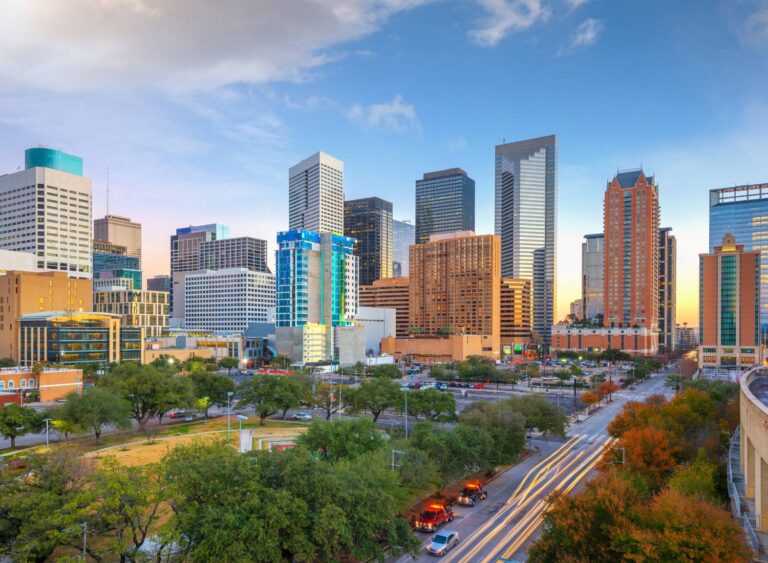
Top image via Pixabay
For more information, please visit:
https://globalphiladelphia.org/