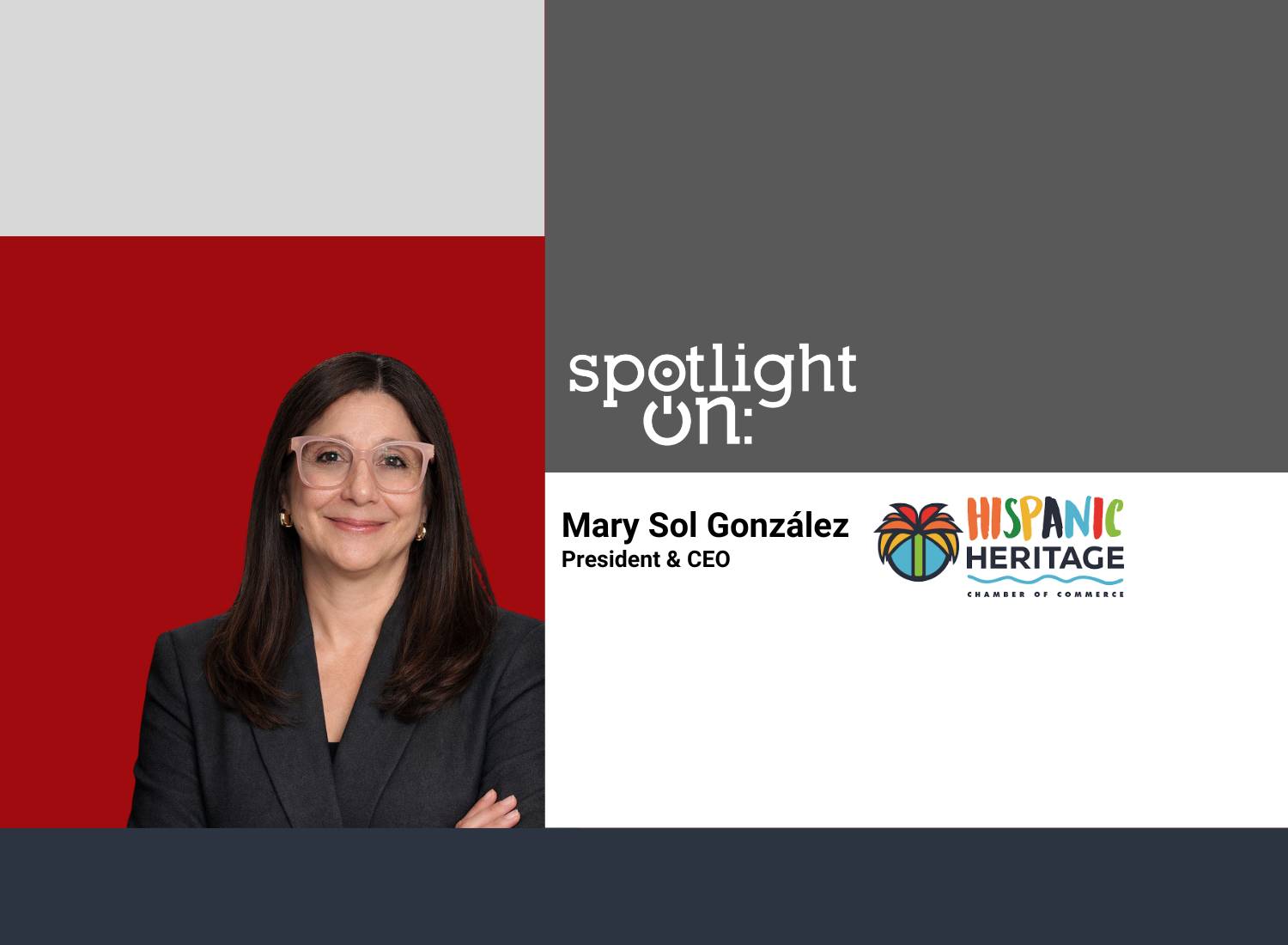






Tom Morrissette, President, Central Pinellas Chamber of Commerce
In an interview with Invest:, Tom Morrissette, president of the Central Pinellas Chamber of Commerce, emphasized the chamber’s focus on workforce development, storm recovery support, and partnerships to aid displaced workers. Key goals include boosting membership and addressing member priorities in sectors like healthcare, manufacturing, and housing affordability.
How is the chamber enhancing business resilience in Central Pinellas, given the recent storms?
Given our region’s vulnerability to hurricanes, the chamber has a well-established network of partnerships with agencies like the Sheriff’s Office and Pinellas County’s disaster recovery team, which allows us to respond quickly and efficiently. We have a process for outreach and resource coordination that has been in place for years, and recent storms have shown it’s highly effective. After each storm, we surveyed our members to assess operational status and support needs, and found that while physical damage was a challenge, job loss in affected sectors was even more significant, especially for those in hospitality. Many of these businesses on Clearwater, Madeira, and Treasure Island beaches are still closed, impacting workers who rely on them.
To address this, we’re collaborating with CareerSource Pinellas and CareerSource Tampa Bay to help affected workers find temporary or alternative employment. The timing is critical, as our winter tourism season approaches, and although some accommodations won’t reopen in time, we’re optimistic overall. Our diversified economy helps buffer against these disruptions, with strong sectors in manufacturing, healthcare, and finance, which allows some displaced workers to find opportunities outside of tourism. While recovery is ongoing and the tourism sector faces a slower rebound, we’re hopeful for a resilient season ahead.
Which sectors are experiencing the most growth in Pinellas?
Healthcare is leading in job growth. The demand for healthcare workers is high, with local institutions like PTC and Ultimate Medical Academy actively training and certifying workers to fill roles in facilities both here and throughout the region. Manufacturing remains strong as well. We’ve welcomed several new manufacturing companies, many with skilled roles, and are working with local colleges to establish certification programs so graduates can move directly into these jobs.
While hospitality is facing a temporary slowdown due to recent storm impacts, our diversified economy — anchored by healthcare, manufacturing, and finance — gives us resilience that not all regions enjoy. This diversity means that even as one sector faces challenges, others continue to provide employment opportunities, strengthening our overall economy.
How is the chamber addressing the demand for both industrial and residential spaces in Central Pinellas?
With limited available land in Pinellas, balancing industrial and residential needs is challenging. A recent state law now allows developers to convert commercially zoned land into residential without the usual zoning change requirements, which we’re monitoring closely. While this flexibility helps meet the housing demand, it can also reduce the land available for future economic development. Housing availability is especially tight after recent storms, which destroyed a significant portion of our housing stock. Many residents now face high rebuilding costs under new regulations, and some are opting to sell their land instead of rebuilding, adding further pressure on the housing market.
We understand the importance of providing housing options for all residents while ensuring space for economic expansion. Our goal is to maintain a healthy balance so that Pinellas remains both a great place to live and a thriving economic hub.
How is the chamber addressing workforce challenges and rising costs of living to support local businesses?
Workforce remains a pressing issue here, and we’ve long prioritized partnerships with educational institutions to help bridge the skills gap. We’re working closely with Pinellas Tech and the National Aviation Academy, whose president serves as our board chair, to ensure that training aligns directly with job needs. Our team has been consistently pairing manufacturers with these schools to develop certification programs tailored to employers’ requirements, which has been very successful. CareerSource Tampa Bay is also stepping in to meet workforce training needs, which is essential as staffing remains a constant challenge.
One growing concern, however, is the rising cost of living. Housing, property insurance, and general expenses have increased, making it harder to attract talent. This shift means that while Florida was once considered a low-cost relocation destination, some recruits are now reconsidering due to expenses. Addressing affordability is something we’re keeping an eye on as we continue to support our member businesses with their workforce needs.
How is the chamber involved in transportation improvements, and how is the recent SunRunner launch making an impact?
The new SunRunner service in St. Pete has minimal impact on our area directly, but traffic and transit remain significant concerns. Pinellas is the most densely populated county in Florida, and mobility will always be a challenge here. We work closely with the Pinellas Transit Authority, which regularly participates in our business development meetings to share updates and discuss solutions. While funding is limited, they’re doing what they can to address mobility needs.
Rideshare options have helped somewhat, but congestion is a reality we all contend with. It’s become part of life here, similar to other urban areas, and while the chamber is advocating for improvements, we recognize that traffic is something many regions across the country are experiencing as well.
What initiatives or programs are in place to support local entrepreneurs and small businesses?
One of our core initiatives has been through our Business Development and Advocacy Committee, where we’ve focused on fostering a stronger connection between local education and the business community. Over the past few years, we’ve created programs that bring educators and business leaders together, allowing them to discuss workforce needs and opportunities to train students in areas where local industries are growing. This dialog has helped reshape the approach, particularly around vocational and technical training, which wasn’t always prioritized. We’re showing young students, even at the middle school level, that career paths in manufacturing or technical fields are available, viable, and rewarding.
A standout example of this work is our relationship with institutions like the National Aviation Academy, led by our board member Pam Van Zandt. Their graduates enter fields like aviation mechanics, trained through intensive 18-month programs with a nearly 100% placement rate — companies like Boeing hire graduates right out of training. By emphasizing these programs and connecting educational leaders with the business community, we’re creating a pipeline that supports local businesses while providing excellent opportunities for local talent. The chamber will continue investing in these partnerships, as they’re making a real impact in meeting workforce demands and supporting local economic growth.
What’s your overall outlook for the Central Pinellas business community, and what are your top goals for the chamber over the next few years?
I’m optimistic about the growth prospects here, particularly in sectors like manufacturing, healthcare, and finance, which continue to be solid and show steady expansion. One of our key goals is to restore our chamber membership numbers to pre-COVID levels. Despite the time that’s passed since the pandemic, we’re still working to rebuild some of the connections that were disrupted when face-to-face interactions weren’t possible. COVID had a significant impact, and it’s been challenging to bring some of our former members back into the fold, but we’re working actively with our volunteer teams to make it happen and to rebuild those relationships. We’re also focusing on the evolving needs of our community, whether that’s helping businesses recover from recent hurricanes or improving our digital presence with a more interactive website to meet modern expectations.
We’re excited about several upcoming initiatives, especially our annual economic forecast event, which is a signature event for the chamber. This year’s focus will be on “Economic Forecast 2025: After the Storms,” where we’ll address topics like property insurance, real estate, and construction — all of which are top concerns for our members right now. It’s crucial to listen to our members’ needs and provide relevant programs and support. We have a solid lineup, and we’re looking forward to offering tools and insights that help keep the Central Pinellas business community resilient and thriving.