






Well-being and innovation define the future of K-12
August 2025 — As schools across the country prepare for the new academic year, a shift in priorities has taken hold. From AI adoption and mental health to digital literacy and cross-cultural learning, schools are reimagining what it means to equip students for the future. With technology becoming a cornerstone of K-12 strategy, schools are using it to enhance learning and improve mental health support.
U.S. school districts invested more than $81 million in mental health technology over the past year, reaching more than 660,000 students, according to a recent NationGraph analysis. Spending per student ranged widely, from $28 in some districts to nearly $1,000 in others. The data suggested a broader shift in financial priorities, with many districts integrating telehealth platforms, crisis response systems, and early screening tools into long mental-health strategies.
In Pennsylvania, public and private K-12 schools are receiving targeted support through state-led initiatives. The Shapiro-Davis administration awarded nearly $275 million in school safety and mental health grants in 2024 alone, helping districts upgrade physical security and expand wellness programs. Unlike the technology-driven investments tracked by NationGraph, these grants often focus on infrastructure improvements and staffing, laying the groundwork for more comprehensive student support and systems across the state.
Technology integration is also accelerating in the classroom, but not without skepticism. A recent global survey found that while 68% of educators are using or planning to use generative AI within the year, only a minority believe it will help solve persistent challenges such as student mental health or behavioral issues. Instead, the majority see its role in test preparation, translation, and admin efficiency.
Responding with a balance of pragmatism and long-term vision, K-12 leaders are rethinking how schools prepare students for a rapidly changing world. Invest: spoke with four heads of school who are navigating this evolving landscape, addressing everything from AI and digital boundaries to mental health, global citizenship, and the lifelong skills students need to thrive beyond the classroom. Their approaches vary, but they share a common goal: to build learning environments that are relevant, supportive and grounded in purpose.
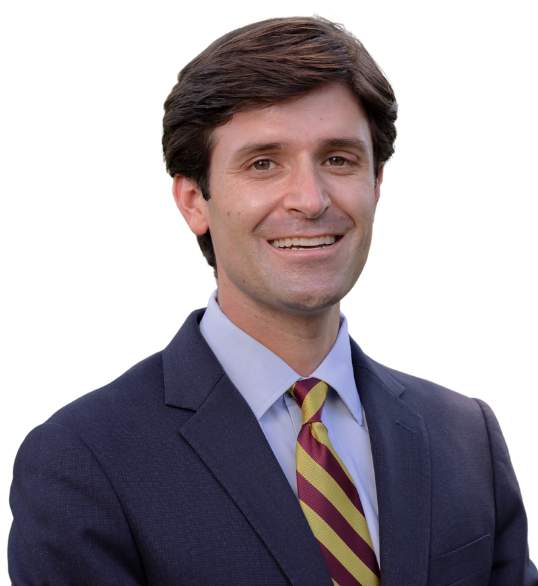 Tyler Casertano, Head of School, The Haverford School
We approach technology by first understanding how a boy’s brain is developing. We only introduce tools that enhance, rather than impede, that growth. Our aim is to teach boys how to learn, analyze, and collaborate so they can adapt to tools that don’t even exist yet. While some students use AI for prototyping or idea generation, we emphasize the importance of critical analysis and synthesis. The usefulness of AI depends on the quality of the questions asked and the depth of understanding the student brings to it. We want students to see AI as a tool, not the endpoint. Faculty are also exploring how AI can streamline administrative tasks, freeing up time for the human work only teachers can do, such as connecting, guiding, and mentoring.
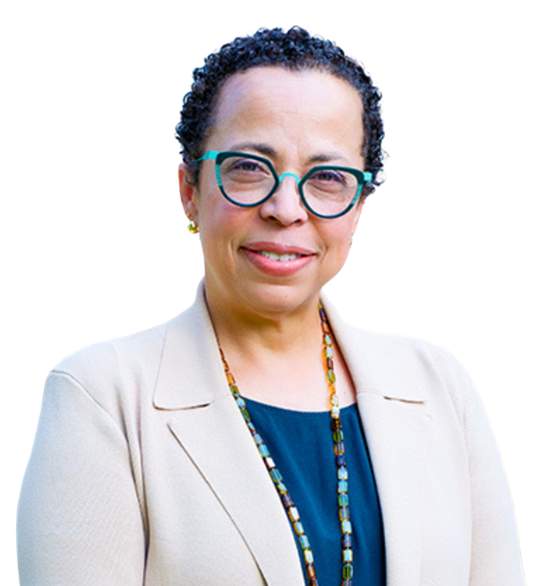 Nicole Hood, Head of School, Abington Friends School
Schools everywhere are grappling with how to handle emerging technologies, from AI to social media and cell phones. At AFS, the Fourth Century Center leads our faculty development. This year’s focus is on technology’s place in education.
My thinking on AI has changed quickly. Eighteen months ago, I saw no use for it. Now, even as a strong writer, I see how it helps refine communication more efficiently. We’re introducing it thoughtfully, helping students understand when and how its use is appropriate — a key aspect of digital literacy.
Cell phones are also a major focus. Two years ago, banning them in high school felt impossible. Then Jonathan Haidt’s The Anxious Generation sparked a national conversation.
Our approach has been thoughtful and evidence-based. Through our inquiry lab, we’ve piloted phone-free days and gathered student feedback. Many now see that phones aren’t always serving them well. We haven’t made a final decision, but we’re exploring what a phone-free high school might look like. In middle and lower school, phones are already out of use during the day.
These are the kinds of questions we’re actively working through, and they’re just as relevant across the wider educational landscape.
 Laura Hotchkiss, Head of School, Academy of Notre Dame de Namur
Our Center for Global Leadership is both curricular and extracurricular, involving connecting teachers around the globe and building cross-cultural competency so our girls understand what happens in other parts of the world and can be aware, global citizens. For instance, we talked with a sister school in Argentina about what elections look like there and what issues are top of mind for voters. There are several components to the program, including pen-pals, virtual classrooms, and travel opportunities, each designed with attention to service and leadership. This year, students traveled to the Netherlands for the Model United Nations Youth Conference, to New Orleans for service, and to Argentina for a student exchange with one of our sister schools.
College is certainly on the minds of our students from their sophomore year. Our graduates attend universities all over the globe. We have over 98% of the class of 2024 who were accepted to their top college choice. The girls are happy with their choices, which is the result of hard work and support from the college counseling team to make sure the students identify a path beyond Notre Dame that really fits what they want to do. We have many students who are interested in STEM, nursing, journalism, finance, and marketing, and you will see students looking for institutions that have missions aligned with their values and goals.
 Gregory Martin, Head of School, Woodlynde School
Our mission centers on two key ideas: empowerment and service. We aim to help students develop two essential outcomes — self-advocacy and strategic thinking. This year offered many examples of students embracing those values. Just today, we held our talent show. One of our seniors began the morning with his senior speech. He shared how sports, which he hadn’t pursued before, became a meaningful part of his journey. It helped him gain confidence and advocacy skills. He also performed in the show’s finale.
At Woodlynde, every adult contributes to student growth. That song felt especially fitting. For many students, even getting to school can feel like climbing a mountain. This same student also contributes to Woodlynde Weekly, our student news program. He’s built strong relationships with both staff and faculty, reflecting our belief that every part of school life is a learning opportunity.
He’s learning to advocate for himself, something he’ll need in the workforce, in college, and in life. That kind of personal growth embodies what our mission sets out to achieve.
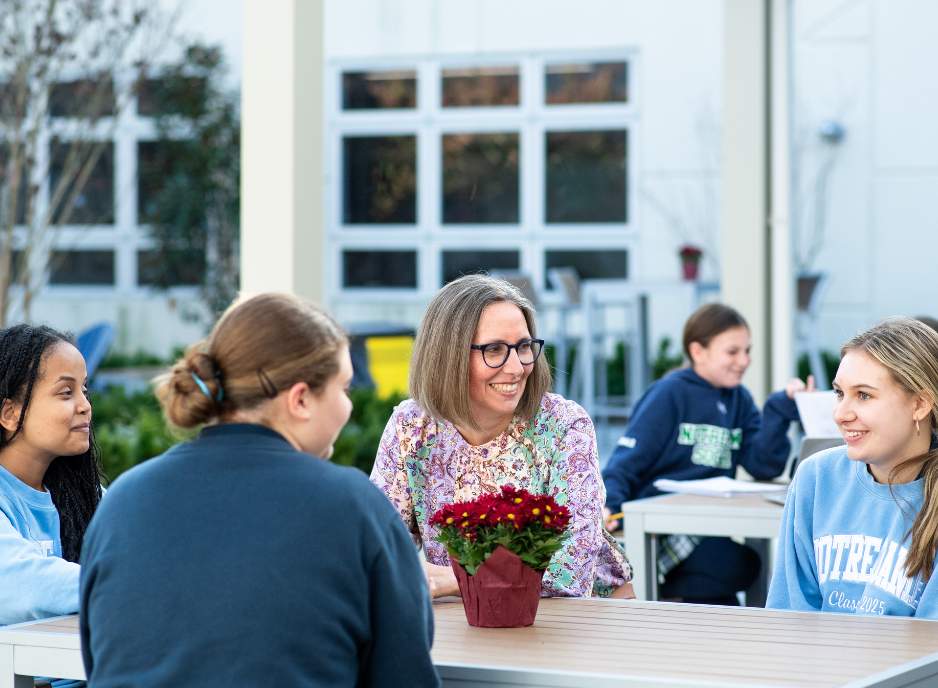
Top image provided by Academy of Notre Dame de Namu
For more information, please visit: