







What a second Trump presidency means for U.S. businesses
Writer: Ryan Gandolfo
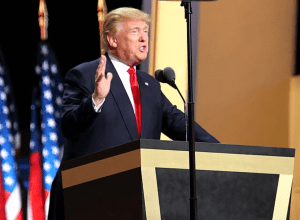 2 min read November 2024 — After pulling off a “historic comeback,” Donald Trump is set to become the 47th president of the United States — and with his next administration, businesses can expect a continuation of a more business friendly tax climate along with a harsher trade environment.
In Trump’s second term as the chief executive, he’ll look to bring further tax relief to U.S. businesses. “We’re gonna be reducing taxes,” he said to his supporters in Palm Beach early Wednesday after declaring victory over Vice President Kamala Harris in the 2024 Presidential Election.
One of the key tax policy initiatives Trump introduced during his first presidential term from 2017 to 2021 was the 2017 Tax Cuts and Jobs Act (TCJA), which included cutting the maximum corporate income tax rate to 21%. Trump has floated further reducing the tax rate for the country’s biggest corporations to 15% during his next administration through a move to make most of the TCJA changes permanent.
According to estimates from the Tax Foundation, Trump’s tax proposals would increase long-run Gross Domestic Product (GDP) by 0.8%, capital stock by 1.7%, wages by 0.8%, and raise employment by 597,000 full-time equivalent (FTE) jobs.
Meanwhile, the budget deficit is expected to increase by up to $3 trillion over the next decade, resulting from reduced tax revenue. (The current federal government deficit is $1.83 trillion.) Some of the key TCJA changes that could be made permanent in the next presidential term include R&D expensing, EBITDA-based interest limitation, and 100% bonus depreciation (effective Jan. 1, 2026).
Exemptions for individuals on tips, social security benefits, and overtime pay from income taxes are estimated to lead to a 0.4% increase in GDP.
According to the Tax Foundation, some of Trump’s tax proposals are considered efficient ways to bring about long-run economic growth while others would weaken the structure of the tax code.
To offset the cost of tax cuts, Trump has proposed significant import tariffs, including a universal 10-20% tariff on all imports. Additionally, Trump has expressed intent on raising the tariff on imports from mainland China to 60% — a notable shift from the current weighted-average tariff rate of about 10%. A similar stance has been made on Mexican-made goods, with the president-elect threatening a 100% tariff, which could throw a wrench in the trade deal he made with the southern neighbor during his first term, Inc. reported.
Estimated effects of Trump’s tariff changes would lead to a 1.7% reduction in GDP, factoring in potential foreign retaliation to U.S. imposed tariffs. A 2023 International Monetary Fund Working Paper found that larger countries have a tendency to retaliate more, particularly during periods of higher unemployment. (European Union unemployment was at 5.9% in September 2024, trending significantly lower over the past decade.)
“Implementation is uncertain, but if enacted, such policies could reinforce geopolitical and economic fragmentation, which is a structural force we see keeping inflation higher in the medium term,” said Catherine Kress, head of geopolitical research and strategy at BlackRock Investment Institute.
Following the election, the Federal Reserve continued cuts to its key interest rate Thursday by 0.25 points to 4.75%, down from its recent high of 5.5%. According to Fed Chair Jerome Powell, “the election will have no effects on our (interest rate) decisions” in the near term.
Many U.S. small businesses have been taking a wait-and-see approach to the election results. And with the victor declared, time will tell how the corporate tax rate cut offsets a more protectionist trade approach and possibly eliminating the Affordable Care Act (ACA).
In an interview with CNBC last month, Constellation Brands CEO Bill Newland noted the company’s strong performance during Trump’s first term, while downplaying tariff impacts. “We already had four years of a Trump administration, and our business was up double-digit during that window of time,” said Newland, who oversees popular alcoholic brands, including Modelo and Corona, which are imported from Mexico. “We have a fair amount of our inputs that come from the United States and then are made into beer in Mexico. I highly doubt any perspective on tariffs would really be around: How do you hurt the American farmer?”
Image via Ali Shaker /Wikimedia
For more information, please visit: