







10 reasons to live and do business in Tampa Bay

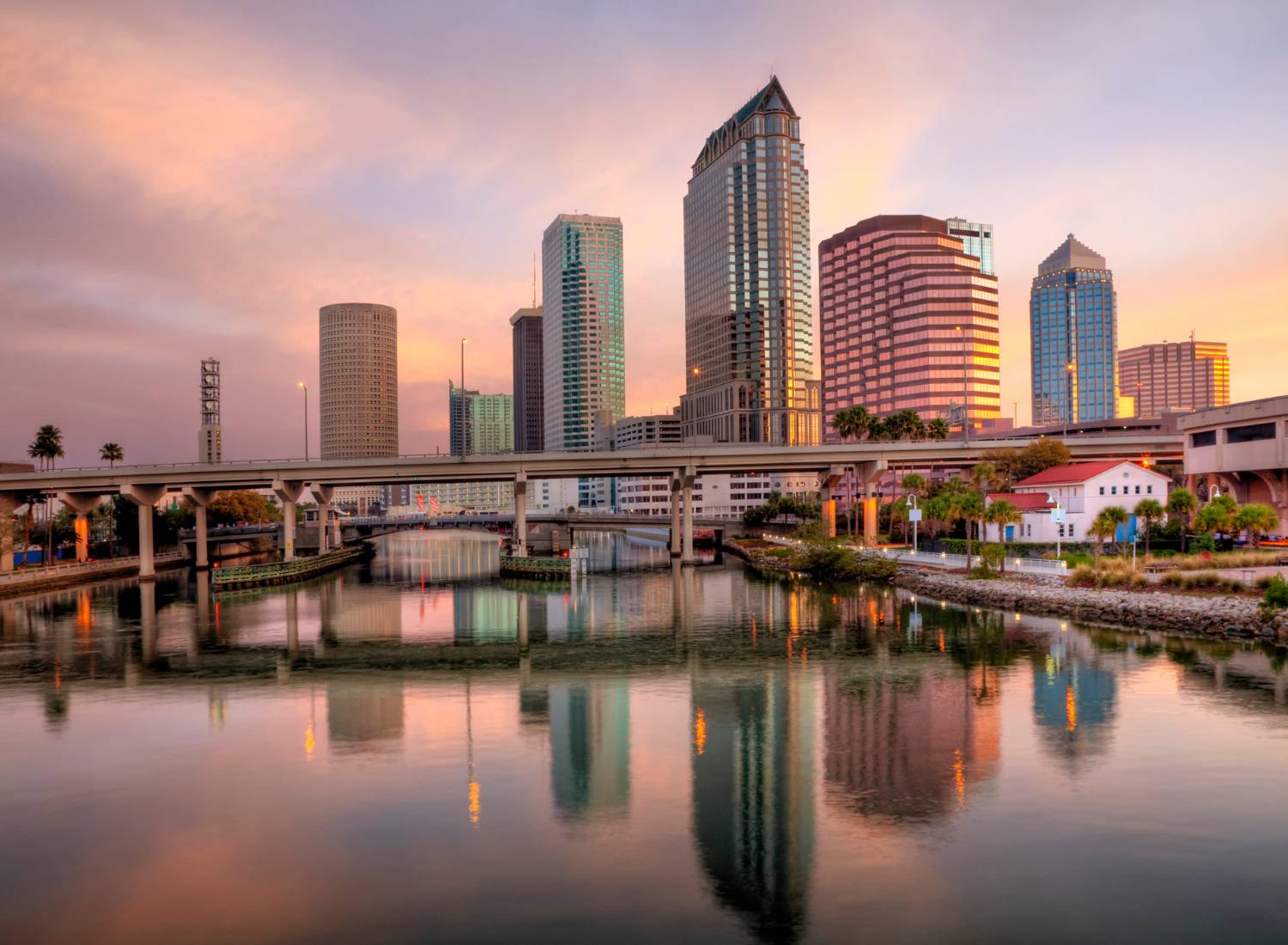 Tampa Bay is increasingly being chosen, not just discovered. As companies and leaders reassess where they want to operate over the long term, the region is showing up less as a secondary option and more as a deliberate one. Decisions to relocate, expand, or invest here are being driven by fundamentals rather than trends.
Join us at caa’s upcoming leadership summits! These premier events bring together hundreds of public and private sector leaders to discuss the challenges and opportunities for businesses and investors. Find the next summit in a city near you!
A combination of population growth, cost advantages, infrastructure, and coordinated regional leadership has helped Tampa Bay build momentum across multiple sectors. Just as important, the region offers a living and working environment that supports both business performance and talent retention.
Below are 10 factors helping explain why Tampa Bay continues to attract executives, entrepreneurs, and investors alike.
1. A Business Climate Built for Growth
According to Tax Foundation, Florida’s pro-business tax structure — including no state personal income tax and a 5.5% corporate income tax rate — continues to be a major draw for executives and entrepreneurs. According to U.S. News & World Report, Florida ranks as the top U.S. state for net domestic migration, adding hundreds of thousands of new residents annually, many of them working-age professionals and business owners.
In Tampa Bay, this advantage is reinforced by a dense network of chambers, EDCs, and public-private partnerships that support expansion, site selection, and workforce alignment. The result is a region where companies benefit from lower overall operating costs, faster scaling, and greater long-term predictability compared to higher-tax, higher-cost metros.
2. Sustained Population Growth That Fuels Demand
The Tampa Bay metro area is home to more than 3 million residents, with population growth consistently outpacing the national average over the past decade. This growth supports expanding consumer demand, housing development, healthcare utilization, and business services.
For companies, sustained in-migration translates into long-term market depth — not just a growing workforce, but a growing customer base that supports expansion across multiple sectors.
3. A Deepening and Diversifying Talent Pipeline
Tampa Bay’s population growth is supported by a strong higher-education ecosystem. The University of South Florida — part of the region’s higher education ecosystem — serves more than 50,000 students annually across its campuses in Tampa, St. Petersburg, and Sarasota-Manatee, while the University of Tampa, St. Petersburg College, and other institutions contribute tens of thousands of graduates each year.
The region continues to attract young professionals, remote workers, and relocating families, expanding the talent pool across technology, healthcare, financial services, logistics, and professional services — sectors that have posted steady employment gains locally.
4. Strategic Location with Global Connectivity
Tampa Bay’s infrastructure plays a central role in its economic competitiveness. Tampa International Airport serves more than 20 million passengers annually and consistently ranks among the top U.S. airports for customer satisfaction, supporting both corporate travel and international access.
This connectivity strengthens Tampa Bay’s appeal for headquarters, regional offices, and globally connected businesses.
5. A Logistics and Trade Gateway
According to the Tampa Bay Business Journal, Port Tampa Bay is Florida’s largest port by tonnage, handling more than 30 million tons of cargo, including energy products, construction materials, bulk commodities, and containerized freight. The port plays a critical role in supplying Central Florida’s growing population and supporting large-scale development activity across the region.
Beyond cargo volume, Port Tampa Bay functions as a multi-modal economic engine, supporting thousands of direct and indirect jobs and generating billions of dollars in economic impact.
6. A Diversified and Resilient Economic Base
Tampa Bay benefits from a diverse industry mix spanning healthcare, financial services, technology, defense, logistics, tourism, and professional services. No single sector dominates the regional economy, helping buffer the region during economic slowdowns.
This diversification supports more stable job growth and provides companies with access to cross-sector partnerships, clients, and talent.
7. Competitive Cost Structure Compared to Peer Markets
While costs have risen with demand, Tampa Bay remains more affordable than many peer metros, including Miami, Austin, and several West Coast markets. According to Payscale, the overall cost of living remains near or slightly below the national average, depending on location within the region.
For employers, this helps moderate wage inflation while remaining competitive. For employees, it makes relocation and long-term settlement more feasible — a critical factor for retention.
8. Quality of Life That Supports Talent Retention
Beyond affordability, Tampa Bay offers a lifestyle that supports workforce stability. Year-round outdoor access, waterfront living, professional sports, and a growing cultural and culinary scene contribute to strong talent retention metrics, particularly among mid-career professionals and families.
As remote and hybrid work persist, quality of life has become a measurable economic advantage, not just a lifestyle benefit.
9. Strong Public–Private Alignment
Tampa Bay’s growth is supported by consistent collaboration among local governments, EDCs, chambers of commerce, and major employers. This alignment accelerates decision-making around infrastructure, workforce training, and site selection, reducing friction for companies entering or expanding in the market.
For investors and operators, this cooperation lowers execution risk and improves time-to-market.
10. A Region Investing in its Future
Tampa Bay continues to see billions of dollars in public and private investment across infrastructure, healthcare expansion, downtown redevelopment, innovation districts, and resilience initiatives. Major projects across Tampa, St. Petersburg, and surrounding communities reflect a shared focus on long-term competitiveness rather than short-term growth.
These investments are helping diversify the economy, strengthen core industries, and prepare the region for future population and business growth — signaling a market focused on durability, adaptability, and sustained performance.
Want more? Read the Invest: Tampa Bay report.
Subscribe to Our Newsletters