 Invest: sat down with Jerry Demings, mayor of Orange County, to discuss record tourism, fast-moving population growth, and the infrastructure investments and diversification efforts designed to protect quality of life. “As goes Orange County, so does the entire region,” Demings said.
How would you characterize Orange County’s performance as a growing economic and population center?
Orange County continues to grow. The most recent full-year figures show our population at about 1,556,000, and that sustained in-migration creates real pressure on infrastructure and public services.
Growth has strengthened our economic vitality. We remain the top tourist destination in North America and one of the Top 5 in the world. Last year, we welcomed more than 75 million visitors, and hospitality and tourism generated an estimated $95.4 billion in economic impact.
Tourism also produces revenue that we can reinvest. Through our hotel tax, paid by visitors staying in our hotels, we had a record year, bringing in more than $385 million. We use those funds to reinvest in the visitor economy, expand our convention and sports facilities, and keep the destination competitive.
We have a few major projects already underway: a $560 million expansion of the Orange County Convention Center, which is among the three largest convention centers in the United States; a $400 million expansion and renovation of Camping World Stadium with the city of Orlando; more than $200 million in upgrades to our downtown Orlando arena, the Kia Center; and a $90 million investment tied to an expansion of the stadium at the University of Central Florida. These investments support year-round demand, create new experiences, and continue to attract major events, conferences, and investment that ripple into small businesses and local employment.
How are you adapting your strategies to meet new trends in transportation, affordability, workforce access, and related priorities?
We are diversifying the economy while continuing to strengthen tourism. One emerging focus is advanced air mobility. The technology exists today, and we are working to position the Orlando International Airport as a test site, in coordination with the Federal Aviation Administration, to support testing of aircraft that will make short regional trips, including pilotless aircraft.
We are also preparing for growth in semiconductors. In neighboring Osceola County, the NeoCity area is attracting semiconductor manufacturing investment, and that activity will have meaningful spillover benefits for Orange County and Central Florida.
Another long-standing strength is modeling, simulation, and training. We have more than $7 billion in Department of Defense procurement connected to this work, much of it tied to Research Park near the University of Central Florida, where industry and government partners are advancing training capabilities.
Healthcare is also expanding rapidly. We now have three medical schools in our community: the University of Central Florida College of Medicine; the Florida State University College of Medicine at Orlando; and the Orlando College of Osteopathic Medicine, located in west Orange County. That pipeline supports growth across the healthcare sector.
Major systems like AdventHealth and Orlando Health have expanded significantly, including opening new freestanding emergency centers that can improve access to emergency services throughout the county and region. We are also producing more healthcare professionals through nursing and related programs, which are essential to meeting demand.
On transportation, we created the Accelerated Transportation Safety Program, a five-year, $100 million commitment to improve pedestrian safety, upgrade lighting, enhance safety features at high-traffic intersections, and strengthen connectivity across trails and bicycle networks. It also supports better interoperability between city and county traffic engineering systems so signals and transit-related systems communicate more effectively.
From these priorities, what do you consider to be the major challenges, and how are you working with partners to navigate them?
Managing growth is the biggest challenge. Growth requires new infrastructure, but residents also care deeply about how we protect the environment while we expand.
The Board of County Commissioners has made a $100 million, five-year commitment to buy preservation land. We also created the county’s first chief sustainability and resiliency officer role, with staff support, to work across departments and with community partners on sustainability priorities.
Through our utilities department, we have implemented the largest floating solar array in the Southeast. We are also investing in alternative energy, protecting our aquifer, and improving water quality.
We have adopted regulatory provisions designed to protect water bodies, including reducing impacts associated with septic tanks. We have a program to convert septic systems to sewer connections so that, as we grow, we are not continuing to degrade water bodies. We also maintain an air quality monitoring system to continuously gather data and better understand environmental impacts over time.
Traffic congestion is another pressure point. Between visitation and population growth, traffic is increasing, and we are exploring alternative funding methods to expand SunRail. We also want to improve connectivity between key destinations, including better links between the airport and the tourism corridor through public-private efforts.
Housing affordability is also a major concern. We created a locally controlled housing trust fund and committed at least $160 million over 10 years to stimulate workforce and affordable housing.
Partnerships are essential. We have partnered with Universal Orlando Resort on a 1,000-unit workforce housing development in the tourism corridor near International Drive. Disney is also developing a 1,400-unit workforce affordable housing project near its footprint.
We are working with Habitat for Humanity as well, on the construction of new homes. Orange County contributes land from our surplus county lots, and Habitat works with construction partners and lenders to keep costs down. Qualified residents can contribute sweat equity, which helps create attainable ownership opportunities for low-income and very low-income households.
We are also focusing on “the missing middle.” We have updated regulations to allow accessory dwelling units, sometimes called garage apartments or granny flats, to increase options and add supply in ways that can help reduce cost pressures.
Workforce development is tied to all of it. We are partnering with CareerSource Central Florida and private-sector employers to build job skills pathways, including technology-focused apprenticeships that allow people to earn while they learn and move into roles that pay well without requiring a four-year degree.
Looking ahead, what other developments will shape the region’s trajectory?
Space and aerospace remain major regional strengths. NASA and the Kennedy Space Center are part of the broader ecosystem, and the University of Central Florida supplies significant talent that supports NASA and private partners. We are seeing continued investment from Blue Origin and others, along with ongoing activity tied to satellite deployment and launches.
We are also seeing continued investment tied to the theme parks and the visitor economy, which helps sustain demand and local revenues. As goes Orange County, so does the entire region, and our focus is to keep growing the economy while protecting what makes this community work for residents and businesses.
We are also approaching a period of leadership transition locally. My term will conclude due to term limits, and voters will also see an expansion of the county commission, which will reshape governance and priorities in the years ahead.
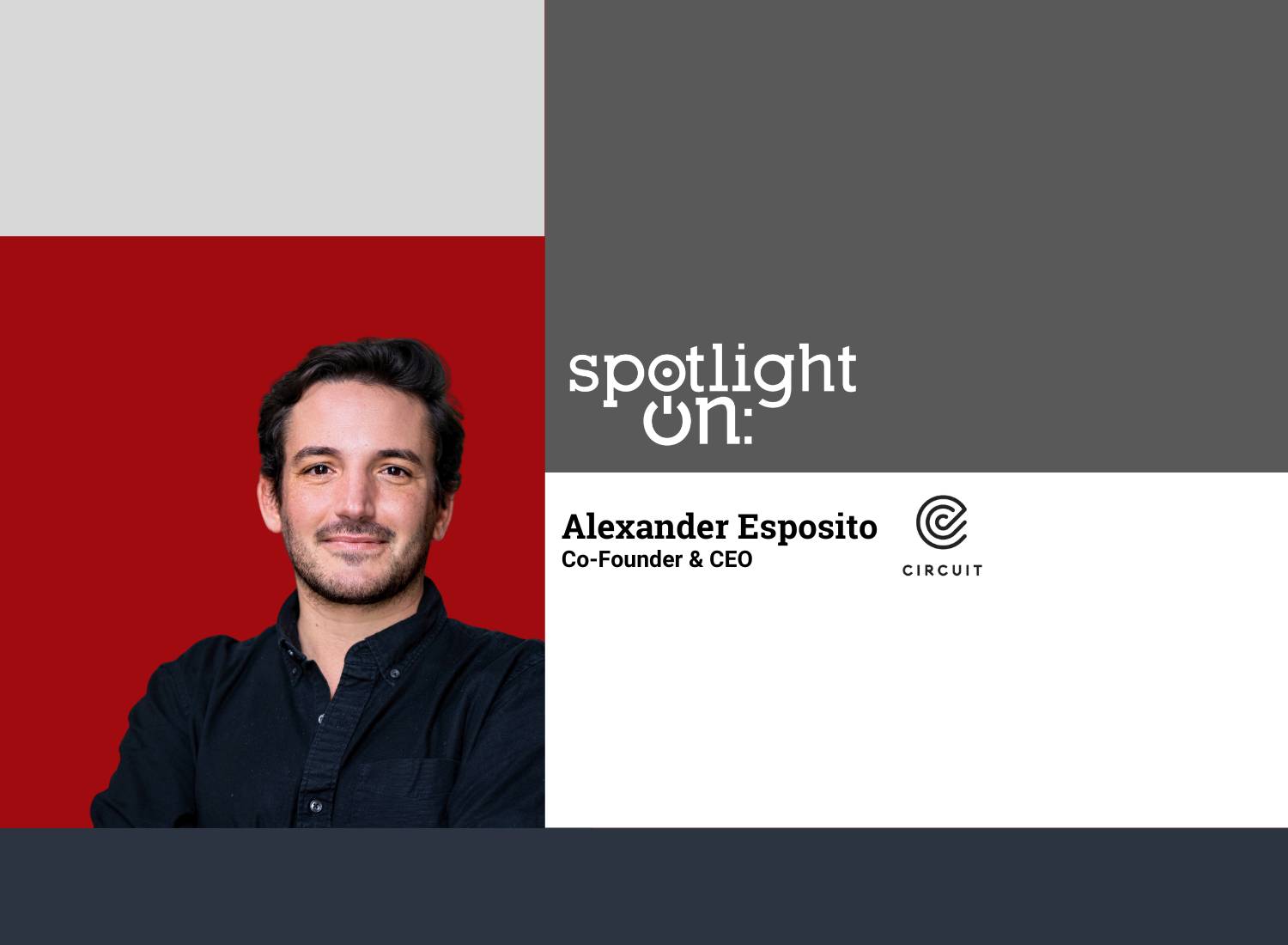
 April 2026 — Invest: spoke with Alexander Esposito, co-founder and CEO of
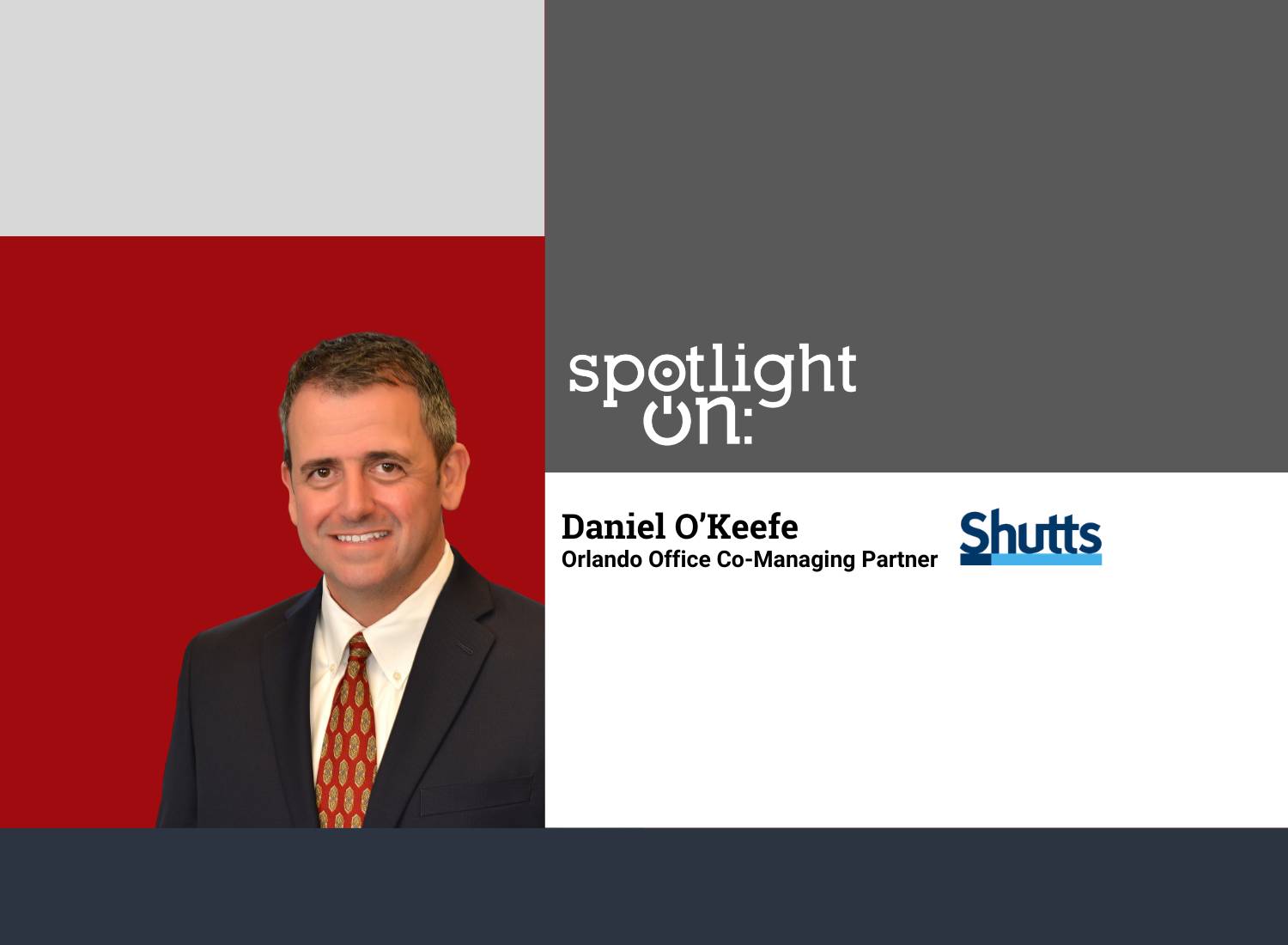
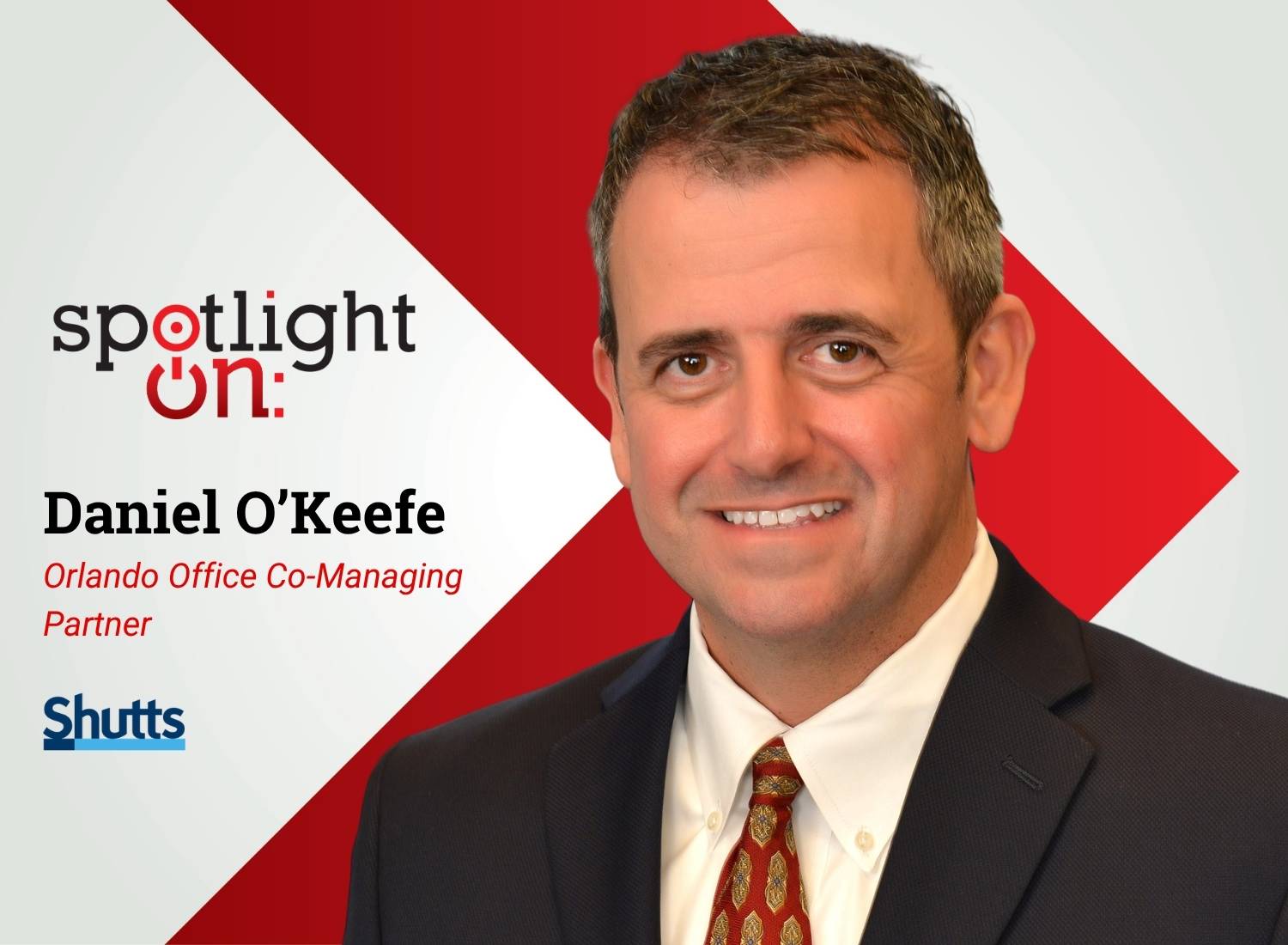 April 2026 — Invest:
 April 2026 — Invest: spoke with Mario Fujii, president and CEO of
 April 2026 — Invest: spoke with Rob Shaw, CEO of