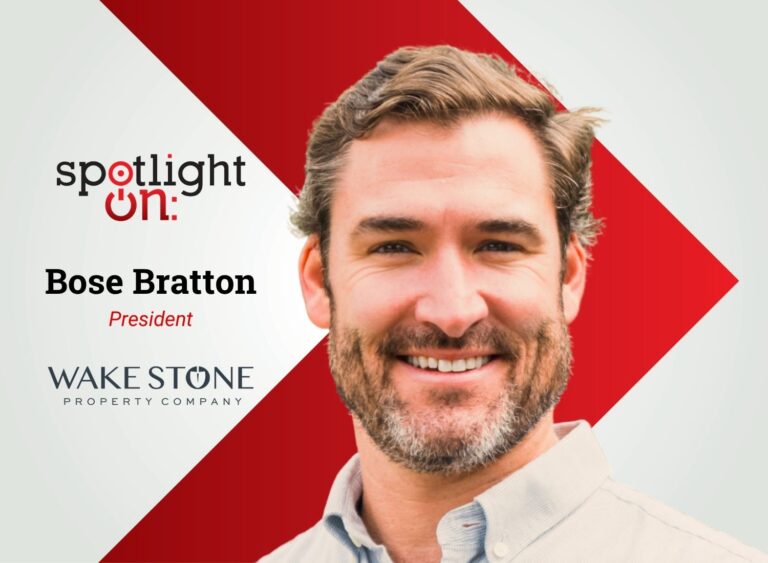

Joe Fittante, President, Larkin Hoffman
Invest: sat down with Joe Fittante, president of Larkin Hoffman, to discuss the firm’s key achievements over the past year, insights into industry trends, and its strategic approach to navigating the evolving legal landscape.
What have been some of the main highlights and milestones for Larkin Hoffman over the last 12 months?
Over the past year, we’ve achieved several milestones, both internally and externally. Internally, we made significant changes to our employee benefits packages, which allowed us to invest more in our team. This includes offering additional training opportunities for employees across the board. We recognize that the success of our firm is tied directly to the well-being and development of our people, and these improvements have been a priority.
Externally, we’ve been involved in some landmark legal transactions. Among the most notable was our representation of Anytime Fitness in its merger with Orangetheory. This deal combined two of the world’s largest health and fitness franchisors, creating what is now the largest health and fitness franchise company globally. It was a major transaction and a highlight of the year for our practice.
What trends or market dynamics are currently shaping the legal landscape?
The legal environment in Minneapolis is vibrant and diverse. We are home to numerous Fortune 500 companies, as well as a large number of small and medium-sized businesses. Each of these businesses, regardless of size, requires competent legal counsel to navigate their unique challenges.
At our firm, we work closely with small to medium-sized businesses on a wide range of matters, including transactional work, counseling, and litigation. Beyond that, we’re seeing broader trends that are reshaping the practice of law. For instance, AI is playing an increasingly central role in the legal field. There was a time when the use of AI in law was viewed cautiously and sometimes questioned for its ethical implications. Now, the narrative has shifted, and the ethical question is whether you can afford not to use AI. It’s impacting both the business of law—how we operate as a firm—and the law itself.
How does the firm leverage AI?
We leverage AI in a variety of ways. From an administrative standpoint, AI plays a significant role in helping our staff track billable time more efficiently, allowing our lawyers to focus on their practice rather than routine administrative tasks.
Beyond that, we’re beginning to integrate AI into more complex areas, such as transactional work. For instance, AI tools assist us with due diligence processes, which can be labor-intensive and time-consuming. By streamlining these tasks, we can provide faster and more accurate results for our clients.
Which services and practices are currently the main drivers of growth, and which do you expect to grow in the future?
Over the last year, we’ve seen significant activity in our land use and real estate group. The workload in this area has increased steadily and continues to do so. As interest rates begin to drop, we expect this trend to accelerate, as it typically leads to increased development activity. That, in turn, will drive demand for our services in land use and real estate law.
Another area experiencing substantial growth is our franchise group. We exclusively represent franchisors, and this practice has remained extremely busy. The franchising sector has been resilient and continues to be a major contributor to our firm’s growth.
Commercial and residential real estate, construction, and franchising are currently the main industries fueling growth for our firm.
What are some of the most common mistakes you see clients make that could have been avoided if they had sought legal advice earlier?
The most common issue we encounter is clients not involving us early enough in their processes. Many of our clients view us as partners and work with us on a regular basis: daily, weekly, or monthly. This allows us to provide proactive legal and business advice to help them avoid problems before they arise.
However, some clients approach us only when there’s an issue. By the time they call us, the problem is often more complex and expensive to resolve. We always encourage our clients to consult with us on the front end, which not only saves them time and money but also helps them operate more effectively.
What differentiates Larkin Hoffman from other law firms in the Twin Cities?
Our greatest strength is our people—lawyers who are passionate, entrepreneurial, and committed to building and expanding their practices. Additionally, our platform is a significant advantage. Unlike many firms, we’re not based in downtown Minneapolis, which allows us to operate efficiently and offer competitive rates to our clients.
How is Larkin Hoffman adapting its advice in response to current economic and market conditions?
With interest rates falling, we’ve seen a surge in M&A activity. Many business owners, uncertain about the future, are choosing to sell or retire. We’re helping clients navigate these transitions strategically.
Are there any regulatory changes you’re monitoring closely to better serve your clients?
In employment law, new state-level regulations have kept our employment group busy advising clients. In land use, we’re seeing heightened scrutiny on how developments impact communities. In franchising, the federal government is reviewing franchise laws, and in consumer protection, both federal and state governments are introducing new regulations.
What are some of the biggest challenges—or opportunities—for Larkin Hoffman and the legal sector currently?
One opportunity is reimagining our workspace as our lease expires in two years. This is a chance to redesign how we work together and improve efficiency. Workforce development is another focus, as we provide regular training to support our lawyers and staff.
We’re addressing the balance between remote and in-office work. We’ve adopted a “space policy” that optimizes our office use, including shared spaces for lawyers who work remotely more often.
What is your outlook for Larkin Hoffman and the legal sector over the next two to three years?
For Larkin Hoffman, the next few years present opportunities for strategic growth. Our goal is to expand the firm thoughtfully, aiming for 100+ lawyers to enhance synergies while maintaining our core values and strengths.