
Spotlight On: Rick Bell, Mayor, City of Lebanon
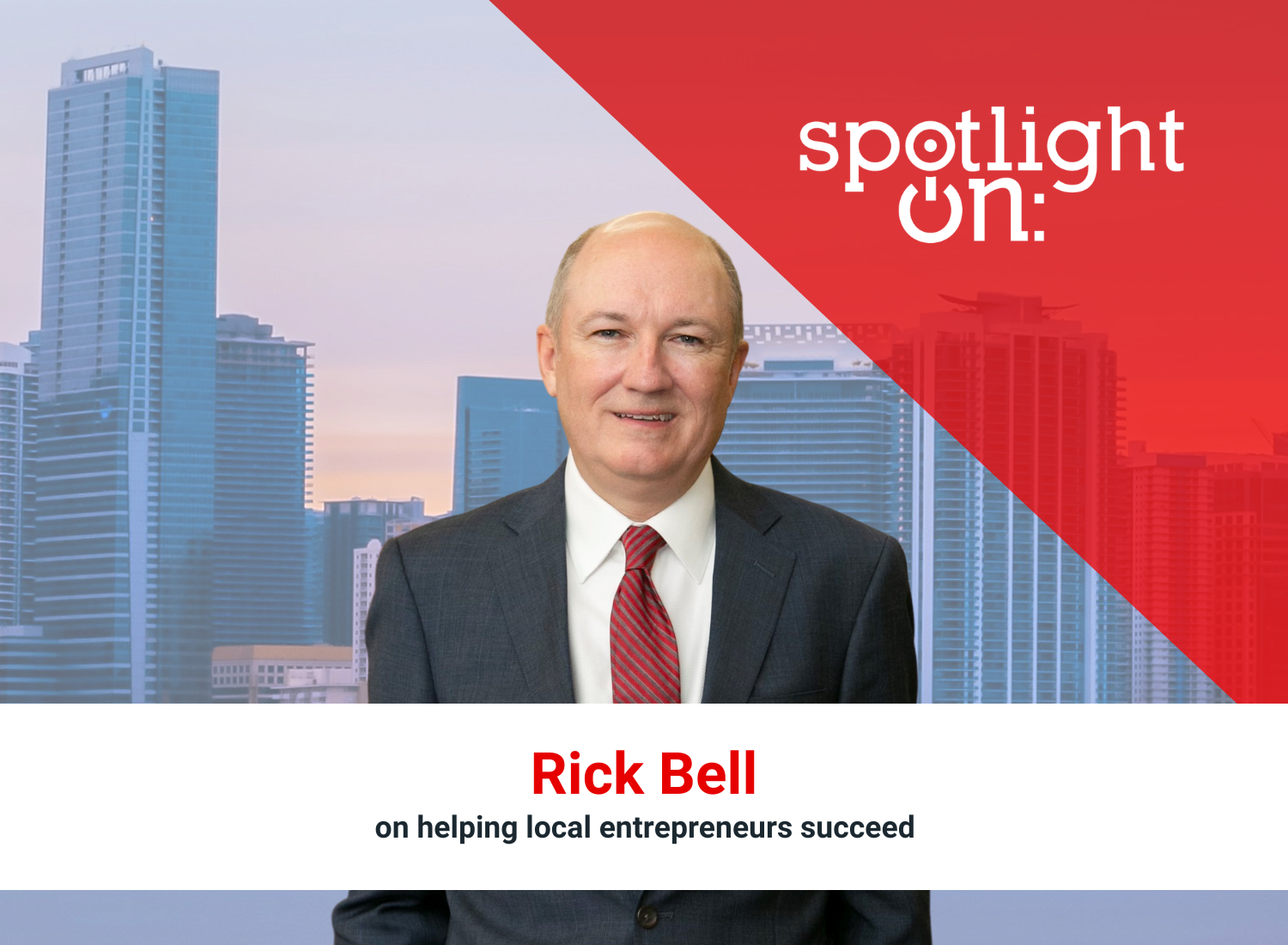 May 2025 — Rick Bell, mayor of the city of Lebanon, spoke with Invest: about sustaining balanced growth that reflects the personality of the city. “We want to grow with developments that will stand the test of time while protecting our historic core, including the town square and surrounding neighborhoods.”
Reflecting on the past year, what have been the significant milestones or achievements for the city of Lebanon?
We’ve worked hard to build a retail base that isn’t just recruiting big box stores, but helping local entrepreneurs establish their businesses, and we’ve succeeded. Sam’s Club, Target, and other big-box stores are moving here, which has generated momentum in Lebanon. The downtown square is thriving and keeps getting better every year, as more locally-owned businesses have opened. We have many boutiques and have focused on attracting new food options. In our square area, Olivia Cocktail and Oyster Bar has opened, which is a very cool and hip place. In Lebanon, you can find oysters, Caribbean, and Italian food, among many other cuisines. This fiscal year, in the first six months, we reached over $12 million in sales tax revenue. Just a few years ago, we had our first $2 million month, which has become a sustained level. It’s a result of assistance from the government as well as private investment.
With major retailers like Target expanding into Lebanon, what does this indicate about the city’s economic trajectory?
The future is bright in Lebanon. We are moving down a positive path when it comes to business recruitment. Residential growth is very important. During the day, our population increases by about 10,000 people, due to people coming to work here from outside communities. Many cities surrounding Nashville see people traveling into Nashville to work, but we have many people who come here. In Lebanon, throughout the day, you see activity in restaurants and storefronts, creating an advantage. Creating an economic base that’s part of Nashville, but also separate, is very important for economic growth.
Lebanon has been recognized as the 12th fastest-growing city in the country. How is the city managing this rapid growth while maintaining its unique identity and quality of life?
We are putting regulations on development. A lot of people want to be in Lebanon. We want development that adds to the city rather than detracts from it. We put regulations in place for using open space in neighborhoods. We passed an ordinance that when a residential development is built, they have to preserve some of the tree canopy on the property. We’ve increased building standards for single-family and multifamily homes. We want to grow with developments that will stand the test of time while protecting our historic core, including the town square and surrounding neighborhoods. We have areas that are designated for historic preservation. We need to hold on to who we are and protect the core of our history in order to thrive.
How do you see beautification projects contributing to economic growth and community engagement?
When a city looks good, people feel good about it, and it’s a place people want to be. Some of the best cities I’ve been to are those where you see landscaping, flowers, clean buildings, and well-lit areas. Recently, we introduced a beautification initiative that creates a green space park area on the historic square and creates attractive entrances into the city. For the people who live here, it’s about aesthetics. We’re installing signage so visitors know this is a special place. Our utility boxes and traffic signals are going to be wrapped with historic photos. We are stepping up our code enforcement so properties will look good, including parks, greenways, sidewalks, and our upcoming sports complex.
How is Lebanon working to attract and retain businesses in key industries, and what sectors do you see as the biggest opportunities for future growth?
We’ve formed a Joint Economic Community Development Board, a coordination between three cities and Wilson County, to recruit industry and corporate headquarters and create a workforce development program. Despite many businesses moving here and population growth, our employment rate is low. The workforce development program works with local schools to educate students on building careers in local industries. We are recruiting new businesses, but we are also supporting businesses that are already here and started here. As a government, you have to build the economy in a well-rounded way.
The WeGo Star public transit system has been a key part of Lebanon’s transportation network. What are the plans to expand or enhance transportation options?
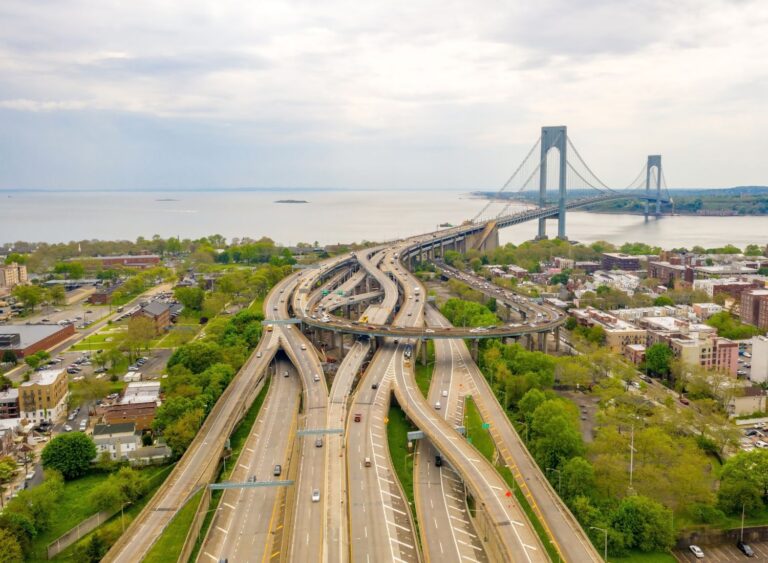
Lebanon is the eastern terminus of the WeGo Star transit station, which goes to Nashville. WeGo is doing a study to determine how to make the option better for commuters and tourists. Although that’s a regional project we are part of, here in Lebanon, we are looking at different ways to reduce traffic congestion. We received several million dollars in grant funding to computerize our traffic signal system and add cameras to traffic signals, allowing staff to control the traffic system from their desks. We have several projects on our main street to add turn lanes. TDOT is very helpful because we have several state roads that go through our city limits, and TDOT is spending $35 million to widen the roads in our city. They are spending $80 million to expand I-40 through Lebanon. They also provided grant funding to study and improve our bypass. We’re doing everything we can to help people get around. We approved a sidewalk priority plan to repair and improve the walkable areas of the city.
Looking ahead to the next two to three years, what are your top priorities for Lebanon’s continued growth and economic development?
Lebanon is on a good path. We want to ensure our residential growth is good growth. The city council plays a huge role, and it is taking a close look at businesses that want to move in and annex or rezone. We want what’s built here to be the quality we want and provide amenities that improve the quality of life for residents. We will continue to reevaluate regulations to ensure that happens. Lebanon is in a position in its development where we can choose what we want. We’ve created our own Industrial Development Board (IDB), a board of local citizens that assists us with providing incentive packages for businesses we want to attract. Our job is to bring businesses here that will help our economy thrive and provide what our citizens want. One of the ways we do that is through public-private partnerships, and the IDB allows us to do that. It has succeeded before, and will succeed again. We’re putting together the tools to become successful, and I see that continuing.
For more information, visit: