
Spotlight On: Mary Barlett, Partner, Marmon Mok Architecture
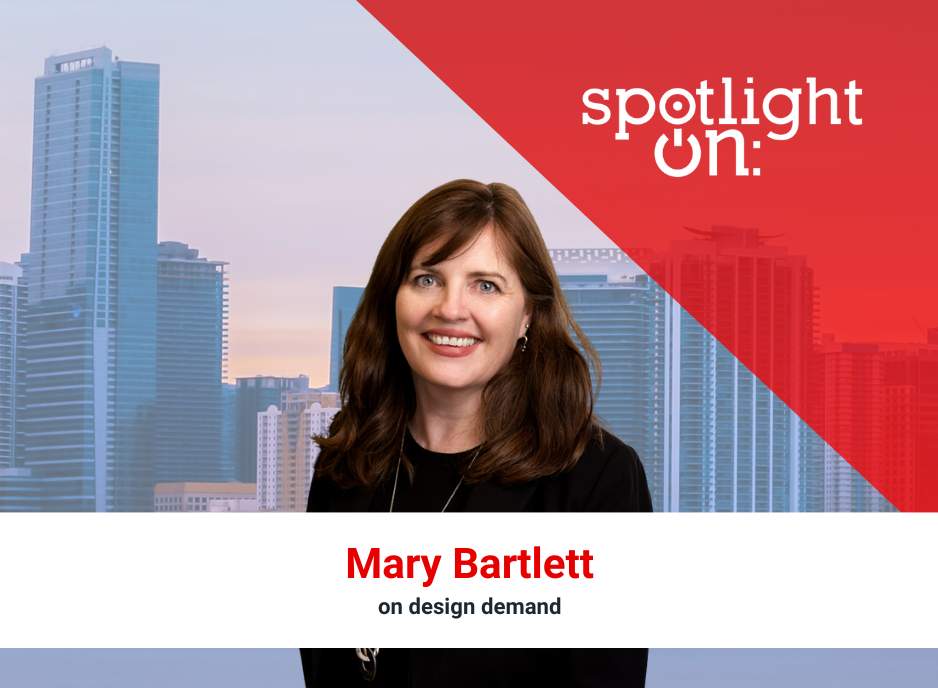 July 2025 — In an interview with Invest:, Mary Bartlett, partner at Marmon Mok Architecture, discussed how San Antonio’s growth is driving demand for healthcare and public projects. “San Antonio feels like it’s at a tipping point,” said Bartlett. With decades of local experience, the firm is expanding its team, using tech like VR and AI, and focusing on sustainable growth as it nears its 75th anniversary.
What recent changes in San Antonio have influenced your operations and client engagement?
San Antonio feels like it’s at a tipping point — there’s so much happening across the city. More companies and people are moving here, and we’re seeing increased focus on major projects like the Project Marvel initiative. It all signals an exciting wave of growth.
Last year, we completed the University Health Women’s and Children’s Hospital, and we’re currently working on two community hospitals: one on the north side at Retama and another on the south side at Palo Alto. These projects are about expanding access to healthcare for our community.
We also recently completed renovations at the Alamodome for the Final Four, which brought national attention to San Antonio. In addition, the Alamo Colleges District passed a nearly $1 billion bond, a major investment in education that reflects broader momentum across the city.
How is Marmon Mok positioned to capitalize on San Antonio’s growth?
We’ve been in San Antonio since 1953, so we understand how to do business here. That longevity gives us perspective. We know how the city operates, how to work with local agencies, and how to get things done. That experience helps us guide new partners and maintain long-term relationships with public clients.
How do you incorporate San Antonio’s culture and artistic identity into large-scale projects?
Buildings need to be of their time but also designed to last. Especially in public sector projects, we’re often designing with a 50-year lifespan in mind. That means honoring the city’s cultural roots while creating forward-looking spaces. Architecture should reflect where we’re going as a city, not just where we’ve been.
How are hybrid work models and new workplace trends shaping your design approach?
Hybrid work has transformed the workplace. When people come into the office, it needs to support collaboration and creativity. We’re designing spaces with dynamic conference setups and breakout areas, essentially building environments that support teaming as well as focused work.
There’s also a growing emphasis on hospitality-like design. People expect comfort, privacy, and wellness, which includes elements such as natural light, biophilia, ergonomic flexibility, and healthier food options. There’s a strong push for inclusivity, with spaces for new parents, quiet rooms, and thoughtful amenities that support mental health.
What contributed to the success of the Women’s and Children’s Hospital project, and what trends are you seeing in healthcare design?
Our healthcare team is trained in evidence-based design. They understand how factors like natural light, color, and space contribute to healing. That project won several design awards, including for its art program, which supports healing through aesthetics and engagement.
We’re also seeing a shift toward more inclusive patient rooms that allow family members to stay onsite. It’s not just about the patient anymore; it’s about supporting families and caregivers as part of the healing process.
How are you advising clients facing economic challenges such as rising construction costs?
We help clients prioritize their needs and make the best use of their budgets. Sometimes that means phasing projects or designing shell spaces that can be built out later. We focus on what must be done now versus what can wait.
It’s also about managing expectations. If a client knows they need a facility, it’s almost always going to be more cost-effective to build now than a year from now. We work to make strategic choices that protect their investment.
How are you attracting and retaining architectural talent in San Antonio?
We actively recruit top architecture programs across Texas, including UTSA. We also support mentorship programs like ACE, which introduces high-school students to careers in architecture and construction.
San Antonio has become increasingly attractive for talent, especially for those looking to raise families. We’re seeing more candidates choose this city over Austin, which is a shift from just a few years ago.
Where are you seeing the most demand, and which sectors are you targeting for growth?
We’re seeing strong demand in public sector work, especially healthcare, higher education, and civic projects. We also work with financial institutions and are watching opportunities in K–12 education, particularly in fast-growing areas like the southwest side of the city.
What technologies are you using to enhance your work and client service?
We’re heavily invested in building information modeling and have added virtual reality tools that let clients walk through projects before construction. This helps them visualize the space, provide input, and feel confident about decisions. It’s especially helpful during town halls and internal presentations for their teams.
How is Marmon Mok engaging with the community beyond architecture?
Our team of 74 is actively engaged in the community through churches, school boards, United Way, and nonprofit work. As a firm, we support organizations like St. PJ’s, the YWCA, Lions Camp, and the Salvation Army.
One of our meaningful projects is the YWCA Live and Learn Center, which offers housing and education support for women aging out of foster care. It includes childcare and educational space, and we’re involved both professionally and personally as volunteers.
What are your top priorities over the next two to three years, and what is your outlook for the firm?
We’re in growth mode. Between our San Antonio and Austin offices, we’re aiming to grow from 70 to about 100 staff, but we want to stay true to our culture and not grow just to grow.
We’re approaching our 75th anniversary and taking that moment to reflect and celebrate our legacy. We’re proud of where we are, and we’re also committed to investing in the next generation of leaders and continuing to shape San Antonio’s future.
For more information, please visit: