Fulton County leads in metro growth, investment plans
Writer: Eleana Teran
 August 2025 — Fulton County led population growth across the 11-county Atlanta region over the past year, adding 18,000 residents, including 10,600 in the city of Atlanta, according to newly released estimates from the Atlanta Regional Commission. The metro area as a whole grew by 64,400 people between April 2024 and April 2025, bringing the regional population to 5,285,474 and Fulton’s to 1,141,870.
The county’s growth is part of a wider metro expansion supported by an employment base that has grown 8% since early 2020, the No. 7 fastest rate among large U.S. metros. In Fulton, the growth is driving demand for transportation, mobility, and economic development projects. The county’s 2025 capital budget allocates $170 million to water and sewer work and is part of a $335 million plan that will also fund road upgrades, bridge repairs, and targeted economic development initiatives.
Major projects extend beyond county-led investments. The Georgia Department of Transportation is moving forward with a $4.6 billion SR 400 upgrade, which will add express lanes and bus rapid transit, strengthening connections between Fulton and Forsyth counties. Metro Atlanta leaders are also considering a $3.5 billion Beltline light rail plan that would create three interconnected loops, purchase 42 light rail vehicles, and link neighborhoods to job centers and MARTA lines.
As these projects advance, leaders from across Fulton are identifying ways to align infrastructure, land use, and economic strategy with the county’s changing population and business landscape.
“Kobi” Khalid Kamau, Mayor of the City of South Fulton
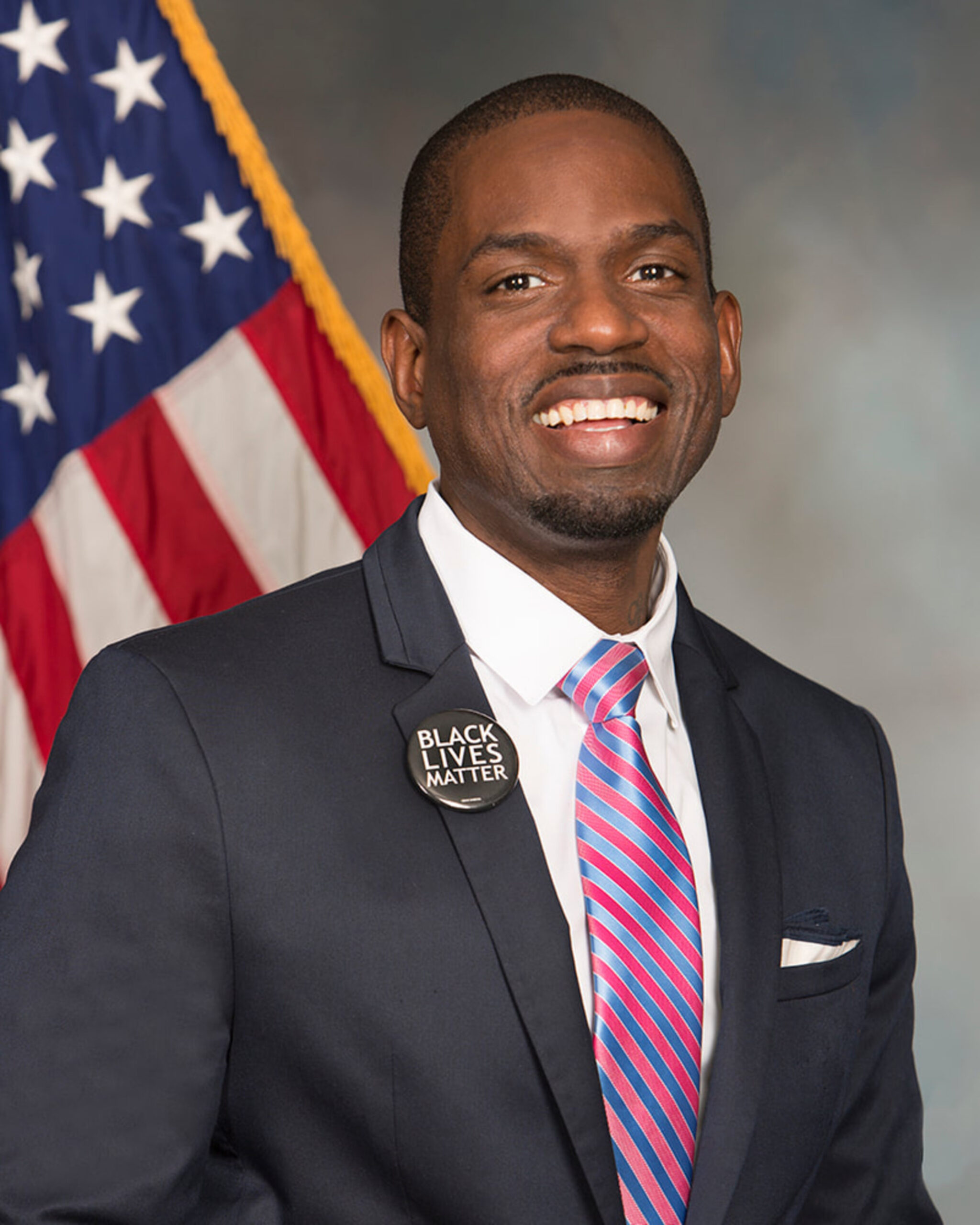 Under my administration, we have purchased over 400 acres of land. In order to model the kinds of development we want to see, we are becoming developers ourselves. Our City Hall, which will break ground in 2027, is the kind of live-work-play development we seek to attract. The streets around City Hall will be “complete streets” with bike and micromobility lanes. This kind of master planning we are working with Sizemore Group and the Georgia Department of Community Affairs (DCA) to implement in our Future Land Use Map for the entire city.
Rethinking our land use map, moving away from segregated zoning to form-based codes, is our first priority. I am also working to position South Fulton as a hub for film production, small agribusiness, and international trade, which are industries our residents are eager to see expand here.
Robb Pitts, chairman of the Fulton County Board of Commissioners
 Fulton County has a unique makeup. The northern part is quite developed. The central area includes the city of Atlanta, which receives a lot of attention. However, the southern part remains less developed, and that’s where I’ve focused my efforts as chair of the Fulton County Commission. We’re seeing real progress, not only domestically but also internationally.
I’ve led several trade missions to places like India, South Korea, Colombia, and China, and we have more planned. These missions serve two purposes: to introduce international communities to Fulton County and to identify firms interested in expanding, relocating, or partnering with local businesses, particularly in South Fulton.
Infrastructure is a top priority. We recently completed a $350 million renovation of the Big Creek Water Treatment Plant in North Fulton. In South Fulton, we’re investing $500 million in upgrading water treatment infrastructure. You can’t support growth without a reliable water supply, and we’re making major strides in that area.
Additionally, we’re preparing to revisit the T-SPLOST (transportation special purpose local option sales tax) to secure more infrastructure funding. Sustainable development depends on proactive planning, and we’re committed to staying ahead.
Kristin Winzeler, executive director of True North 400
 Since 2003, we have invested about $30 million, leveraging around $217 million in total investment. We focus on infrastructure improvements and economic development for our commercial property owners. We do not tax residential properties. Our board, made up of paying members, sets priorities based on what the district needs.
Today, there are about 30 CIDs in metro Atlanta. We are one of the older ones and bring in just under $4 million annually, which we reinvest in infrastructure. Often, we are the first to invest, covering design costs that help secure state construction funding that otherwise would not come to our area.
Sometimes we provide last-mile funding. Right now, for example, we are contributing $1.5 million to the Encore Greenway Park and Gateway project, adding a new connection to the Big Creek Greenway, which is a popular amenity in North Fulton.
We are also investing in a major economic development initiative with the Greater North Fulton Chamber and have always supported their work. Between new projects, strong partnerships, and our leadership transition, it has been a busy but positive year, and there’s more to come.
In the last five to seven years, as reflected in our updated master plan, the focus has moved toward amenities that make the area more attractive and accessible. For example, we are improving connections to the Big Creek Greenway so employees can reach it more easily.
In Alpharetta, about half of the Alpha Loop, which is similar to the Atlanta Beltline, runs through our district. We helped fund the design of the phase that opened late last year and are working on more connections through our Quick Win Program.
When we build roads now, it is not just about laying asphalt. It is about walkability and multi-use corridors. A 5-foot sidewalk used to be enough, but now the minimum is 10 feet, and 12 is preferred.
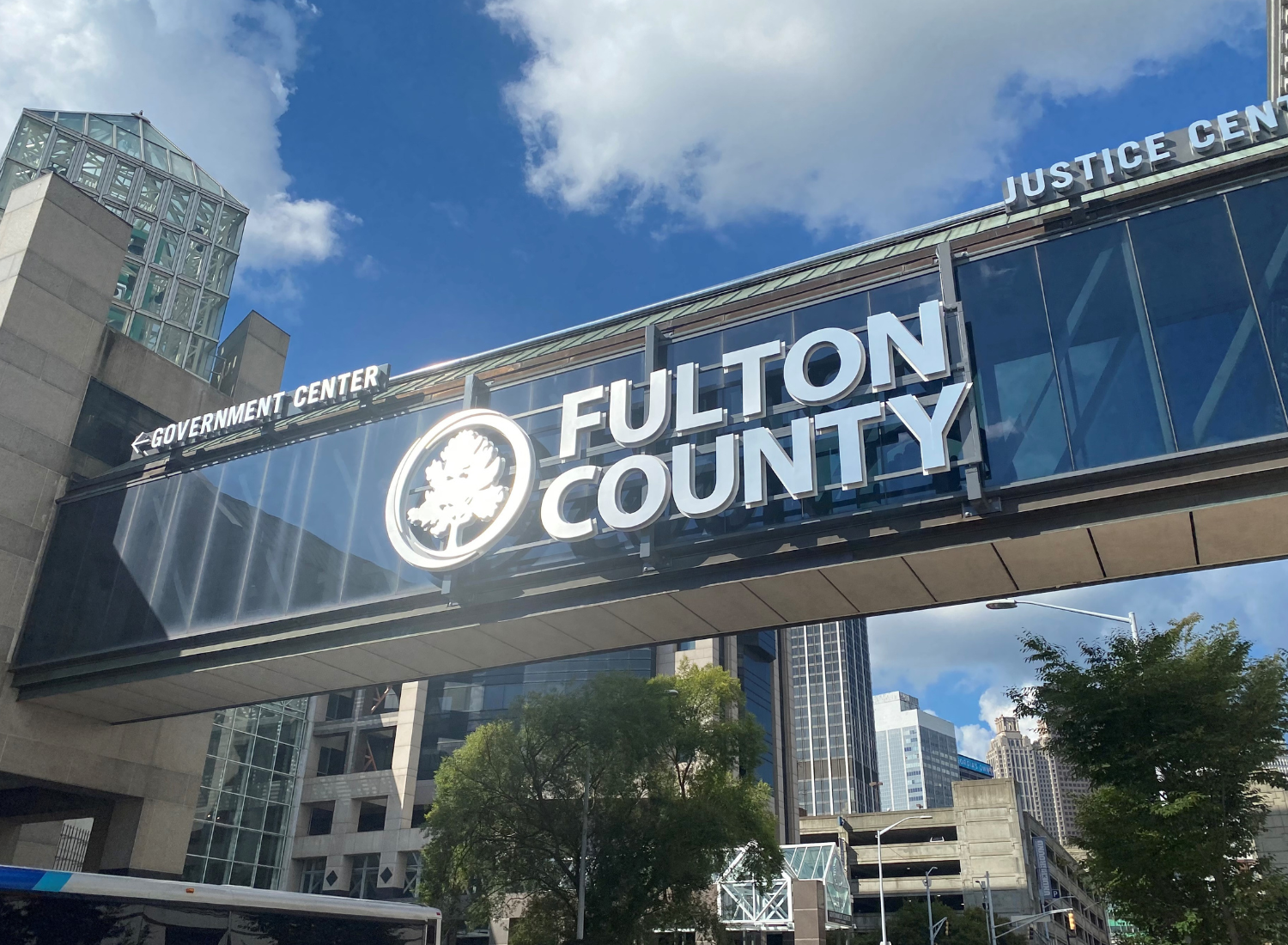
Top image provided by Fulton County Board of Commissioners
For more information, please visit:
https://www.cityofsouthfultonga.gov/