
Music and sports anchor entertainment in Southern markets as film slumps

August 2025 — Major film studios are pulling operations from the United States, threatening to erase billions of dollars in national economic impact. But America’s Southern markets are filling in the gaps left in Hollywood’s wake, capitalizing on the economic potential of sports and music instead to drive growth.
Soundstages across the United States remain empty as the American film industry outsources abroad. In 2023, for instance, Georgia had more soundstage space than NYC. Now, most of them have been abandoned as Marvel and major motion picture studios relocate to the UK for cheaper labor.
Industry leaders are desperate to fill those empty spaces. For Georgia Entertainment CEO Randy Davidson, this industry-wide disruption is an opportunity.
“Film is a monetization lane,” Davidson told Saporta Report, an Atlanta-focused news organization. “We love films… but there are other monetizations.”
Davidson sees potential to turn the soundstage to other uses, such as e-sports tournaments, tennis matches, e-gaming championships, live tour rehearsals, or musical productions, among other ideas.
Southern states like Georgia and Tennessee are doubling down on the music and sports business through strategic investments in entertainment infrastructure, despite setbacks in the film industry.
In fact, the number of developments driven by professional sports teams has spiked in recent years, stated Adam Grossman, founding managing director of sports strategy consultancy ROAR, as cited by The New York Times.
ROAR, together with RBC Bank and sports agency Klutch group, estimates that there are currently 37 projects across the United States linked to teams in the five major sports leagues. These projects represent nearly $100 billion in potential sports-centered mixed-use developments, which are expected to serve as regional anchors of growth.
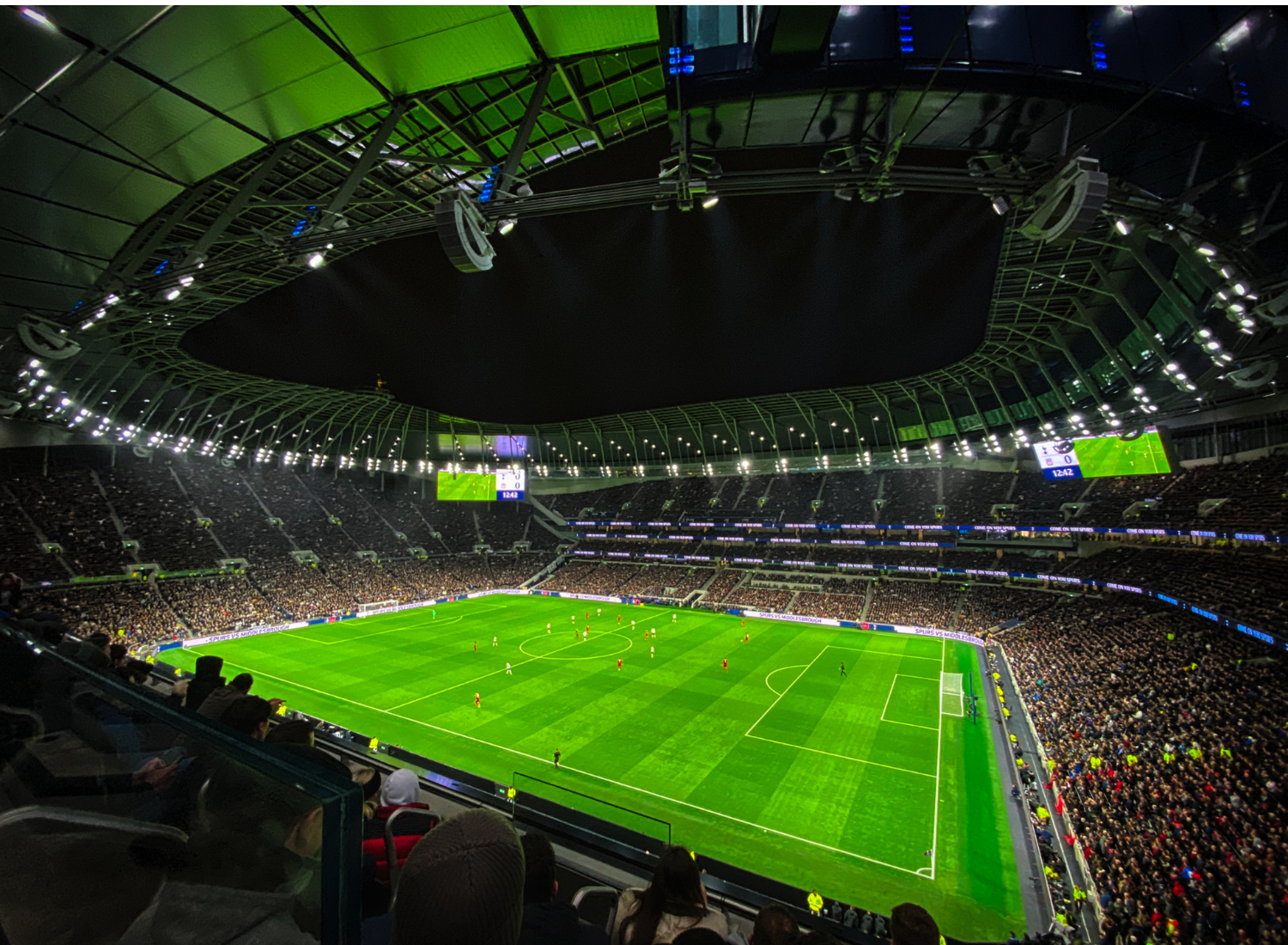
“There are no anchor stores anymore; sports facilities have become the new anchors,” explained Atlanta Hawks CEO Steven Koonin in an interview with Invest:. “When 70,000 people go to Mercedes-Benz Stadium, 20,000 come to one of our concerts, or 35,000 attend an Atlanta United match, those people are consumers.”
According to Koonin, this traffic can be leveraged to bring people to Atlanta’s urban core and support the demand for food, drink, and retail.
“(Sport facilities) enhance the quality of cities. We’re not just managing a building anymore; we’re managing a territory of the city. It’s so much bigger and broader than just a facility,” said the Hawks CEO.
The Atlanta Hawks’ $5 billion transformation of Centennial Yards is also a model for driving economic growth through entertainment. According to Koonin, “When Tony Ressler, the principal owner of the Hawks, was considering buying the team, he pointed to this 50-acre hole in the middle of Atlanta… known as the Gulch, and…said, ‘We’re going to build something like L.A. Live there.”
Ressler and development partners put up the financing for the mega-project, which will include 2,000 apartments, 1,800 hotel rooms, and 900,000 square feet of retail space. The development will also include a 5,300-seat music venue that the multinational entertainment giant Live Nation has already committed to leasing when the building opens in 2027, according to the New York Times.
“By filling this space with entertainment, living, working, and economic opportunities, it will connect the whole city and bring prosperity to areas south of Centennial Yards, something that hasn’t happened before in Atlanta’s history,” added Koonin.
Beyond the Centennial Yards project, the Atlanta Braves baseball team built the Battery, a mixed-use lifestyle district that combines office, retail, hospitality, and living space, strategically located next to the team’s stadium.
In the entertainment sector, sports offer some of the most substantial economic returns. In Tennessee’s ‘Music City’, Nashville, the sports segment rivaled music in total visitor spending in 2023, per the most recent data available.
According to Jacob Lutz, director of technical operations of the Nashville Predators and Bridgestone Arena, Nashville’s robust entertainment infrastructure has been critical to bolstering demand for broadcast sports, which is only expected to grow in 2026 ahead of the FIFA World Cup.
While major media centers struggle with shortages of skilled technical workers, Nashville’s leading universities are filling regional gaps in talent by awarding degrees in broadcast video/audio. This has led to the creation of a highly-qualified college-age cohort, prepared to pivot to jobs in music and sports production, even as the film industry slows down on the national level.
Smaller suburban towns like Clarksville in Tennessee are likewise maximizing on opportunities created by the boom in demand for live sporting events. “Sports came back quicker than other areas, and our occupancy and collections have been very strong,” Visit Clarksville Executive Director Angie Brady told Invest:. “In the last 12 months, we have increased the number of sporting events we support by 12.5%. Each year, we add five or six new events.”
In Georgia, alternatively, music threatens to rival the growth seen in the sports industry. While the Atlanta Hawks play a pivotal role in attracting visitors to the city for the games, “the real impact comes from our music business,” Koonin notes.
More than 106 live events are held every year at State Farm Arena, home of the Atlanta Hawks, which lures in domestic travelers, ranging from Boston to Miami. “That creates huge demand for hotel nights, dining, and other recreation in downtown Atlanta,” said Koonin.
According to Koonin, music ticket purchases at the stadium are up as a whole, boosted by travel, as more than 50% of buyers are non-locals. Multi-play performances by headliners such as Usher and comedian Nata Bargatze also draw in audiences, further cementing Atlanta’s emerging reputation as a music city hub.
The regional music sector is also a positive growth driver for the city’s nightlife economy, with 58% of locals reporting attendance at live music shows and conferences on a typical night out. Alternatively, 34% of Atlantans enjoy the theater and cinema, while 23% check out art galleries.
“Cultural institutions are pillars of a thriving city,” Nick Mullikin, CEO of the Nashville Ballet, told Invest:, noting the impact of the arts in shaping a city’s economy. “Without them, communities lose their vibrancy and appeal.”
For more information, please visit:
https://www.statefarmarena.com/