
Spotlight On: Anthony Misitano, Founder, Chairman & CEO, PAM Health
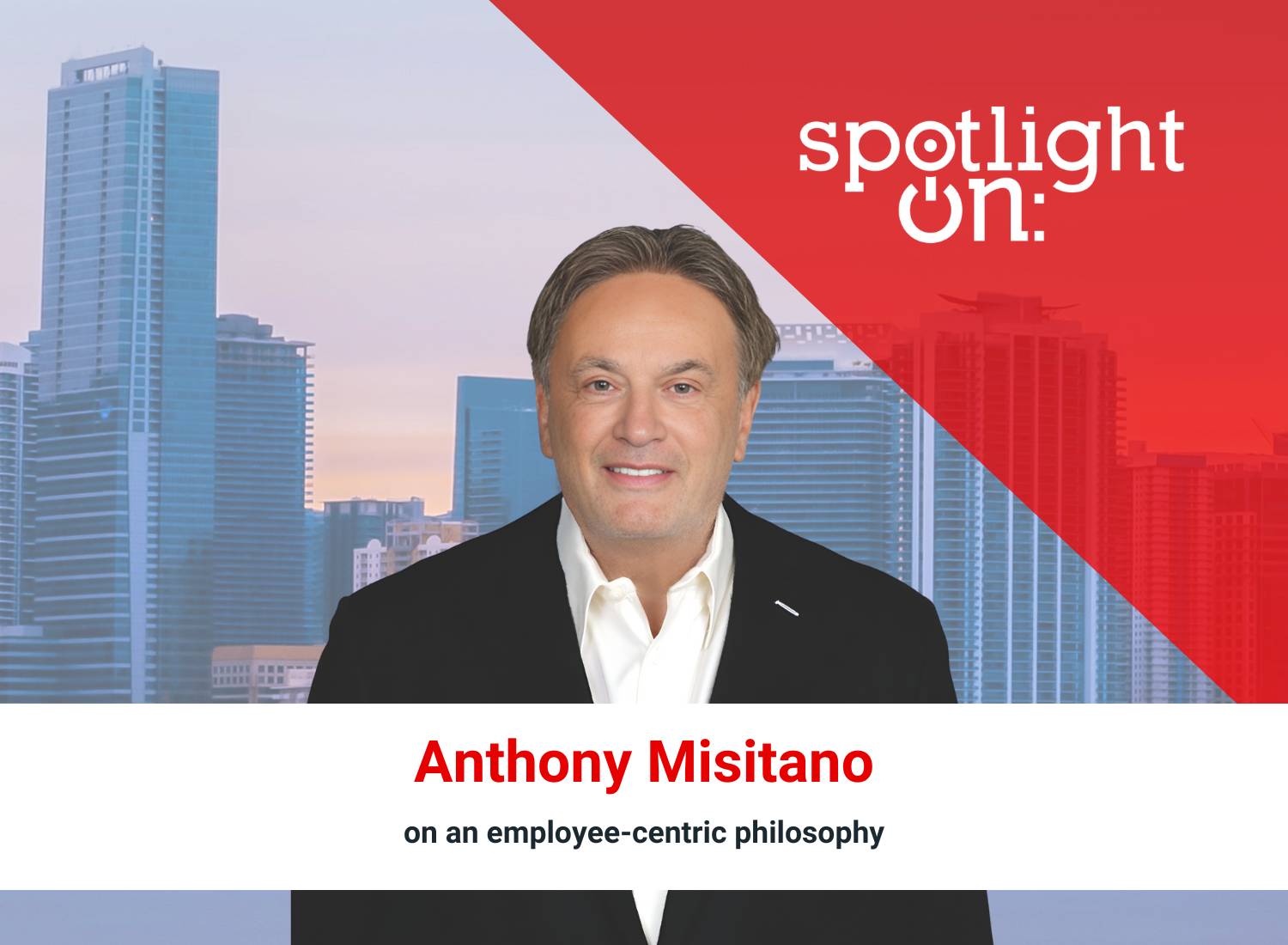 December 2025 — In an interview with Invest:, Anthony Misitano, founder and CEO of PAM Health, discussed the firm’s leadership reorganization, strategic growth, and employee-centric philosophy. “At PAM Health, we prioritize our employees as much as our patients. We foster a developmental culture that encourages growth and collaboration. Our core value, ‘care with compassion,’ extends not only to our patients but also to our staff,” Misitano said.
Join us at the Invest: Pittsburgh 3rd Edition Leadership Summit! This premier event brings together hundreds of Pittsburgh’s business and regional leaders to discuss the challenges and opportunities for businesses and investors. Buy your ticket now!
What changes over the past year have most impacted PAM Health’s Pittsburgh and national operations?
In January 2025, as PAM Health approached its 20th year, we underwent a significant reorganization to prepare for future leadership and growth. A key change involved the founder relinquishing the president title to his daughter, an attorney who has excelled in the role. Additionally, we have a new senior executive vice president and chief operating officer, now overseeing all company operations.
This monumental realignment of leadership, the first in 17 or 18 years, was driven by a focus on succession planning and fostering new, improved approaches to thinking and leadership. The changes, implemented in September 2024, have proven highly successful. 2025 has been the company’s best year performance-wise, partly due to an increased emphasis on our high-quality standards, integrated with overall performance metrics. This focus on quality outcomes and pay-for-performance is crucial in today’s value-based healthcare landscape and has significantly improved both financial and quality performance.
Beyond internal restructuring, PAM Health has continued to expand, with plans to open seven or eight new hospitals in 2026, possibly more depending on construction progress. In 2022, we acquired 16 specialty hospitals from Curahealth and Nautic Partners. Our acquisitions and new startups are carefully considered for their long-term strategic value and market positioning. We don’t acquire for the sake of it. Every decision is calculated to ensure the integration will enhance the company’s overall strength and open new opportunities. The company is very satisfied with its strong performance transitioning from 2024 into 2025.
What is your perspective on how to approach workforce development, and what strategies are helping to build a strong talent pipeline?
At PAM Health, we prioritize our employees as much as our patients. We foster a developmental culture that encourages growth and collaboration. Our core value, “care with compassion,” extends not only to our patients, but also to our staff. We actively listen to our employees and offer support for both professional and personal development. In 2025, we significantly invested in employee training and development programs. Our “We Care” program, while patient-focused, also highlights the proficiency and caring qualities of our team. Employee relations has become a key pillar of our company, emphasizing teamwork, innovation and mutual support among staff. This focus on our employees’ insight, participation, and knowledge base is yielding significant positive results.
PAM has implemented an Employee Travel program, with more than 100 traveling clinical staff serving hospitals nationwide. How does this program support your overall strategy?
The employee travel program serves multiple purposes. It helps hospitals meet staffing needs in areas like nursing and therapy. It also provides our employees with unique opportunities to travel, experience different parts of the country, and gain new perspectives on healthcare practices. This exposure allows them to learn new methods and potentially implement them in their home hospitals, ultimately benefiting themselves, our patients, and the hospitals we serve.
What healthcare trends are you seeing most prominently in Pittsburgh, such as the rising demand for rehabilitation care, technology adaptation, or other shifts?
Pittsburgh‘s healthcare market is robust, bolstered by the national presence of UPMC and Highmark Insurance. The long-standing relationship between these two entities provides opportunities for us to collaborate, helping them place patients in need of long-term acute care hospital services or rehabilitation programs. This market is highly dynamic, consistently embracing disruption in a positive way to innovate patient care. UPMC, with its powerful “life-changing medicine” logo, develops and implements new approaches, which it then scales across its system. We actively participate in this evolution, seeking to integrate our services and support their efforts. We value our interactions with these organizations.
What role do innovation and technology play in advancing patient safety at PAM Health facilities in Pittsburgh?
Patient safety is a major initiative at our company and is integral to providing quality care. We are actively working to keep our fall rates below national averages and are developing AI solutions for patient care and safety. These efforts in Pittsburgh mirror a nationwide trend, as technology and AI integration are transforming patient care and safety. We are pleased with our progress, collaborating with national AI leaders and pursuing internal initiatives. This is the new frontier, and it’s the right approach to enhance the patient experience and reassure families about the care their loved ones receive. Companies like ours and supportive foundations are positioning the region as a leader in patient safety.
What are the most pressing challenges facing long-term acute care and rehabilitation providers in Pittsburgh and nationally?
The impact of COVID-19 is felt universally still. It changed the way people think about working, about how they work, and about where they work. Staffing is a huge challenge for healthcare in Pittsburgh for us and across the country. Our Traveling Nurses program is one of the things that we do to help overcome those challenges on the staffing side companywide. We have developed affiliations with a number of universities to present to their nursing programs and provide scholarships and affiliations for their students with our hospitals and with our company. In some cases, we help with their tuition so that when they are done, they will join our company for some period of time.
Those are the types of investments we are making in those challenging areas related to staffing.
I would say that is probably one of the bigger challenges that we face, and that ties into turnover. We are trying to figure out new and improved ways to be that compassionate, caring place to work so that people want to come be part of our system and make an impact. We view these things not so much as a challenge, but as an opportunity for us to be impactful and make things better in those areas, such as staffing, patient safety, and overall clinical care and clinical care improvement.
How do PAM Health’s recent commitments in Pennsylvania, including a $25 million donation to Penn State, reflect your philosophy of community engagement?
I am dyed in the blue and white wool of Penn State for sure. Penn State profoundly impacted my career trajectory, offering invaluable guidance and fostering strong relationships. I often say that while football isn’t a university’s front door, it’s certainly the front porch — a high-profile sport that generates significant revenue and interest. Our contribution to Beaver Stadium’s revitalization and subsequent designation as the official rehabilitation provider for Penn State football sends a powerful message nationwide about our dedication to athlete rehabilitation. This commitment extends beyond Division I or collegiate athletes. We’re here for weekend warriors, too, helping them recover from injuries. This message is incredibly important to us.
Looking ahead, what are your top goals and priorities for PAM Health’s Pittsburgh hospital?
We are keen to expand our post-acute business in Pittsburgh and are always seeking new opportunities. This could involve expanding an existing hospital to introduce new services. We are also prepared to collaborate with major healthcare providers in the area to achieve these goals more effectively.
Outside of Pittsburgh, our growth model focuses on rehabilitation, with a particular emphasis on wound care and hyperbaric medicine. This is a rapidly growing field due to its benefits in healing, longevity, and cellular rejuvenation. We are actively pursuing this across the country and anticipate adding approximately 20 new hospitals in the next two years, not including any acquisitions. This will bring our total to over 100 hospitals, spanning roughly 30 states. Ultimately, we aim to establish a presence in every state.
We are pursuing a controlled yet aggressive growth strategy to make our services accessible nationwide, as we believe we excel in this area and provide much-needed care. Our team enjoys and thrives in this work. We are enthusiastic about the future, recognizing that while rapid change can be challenging, we are excited about our position in the broader healthcare landscape. We are proud to be one of the largest private providers of post-acute and rehabilitation services in the country and are committed to continuing on this path.
Want more? Read the Invest: Pittsburgh report.