Leaders assess trade realignment and supply chain risks at World Strategic Forum
 November 2025 — The International Economic Forum of the Americas (IEFA) hosted the 14th edition of the World Strategic Forum (WSF) at the Loews Coral Gables Hotel on November 24–25, bringing together global executives, policymakers, and thought leaders for two days of high-level dialogue on the future of the Western Hemisphere’s economy.
Join us at caa’s upcoming leadership summits! These premier events bring together hundreds of public and private sector leaders to discuss the challenges and opportunities for businesses and investors. Find the next summit in a city near you!
Centered on the theme “Driving Prosperity Through Innovation,” this year’s forum examined how geopolitical shifts, trade realignment, rapid technological change and supply chain vulnerabilities are reshaping growth strategies across the Americas.
The program featured sessions focused on geopolitics, global trade, infrastructure, finance, fintech, energy, legacy planning, critical resources and supply chain security, alongside emerging technologies such as AI, blockchain and quantum computing. Opening remarks from Miami-Dade County Mayor Daniella Levine Cava emphasized Miami’s role as an increasingly influential hub for innovation and international business.
Trade realignment
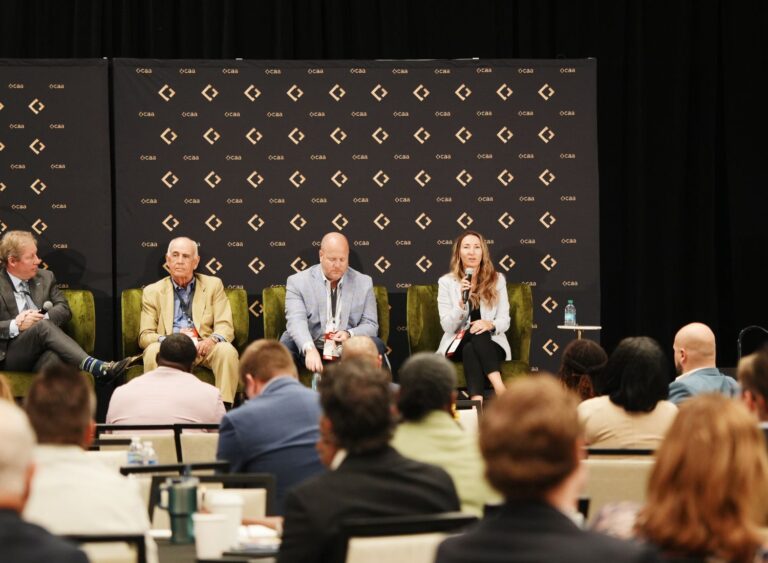
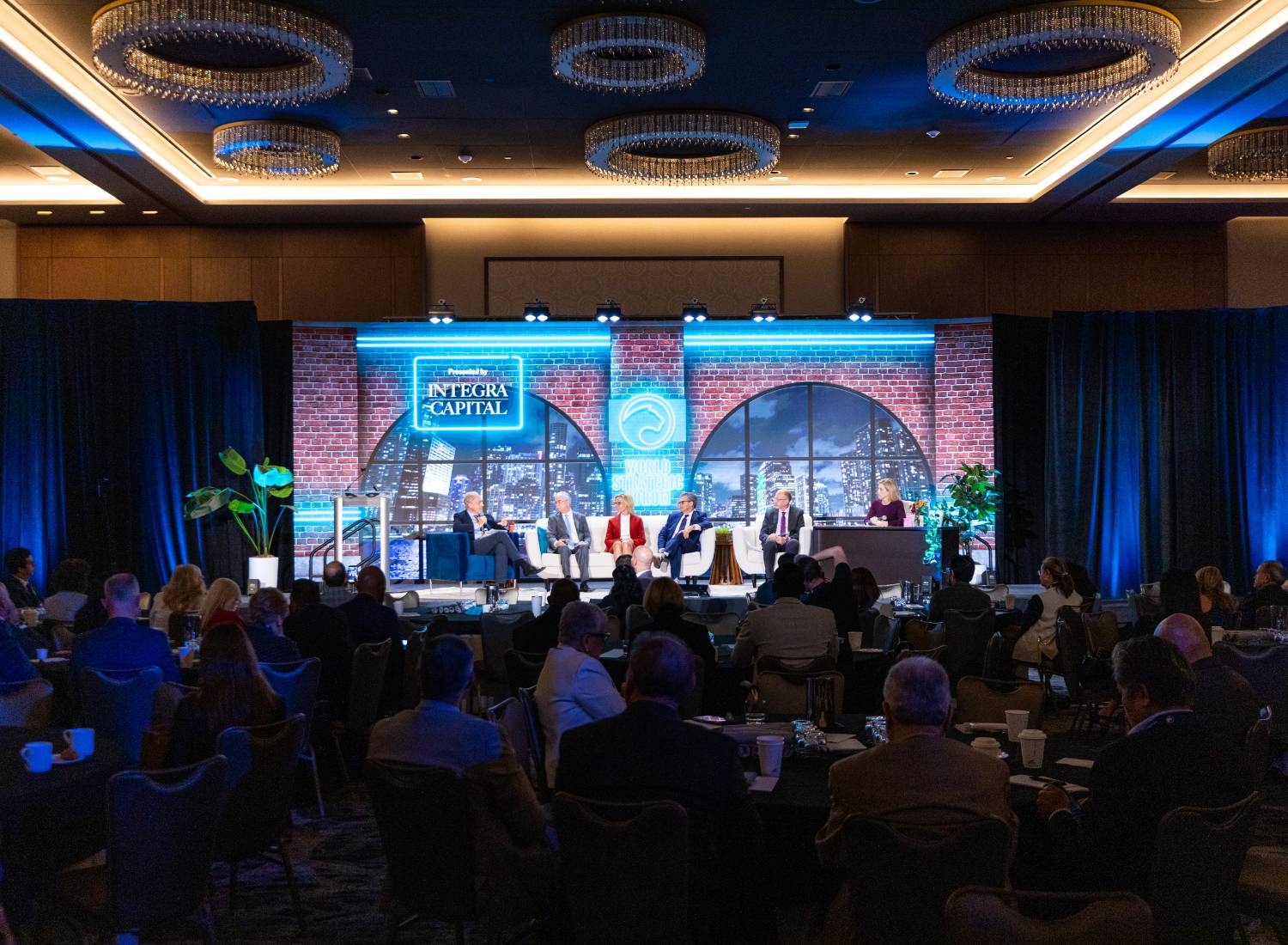
A major highlight of the event was a panel moderated by Abby Lindenberg, founder and CEO of caa. Drawing on caa’s coverage of 18 U.S. markets, Lindenberg guided a dynamic conversation on how global trade realignment, reshoring, and supply chain security are affecting both national policy and local economies.
 Panelists included Brian Coulton, chief economist at Fitch Ratings; Goldy Hyder, CEO of the Canadian Business Council; Lisa Gordon-Hagerty, CEO of Litore Partners; Robert Grammig, chair and CEO of Holland & Knight; and Bernard Spitz, founder and CEO of BSC. The discussion explored whether the world is witnessing a rationalization of existing supply chains or the emergence of a new global trading order. Speakers highlighted the permanence of elevated tariffs, the growing role of national security in trade policy, and the long-term implications of industrial strategies in the U.S., Canada, Europe and Asia.
“I think we have to be looking at a more complicated global trade picture,” said Coulton, noting that deep macroeconomic forces continue to anchor global trade flows despite geopolitical disruption.
Gordon-Hagerty underscored the need for stronger public–private partnerships to address industrial and energy vulnerabilities. “No one can go it alone. We need to build resilience with our allies,” said Gordon-Hagerty.
Across the Forum, speakers reinforced that supply chain security, technological leadership, and strategic alliances will shape economic resilience in the years ahead.
Images provided by World Strategic Forum
To learn more about the World Strategic Forum, visit their website.
Want more? Read the Invest: Miami report.