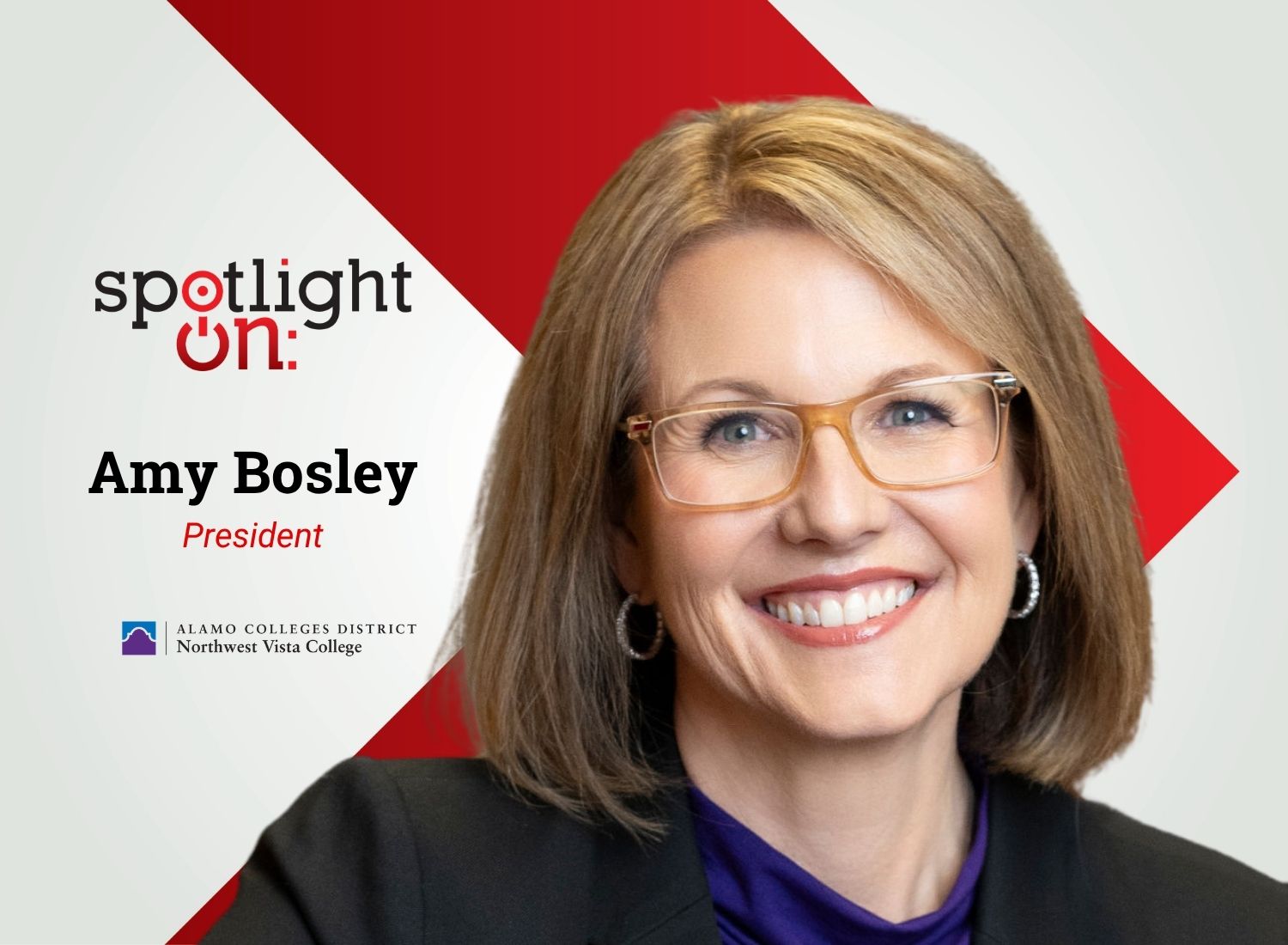

Jordan Rathlev, Executive Vice President, Development, Related Ross
 January 2026 — Can West Palm Beach serve as a model for the next great American city? Local leaders believe so. The city’s ongoing economic diversification and thriving downtown are key indicators of long-term growth. In an interview with Invest:, Related Ross Executive Vice President of Development Jordan Rathlev highlights the importance of community involvement in the commercial real estate sector and the role mixed-use developments play in attracting and retaining companies and residents across the region.
What is the long-term vision for your operations in West Palm Beach?
I’ve been with Related for 12 years and moved down to West Palm Beach about eight years ago. Initially when four of us relocated from New York and opened the office here in 2017, our goal was to bring our established Related New York brand, and focus on secondary markets across the Southeast, Texas and D.C.
Those four people in 2017 have grown into a team of nearly 180, and all 180 have been focused on projects in Palm Beach County. Our focus now has been positioning West Palm Beach as the nexus of growth within the broader Palm Beach County region. We have sites that we are pursuing and projects underway from North County near Jupiter, Wellington, and Boca Raton, but West Palm Beach and specifically the downtown corridor is where we’re establishing a true commercial center that can serve as an economic engine for the region.
South Florida as a whole has roughly 7 million people, spanning from Palm Beach County to Miami-Dade County. Palm Beach County accounts for about 1.7 million of that total. With the types of jobs and developments we’re creating downtown, we’ve become a regional economic hub. West Palm Beach and its downtown are now the epicenter of that growth.
The concentration of wealth and decision-makers on Palm Beach Island, West Palm Beach and the surrounding area want their companies nearby. The introduction of the Brightline train, around which our development is centered, makes it easier to recruit talent from across the region and even connect to the Orlando market.
We believe the next great model American city is West Palm Beach. This region as a whole will continue to thrive around Downtown West Palm Beach, driven by the companies establishing themselves here. Historically, that’s been financial services firms, but we’re now seeing a strong shift toward industries like healthcare, technology, defense and education, all of which are growing out of downtown and expanding across the broader region.
What current trends are shaping the commercial real estate market in the area?
When you look at Florida’s broader story, the new migration trend is very real. We’ve benefited from it thanks to owning a significant amount of land here for a long time and having the ability to stay nimble to evolving trends.
Historically, South Florida has been geared toward tourism, agriculture and second-home buyers. Because we began developing here roughly 30 years ago and already owned substantial real estate, we had a head start. When the pandemic hit, we purchased and built a considerable amount of Class A office space. As migration accelerated, we expanded our focus to include luxury rentals, affordable housing, lifestyle Class AA+ office, luxury condominiums, as well as new retail and hotel developments.
As market conditions and demand shifted, we were able to adapt efficiently. We build across asset classes and can meet the full range of needs for people relocating here. Our full-time presence in the region uniquely positioned us to move quickly, allowing us to advance projects even as other developers paused amid the uncertainty of the pandemic and broader economic headwinds.
There were numerous economic and political headwinds, compounded by a global crisis, but our company’s investment philosophy is inherently long-term — generational in nature. Our ability to withstand short-term economic cycles is uncommon in the development community. We’re not just building for the next market cycle but for the next 20, 30, even 40 years.
What is the current demand for larger scale mixed-used developments in the region?
CityPlace sits in the heart of Downtown. The project was originally built in 2000, when this was still a very transient market. At the time, the region was largely focused on tourism and leisure; it wasn’t yet a 24/7, 365-day-a-year destination. The challenge for retailers was that business would boom from December through spring, followed by tough summer months.
That dynamic has since evolved, paving the way for large mixed-use projects.
Like any great city, West Palm Beach now has several thriving districts, each contributing to the region’s growth. CityPlace itself has transformed over the past 20 to 25 years, gaining new density and diverse uses. We’ve repurposed older buildings, reshaping the area to meet modern needs.
A key lesson we learned from New York is that mixed-use developments are powerful retention tools. They help employers attract and retain talent by offering the lifestyle amenities people want — a vibrant, energetic downtown that provides the conveniences that employees enjoy when working in an office. These projects create that amenity-rich environment, with everything from full-service gyms to dining and retail options within walking distance.
We saw this firsthand at Hudson Yards, where the west side of Manhattan was transformed through the creation of a cohesive neighborhood. That sense of place brought people back to work, and the same principle applies here. Mixed-use development is central to recruiting talent to the region and encouraging people to relocate or re-engage with the city.
What is your approach towards partnerships to help create and grow long-term social value?
We have to be integrated into the community. These are the kinds of developments that require buy-in from city, county, and state partners, as well as local residents, to be successful. We’re involved in every aspect of making this a great community. It’s a holistic approach.
Whether it’s helping attract Vanderbilt University or Cleveland Clinic to the region to establish additional higher education opportunities or a state-of-the-art medical facility, which Stephen Ross contributed leading gifts, or working closely with the city to secure state appropriations for traffic and mobility improvements, our focus is on city building.
We’re not here to just build individual buildings, like many developers who sell as soon as a project opens. We plan to own these buildings for a very long time. That long-term commitment drives us to build at a higher quality and fosters a stronger sense of community because we’re here to stay. We own and operate our properties, and that requires a deep, ongoing investment in the community itself.