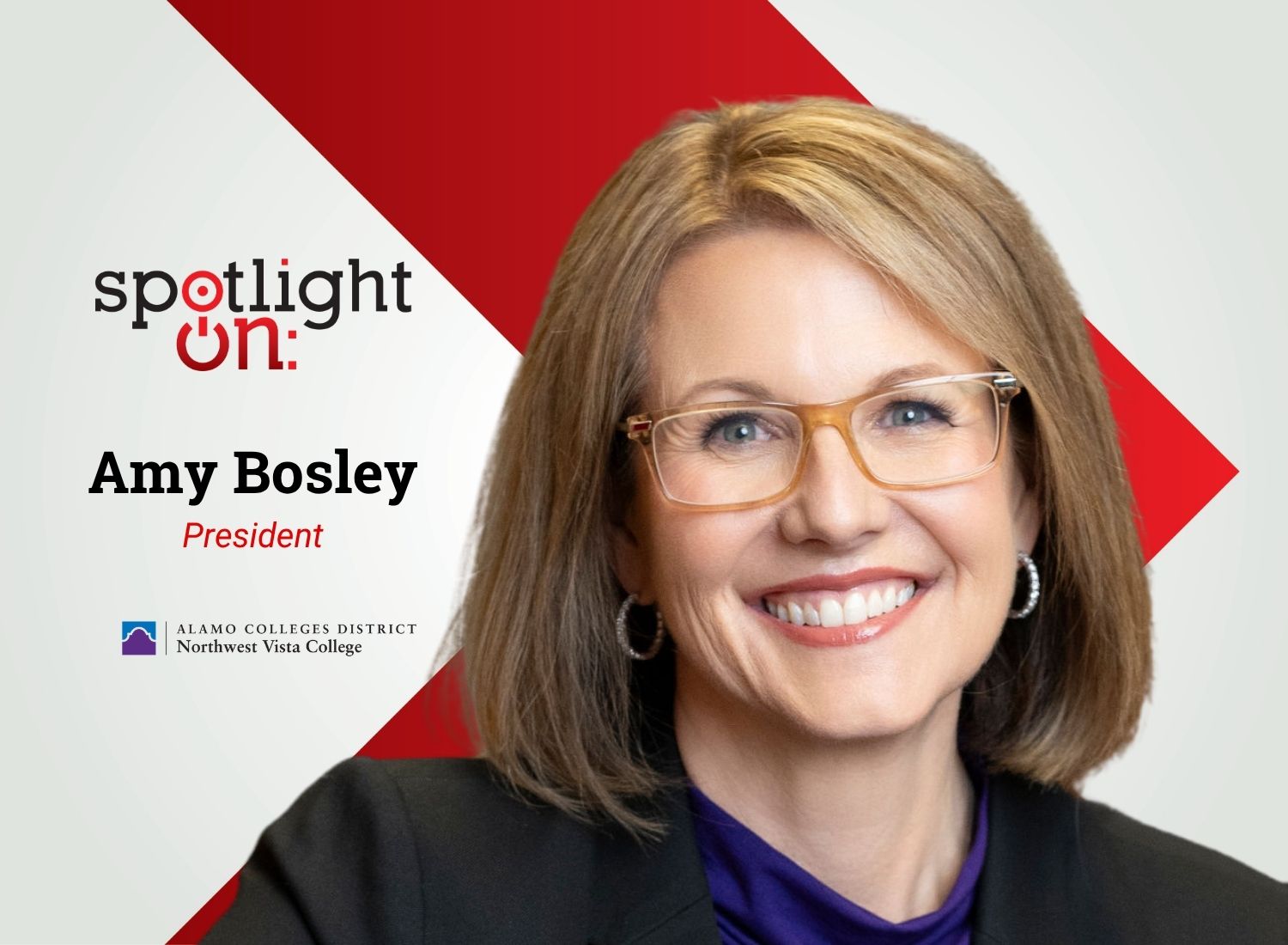

Mark Yancy, CEO, Nashville Health
 November 2025 — Mark Yancy, CEO of Nashville Health, sat down with Invest: to discuss how Nashville Health is leveraging new and emerging technologies and how Nashville Health is helping to shape the health infrastructure of the city. “Our goal remains ambitious but clear: to make Nashville the healthiest city in America,” said Yancy.
What changes over the past year have most impacted Nashville Health, and in what ways?
We’ve expanded our team and strengthened our collaborative impact model. One example is our ongoing hypertension project, a public-private partnership (PPP) that includes Belmont University, local health centers, and Metro Parks, among other partners. It’s a civic coalition involving the mayor’s office and other organizations, and it has grown significantly. We’re seeing promising collaborative processes and results and are excited by the momentum.
Another major milestone is the release of our Workforce Wellness Report. Our goal remains ambitious but clear: to make Nashville the healthiest city in America. That vision depends on broad collaboration and cross-sector investment. One highlight is our signature event, Wellness and Prosperity, developed in partnership with Morgan Stanley, underscoring the financial sector’s role in advancing community health.
How are your cross-sector partnerships evolving and what future initiatives are you excited about?
Community health must be made relevant to broader stakeholders. For example, elevated hypertension rates in an area can impact local businesses through increased healthcare claims, mental health days, and absenteeism — all of which affect recruitment and retention, key KPIs across sectors. We bridge the gap between technical public health data and its real-world implications for employers and communities. In Nashville, key industries like healthcare, entertainment, and hospitality are clustered downtown and midtown. The surrounding neighborhoods, where many of these workers live, often face health disparities. Making that connection helps companies understand why investing in local health is investing in their own workforce.
How have ongoing changes in the market impacted Nashville Health?
Rising costs are forcing people to make difficult health choices. Transit and mobility are growing concerns as Nashville expands, and housing prices continue to climb, pricing many out. These economic pressures make access to care and wellness resources even more urgent.
How is Nashville Health leveraging new and emerging technology?
Data is critical in healthcare, and AI is beginning to reshape the industry. It’s already improving workflows and accelerating research, which is vital given the current workforce shortages. But we must be intentional. If AI is trained only on narrow datasets, it can worsen health disparities. On the other hand, if we build inclusive data models, AI can empower underserved communities. We’re still the ones telling AI what to do. It reflects the values and priorities we program into it. That’s a powerful reminder.
What does the regional health and wellness landscape look like today compared to a few years ago, and where do you see it headed?
Health outcomes are improving in some areas but worsening in others. Mental health, especially among youth, is deeply concerning. Alarming increases in reported stress, anxiety, and suicide suggest we’re failing to protect our youngest populations. The World Happiness Report traditionally shows a U-shaped happiness curve — high in childhood, low in middle age, then rising again later in life. But now, the childhood baseline seems to be missing.
That’s new, and mostly unique to the U.S. Meanwhile, though maternal health has improved in some respects, the overall trend remains troubling. In Nashville, we need to reframe the conversation: What are we leaving on the table when we don’t invest in people’s health? Public engagement often requires more than just bad news; it needs to be actionable and relevant in terms of a greater economy, and not just the situating of our current limitations.
As Nashville continues to grow, how is Nashville Health helping to shape the health infrastructure of the city, particularly in underserved communities?
Wellness Opportunity Zones reflect our macro-level strategy. The U.S. ranks poorly in health outcomes compared to Canada and Western Europe, and Tennessee ranks 45th among U.S. states. In Davidson County, entire neighborhoods lack grocery stores, green spaces, or safe areas for physical activity. These are the places we’re engaging with a focused approach that can be replicated and scaled. We can’t become the economic superpower we could be without first investing in people’s well-being.
Why is community engagement important when it comes to behavioral change?
Food and culture are deeply personal. In North Nashville, we’ve engaged a chef to develop healthier meals that resonate with the community’s food traditions. For instance, when our Chief Culinary Officer demonstrated a healthier version of mac and cheese to a group of executives, they immediately asked for the recipe. That kind of engagement matters — people respond to solutions that meet them where they are.
What are your top priorities for the next three to five years?
This work is an arc, not a quick fix. It took decades for Tennessee to reach its current health challenges, and it will take sustained effort to change that trajectory. Our vision for the next decade is for NashvilleHealth to become so embedded in the community that the challenges we are targeting are no longer challenges. In the meantime, we will keep pushing, tracking outcomes, and learning from both successes and missteps. True leadership means identifying what doesn’t work just as much as celebrating what does.
We live in a world that craves instant results, but real change takes staying power. That’s our role: to lead the conversation, make it relatable, and avoid getting stuck in statistics. During the pandemic, people struggled to understand public health messaging. Effective communication is about interpreting information so the public can grasp why it matters. Ultimately, public health depends on a renewed social contract, an understanding that individual actions, like staying home when sick, are acts of care for the community. The time to rethink our systems in ways that targets a healthy community and not just individual progression is now.