Sam Couvillon, Mayor, City of Gainesville
 In an interview with Focus:, Sam Couvillon, mayor of the city of Gainesville, highlighted the city’s remarkable economic growth and development initiatives. “The outstanding investment in our downtown continues,” he said, detailing major projects transforming the community. Couvillon also emphasized Gainesville’s balanced approach to sustainable growth, and addressed key challenges like transportation infrastructure and affordable housing. “A lot of good things are happening in Gainesville. We have a promising future,” Couvillon said.
What have been the key highlights and major developments in Gainesville over the past year?
The outstanding investment in our downtown continues. A year and a half ago, the opening of a Marriott hotel drew growth to our downtown corridor. Since then, we’re up to 13 to 15 restaurants in downtown Gainesville. Investor Jeff Payne, who has already invested $90 million, is building a $15 million office building and adding a Hilton Hotel. These brands — Hilton, Marriott — provide instant credibility.
Six months ago, we celebrated the one-year anniversary of Boot Barn Hall, our concert hall. The tickets sold were purchased from 27 counties, showing how hotels, restaurants, and concert halls boost our local economy. Our downtown continues to show the growth we want to see.
From a business perspective, the I-85 business park, the largest the city owns, has attracted global companies like CJ Foodville, bringing 150 good paying jobs, and a new data center to support artificial intelligence. We’ve also seen growth in local companies like the King’s Hawaiian restaurant and Kubota, a lawn mower and tractor company, reflecting growth in both new and existing industries. A lot of good things are happening in Gainesville. We have a promising future.
What types of development projects are driving the highest demand for permits, zoning applications, and new proposals?
Three years ago, permits focused on multifamily housing around the downtown corridor. Recently, permits have shifted to single-family homes for owner occupancy, a positive change. We’ve seen many permits pulled, especially for the Gainesville Township development, which will include about 2,200 homes. This development surrounds a city-built youth sports complex, The Coop, with walking trails, creating a unique concept. While multifamily permits were common, the rise in single-family owner-occupancy homes represents good growth in Gainesville, as these residents will work for the entities previously mentioned, contributing to sustainable development.
How is Gainesville addressing the city’s housing needs, particularly affordable and workforce housing, as it continues to attract new businesses and opportunities?
We’ve added over 240 affordable housing units with the Gainesville Housing Authority, including subsidized and below-market-rate housing. We’ve broken ground on 80 more units, and our City Council has approved a development for another 90 units, totaling around 500 units during my tenure as mayor. While impressive, this only scratches the surface of the need in Gainesville and other communities. This isn’t just about low-income housing, it’s for policemen, firemen, and teachers. Starter homes are no longer $100,000 or $200,000; they’re now $350,000 or $400,000. Maintaining an inventory of affordable housing is critical, and we’ve worked hard to address this.
Are there specific sectors or industries the city is actively working to attract or support through economic incentives or infrastructure investments?
We don’t target a specific industry but focus on key factors. In 2013, we asked companies, “How many jobs are you bringing?” Now we ask, “How many jobs are you bringing? What kind of salary is it paying? What kind of benefits are they getting?” With automation in manufacturing, a company that once brought 200 jobs may now bring 60 or 70. We see this as positive because it brings investment without overburdening schools, which struggle to accommodate rapid growth. We aim to attract good-paying jobs with benefits, prioritizing automation to avoid an overwhelming population influx.
What recent public-private partnerships have been established in Gainesville, and how do they align with the city’s strategic priorities?
The biggest development in Gainesville over the past year involves our old 1970s mall, a 54-acre site purchased two years ago. We announced a partnership with the developer to demolish the mall and build a modern shopping and residential area, a $400 million investment. The city is supporting this through a TAD zone (tax allocation district) to incentivize the project, exemplifying public-private partnerships. The mall, once thriving with 75 or 80 stores, now has only 10 or 15, making this redevelopment crucial. We’re excited and expect groundbreaking by year’s end.
How has your background in the employee benefits industry and private sector shaped your approach to city leadership and economic development?
As a pro-business politician, I focus on managing growth effectively, recognizing its importance. Recently, someone complained about traffic in Gainesville, but I noted many Georgia communities would envy our “problem” of being crowded, as they lack growth. I’m mindful of the moving parts required for growth, including having a premier health system, as people won’t relocate without hospitals and doctors; top-notch schools, with the Gainesville and Hall County public school systems excelling, plus Lakeview Academy for private education; and parks and recreation, which show investment in people, as families consider where kids will play and learn. These elements — healthcare, education, recreation, and a pro-business stance — attract business and make Gainesville appealing. This model could benefit other communities across the state.
How is Gainesville ensuring that its growth remains sustainable and inclusive for all residents as the city continues to expand?
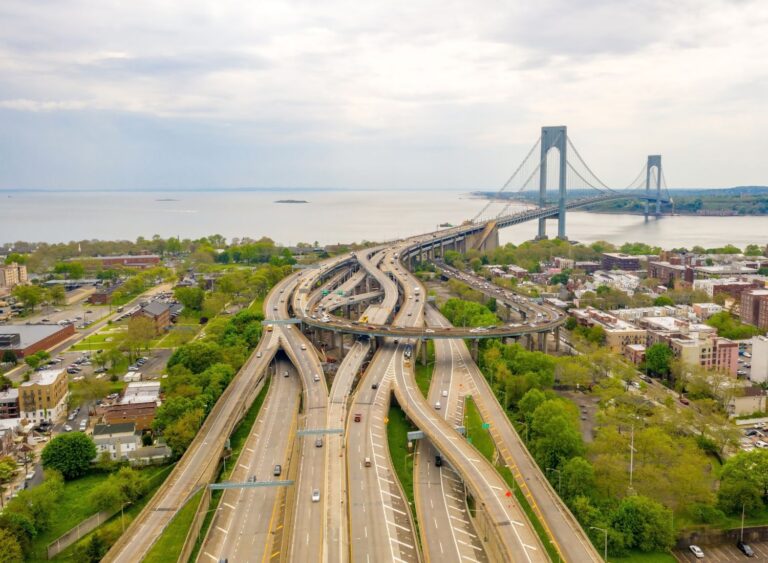
Managing growth is challenging, especially for infrastructure. Last fall’s transportation sales tax failed, so we must creatively use tax dollars to improve corridors, streets, and traffic flow. We need to manage growth for everyone, involving the housing authority as we do that. It’s not just about developments like the 2,000-home Gainesville Township, we also need attainable housing. Focusing only on attracting engineers for manufacturing while neglecting workers leads to failure. We must balance all priorities. We’ve done well overall but are behind on transportation needs. Recently, I met with a state legislator to secure more funding for local roads and bridges. It’s challenging, but it’s what we were elected to do, and we’re addressing it.
How are Gainesville’s city departments, such as planning, code enforcement, and building inspection, collaborating to enhance the development process?
I take pride in Rusty Ligon, our community planning and development leader. Developers from metro Atlanta — Alpharetta, Decatur, Roswell — say we’re the easiest to work with, issuing permits quickly. Rusty’s philosophy is to work toward “yes,” understanding developers’ goals, and finding solutions, fostering coordination among departments to encourage investment in our community. While some Georgia communities take six months to issue permits, Gainesville is organized, concise, and supportive, attracting developers. For investments worth millions, we can move from first meeting to investment in six months, unlike other places where permitting adds another six months, stretching the process to a year or more. Our approach genuinely encourages business, which is key to our successful growth.
How do Gainesville’s modernized tech tools like GIS and Accela improve the experience for developers and business stakeholders?
Technological improvements streamline processes for developers and businesses in Gainesville. They offer a single touchpoint where applicants enter information once, automatically routing it to all relevant departments. This system makes the process more manageable, eliminates redundant paperwork, and ensures applicants are in the system across all departments. Beyond our helpful staff, this technology simplifies doing business, enhancing ease of investment. We invite potential investors to experience firsthand how easy it is to work with our community.
What major challenges or obstacles is Gainesville facing, and how is the city working to address them?
Transportation is our biggest challenge after the failed transportation sales tax, which would have generated nearly $100 million. Without that funding, we must get creative, exploring options like working with state legislators and federal representatives to secure grants, making smaller-scale improvements, such as added turn lanes and intersection upgrades instead of major bypass projects, and implementing incremental changes. Growth increases transportation demands, and while we can’t make sweeping improvements immediately, we’re committed to finding solutions through partnerships and strategic smaller projects to address this challenge.