
Spotlight On: Deanna Obregon, Chief Strategy Officer, Ibis Healthcare
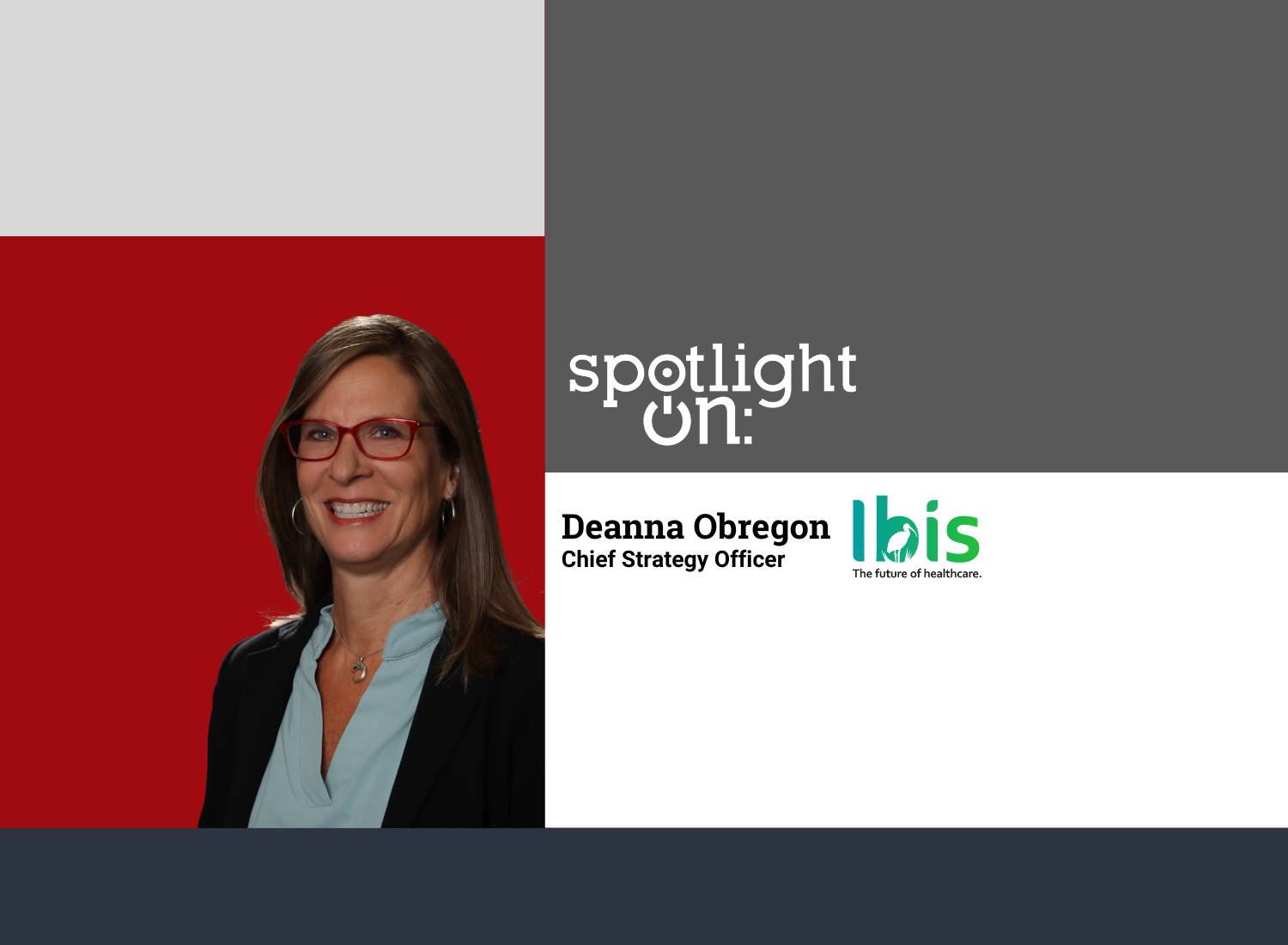 March 2026 — Invest: spoke with Deanna Obregon, chief strategy officer of Ibis Healthcare, about the merger that brought together behavioral health, mental health, and primary care under one integrated model. “No matter what door you come in, we can assess you and determine what you need, and we had the full continuum to provide it,” Obregon said.
What were the key drivers behind the merger that formed Ibis healthcare, and how did it reshape the organization’s strategy?
Cove Behavioral Health was known as a leading provider of substance use treatment in Hillsborough County, and Gracepoint Wellness was known for mental health services. As we started talking about the future, we kept coming back to the same issue: patients needed the full continuum of care, and the system was too siloed to deliver it efficiently.
Patients would come through one organization, complete assessments, see licensed clinicians, nurses, physicians, and case managers, and then get referred elsewhere for the next part of their care. If they had a mental health need in addition to substance use, they were often starting over, using the same limited licensed workforce twice. With staffing shortages and fewer licensed professionals available, that approach was not sustainable and it was not patient-centered.
The vision became building one organization that could provide the full continuum: substance use services, comprehensive mental health services, and primary care. Gracepoint also had an FQHC look-alike, which strengthened the primary care component and made integration more practical. No matter what door you come in, we can assess you and determine what you need, and we have the full continuum to provide it, so patients were not being bounced between organizations to get the services they needed.
Once we aligned on that, our boards looked at what was best for our community, and how we make access easier.
We also wanted a name to reflect something new. Ibis Healthcare signaled a combined organization while still carrying forward the experience behind it, including decades of history on both sides. In these first months, our strategy has been to blend operations and culture first, then accelerate growth once the foundation is stable.
What early impacts are you seeing on patient access and outcomes since the merger?
Access was one of the first areas where we saw meaningful change. We combined call centers so that when a patient calls, they can be assessed and linked into the right program right away. Before, people were too often told to call another organization after they had already worked up the courage to make the first phone call. That created another roadblock and forced them to tell their story again.
Now, the call center can identify what is going on and connect the patient without sending them elsewhere. We are also seeing stronger warm handoffs across levels of care. When someone steps down from residential to outpatient, the transition is planned, the next appointment is set, and the next provider is ready. If a patient needs more support, the move up to a higher level of care is coordinated internally rather than starting over outside the organization.
It is still early. The merger became effective July 1, 2025. But even in that short time, smoother access and better transitions have been some of the most visible improvements for patients.
How are you approaching recruitment, retention, and training while blending two teams into one workforce?
We are doing two things in parallel by blending teams and building pipelines.
On the integration side, after the initial hesitation that is natural with a merger, many staff became excited because they gained access to expertise they did not have before. Mental health teams can tap deeper substance use expertise, and substance use teams can tap deeper mental health expertise. With primary care in the mix, we can better wrap services around complex patients, and staff feel they have more bench depth to support high-acuity situations.
Operationally, we have unified duplicated functions into single programs and processes. Outpatient programs were aligned, call centers were combined, and teams were trained on a shared workflow. It takes education, team building, and clear communication, especially in the first year, to move from Cove did it this way and Gracepoint did it this way to now we do it the Ibis way.
On the workforce development side, we work with registered interns and provide clinical supervision to support licensure. We also train fellows and residents through the University of South Florida, with rotations through our programs. That exposure helps build the broader workforce, and it also becomes a natural feeder when people decide they want to stay in a mission-driven environment after they graduate or become licensed.
Which trends are most influential in behavioral health today, and how is Ibis healthcare positioning itself within them?
Integrated care is the biggest trend. The integration of medical and behavioral health is becoming fundamental to improving outcomes. By combining substance use, mental health, and primary care, we can coordinate treatment plans, reduce fragmentation, and improve communication across disciplines, including clearer visibility into medications and reduced risk of contraindications across settings.
The second major trend is artificial intelligence and how it can support access and care delivery. We have started using AI in areas like call handling, and we are exploring AI-supported documentation tools so staff spend less time on paperwork and more time with patients. We are also looking at tools that may help identify changes over time from session to session, including signals like shifts in voice cadence, to help clinicians ask better questions and intervene earlier.
At the same time, we are cautious. Not everything in AI is appropriate for behavioral health, so we stay focused on patient safety and clear clinical benefit before adopting anything at scale.
What are your key goals and priorities for Ibis healthcare over the next two to three years?
Workforce strategy is a major priority. We are likely to see more consolidation across healthcare as experienced clinicians and leaders retire and the pipeline does not refill quickly enough. Organizations will need to avoid duplication, like repeating assessments across separate systems, because every duplication wastes scarce clinical time. That is why we focus on training and development programs that help build capacity over time.
We also think proactively about succession planning, including roles people do not always talk about, such as CFO leadership, where retirements are rising and replacement experience can be hard to find.
In terms of service expansion, we are working to open a 64-bed psychiatric hospital for women, which we believe will be the first women’s psychiatric hospital in Florida. That is scheduled to open summer 2026 and will require meaningful workforce growth.
Clinical trials are another focus. We recently wrapped our first trial focused on cocaine use and medication approaches, and we are beginning a second trial focused on opioid use and different medication options. We expect to begin enrollments in February. Over the next few years, we also want to expand responsible use of AI in ways that strengthen access, improve documentation, and support earlier intervention, while keeping clinical judgment and patient safety at the center. Staying involved in research helps us shape future care models while improving treatment options for patients today.
Want more? Read the Invest: Tampa Bay report.