






Bob Schafer, President, Ranger Construction
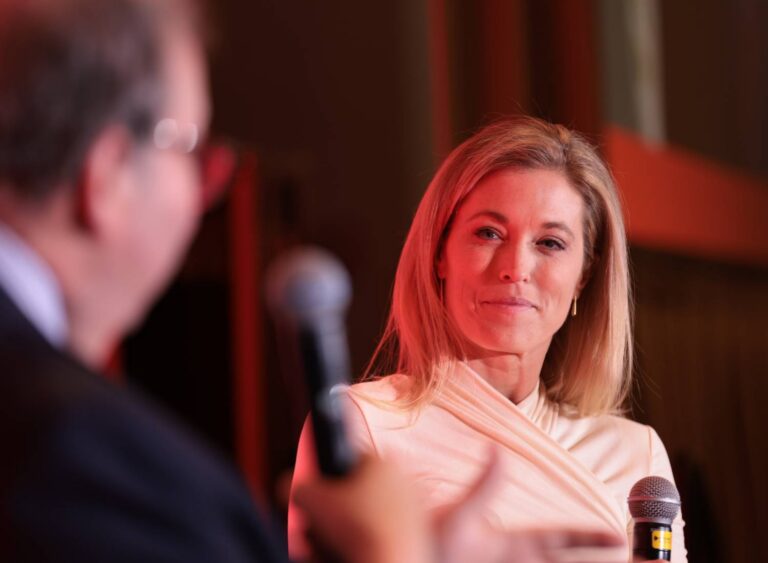
 Bob Schafer, president of Ranger Construction, spoke with Invest: about the company’s role in infrastructure development in Florida. “The heavy civil construction in Florida is going through a peak, and there is a lot of infrastructure spending throughout the state. We have a pro-growth governor and legislature who understand that the number of people moving into Florida requires new roads, infrastructure, and capacity.”
Ranger Construction has been a key player in the Florida construction industry for decades. What is your vision for the company’s growth over the next few years?
Heavy civil construction in Florida is at its peak, with significant infrastructure spending underway across the state. At some point, that momentum will level off. I don’t think everyone is looking for dramatic growth right now — most are focused on stabilizing and seizing opportunities as they arise. We’re not aiming for leaps and bounds; we just want to keep improving at what we do best.
In an industry that is often affected by economic cycles, how do you ensure that Ranger Construction remains resilient during periods of downturn or uncertainty?
We have to be nimble and able to react. We want to be in a market where there are niche opportunities to jump into and continue to do the work we do. We want to be as vertically integrated as possible between the materials, production, and operations sides of the business. Doing as many of these as we can creates stability when things turn down in the economy.
What do you consider the most significant trends in the construction sector today, and how is Ranger adapting to these changes?
We build roads and bridges and produce a lot of asphalt. Beyond that, infrastructure is growing by leaps and bounds. Within the next 10 years, we may even see flying cars. The fact that it’s possible — and likely to happen in the near future — is incredible. Even though we just move dirt and lay asphalt, there will be plenty of opportunities ahead. New technology in automated equipment control, training, and workforce development is already transforming the industry. We’re seeing major growth in turning less experienced operators into highly skilled professionals through automation.
What innovative tools or technologies is Ranger adopting to streamline operations, improve safety, or enhance project delivery?
We adopted automated grade control many years ago. What used to be an add-on to equipment is now becoming standard. We use it regularly on our airport, heavy highway, and local municipality projects. We’re now waiting for the next generation of systems so we can take advantage of the technology even more.
On the safety side, we’ve piloted the Road Defender lane intrusion system. Cars crashing into our equipment and workers is a serious concern, and this technology will help save lives. It features AI-powered camera systems that learn work zone layouts and monitor how traffic should flow. Employees are alerted when vehicles approach at an unexpected speed or direction. We’re using it on several jobs as a pilot program, and the Department of Transportation is coming on board to help fund the technology. Down the road, it will save lives across the industry and eventually be seen nationwide.
What types of projects and industries are driving growth, demand, and profitability for Ranger Construction? Where do you see the biggest opportunities for growth?
FDOT has been steady, with some growth in its funding over the past five years. We have a pro-growth governor and legislature who understand that Florida’s population growth demands new roads, infrastructure, and capacity. FDOT has been great for us and remains one of our best clients. We also do a significant amount of airport work, supported by funding from Washington, D.C. With continued growth, especially in Palm Beach County, FDOT continues its resurfacing program to keep roads up to standard and prevent pavement failure.
How is Ranger incorporating green building practices into its projects, and what role do you see sustainability playing in future construction?
Asphalt is, by weight, the most recycled product in the world. Every time you see a new road being built, an average of 30% of that asphalt comes from recycled pavement. We recycle everything we can. Sustainability has always been part of our industry, but we don’t talk about it much. We rotate vehicles regularly and always look for those with high fuel efficiency. Over the years, we’ve made our manufacturing facilities as efficient as possible. It’s good business — good for the environment, good for our people, and good for the bottom line.
How does Ranger prioritize safety on the job site, and what steps are taken to ensure that safety standards are continuously met?
Safety is our top priority, and we have full-time safety directors and staff. We also have geographic-based safety directors who regularly travel to every crew to perform audits and inspections. We promote a “see something, say something” culture and rely on employees to bring forward safety concerns. Before work begins each day, we hold documented toolbox talks with every team. Each foreman has a tablet to show safety videos in multiple languages. We also present safety awards and hold quarterly supervisor meetings to review incidents and share best practices.
How does Ranger Construction engage with local stakeholders when planning and executing projects?
We offer constructability reviews to all the counties and municipalities we work with. We don’t want a project to go out for bid and then require a bunch of changes or field adjustments. It takes extra time and money to fix those problems once a job is underway. We always want an extra set of eyes for constructability purposes — it saves time, money, and effort once the job is bid and under construction. It all comes down to good communication. One thing we emphasize with new, young engineers is the importance of building relationships. Even if there’s bad news to share with an owner, it’s better they hear it as quickly as possible so you can work together to solve the problem.
What strategies is Ranger employing to attract and retain skilled labor and talent?
It used to be easy to find people because the industry was very generational. We had a lot of families and military veterans working for us. The dynamic has changed as we’ve moved into younger generations, and many families no longer want their kids to stay in the industry. I think it’s starting to come full circle, as we’re beginning to see more families returning to the business. The industry as a whole is investing more time in training and showing the benefits of being part of it. We encourage and provide training for every employee through internal and external sources.
What do you see as the biggest challenge for the construction industry today?
The cost side of things has been difficult, especially since COVID. Cost increases have slowed, but those increases affect materials, logistics, and labor. Then we have to turn to owners and tell them the money they set aside isn’t enough anymore. Getting budgets to match today’s costs is a challenge. We need more real-time budgeting with owners. FDOT does a great job, but counties and cities are lagging.