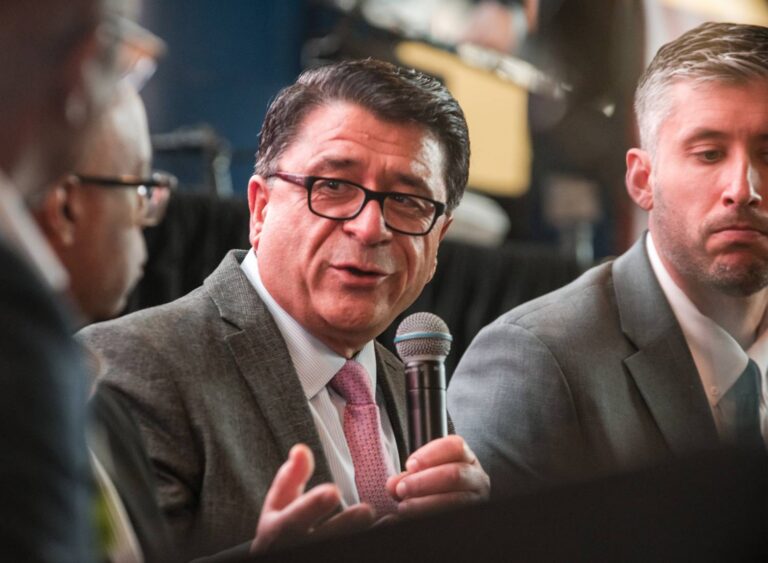







David Edmiston, Regional Managing Director, Fiduciary Trust International
 Wealth management is both an art and a science. For a client, working with a focused team of professionals rowing in the same direction is key to balancing returns and managing tax implications. A newer player in the Atlanta market, Fiduciary Trust International is helping clients navigate uncertainty while expanding its presence across the Southeast. In an interview with Focus:, David Edmiston, regional managing director for the wealth management firm, highlights the importance of understanding a client’s goals and objectives and why Atlanta is a key market for the firm’s operations.
What key changes have made the most impact for your operations in the past year?
Fiduciary Trust International entered the Atlanta market in late 2021. While we’ve had clients across Georgia for many years, this was our first physical presence in the city. Our mission is to grow the Fiduciary Trust International brand regionally, establishing Atlanta as a southeastern hub that serves the broader region while collaborating with our offices across the United States.
What factors make the Atlanta market attractive for your operations?
Our footprint stretches along the East Coast from Boston to Coral Gables, with a West Coast presence in California. Until 2021, we did not have a presence in the Southeast. Atlanta filled that gap.
What makes Atlanta really attractive is its demographics and economic momentum. There is a lot of new wealth being created from business owners selling their companies and tech entrepreneurs taking firms public and a strong pro-business environment overall. The city is home to many Fortune 500 headquarters, as well as institutional organizations such as nonprofit foundations and endowments, which are a key client base for us. It is a very ripe environment for a wealth management business that has been around for nearly 100 years, but is new to the Atlanta market.
What services are currently seeing the most demand among your clients?
We are an investment and planning firm. We do not have sideline businesses such as banking services. We are specialists at working with individuals who are typically high-net-worth individuals, family offices, and nonprofits. Our minimum account threshold is $5 million.
Our first priority with individuals is establishing a comprehensive wealth plan. We start by understanding the purpose of their wealth, such as investing to make an impact in their community through charitable giving, providing for their family, or creating a lasting legacy across generations. From there, we collaborate closely with the clients’ CPAs and attorneys to make sure the clients’ planning components are understood by all, and then bring those plans to life through investment management.
Education is another major focus. The world is becoming more interconnected and increasingly complicated. We help clients understand aspects of the tax code and implications with their current situation and goals such as philanthropy and family wealth transfers. We facilitate conversations among family members regarding values and long-term goals. Whether serving individuals or institutions, integrating investment management with thoughtful planning is our primary role.
What goes into client education in the midst of a constantly changing economic landscape?
The first half of this year was marked by volatility. There were tariff announcements and unfavorable geopolitical events. Clients are seeing rapid economic and political shifts, and timely communication is essential. This means being available to connect with clients when they call us.
Because we operate as a boutique firm, we pride ourselves on being very responsive. We maintain manageable client loads among our team to maximize the amount of time we can spend with clients to better understand them and foster a relationship. We also host many educational forums such as in-person symposiums and webinars in order to inform clients on matters such as upcoming legislation and our views on the market. These touchpoints often spark more focused conversations such as evaluating risk tolerance in a portfolio. We work closely with our clients to understand their priorities and needs. Being nimble and accessible helps us support clients through uncertainty.
What technology advancements are changing the wealth management industry?
In many ways, every wealth management firm today is also a technology company. Of course, AI is a driving theme. We pride ourselves on offering clients a seamless digital experience while maintaining a personal touch. By leveraging technology, we are gaining efficiencies in terms of monitoring changes within portfolios, researching investment opportunities, or even simple things such as transcribing client meeting notes. Technology is part of the equation, but face-to-face communication remains a major piece of the client experience.
What key changes in the regulatory environment are you tracking closely?
This is always one of the top three concerns that a client brings forward and expects a perspective on. However, while taxes shouldn’t drive every decision, they play a critical role in achieving long-term goals. Many advisors and firms only promote investment returns but neglect to consider the tax management aspect which can significantly impact the overall return of the portfolio and a client’s potential tax liability.
For example, recent legislation has increased estate tax exemption levels. When we work with clients, particularly those that have a taxable estate, we make sure that our in-house experts as well as the client’s CPA and tax attorney work together on what the client wants to accomplish. We also pay close attention to capital gains and tax-loss harvesting opportunities—an often overlooked strategy that may create tax alpha for the client.
The tax component of the client’s investment plan is a key cog in the wheel, but it has to be balanced. The current environment has become a bit more favorable for the affluent investor who, in 2025, will be able to protect up to $14 million from estate taxes and, therefore, transfer more wealth to the next generation and/or charities.
What are the main challenges in creating a wealth strategy for clients?
Every client is unique. It is key for clients to understand what their true risk tolerance is, but this is often only revealed during a significant market downturn. People can intellectualize their risk tolerance but experiencing a market cycle reveals their true comfort level and emotional response, which helps us tailor the strategy more personally. That is the art of the job rather than the science. This comes through listening deeply, understanding emotional reactions, and educating one on the benefits of diversification. Our role is to help ensure portfolios can weather inevitable cycles while still achieving long-term goals.
What are your top priorities in the coming years?
Growth remains our focus. We’re excited about our new office in Buckhead, which strengthens our presence and brand visibility in Atlanta. We are expanding our local advisory board and are investing more in our marketing and branding initiatives. We will continue to invest in our people, expanding our office locations across the East Coast, and broadening our investment platform to better serve clients across Fiduciary Trust International.