



Downtown Orlando’s urban appeal attracts residents, visitors
Writer: Chérie Lynn Canada
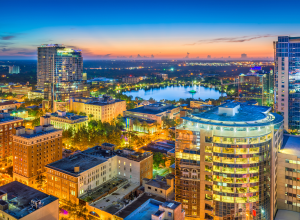 July 2024 — Downtown Orlando has experienced remarkable growth in recent years, driven by strategic efforts from city officials, including Mayor Buddy Dyer, to foster the right kind of development. This intentional growth aligns with the broader population boom across the city, positioning downtown Orlando as a burgeoning residential and economic hub.
“Our greatest achievements are our collaborations and partnerships. The culture we have created has enabled us to achieve many successes and work with local governments, businesses, and nonprofits. These achievements have occurred thanks to the Orlando community’s ability to put egos and partisan and jurisdictional differences aside to work for the city’s good,” Mayor Buddy Dyer told Invest: in a recent conversation.
A significant indicator of this growth is the substantial investment in high-rise residential projects. As of 2024, approximately $1.5 billion worth of residential developments are in progress, reshaping the downtown skyline with new high-rise apartments. These projects aim to meet the rising demand for urban living spaces as more people seek the convenience and vibrancy of downtown living.
One notable development is the approval of a $20 million project aimed at redeveloping and redesigning key areas of downtown Orlando. This project includes the acquisition and redevelopment of several properties, such as the historic site at 1 N. Orange Avenue and the long-vacant site at 30 S. Orange Avenue. The goal is to rejuvenate these areas and integrate them into the broader urban landscape, enhancing both their aesthetic and functional appeal.
“Our district is unique as it resides in the heart of downtown Orlando, at the center of the bustling downtown business corridor. Our district includes city hall, high-rise buildings, and a vibrant nightlife and entertainment hub. We have partners at KIA Center and other businesses just outside of our district boundaries, with whom we often collaborate (KUL Furniture, Orlando City Soccer, Hittn’ Skins). We serve business members during the day, as well as hospitality, vendors, and visitors at night. As we continue to drive people downtown and welcome more residents to the district, we want to be that warm extension of the city and showcase how incredible our neighborhood truly is,” Despina McLaughlin, President of City District Main Street told Invest: when asked to describe the unique characteristics of the neighborhood it serves.
City officials, including those from the Orlando Community Redevelopment Agency, have been proactive in these efforts, ensuring that growth is not only robust but also sustainable and beneficial to the community. The strategic focus on residential-friendly projects, coupled with the enhancement of public spaces and amenities, reflects a comprehensive approach to urban development.
“Among my top priorities over the next four years will be completing the renovation of Camping World Stadium. The Orange County Commission just voted to allocate Tourist Development Tax (TDT) funding to that end and to upgrade the Kia Center. We also need to complete the second phase of Creative Village,” said Dyer.
Camping World Stadium is set to receive $400 million in TDT funding for improvements this year. Improvements include rebuilding the terrace and upper deck and adding a new fieldhouse. Kia Center will receive $226 million for improvements. Combined, the two venues will get over $600 million in funding.
Overall, downtown Orlando’s transformation is a testament to the city’s forward-thinking leadership and its ability to adapt to the evolving needs of its population. With ongoing investments and developments, downtown Orlando is well on its way to becoming an even more vibrant and attractive urban center.
According to a report, titled The Value of U.S. Downtowns and Center Cities, residential growth in downtown areas has accelerated 50% from 2000 to 2021, on average, outperforming a citywide average of 15% growth. Downtowns are also regional shopping, nightlife, and entertainment centers that account for 11% of citywide retail sales dollars, 35% of hotel rooms, and generate $345 million in retail sales per square mile, approximately four times the citywide average.
For more information, please visit: