



Dustin Ballard, Managing Director & Brokerage Market Leader for South Florida, Colliers
In an interview with Invest:, Dustin Ballard, managing director and brokerage market leader for South Florida at Colliers, said South Florida’s commercial real estate market remains strong. He also discussed the impact from new industrial supply and how investors can best take advantage of emerging opportunities.
Reflecting on the past year, what have been the most significant milestones or achievements for the company in South Florida?
I took over this role with Colliers in June of last year, so I am still getting my feet underneath me and wrapping my arms around the business in this region. I have used Colliers in different capacities throughout my entire career, not only in South Florida but also in other markets across the country, which is why I am a firm believer in the brand and what we specialize in. For me personally, the opportunity to be a part of what Colliers is building in South Florida was the highlight of my year. We have a great culture, a strong collective team, and phenomenal leadership. I am excited to build on the successes that Colliers has had in this region over the last several years.
We have a long list of notable transactions from last year. As a full-service commercial real estate company, we handle many different types of transactions throughout the year, so it is difficult to pinpoint one or two specific deals.
How would you describe the state of the commercial real estate market in South Florida, particularly in office, retail, and mixed-use spaces?
I am extremely bullish and optimistic about what 2025 has in store. We are continuing to build on the momentum that South Florida has seen in the commercial real estate industry over the last few years. Everyone is overwhelmingly busy, whether it is pitching new business, landing new clients, or servicing existing ones. I am excited about what is ahead for this year.
Some key trends we are keeping a close eye on include the impact of the new administration. Regardless of where one sits on the political spectrum, I think there is a collective sense of relief that the election year is behind us. Now, people can focus on what they do best, which is making business decisions. I am also closely watching the return-to-office movement. Some of the largest corporations and employers in the United States are implementing return-to-office policies. As an office leasing professional by trade, I have cut my teeth in this area for years, so I find this encouraging. It is critical for efficiency, collaboration, and communication.
South Florida continues to perform exceptionally well, with sub-10% vacancy rates across all major asset classes, which is impressive compared to the rest of the country. The business-friendly environment in South Florida plays a key role in this success, and I hope that continues. Having worked in California and other markets, I have seen different approaches to governance and business regulations. I firmly believe South Florida is positioned for sustained growth across the board.
How do you see demand developing for class-A office space, especially in Miami, and what are companies looking for in their office spaces today?
The key to encouraging people to return to the office is offering high-quality spaces with top-tier amenities. The days of viewing an office simply as a place to work are over. Now, it is about providing a hospitality-like experience that excites people about returning to the workplace. The most important factor is creating office spaces with premium amenities that employees can enjoy. Companies want work environments that promote collaboration, wellness, and convenience. This shift toward hospitality-driven office spaces is critical in maintaining strong occupancy rates and attracting top talent.
What impact do you foresee given the surge of new supply in the industrial sector in Miami-Dade, and how can investors and developers stay ahead?
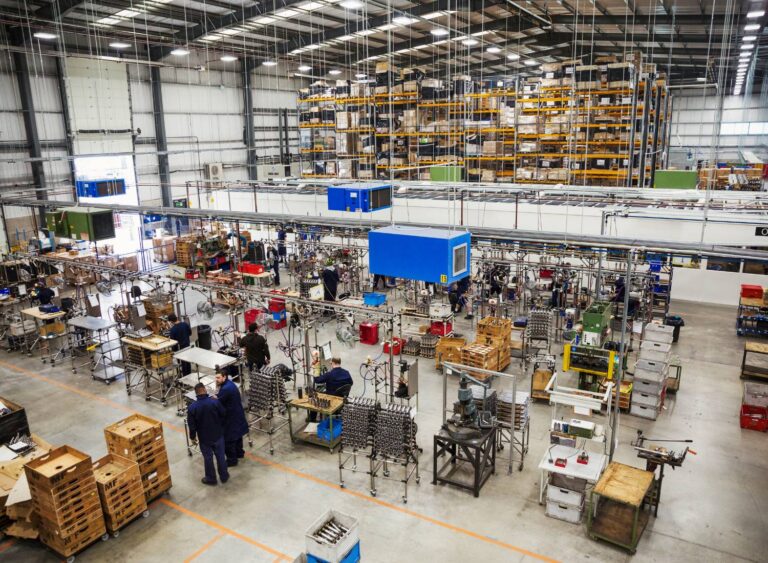
As one of my former bosses used to say, “There is no substitute for wearing out shoe leather.” This phrase resonates in the current market conditions where the industrial sector has seen a flattening of rental rates and negative absorption, and supply and demand dynamics need close monitoring. However, the commercial real estate industry has always been cyclical. Industrial real estate has performed exceptionally well in South Florida over the last several years. While there are signs of a slowdown, I do not believe it is cause for panic. It is simply a matter of adapting and getting creative.
For developers, offering top-tier customer service and hospitality-driven amenities will be essential to attracting tenants. For brokers, creativity, persistence, and relationship-building will be key to winning business. This is a relationship-driven industry, and maintaining strong connections is crucial, particularly during market downturns. The best professionals will leverage their networks and think outside the box to navigate any temporary stagnation.
Given Palm Beach County’s industrial sector outperforming other markets in South Florida, where do you see the best opportunities for future investment?
Market fundamentals remain strong. Our fourth-quarter market report for Palm Beach’s industrial sector showed 7.2% year-over-year rent growth and three consecutive quarters of positive absorption. The Treasure Coast, north of Miami, is a submarket to watch. We have a team in West Palm Beach that focuses on the Treasure Coast’s industrial and flex sectors, and they are extremely busy right now. As long as Florida continues to be a business-friendly environment and maintains a focus on infrastructure and ease of doing business, the sky is the limit.
What opportunities do you see emerging in the commercial real estate space in South Florida, and how can investors capitalize on them?
Investors can take advantage of these opportunities by leveraging the knowledge of those who are in the market daily and understand it inside and out. I may be biased, but I believe we have the best brokers in Florida. They are passionate about their work and embedded in the communities they serve. Having spent most of my career in ownership, investment, and development, I have always prioritized leveraging third-party brokerage relationships. To succeed in today’s market, developers and investors must focus on building high-quality, amenity-rich spaces, whether in industrial, office, retail, or special-purpose projects.
What challenges do you foresee in South Florida’s commercial real estate landscape, and what strategies are you implementing to mitigate these potential headwinds?
Mitigating headwinds requires staying nimble, being creative, and focusing on culture. When the market faces difficulties, the only thing you can rely on is your people, so putting an emphasis on team culture is critical for us. One of the key challenges is the higher interest rate environment, which does impact decision-making. While it is something to monitor closely, I remain optimistic about the year ahead.
If you had to offer one key piece of advice to businesses or investors looking to enter the South Florida real estate market, what would it be?
Hire Colliers. In all seriousness, the key is having boots on the ground and truly understanding the market’s nuances. Miami, Fort Lauderdale, Boca Raton, and West Palm Beach all have distinct characteristics. If you are sitting in New York, the Midwest, or the West Coast, you cannot fully grasp these differences until you spend time here. The best way to do that while keeping budget constraints in mind is by leveraging third-party service providers who have their eyes and ears on the ground every day.