





Face Off: Atlanta CIDs driving growth and community planning
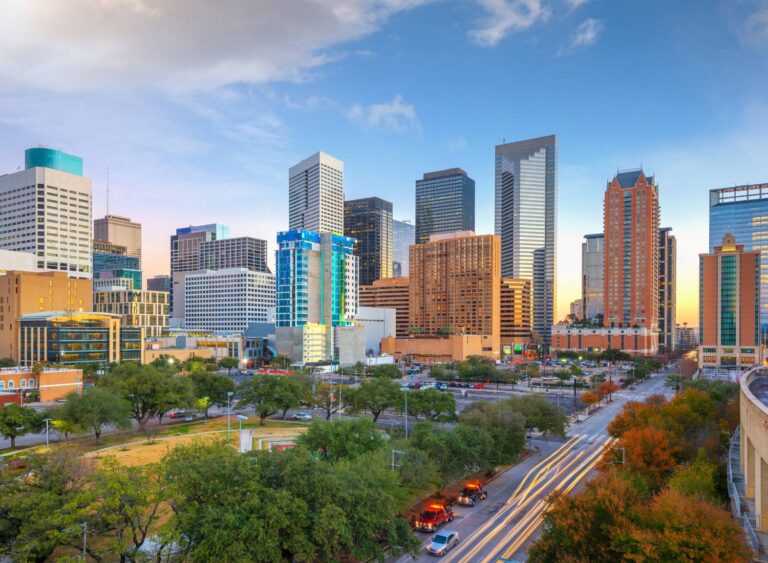
 September 2025 — Community Improvement Districts (CIDs) are quietly reshaping Metro Atlanta’s economic and physical landscape. Through self-imposed commercial property levies, these organizations fund infrastructure upgrades, from safer streets to parks and transit enhancements, that elevate the quality of life and catalyze new development.
More than 30 active districts across Georgia have collectively invested over $1.5 billion, leveraging an additional $5 billion for infrastructure mobility, beautification, and redevelopment projects statewide.
In Atlanta’s West End, the $450 million redevelopment of the aging Mall at West End is now underway. Managed by Atlanta Urban Development and the Beltline, the project will introduce grocery, medical, retail, residential units and a hotel, with phase one slated for completion by 2026.
And over in Cobb County, Town Center CID combines major infrastructure projects with creative placemaking. Its bikeshare program, now in its 10th year, has logged more than 100,000 rides and is expanding with new e-bikes, while public art murals and seasonal pop-up events are redefining the district’s identity.
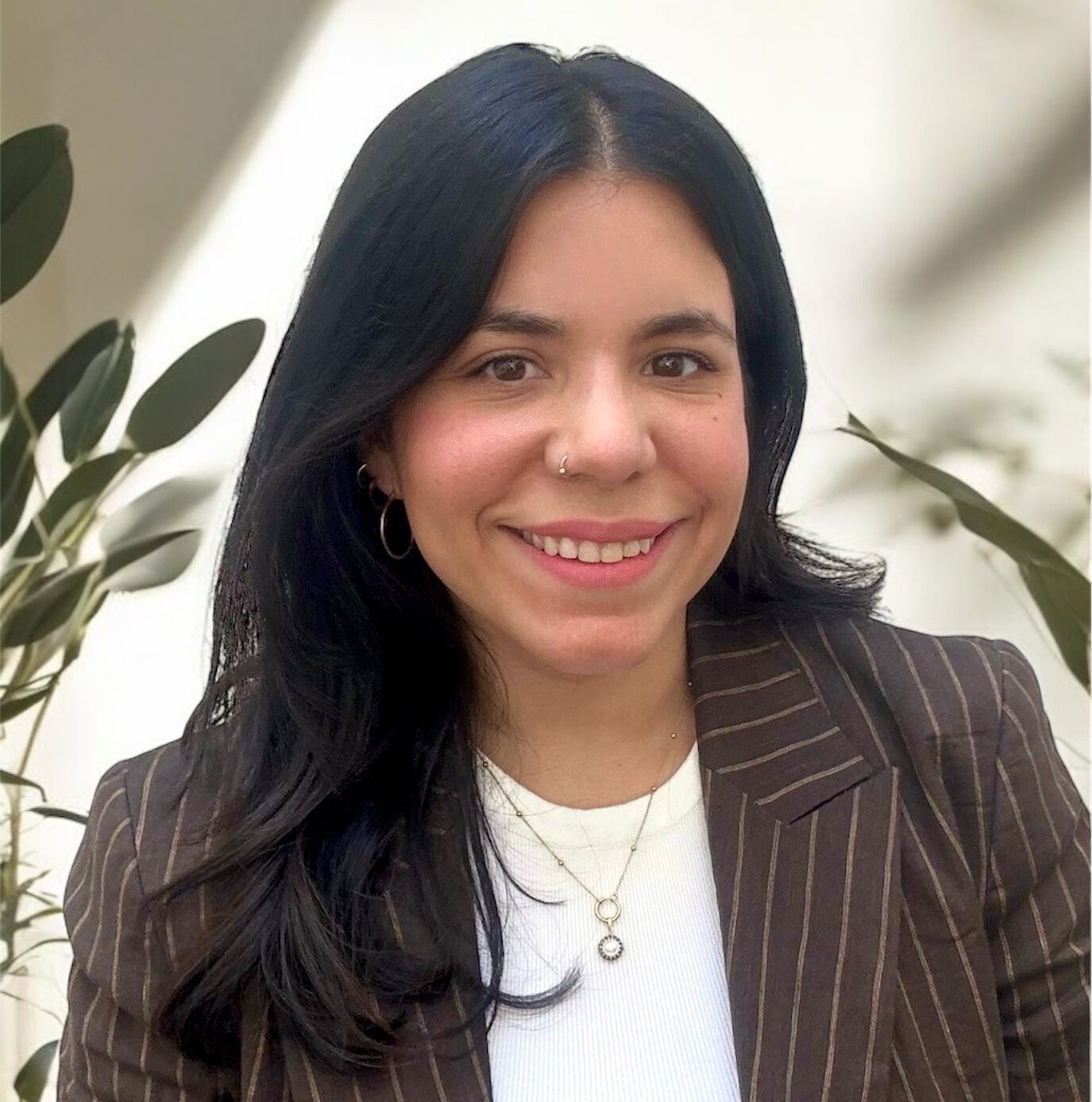
With these efforts reshaping the region, Focus: spoke with Nicole Hall, CID administrator of Assembly CID, and Tracy Styf, executive director of the Town Center CID. They shared how development, long-term planning, and strategic partnerships are positioning their districts for sustainable growth and stronger community impact.
How are redevelopment and long-term planning shaping the future of your district, and what projects stand out as key examples of that transformation?
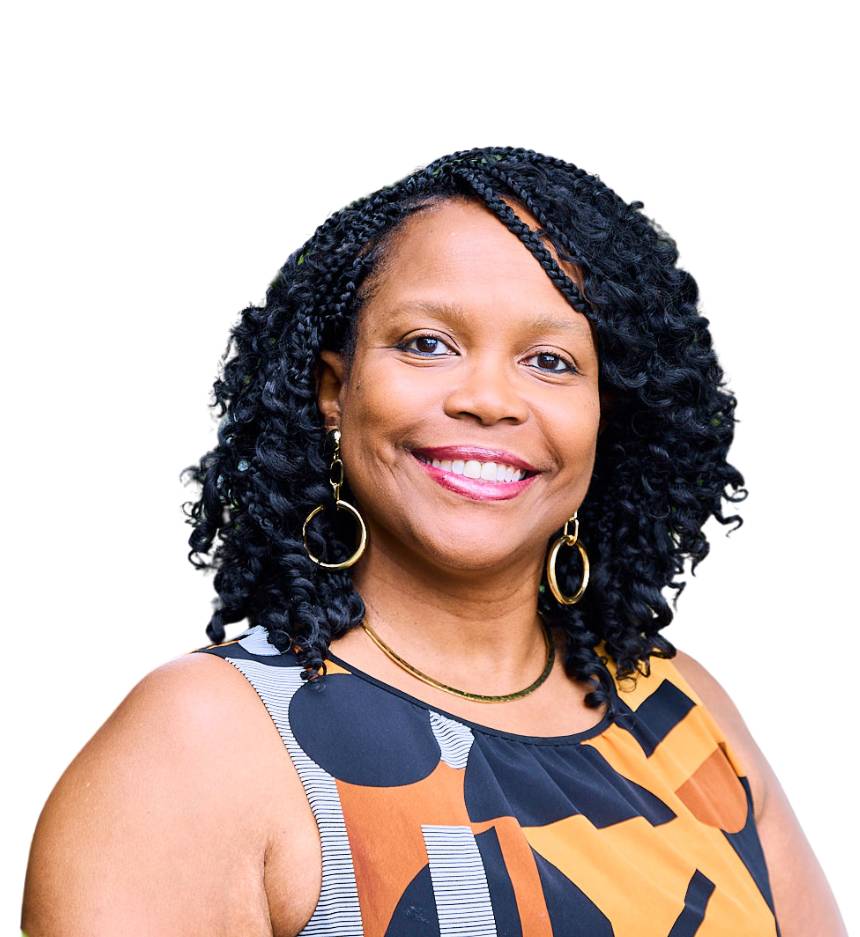 Nicole Hall: Over the last year, the biggest accomplishment was the sale of the West End Mall, a process spanning five to seven years. This sale, with redevelopment now imminent, is a catalyst for Southwest Atlanta. The redevelopment, alongside the Lee + White development and the Beltline, is transforming the area. The mall, previously all commercial, will become mixed-use, introducing housing that can’t be part of the CID’s taxable portion. This shift will drive more business, boosting property values, which have already risen. The area near Metropolitan is also changing, revitalizing Southwest Atlanta along I-20.
For Assembly CID, the film studios in DeKalb have exploded. Located at Spaghetti Junction, the site saw little progress under its first developer. When Gray Media took over, development surged within two years, with studios opening and more shows filmed, gaining national attention. The CID focused on infrastructure, enabling hotels, housing, restaurants, and commercial growth. Assembly Studios is just part of the site, with more development planned. Working with Gray Media to build something unique from the ground up is exciting and unique to our CID.
 Tracy Styf: We take a long-lens approach on strategic planning. As the second oldest CID in Georgia, our focus is on redevelopment. We are not a district that has a lot of vacant green space for new vertical projects, so we keep a keen eye on what we need for today and what we will need tomorrow. We have two organizations inside Town Center that collaborate: the Community Improvement District, in its 28th year, and our Town Center Community Alliance, celebrating its 10th anniversary in 2026. Together, they look at the quality of life and long-range planning.
We took a commercial area around a mall and evolved it over the past three decades into a community with more than 37,000 jobs, that’s 10% of all jobs in Cobb County that are located in Town Center, and 15,000 residents. Our district is a significant hub where people can access major interstates and spend time. Collaborations with Kennesaw State University (KSU) ensure students have positive experiences not only on campus but also in the community. We want students to stay and add to the workforce after they graduate.
All of these pieces connect in a way that keeps our focus on economic development and converting properties for the future.
What kinds of infrastructure or community improvements are you prioritizing right now, and how are they impacting local businesses and residents?
Hall: We’re collaborating with partners to maintain the West End CID, enhancing sidewalks to boost foot traffic for businesses. With Mercedes-Benz Stadium, new hotels and restaurants, foot traffic has surged. Castleberry Hill, an artsy area adjacent to the stadium and part of the West End CID, sees heavy filming activity. The business climate, previously weakened by closures, is rebounding, especially with the 2026 FIFA World Cup preparations. For Assembly CID in Doraville, the isolated film studios are thriving, benefiting nearby Chamblee. Studio visitors frequent these cities for weekend activities, bolstering local commerce. To support this, food trucks are brought in, and more commercial construction, like hotels, is planned, creating a self-contained city. Currently, the studio is gated, but its workforce boosts Doraville and Chamblee’s economies.
Styf: We currently have 15 projects in the workplan totaling almost $100 million. The largest project — the South Barrett Reliever — will be completed in early 2026 and will be the largest infrastructure project in the history of the Town Center community. We have 60,000 cars per day coming into the area, and this project will reduce traffic by 20% along the major corridor. The project also includes the last portion of the inner loop, providing a complete street through major economic development centers inside the district. This loop will provide safer and more effective traffic flow, separating bike and pedestrian paths off-road. When we invest in this type of infrastructure, we enhance the mobility of the community and impact economic development. As we update these main corridors, it sets us up for key redevelopment projects to occur.
What kinds of businesses or institutions are shaping your district’s identity, and how are you working with them to support future growth?
Hall: In the West End CID, restaurants and retail are the most prominent businesses, particularly near downtown. The area’s unique draw lies in its diverse eateries, offering vegan, African, barbecue and more, attracting a wide crowd. Retail will likely continue to see the most growth due to the mall redevelopment. Some stores were shut down but relocated, as closing them would’ve harmed the community, where these are often the only stores available. Over five years, we’ve done surveys, and residents want quality stores with items they need, not necessarily big brands. The mall developers are listening to the community and business owners, thoughtfully choosing retail to supplement, not replace, small businesses. This will bring a good mix, including grocery and higher-end shopping we don’t have now. That’s the opportunity, and it’s going to be really good for the area.
Styf: Hospitality is also a key pillar of the Town Center district due to our location on I-75 and in Northwest Georgia. We partner with hotels and other hospitality and tourism organizations to make sure they have information on the trail system, parks, and greenspaces.
We have a very close working relationship with Kennesaw State, working alongside the University on strategic and master plans, and concepts for district enhancements. In addition, I, along with two of our CID board members, serve as trustees on the foundation board. KSU and the CID have “grown up” together in a way, it’s been incredible to see and experience. We look forward to the University’s future growth and ensuring our district remains a thriving college and business community.
Looking ahead, how are you positioning your district to capture future opportunities and strengthen its long-term outlook?
Hall: We’re working closely with the Beltline — not exactly the economic development arm, but like Invest Atlanta. Our community improvement district is smaller, but we have great partners. They offer programs for small businesses to be seen on a higher platform, attracting people. With the World Cup coming, it’s an opportunity for them to put their businesses out front, to draw folks to the West End and Castleberry Hill. It’s the West End CID, but we don’t want to forget Castleberry Hill is part of it, especially since it’s closer to Mercedes-Benz Stadium. Visitors will hit Castleberry Hill before the West End. The partnership with the city of Atlanta, the Atlanta Beltline, and Invest Atlanta is helping. They have a website and link for visitors to see these businesses. The diversity in this African-American community is an attraction, offering a unique mix you might not get elsewhere. We’re working with these partners to lift up those businesses right now.
Styf: We will continue to protect and strengthen the assets and revenue that come into the district. We are focused on different ways we are raising funds, securing grants, and being thoughtful with our tax dollars to ensure we are partnering with all levels of government to accomplish our goals.
We conduct studies and identify lots of projects, and there’s never enough money to do all the things we want or need to do. We want to ensure Town Center’s longevity and success by being a vibrant community with a diverse number of assets. A mall in need of redevelopment has been part of our master plan for more than 20 years. It’s not an if, it’s a when. We’ve seen the revenue of our district be pulled down by the mall, and the decline in property value has direct correlation with what our property values could have been if the mall had continued to thrive.
Over the past decade, Cobb has seen a 156% increase in property value, and Town Center has seen a 122% increase. The anchoring effects of the mall property have contributed to revenue decline. We are working with all partners to reimagine what can be done and doing it in a focused, strategic way that invites the development community to come and show them our tools to be the best partner.
For more information, please visit: