





Face Off: How business improvement districts spark new energy
 September 2025 — Philadelphia’s Business Improvement Districts (BIDs) have become a powerful force in shaping the city’s commercial corridors, downtown vibrancy, and neighborhood character. Today, the city is home to 15 BIDs, with annual budgets ranging from as little as $20,000 to nearly $29 million, together supporting thousands of businesses and generating millions in local revenue.
Their impact is clear and on the rise. During Center City District’s Open Streets: West Walnut pilot, more than 47,800 visitors were recorded across four Sundays, boosting pedestrian traffic by 36% and driving a 90% jump in retail sales compared to typical Sundays, with nearly eight in 10 businesses reporting higher overall sales.
Smaller districts like East Passyunk Avenue BID have also seen outsized momentum, with more than half of their entrepreneurs being women and several businesses earning national recognition. As downtown foot traffic rebounds to over 400,000 people a day and neighborhood corridors flourish with award-winning restaurants and independent shops, BIDs are proving central to Philadelphia’s economy and neighborhood vitality.
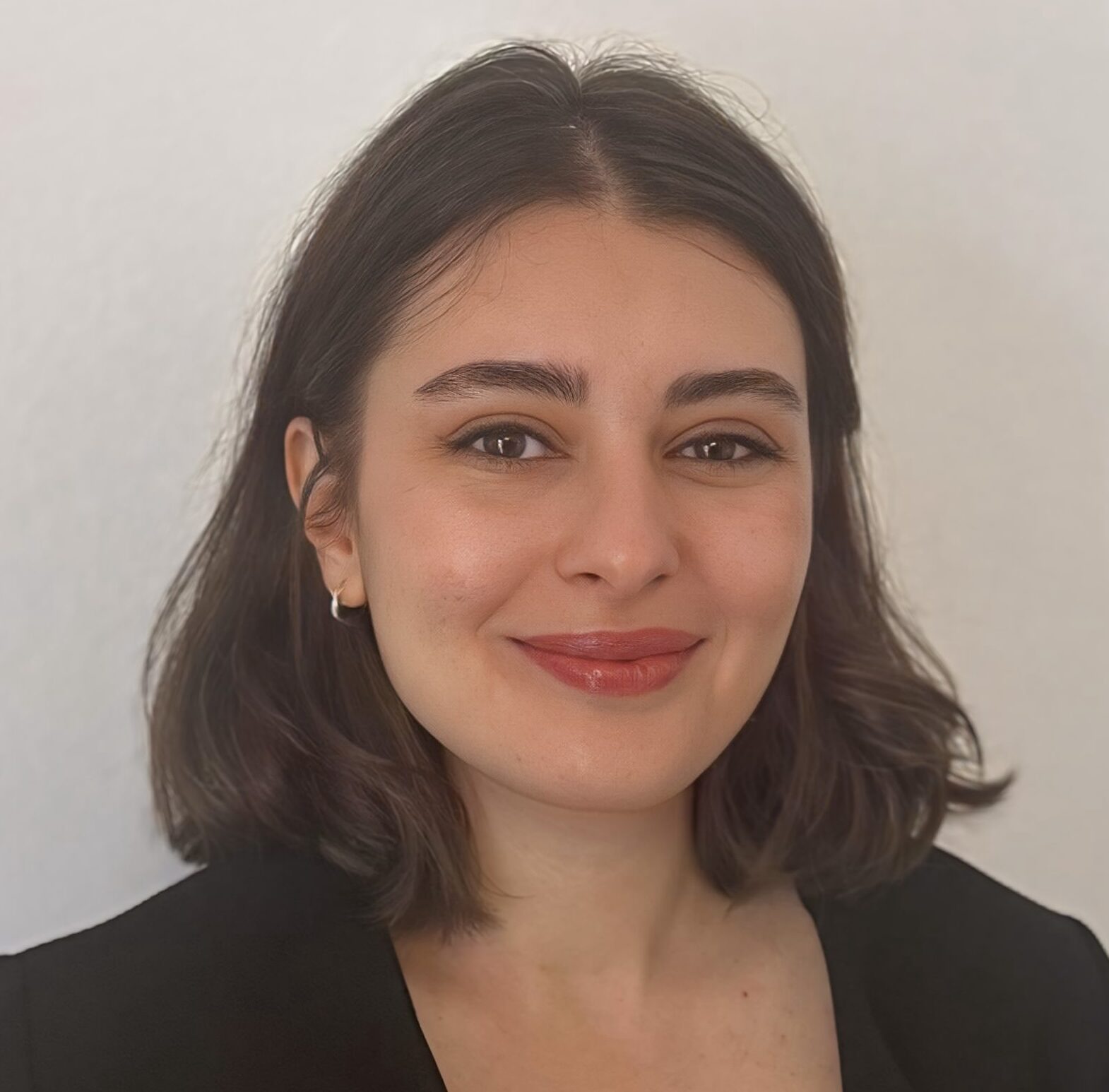
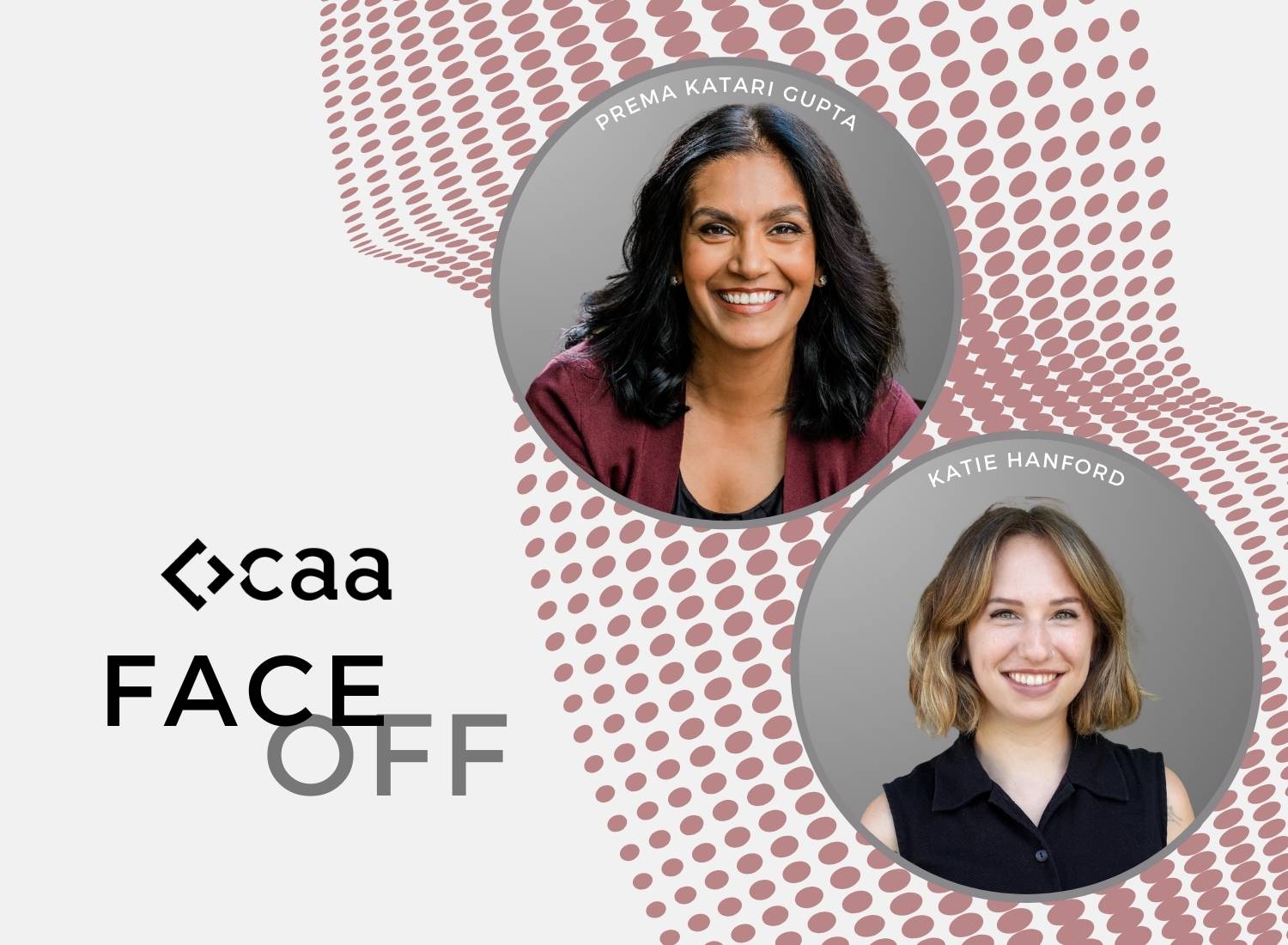
To discuss the success of Philadelphia’s BIDs, Invest: spoke with Prema Katari Gupta, president and CEO of the Center City District (CCD), and Katie Hanford, executive director of the East Passyunk Avenue BID. Together, these leaders represent two sides of Philadelphia’s economic engine: a globally recognized downtown core and a thriving South Philly neighborhood corridor.
Both offered insights on how their districts are navigating challenges, seizing opportunities, and contributing to the vitality of Philadelphia’s communities.
What changes over the past year have most impacted your district, and how have you responded?
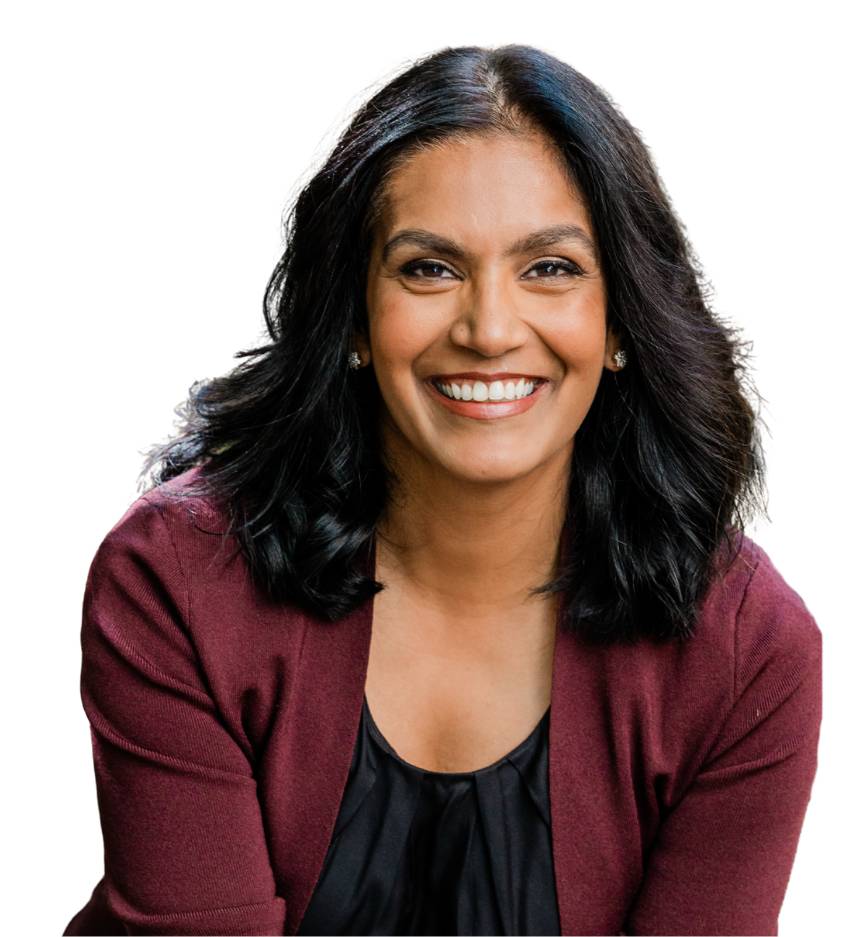 Prema Katari Gupta: I became CEO last January, succeeding our legendary founder, Paul Levy, after his 33-year run. A lot tends to happen after a founder transition, and much of our time has been spent on understanding our stakeholders’ priorities as well as assessing organizational culture and systems, while ensuring mission continuity. We worked together as a senior staff to define our mission, vision, and values. Our mission is to steward and advocate for a clean, safe, and thriving Center City Philadelphia. Our vision is that Center City is Philadelphia’s heart of commerce, culture, and connection, generating opportunity and prosperity for the city and region. At our core, we are an operational organization. We clean sidewalks three times a day, provide homeless outreach, and deploy public safety and hospitality ambassadors, whom we call community service representatives. That will always be our foundational work. However, the organization has also created space and resources to take on strategic initiatives.
 Katie Hanford: Our function is very neighborhood-focused — supporting the small businesses that line our corridor. Over the past year, we’ve seen a surge of growth. Milk Jawn, an award-winning ice cream shop, opened a second location in Northern Liberties, and Essen Bakery expanded to Fishtown. Gabrielle’s Vietnam landed on the New York Times list of the 25 best restaurants in Philadelphia, and five of our businesses won Best of Philly this year. That kind of recognition shows the caliber of talent here. At the same time, it’s exciting to be a corridor where entrepreneurs can start small and grow beyond the Avenue. Despite pressures like tariffs and rising costs, our community support remains strong. A lot of the money that is spent along the corridor comes from the four surrounding zip codes. All of this shows that people continue to prioritize unique, local, and authentic experiences in their neighborhood.
What strategies or opportunities are you prioritizing to strengthen your district’s future?
Gupta: One of Philadelphia’s advantages, and a competitive one, is walkability, especially downtown. We were just named, for the third year in a row, the most walkable city in America. William Penn and Thomas Holmes laid the foundation with a logical street layout with regular blocks that makes navigation intuitive. Our dense, mixed-use downtown concentrates residential high-rises, office towers, restaurants, shops, cultural venues, and services with a small footprint, so that most daily needs can be met within walking distance. Transit brings commuting workers and visitors into the walkable core. Active street life comes from ground-floor retail, restaurants, and businesses that keep sidewalks populated and interesting.
Our team has focused on leveraging that walkability. We’ve been experimenting with Walnut Street, our main retail corridor, closing it to automobiles on select Sundays through Open Streets Walnut. We just ran the same car-free experiment in Midtown Village. The thesis is that people walking are more likely to spend money at restaurants and retailers than people driving through. We want to treat the street as an extension of public space and create more room for interaction. These experiments have been successful. Retailers and restaurants have seen significant increases in sales volumes. It’s an exciting initiative that reinforces the idea that downtown should offer experiences where people are surrounded by strangers, all enjoying the city together.
Hanford: I see my role as a liaison between businesses and the city. Whether that is if they have any questions about permits, if they want to do something new with their business, or if they want to expand. I also want to introduce them to the grants and available resources. There are a lot of things out there that remain untapped or unknown to business owners. Connecting folks to those resources, especially those that are applicable to them, is something that I’m trying to do more of.
We also have a very large number of female business owners. Out of all of our business owners, 60% identify as women. The national average is somewhere around 35% or 40%. There are a number of grants out there that target female business owners specifically, which is really exciting. We’ve started an associate business membership program that allows businesses that are within the neighborhood to access our marketing and events services and receive some discounts for participation. We’ve had about a dozen businesses so far sign up for that. It’s great for them to have access to all of these resources. One of my primary goals has been to expand our business community. Many of the businesses in our area are small business owners starting from a small place and moving up. They do not often have a ton of capital and sometimes they don’t even have a ton of experience behind them when they start their businesses. Using that people power and that neighborhood experience helps bolster them.
Looking ahead, what is your long-term vision for the district?
Gupta: First, I want to double down on making Center City the most walkable downtown in America. That means making the streets more welcoming and improving the pedestrian experience.
The Open Streets initiative exceeded expectations. We anticipated strong interest, but the response was overwhelming. Now there’s demand to expand it, and we are working to bring it back on a larger scale. Our goal is for everyone, especially women and young people, to feel comfortable walking around downtown. Operationally, we are always seeking ways to use our resources more effectively and deliver better service. Reliability and consistency are at the core of our work.
At the same time, we must stay strategic and responsive. That means addressing perceptions of downtown, because perception is reality. We want to demonstrate how vibrant, safe, and inviting Center City truly is. We are also pursuing innovative solutions and partnerships around homeless outreach. And we are fortunate to have a strong, enthusiastic mayor who is taking bold, admirable positions on key issues. It’s an exciting time, and we are committed to helping Center City continue to thrive.
Hanford: We are hoping to bring nightlife and creative spaces to the Avenue in the coming years. We don’t have a music venue right now — we have just one jazz club and one club that has a DJ, and that’s for the entirety of South Philly. This is wild because we have many musicians who live here. That’s something that we would like to work toward, shifting the culture in that way. We are also neighborhood-based, and we love our neighbors and our residents, so we’re not trying to make ourselves a crazy clubby district.
We also want to make people feel safe when they’re walking around at 10 or 11 at night. Everybody deserves to feel safe in the area, and expanding back into the nightlife imprint can help with that as well. This year, we desperately needed new banners because our old ones were sun-bleached and had been around far past their expiration date. We purchased new banners in our branded colors, and they look great. It’s these types of interventions that people do not realize make such a large impact on the feel of the corridor.
We are also expanding some of our string lighting beyond the original installation on five blocks of the Avenue. My hope with this lighting project is to give a visual cue that things keep going and that people should walk a little bit further south to see the rest of the commercial corridor. Beautification can serve as a pretty quick and obvious intervention to get people moving in different directions. A little intervention can go a really long way.
For more information, please visit: