Face Off: How the latest investment is reshaping film and TV production in Pennsylvania
 January 2026 — With global audiences discovering Pennsylvania’s cities on screen, film production has quickly emerged as a headline industry shaping the state’s economy.
Join us at the Invest: Philadelphia 6th Edition Leadership Summit and Invest: Pittsburgh 3rd Edition Leadership Summit! These premier events bring together hundreds of Philadelphia’s and Pittsburg’s business and regional leaders to discuss the challenges and opportunities for businesses and investors. Buy your ticket now!
Central to that growth is the state’s production incentive — a 25% base tax credit, rising to 30% for qualifying post-production work — which requires productions to spend at least 60% of their total budget in Pennsylvania to qualify.
Over the past year, the state has doubled down on support for the sector. Under Gov. Josh Shapiro’s administration, more than $309 million in film tax credits has been approved for 106 projects, sustaining over 35,000 jobs across film production, skilled trades, hospitality and supporting services. These productions have generated measurable returns, injecting hundreds of millions of dollars in direct local spending, boosting businesses from equipment rental houses to hotels and restaurants, and showcasing neighborhoods on a global stage through streaming and theatrical releases.
As the Commonwealth continues refining its competitive advantage — including no hotel tax on long-term stays, diverse filming landscapes within short driving distances, and fee-free access to state-owned locations — local leaders see a growing opportunity to strengthen Pennsylvania’s position against major production markets such as New York, Georgia and California.
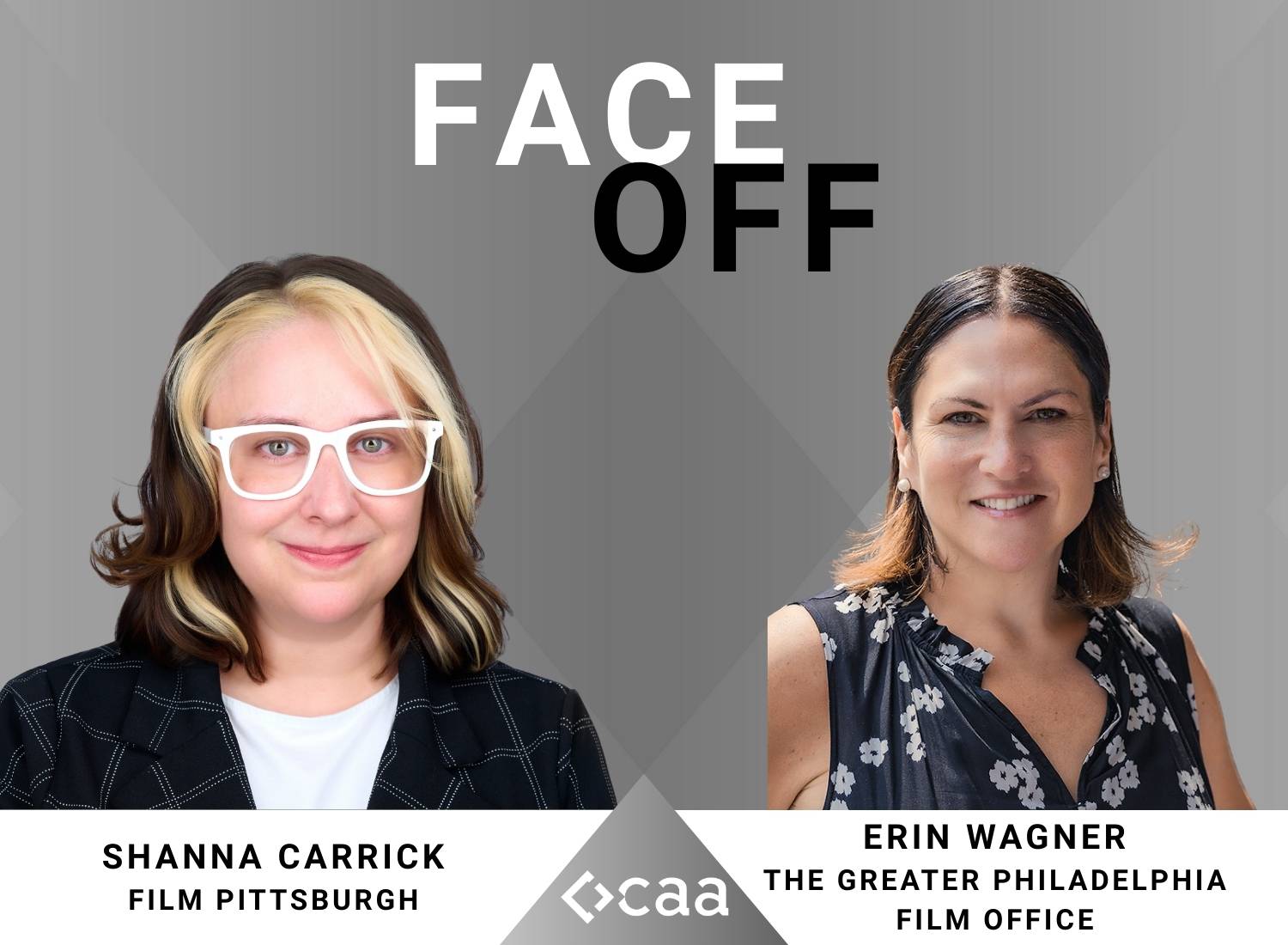
Invest: spoke with Shanna Carrick, executive director of Film Pittsburgh and Erin Wagner, co-executive director of The Greater Philadelphia Film Office, to learn about how they see the industry growing.
How is the film industry driving economic growth and investment in your region?
 Shanna Carrick: The film industry here is definitely on a growth path. Take Row House Cinema, for example. It started as a single-screen theater in Lawrenceville and has now expanded. They’ve acquired a 99-year-old legacy theater in Dormont — a Pittsburgh neighborhood — and are transforming it into an atmospheric theater. It’s actually the first atmospheric theater built in the United States in over 40 years.
Their investment is a powerful signal. At a time when streaming is more convenient than ever — watching movies on laptops or even phones — Row House is betting on the value of shared, in-person moviegoing experiences. People are still seeking opportunities to gather and engage with film as an event rather than passive consumption.
What projects have made a significant impact for the regional economy?
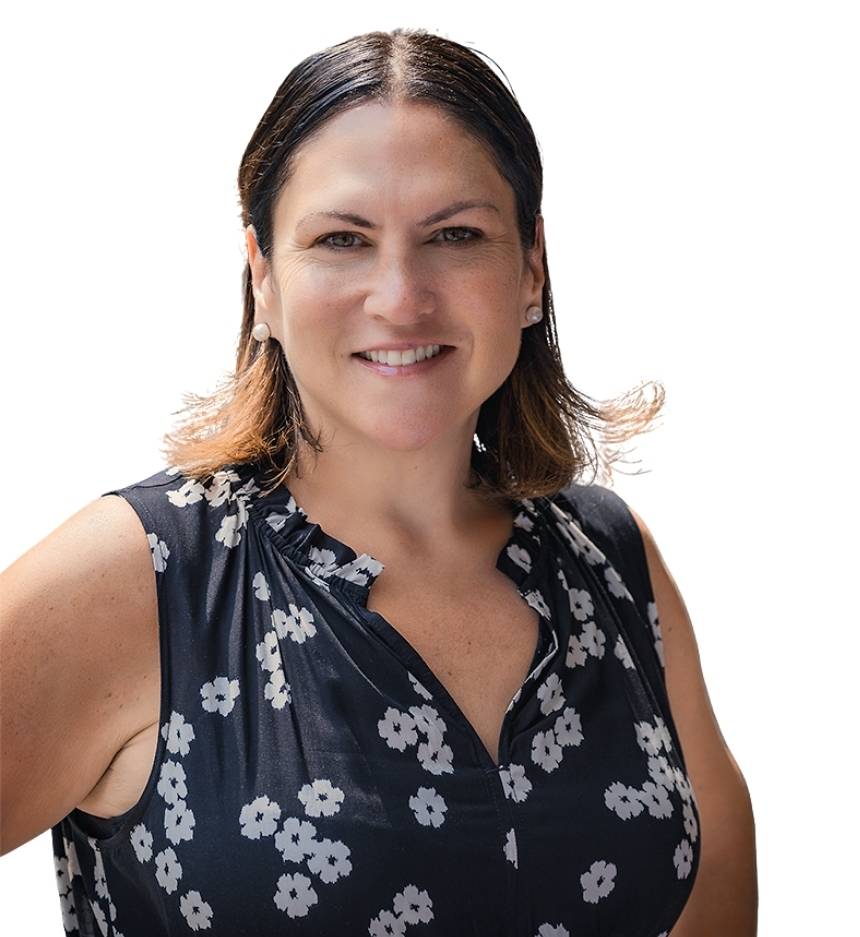 Erin Wagner: Mare of Easttown, for sure — an HBO series with Kate Winslet and Jean Smart that I have been calling a zeitgeist because it’s such an amazing project. Hustle with Adam Sandler was a big hit on Netflix. Audrey’s Children, an independent film, is out right now and it’s doing well on Rotten Tomatoes. Starring Natalie Dormer and Jimmi Simpson, it is the telling of Ronald McDonald House Charities’ evolution in association with Children’s Hospital of Philadelphia.
There is Dope Thief on Apple TV+ right now, shot in the area and spent $122 million while they were here for over 224 production days. We also have another HBO show coming out in the fall — the follow-up to Mare of Easttown called Task, also by Brad Ingelsby. They spent $113 million over 177 days in the region, and hired 777 Pennsylvania employees. So, the numbers do show how big productions are when you have a series. They produce more work for people because they’re here for a longer period of time.
What are your main goals for growth over the next few years?
Carrick: Our biggest goal is to position Pittsburgh as a destination city for film. I often reference the “Paris to Pittsburgh” initiative, where downtown restaurants brought dining outdoors to create a more European atmosphere. In the same spirit, we want Pittsburgh to be seen as the Cannes of Appalachia, or the Sundance of Pennsylvania.
We envision people traveling here from around the world to attend our festivals, watch incredible independent films, stay in our fantastic downtown hotels like our partners at IHG’s EVEN hotel and the Kimpton, and enjoy our amazing local dining scene. With events like the NFL Draft coming to Pittsburgh in April, there’s a tremendous opportunity to increase tourism and make sure those visitors come back year after year, not just for sports but for film as well.
Wagner: One of the biggest initiatives of mine going into this role was to tell people about the beauty of filming in this region, our hard-working crews, and what we have to offer. Every day, we send out film location packages to market the area. And our locations speak for themselves, they really do. We cover Bucks, Chester, Delaware, Philadelphia, and Montgomery counties, a vast array of amazing locations.
We just went to Los Angeles to meet people in production and government affairs and dispel some misconceptions about filming in Philadelphia. My big line lately is, “We can go 40 minutes from corn fields to urban neighborhood settings, and you can’t get 40 minutes from one side to the other on the upper east side.” We’ve done a good job of putting the word out there that Philadelphia is a great place to film. It’s social media posts, it’s word of mouth, it’s making meetings. Not only for the studios, but also for our local community, give us a call; we’re happy to help. We work from students to Spielberg, as I like to say.
Want more? Read the Invest: Philadelphia & Invest: Pittsburgh reports.
Subscribe to Our Newsletters