Funding uncertainty puts New Jersey healthcare at risk
 October 2025 — New Jersey’s healthcare sector stands at a pivotal crossroads as hospitals and health systems confront difficult financial pressures. At the federal level, changes in programs such as Medicaid, ACA subsidies, and 340B drug pricing are cresting a new wave of uncertainty that ripples across health systems nationwide. At the state level, institutions like the Heights University Hospital in Jersey City have warned that they may soon need to scale back non-essential services to stay afloat, a strong reminder of the precarious funding landscape.
This financial turbulence comes at a time when demand for healthcare—especially in home-based, behavioral health, and advanced research services—is rapidly increasing. As providers work to expand capacity and improve outcomes, they are forced to navigate the challenges of pending or declining funding and growing patient needs. These implications place critical services and staffing under stress. Throughout 2025, more than 2,100 NIH grants, worth about $12 billion, have been terminated.
Healthcare leaders must make difficult trade-offs between maintaining services, supporting their workforce, and investing in innovation. David Baiada, CEO at BAYADA Home Health Care; Anthony DiFabio, CEO at Acenda Integrated Health; Jean-Pierre Issa, president and CEO at Coriell Institute for Medical Research; Thomas Richardson, president at the Institute for Life Science Entrepreneurship; and Linda Schwimmer, president and CEO at the New Jersey Health Care Quality Institute (NJHCQI), shared their perspectives on how these funding shifts are playing out on the ground. From home health to behavioral health, from research institutions to startup ventures, their insights underscore the urgent need for sustainable investment to safeguard access, innovation, and the future stability of healthcare in the state.

David Baiada, CEO, BAYADA Home Health Care
Adequate funding continues to be the most important challenge. The need for home-based services is growing quickly, and with that comes a growing requirement for resources to meet that need. But healthcare funding is not unlimited. If more dollars are directed toward expanding care in the home, it often means less is available somewhere else. That trade-off creates natural tension in the system, and it is a big part of what we are navigating right now.
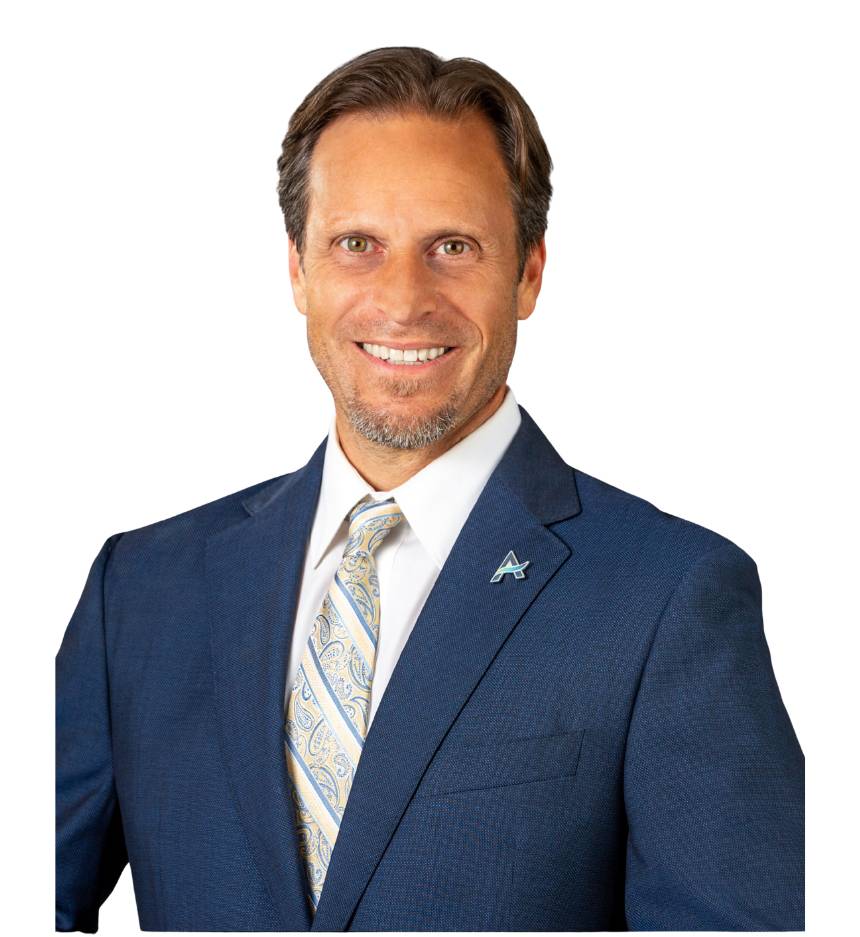 Anthony DiFabio, CEO, Acenda Integrated Health
Almost all behavioral healthcare agencies are experiencing significant challenges in hiring and retaining workforce, which ties directly to funding and regulatory burdens. Funding for behavioral health has remained relatively stagnant for over a decade. While there have been occasional adjustments, they have been few and far between and have not kept pace with inflation, especially post-COVID. This has made it extremely difficult to compete with other industries for talent. Some retail and banking jobs now offer higher wages than entry-level positions in behavioral health, which makes recruitment and retention a challenge.
Additionally, given that a majority of behavioral health professionals are women, the rising cost of childcare has made it more practical for some of our most critical and talented workforce members to leave the sector. At Acenda, we’re doing everything we can to increase compensation and support staff, but without adequate funding, it’s an uphill battle.
Regulatory burdens also add stress and feed into burnout. Many regulations haven’t been updated in decades, making it difficult to implement modern, streamlined approaches to care that allow our staff to do what they got into our field to do – provide care to clients. Addressing these systemic underfunding and regulatory challenges will be crucial if we are to sustain a strong workforce in the years ahead.
 Jean-Pierre Issa, President & CEO, Coriell Institute for Medical Research
At Coriell, we have accelerated the development of this innovation center and the interaction with potential biotech companies. While the cuts in research might affect some of the fundamental ongoing research in universities and institutes, we believe it will not have as much of an impact on the translational research and the formation of new companies.
Therefore, our innovation center could potentially benefit from the current environment, which focuses more on human research, translation, and developing drugs and new treatments. There is a worry about fundamental research and cuts to the National Science Foundation and the National Institutes of Health, which could impact the amount of research done by institutions. At the same time, we are seeing continued interest, and potentially renewed interest lately, from investors coming into new biotech, including from angel investors and new companies. We are seeing a refocusing of investment back into the life sciences sector.
 Thomas Richardson, President, Institute for Life Science Entrepreneurship
I think the major problem facing the startup ecosystem, particularly those emerging from universities, has been the uncertainty. There is significant hesitancy among organizations and grant agencies to make decisions about funding. That has had a tremendous negative impact.
One company I am working with has been sitting on a $3 million grant for months with a notice of intent to fund. However, due to changes in how overheads are managed or how grants are administered at the federal level, there is a delay. This has a huge impact on the operations of a startup company and certainly their livelihood in the short term.
More broadly, at universities, federal changes affecting overheads can have a profound effect on infrastructure and support services. These services enable the research enterprise to function more effectively, allowing researchers to focus on their work while ensuring administrative and compliance requirements are met. The uncertainty is perhaps the worst part.
 Linda Schwimmer, President & CEO, New Jersey Health Care Quality Institute (NJHCQI)
The direction of the state’s healthcare system will largely depend on leadership, particularly the next governor. Two major issues will be the Medicaid program and how it is sustained or modified based on federal funding. Another critical concern is the New Jersey State Health Benefits program, which provides health insurance for state employees and their families and is among the top five areas of state spending. If federal funding decreases, these programs will need significant attention. Currently, they are in a crisis. Given my background in health insurance, I expect we will be providing extensive advice to policymakers on the challenges ahead.
Want more? Read the Invest: New Jersey report.
Subscribe to Our Newsletters