





Gregory Eisinger, Partner, Eisinger Law
In an interview with Invest:, Gregory Eisinger, partner at Eisinger Law, discussed the firm’s key milestones, growing regulatory pressures on associations, rising insurance costs, and the evolving legal landscape in South Florida. Highlighting the industry’s challenges, he noted, “The road ahead will be tough, and associations must adapt quickly to these growing pressures.”
What have been the key milestones for the firm over the past year?
Our firm’s milestones are closely tied to our role as an association law firm. A major milestone is our upcoming 30-year anniversary, a significant moment for us.
On the industry front, we’ve increased our board certification courses for new board members of homeowner and condominium associations. The demand for legal services is at an all-time high — not because the industry is growing, but because its challenges are escalating.
We’re helping associations navigate difficult times, especially condominium and homeowner associations. Our team attends nightly meetings, whether annual meetings of the Members or meetings of the board of directors. My family isn’t thrilled about how often I’m out, but as attorneys in this space, we are more engaged than ever.
What are some of the most pressing challenges that homeowners and condominium associations are facing in Florida today?
Recent years have brought major legal and financial challenges for homeowners and condominium associations, particularly caused by changes to Chapters 718 and 720 of the Florida Statutes (also known as the Condominium Act and Homeowners Association Act respectively). The most significant change stems from Surfside, requiring milestone inspections every 10 years once a building reaches 30 years. Additionally, as of December 31, 2024, all qualifying associations must conduct structural integrity reserve studies assessing key components like electrical and structural systems. Starting this year, reserves tied to these studies can no longer be waived, placing immense financial strain on unprepared associations.
Beyond regulations, rising insurance costs have further burdened associations. Inflation, past hurricanes, and liability risks have doubled or tripled maintenance assessment fees, forcing nearly every association to significantly increase regular maintenance fees and/or pass special assessments. Many Associations must now fully fund reserves or tackle long-overdue repairs. Maintaining financial stability has become an industry-wide struggle as cities tighten compliance and costs rise.
For many property owners, these mounting costs are unsustainable. Some associations that once charged $300 per month in dues now exceed $1,000, a burden that is devastating for those on fixed incomes. As a result, foreclosures are rising, with associations placing liens on properties due to unpaid assessments. If this trend continues, we could face foreclosure levels similar to 2005 to 2012.
One consequence is the rise in condominium terminations. When maintaining aging buildings becomes too expensive, developers buy out associations and redevelop properties. While this can be a financial win for some owners, it displaces long-time residents — many of whom have lived in their homes for 20-plus years but can no longer afford to stay.
These challenges aren’t just about poor financial planning — they reflect broader economic realities. Rising insurance premiums, inflation, and new legal mandates are making it increasingly difficult for associations and homeowners to keep up. The road ahead will be tough, and associations must adapt quickly to these growing pressures.
How is the landscape shifting for real estate developers in relation to these changes?
We also work with developers, and there’s growing momentum for condominium terminations. Many aging condo associations are being bought out, demolished, and redeveloped.
We’re still in the early stages, but over the next five to 10 years, I expect a significant rise in terminations. Developers see major opportunities, and many owners stand to benefit — some are getting double their property’s value in buyouts.
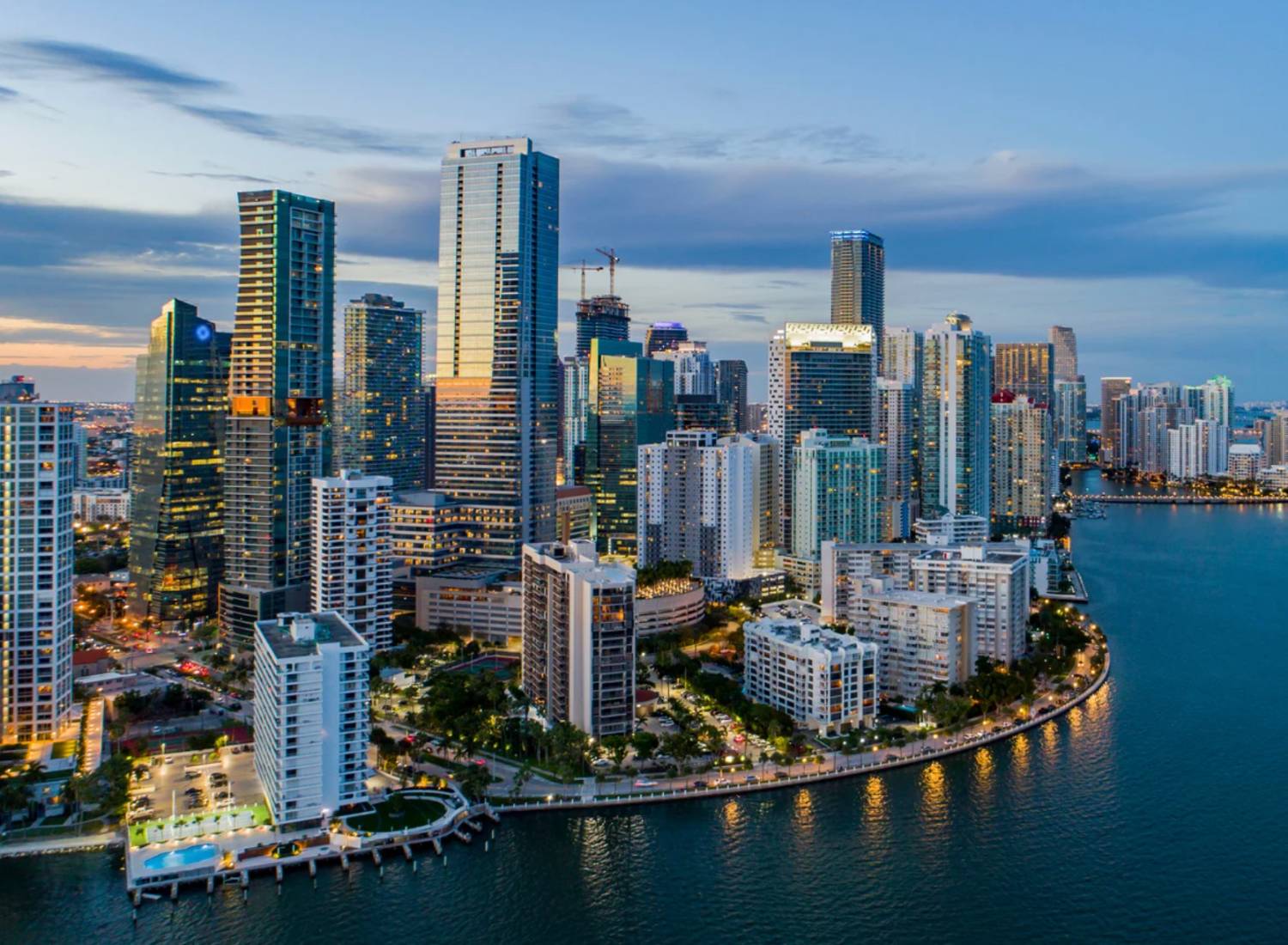
However, this raises housing affordability concerns. A recent article highlighted Miami’s housing crisis. Luxury home prices keep rising and the wealthy continue buying less expensive properties for investments, making it harder for non-millionaires to afford to own or even live in the city. As condo terminations push residents out, where will they go? This is a critical issue for Miami, which must find solutions to support lower-income residents amid rapid redevelopment.
How do you see AI and technology impacting the legal industry, particularly association law?
I’m not overly concerned about AI affecting association law in the near future. We still conduct our own case law research, and AI has been known to fabricate cases, causing more harm than good so far. While AI will improve and integrate into various industries, I don’t see it disrupting our field anytime soon.
That said, technology has already transformed how we operate. Over the past 30 years, efficiency gains have been staggering. Filing documents online and using email has drastically increased productivity. Also, the use of Zoom has been a game-changer in allowing Boards to meet more conveniently. It also allows attorneys to attend meetings virtually saving money for associations as they do not have to pay for attorneys’ travel time.
What are the biggest challenges in attracting and retaining legal talent in a competitive market?
Talent acquisition is one of our biggest challenges as a law firm, and I’d say it’s the biggest issue in association law overall. It’s a stressful, high-pressure field, and I don’t blame attorneys for avoiding it.
Many property managers leave because of the demanding environment. We have had attorneys resign due to stress. Between board members, unit owners, and clients, association attorneys often become punching bags. After Surfside, the stakes are even higher, with life-and-death decisions on the line.
I also teach condominium law at Nova Southeastern University, and I’ve noticed a trend: fewer students want to practice law at all. When I ask, “Who wants to be a lawyer?”, only about half raise their hands. Even fewer are interested in association law. After hearing real-world examples, heated meetings, legal disputes, and the challenges we face, many become even less interested.
The shortage of association attorneys is becoming critical. Experienced lawyers are retiring, and firms are struggling to find replacements. I get weekly calls from associations looking to switch firms because their attorneys aren’t responsive — sometimes going months without communication.
At our firm, we focus on responsible growth. We won’t take on more clients than we can serve, prioritizing quality over quantity. The industry has a reputation for unresponsive attorneys, and we’re working to change that. The challenge is making this field more appealing to new talent, but that’s an ongoing battle.
How do you see the South Florida legal landscape evolving in the coming years, and what should businesses do to stay ahead of regulatory changes?
Association law is becoming more regulated than ever. Lawmakers are balancing individual freedoms with the need for stricter regulations after Surfside.
New reserve requirements are a prime example. Associations once managed finances freely, but now they must maintain reserves for structural integrity. Could better planning have prevented past tragedies? Maybe. Regardless, lawmakers are ensuring associations are better prepared.
Beyond finances, criminal penalties are increasing. New laws impose charges on board members for voting fraud, withholding records, or destroying documents — an unprecedented shift.
Florida’s government has leaned Republican, typically favoring less regulation, but in association law, it has taken a proactive stance. Our annual legislative updates used to be five to six pages — last year, they reached 16 to 17 pages, reflecting the vast changes.
I expect regulations to keep expanding. After major overhauls, lawmakers pass “glitch bills” to refine laws. We’ve already seen multiple such bills on structural integrity reserves, and more are likely on the way. For businesses, staying informed is key. Associations must proactively comply rather than react. The days of delaying repairs or waiving reserves are over — failure to adapt will bring serious legal and financial consequences.
What are your top priorities for the firm over the next couple of years?
We are growing rapidly, but our focus is on responsible expansion. Demand for association law is at an all-time high, yet fewer attorneys are entering the field.
Our top priority is maintaining exceptional client service. I give my cell phone to clients so they can reach me, especially in emergencies.
We are also committed to education and training — not just for our firm, but for the industry. I teach condominium law at Nova Southeastern University, and another one of my partners teaches the same course at the University of Florida. We host monthly board certification classes, lunch and learns, and continuing education workshops to keep board members and property managers informed.
Internally, we aim to hire and train more attorneys. As demand grows, we need skilled professionals specializing in association law. Our goal is to train and expand responsibly, ensuring long-term success for both our firm and the industry.