


How Florida’s downtowns are handling growth pressures
July 2025 — Florida’s downtown districts are major economic anchors, driving employment growth and tax revenue, while attracting new visitors to the Sunshine State. Collaborative efforts like Florida Downtowns, Inc. (FLD) are setting districts up for success at a time dense, urban spaces are being reinvented to draw employers and talent to city cores.
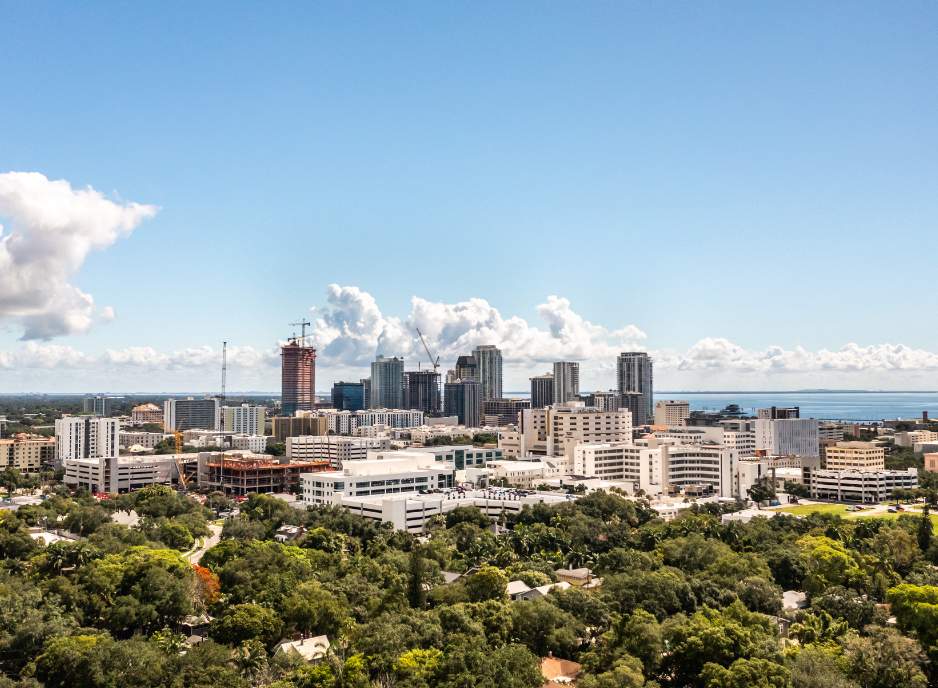
“That shift requires more thoughtful urban management — things like ensuring downtown remains clean and safe and adapting to a larger, more diverse population,” St. Petersburg Downtown Partnership (SPDP) President and CEO Jason Mathis told Invest:. SPDP is one of 10 organizations that are part of FLD, which supports business improvement districts, downtown development authorities, and other organizations through legislative advocacy, collaboration, and research and education.
Across the country, downtowns typically account for just 2% of a city’s land area, but support about a quarter of citywide employment, according to the International Downtown Association.
As Florida’s population growth accelerates demand for vibrant, community-oriented, and multi-use districts, FLD is supporting city centers from Pensacola and Jacksonville to Tampa Bay, Orlando, and South Florida. Here’s how each member organization is contributing to downtown growth across major Florida cities.
Delray Beach Downtown Development Authority
In Downtown Delray Beach, public-private partnerships are driving mixed-use growth and pedestrian-friendly spaces to increase daytime foot traffic and create a seamless downtown experience.
To that end, major mixed-use projects are currently underway, including Atlantic Crossing, a 9.22-acre development offering a unique blend of retail, residential, office, and parking assets, set for completion in 2025.
The hospitality sector also remains robust as the city continues to leverage its reputation as a tourism destination, adding a number of new hotels to its development portfolio — Delray Hotel and the Hampton Inn are among the newest additions.
Downtown Orlando Partnership
Downtown Orlando continues to diversify its economy through major redevelopment, signaling the city’s shift from a tourism hub to a holistic district with ample corporate offices, cultural programs, and quality public spaces.
“We are undergoing a full downtown revitalization and are on the brink of rebuilding basically every core block, including everything from the streets to the sidewalks,” said David Barilla, executive director of the Orlando Downtown Development Board, in the latest edition of Invest: Orlando.
“Downtowns need to round out their offerings. They should continue to be the core business environments that they have historically been, but also be quality places to live and recreate and for people to enjoy arts and culture,” he said.
The creation of top-notch amenities for employers is part of the core strategy to attract business to Downtown Orlando, added Barilla.
Tampa Downtown Partnership
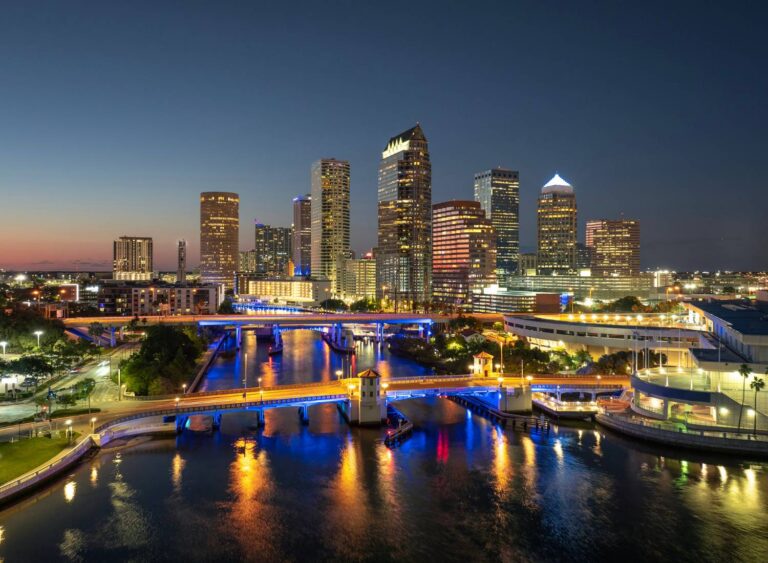
Downtown Tampa’s urban neighborhood, Water Street Tampa, remains a major engine of growth. Stretching 16 blocks, the waterfront community features a range of mixed-use structures, including residences, hotels, retail stores, bars and restaurants, corporate offices, and public spaces. Water Street Tampa not only ties into FLD’s broader strategy but also “redefines the essence of an urban community by centering its focus on modernity, wellness & sustainability, and culture,” according to Tampa Downtown Partnership. Transit expansions and enhanced passenger mobility complete the vision for this downtown community. Tampa’s Downtown Area Shared Hubs (DASH) system, which offers flexible $2 hub-to-hub rides, remains one of the district’s key transit-oriented programs.
Tampa Bay Partnership
As the largest city in the Greater Tampa Bay region, Tampa faces similar infrastructure challenges as any rapidly-growing district, including congestion, limited public transit, and pedestrian accidents, which make accessing job opportunities downtown difficult. In fact, Tampa Bay workers lose around 30 minutes every day commuting between home and work, adding up to 26.8 hours annually. Supporting economic organizations like Tampa Bay Partnership are therefore focused on improving transportation throughout the region to further economic development. Representing 80,000 regional employees, the Partnership’s alliances with regional stakeholders are meant to help relieve some of the downtown’s growing pains. Most substantially, the region’s three largest counties’ transportation planning organizations are planning to merge into one single entity. “The three county-level MPOs have now signed a memorandum of understanding for this merger, which is a big deal, something decades in the making,” said Bemetra Simmons, president and CEO of the Tampa Bay Partnership, to Invest:.
Downtown Vision, Inc., Jacksonville
Access to capital remains a challenge, however, for downtown communities. High interest rates and market volatility have slowed down investment momentum in Jacksonville’s downtown district. “Despite significant investment in Downtown Jacksonville over the past 18 years, totaling over $3 billion, some high-profile projects envisioned before COVID-19 have not materialized,” Jake Gordon, CEO of Downtown Vision, shared with Invest:.
Yet, the development of new mixed-use assets and modern infrastructure in Jacksonville’s city center is driving a new downtown boom, reversing the impact of historic underinvestment. One major project currently underway is the redevelopment of Riverfront Plaza, which will include several recreational amenities, such as a destination playground, event lawn, beer, and rain garden, and a bike/pedestrian connection to the Main Street Bridge. The project also includes infrastructure upgrades to link Riverfront Plaza with the Jacksonville Center for the Performing Arts.
“After years of feeling like we are stuck when it comes to this kind of progress. Cranes in the air are what we like to see,” Jacksonville Mayor Donna Deegan said at a news conference, in reference to the project.
“Downtown Jacksonville’s environment is ripe for investment, offering numerous opportunities for growth and development,” added Gordon. “Residents desire rapid transformations, but cities evolve gradually. Consistent and sustained efforts are necessary to achieve long-term success and prosperity.”
Fort Lauderdale Downtown Development Authority
Downtown plays a major role within the broader Fort Lauderdale economy. Despite covering just 2.2 square miles — 6% of the city’s entire area — DowntownFTL generates $35.7 billion in annual revenue, which is 9% of South Florida’s entire economic output.
Employment remains strong as well, with more than one-third of the city’s total labor force working in the downtown district. Forty-five percent of all downtown jobs belong to high-wage and in-demand sectors, such as finance, banking, law, tech, and healthcare.
Compared to Tampa, Nashville, West Palm Beach, and Austin, Fort Lauderdale’s urban core has the single highest concentration of top-earning jobs, which are major drivers of economic activity.
Its high population-density downtown continues to attract investment from retailers and large-scale residential developers, leading to the creation of new jobs and heightened building activity.
To support the arrival of new residents and workers, more apartments were built in Downtown Fort Lauderdale since 2018 than in Downtown Miami, Downtown Tampa, Downtown Orlando, and Downtown West Palm Beach.
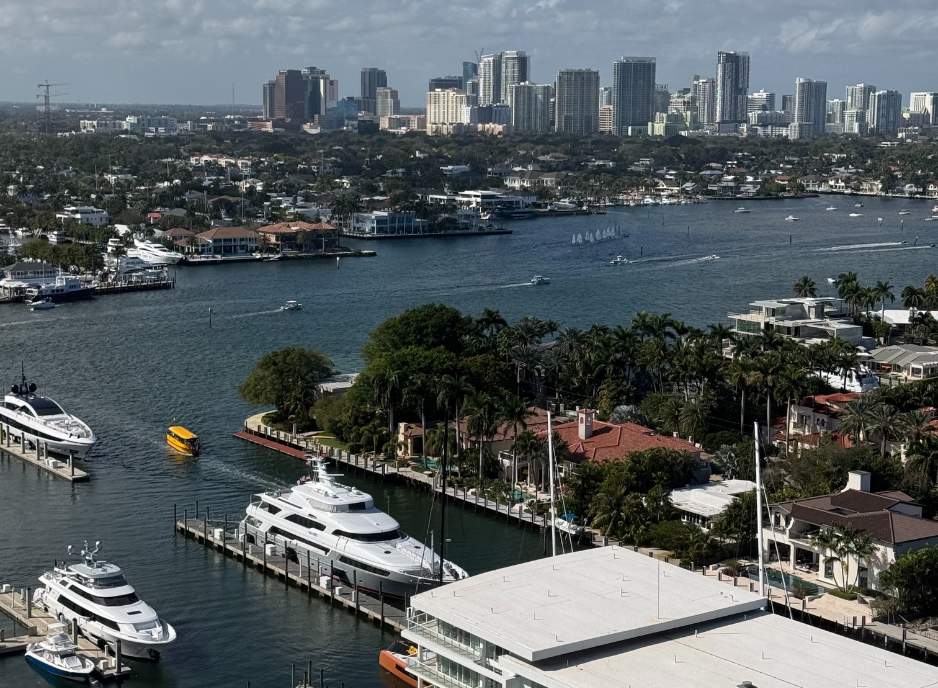
Image via Ryan Gandolfo/caa
“The downtown’s population has doubled over the past decade,” explained Jenni Morejon, president and CEO of the Fort Lauderdale Downtown Development Authority, to Invest:. “The commercial real estate, restaurants, and grocery stores have followed suit to serve that concentration of residents.”
Broward’s downtown retail sector is booming as a result, with a decade-low retail vacancy rate of 3.1%, according to 2024 data from the FTL DDA. Yet, Morejon also noted the need for continuous development in order to improve quality of life for those living and working downtown. “We need to continue bringing more (eateries, stores, and offices) downtown so it only takes residents an easy walk to shop for basic goods.”
Miami Downtown Development Authority
Downtown Miami, however, has transformed at a greatly accelerated rate. From 2000-2018, Miami’s downtown population increased by 202.5% — faster than any other downtown in the United States, according to data from Brookings.
The number of new residents and corporate tenants in Miami can be credited to the city’s lifestyle appeal and booming entertainment sector, ranging from arts to music, culture, and sports, which have pulled Brickell City Centre into global focus. Miami’s strong international community and entertainment-driven investments, therefore, remain a key driver of growth, shaping the local DDA’s strategy for the near term.
“We collaborate with international consulates — from Mexico, Canada, France, and more — to showcase Miami as a prime destination for living, working, and doing business. Downtown tours highlight its opportunities and lifestyle to global audiences,” said Christina Crespi, executive director of the Miami DDA.

Miami’s diverse arts and culture landscape has likewise attracted significant attention and capital from foreign investors. “Major events like the UFC and Latin Grammys elevate Miami’s profile,” added Crespi. “The UFC brought millions of fans downtown this year and will return, while the Latin Grammys have drawn attendees from over 60 countries. Miami’s momentum as a global cultural hub continues to enrich its economy and highlight its vibrant diversity.”
Pensacola Downtown Improvement Board
The Pensacola Downtown Improvement Board covers the 44-block “core” in the city’s historic downtown district, where it is focused on supporting small businesses. Last year, the board announced that it would award $2,500 grants a year (up to 10 in total) to events that have the potential to drive visitors downtown and raise the area’s profile as a cultural destination.
“Supporting all of the small businesses in downtown Pensacola is a high priority of the DIB. Working hand in hand with our local retailers brings not only a benefit to each of them but also spills over to all of the restaurants, coffee shops, and bars downtown,” said DIB executive director Walker Wilson, in a press release.
Part of the vision for future growth is also the preservation of the historic district through cleanliness and safety-oriented initiatives, which improve quality of life for residents, promote commercial success for retailers, and support local tourism by attracting visitors.
St. Pete Downtown Partnership
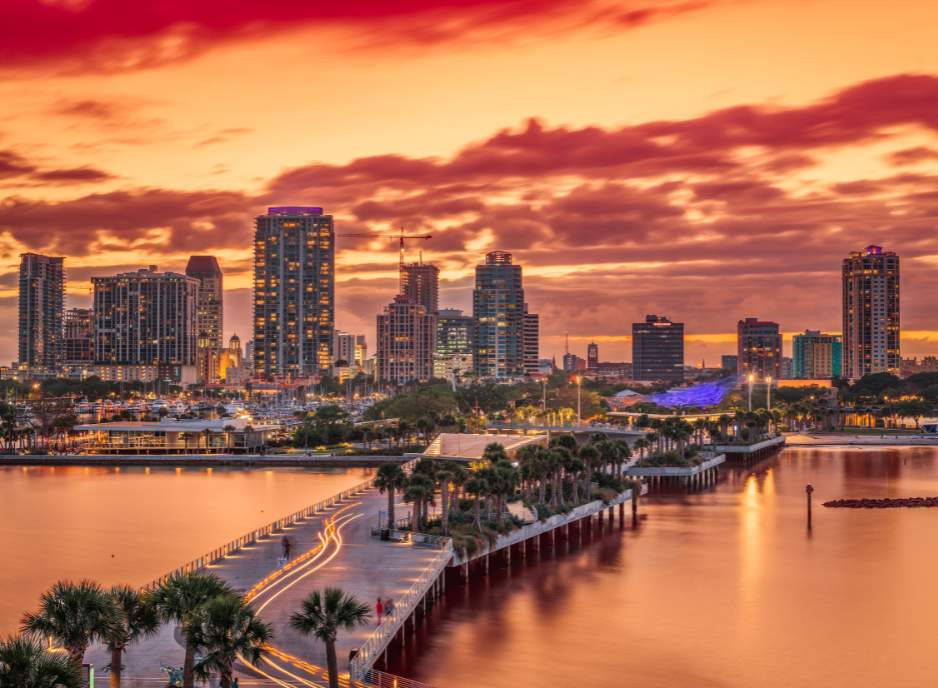
While Downtown Miami looks to cement itself as an entertainment hub, Downtown St. Petersburg is prioritizing strategic urban planning and innovation. In the West Coast city, the national remote work trend has attracted substantial population growth, and accommodating for that growth has been top-of-mind for the regional downtown partnership, according to Mathis.
“We’re experiencing record-breaking growth, with new people moving here, often remote workers choosing St. Pete’s lifestyle over larger metros,” Mathis told Invest:. “We’re (also) seeing St. Pete transition from a successful big town into a small city.”
To that end, the St. Petersburg Downtown Partnership has been supporting innovation and mobility through zoning, public space enhancement, and infrastructure. It has also launched an Innovation District Master Plan, outlining major steps to attract and support tech, healthcare, and research companies.
“We believe that if we get the built environment right, it will naturally attract the kinds of companies and talent we want to see grow here,” explained Mathis.
West Palm Beach Downtown Development Authority
Luxury real estate and large-scale business recruitment, on the other hand, are driving urban success in West Palm Beach’s downtown area. Interest in Palm Beach’s real estate industry has skyrocketed since the COVID-19 pandemic as millionaire homebuyers from the Northeast were lured in by the city’s tax-friendly policies, warm weather, and lifestyle appeal.
Commercial real estate is expected to grow alongside the residential sector, as the Florida migration trend creates greater demand for shops, restaurants, and office spaces in the West Palm Beach core, catering specifically to high-net-worth talent.
To support this growth, the West Palm Beach DDA has outlined a 2024-2029 Work Plan, in which it will offer companies assistance with permits, improvements, and regulations, provide a number of incentives and grants, and facilitate networking events. These strategies are expected to bolster corporate recruitment and encourage luxury developers to continue to flock to the downtown area for new projects.
Wynwood Business Improvement District
Known as the “beating heart” of Miami’s cultural scene, the Wynwood neighborhood is a major economic beacon for residents and visitors alike. The creative industry remains central to the Wynwood BID’s near-term plans as the district continues to nurture a growing arts and culture scene, while embracing new commercial investment. Home to a number of iconic galleries, art installations, creative dining experiences, and museums, Wynwood rapidly evolved into an international art destination as a result of a decade-long effort by the BID and the 400-plus local businesses it represents.
(Updates to correct name of Tampa Downtown Partnership)