





How the 2026 FIFA World Cup Is driving infrastructure investment across US cities
Key points:
• The 2026 FIFA World Cup is accelerating major infrastructure, transit, and hospitality investments across U.S. host cities.
• Host regions are prioritizing long-term legacy impacts, using the tournament to boost visibility, mobility, and economic development.
• Public-private coordination is ensuring upgrades serve both global visitors and local communities well beyond the event.
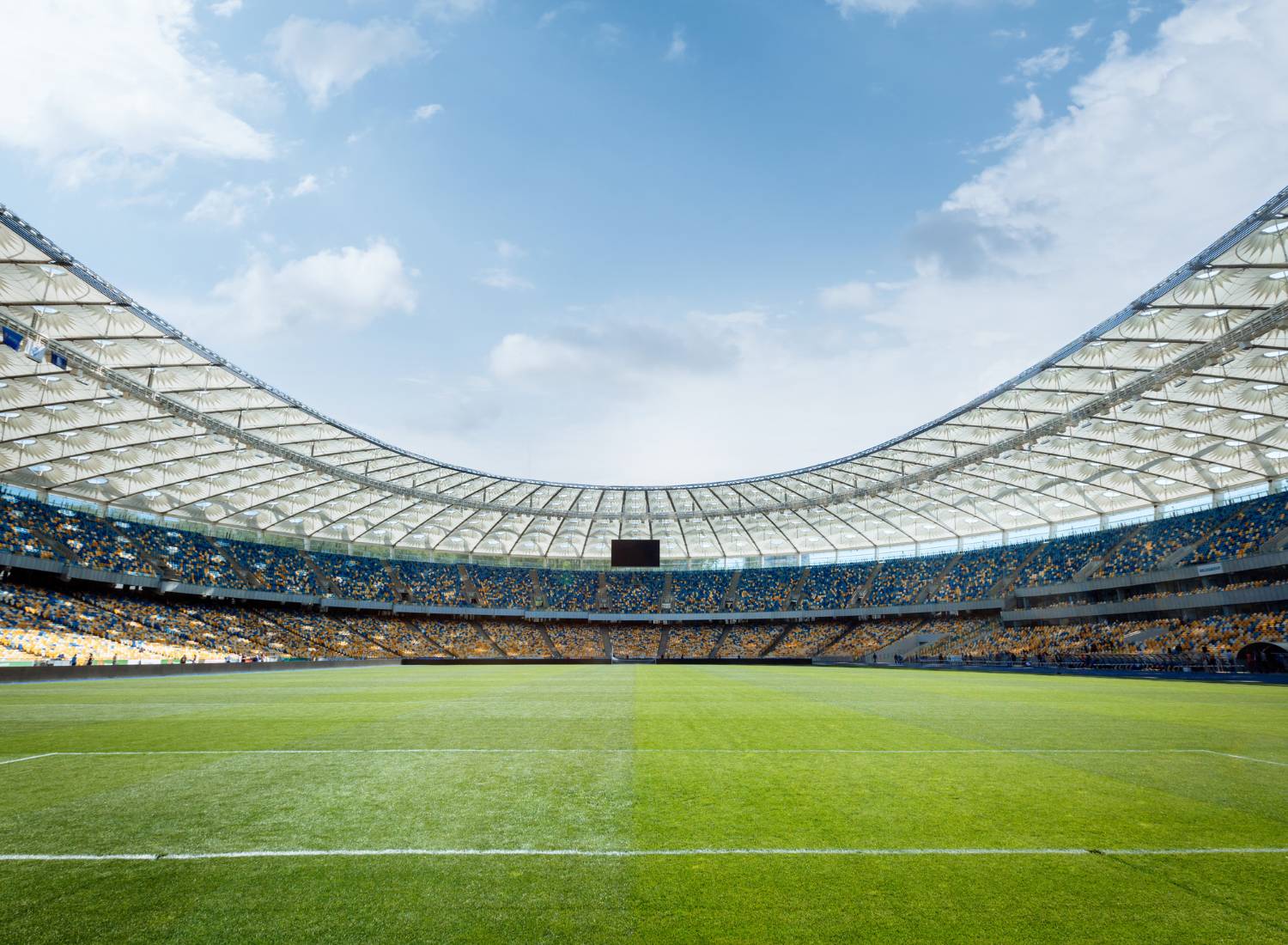 January 2026 — With the world’s biggest sporting event on the horizon, U.S. host cities for the 2026 FIFA World Cup are fast-tracking sweeping infrastructure upgrades to accommodate millions of visitors while accelerating long-term economic momentum.
Join us at caa’s upcoming leadership summits! These premier events bring together hundreds of public and private sector leaders to discuss the challenges and opportunities for businesses and investors. Find the next summit in a city near you!
The economic impact could exceed $3.3 billion in total benefits in regions like New Jersey and New York, for instance.
“We’re going to see billions of dollars in impact across New York and New Jersey,” Alex Lasry, CEO of the FIFA World Cup 26 for the New York/New Jersey Host Committee, told Invest:.
According to Lasry, the major benefits from the event are going to come from the millions of people on the periphery of the games — not just from the main event at MetLife Stadium.
“There will be watch parties for the games all over the country. People will look for places to go and things to do,” he said.
This buzz is expected to benefit multiple businesses across the nation, especially those within hospitality and tourism. Yet, the impact is also likely to extend beyond just hotels and restaurants.
“It’s not just about making money but also setting up a legacy after the games. We want people from all around the world to see that New Jersey is an awesome place, for people and for potential new businesses,” added Lasry.
Beyond New Jersey, host cities, such as Atlanta and Houston, are actively investing in infrastructure enhancements, public transit agencies, and hospitality services to ensure a successful tournament.
In Houston, for instance, the JW Marriott by The Galleria is focusing on refining traditional services to meet the distinct needs of international guests, as the city prepares to host seven World Cup matches. According to the hotel’s director of operations, Mary Ryan, this includes enhancing concierge services and showcasing local dining and cultural attractions to provide a comprehensive visitor experience.
Similarly, MARTA in Atlanta is undergoing its largest capital improvement plan, according to Jonathan Hunt, interim general manager. Hunt’s plan includes introductions of new railcars, enhancements to existing stations, and the development of new fare collection systems to streamline travel for fans and facilitate easy transitions to stadium access. These efforts are expected to not only support the World Cup but also establish long-term improvements for the region’s transportation systems.
For Lasry, Ryan, and Hunt, the collective aim is to leverage the World Cup’s economic potential, ensuring that the event serves as a catalyst for ongoing growth and enhanced community visibility.
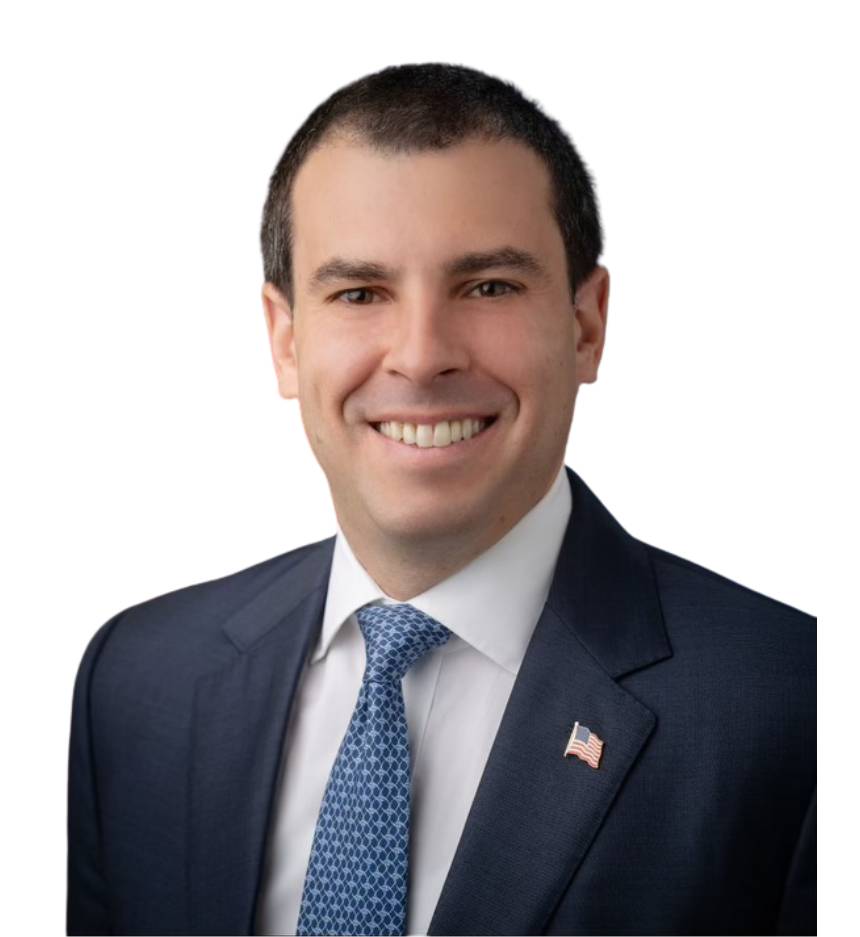 Alex Lasry, CEO, FIFA World Cup 26™ New York /New Jersey Host Committee
We have been coordinating with our partners at New Jersey Transit and the MTA to ensure there is coordination and planning for such a large-scale event. It’s going to be the biggest event that has ever come not just to the region, but to the United States. Millions of people will be coming to the area, some who don’t speak the language and are here for the first time. We will have a robust messaging system in place, preventing system overloads, and providing supplemental services so there are other routes to get to the official FIFA Fan Festival™ and the games.
New Jersey Transit is one of the best public transportation systems in the country. There are also millions of dollars in upgrades being brought to MetLife Stadium itself, including sound systems, seat configurations, and clubs. There will be upgrades to the back of the house, which will enhance customer service. We are also anticipating cosmetic upgrades. MetLife will be the center stage of the World Cup, and we are going to show off the stadium to the world.
 Mary Ryan, Director of Operations, JW Marriott by the Galleria in Houston
We are already laying the groundwork for this monumental event. With seven FIFA World Cup matches set for Houston, we anticipate a surge of domestic and international travelers. We’re focusing on enhancing our amenities to cater to international guests, who will have different needs than our typical business travelers. This includes refining our concierge services to showcase Houston’s best dining, entertainment, and cultural experiences, ensuring visitors have an unforgettable stay.
Unlike one-weekend events like the Super Bowl or the World Series, the World Cup spans nearly two months, bringing a continuous influx of visitors. This presents an incredible opportunity not just to highlight our hotel’s exceptional service but also to showcase Houston’s world-class hospitality and diverse attractions. We’re honored to be part of what will undoubtedly be a defining moment for the city.
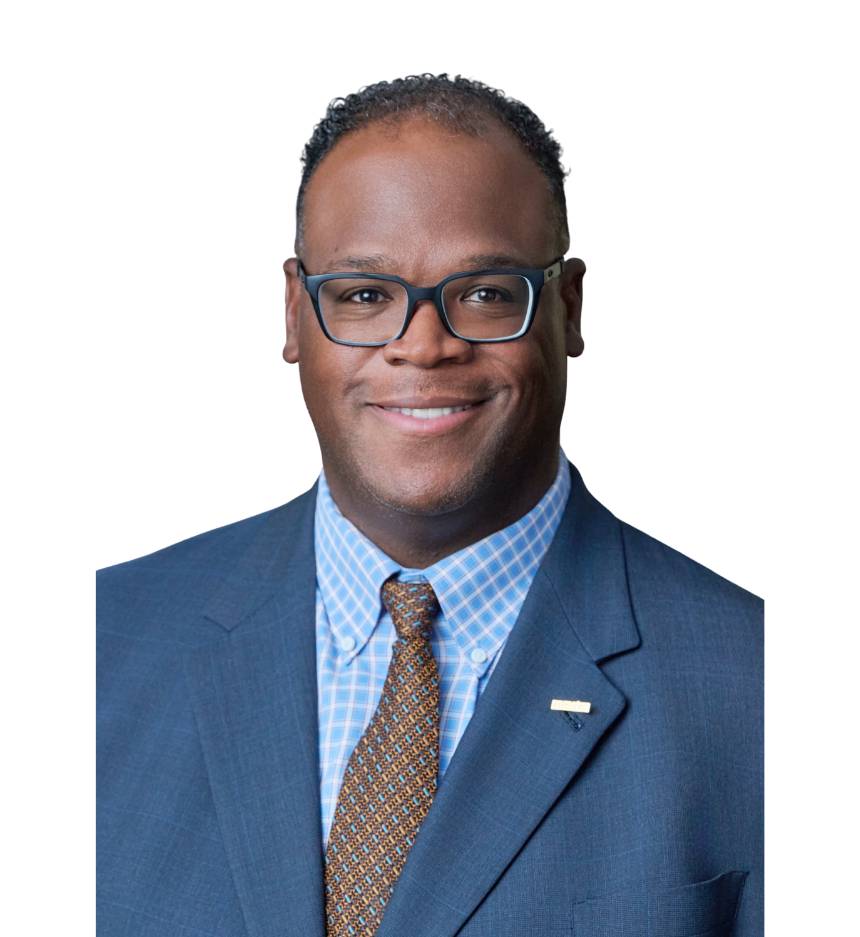 Jonathan Hunt, Interim General Manager and CEO, MARTA
Here at MARTA, we’re undergoing the largest capital improvement plan since our inception. We’re advancing several major projects…. (including) the Rapid A-Line, the metro Atlanta region’s first bus rapid transit line that will be delivered before the World Cup. By the time the World Cup rolls around, we should have about a dozen new railcars in operation.
We’re also launching the NextGen Bus Network in April 2026. Our new fare collection system also goes live then. It will allow people to tap their credit card, use their phone, or buy a Breeze card. International travelers can pay the way they’re used to and use MARTA without friction.
Once the tournament draw happens in December, we’ll also be tailoring announcements in the languages of the countries coming to Atlanta. We want visitors to feel welcomed and able to move through the system confidently.
MARTA is the only transit system in the country that takes you directly from inside the airport concourse to the stadium. That level of connectivity is unique, and we’re leaning into it.
Everything we’re doing is designed to last beyond the World Cup. These aren’t one-time projects. A new station rehab benefits us for 20 years. These investments are good for now and for the region’s long-term economic development.
After the World Cup, when people come back a year or two later, they’ll see the impact: new rail cars, a transformed Five Points Station, the fully rehabbed Garnett Station, and a completely redesigned bus network. These aren’t just short-term upgrades. They’re foundational changes to how people experience transit in Atlanta.
Want more? Read the Invest: reports.
Subscribe to Our Newsletters