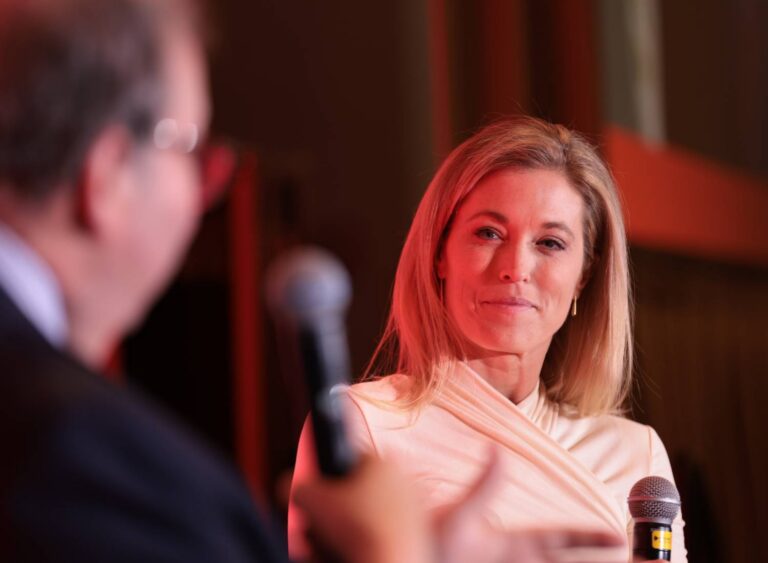







John Bilyak, Market Leader and Principal, Colliers
 When it comes to Pittsburgh’s office space, there has been a move away from the CBD in recent years into more niche and suburban sub-markets, according to John Bilyak, Market Leader and Principal of Colliers. “We’ve seen our clients capitalize on the flight to quality, which has benefited fringe markets like the Strip District, Lawrenceville, North Side and the North Suburban market,” Bilyak told Invest:.
What are the major highlights for your business during the last year?
2024 was an exceptional year for Colliers in Pittsburgh, marked by record-breaking revenue and significant recruitment successes. We were delighted to welcome Jeff Deitrick, a senior broker with extensive experience in corporate brokerage and development, and Ian Dupre, who will focus on capital markets, to our team. Our office continues to expand strategically, and our specialty practice groups are becoming increasingly active, a trend reflected in our 2024 revenue. This revenue was generated from a variety of sources including leasing, sales and consulting. Our leasing and sales activities are primarily driven by five key groups: industrial, retail, capital markets (with emphasis on multifamily) office agency (landlord representation), and office occupier services (tenant representation), the latter of which is led by Pat Sentner.
How do you attribute that success?
Our client-centric approach focuses on delivering value. Pittsburgh has experienced significant shifts in the last three years, with a notable transition of tenant demand away from the central business district (CBD) towards fringe markets. While there’s been much discussion about the CBD’s decline, you can’t believe all you read. We’ve collaborated with downtown office owners to promote the advantages of their assets and, when needed, counter the negative narrative. We’ve also capitalized on the flight to quality, which has benefited all markets including the Strip District, Lawrenceville, and North Side and in some cases the CBD. The industrial sector has largely maintained a bullish outlook; minor oversupply in late 2024 was quickly rectified through substantial lease-up efforts, and has since returned to a state of market normalcy, characterized by limited supply and steady demand across all submarkets..
How are you advising your clients to reposition or repurpose office assets to remain competitive and attract tenants?
The market presents a complex scenario with clear winners and losers, and our role is to provide clients with realistic guidance so they can make informed decisions.. For instance, a Class B office building not burdened by debt can be successfully repositioned. However, a Class B office building with excessive debt or functional obsolescence (due to location, structure or design) may be better suited for a non-office conversion, given the shifts in the office market and momentum in the multifamily sector. Each situation is different, and our approach centers on open and honest communication with clients, even when the insights we share may not be what they wish to hear.
What trends are you observing in the Pittsburgh multifamily market?
While my knowledge of multifamily properties is limited, I consulted with our highly experienced team. They indicate that the Pittsburgh multifamily market, similar to others of its size, is significantly underbuilt . Even if the current development pipeline for 2025 were to continue with the same velocity over the next decade, the additional units added wouldn’t meet the demand for new multifamily projects in Pittsburgh. This undersupply stems from our region’s lack of proactivity over a prolonged span of time. The limited development in the market may stem from Pittsburgh’s lower priority status among national developers in past years, or from challenges posed by an outdated permitting system that has slowed progress. Despite these challenges, substantial demand exists, and not only are local developers becoming more proactive in addressing it, we are seeing an influx of interest from national developers looking to invest in Pittsburgh for the first time.
How do you see technologies like AI influencing the future of your business?
Our cutting-edge platform offers technology relevant to real estate, including AI and proprietary software, empowering clients to make real-time decisions. The key is to ensure technology enhances, rather than hinders, the practical aspects of real estate deals. It will be interesting to observe which technologies prove relevant and which become irrelevant in the coming years, especially with the integration of AI into real estate advisory. While AI certainly has its place, its potential might be overblown, leading to an “AI overkill” scenario. We believe AI will boost efficiency and intelligence in certain areas, but it’s not a complete solution. It won’t replace diligent, hands-on work; it will simply make us more efficient.
What makes Pittsburgh a good place to do business and live?
Having worked in Pittsburgh’s industrial sector for over 30 years, and currently leading the Colliers Pittsburgh office, I’ve had the unique opportunity to witness the city’s remarkable transformation. From its industrial, smoke-filled past, Pittsburgh has evolved into a beautiful, scenic city with mountains, valleys and rivers. While the challenging geography creates a scarcity of large development sites, the unique topography contributes to an exceptional quality of life. Pittsburgh is a small city with big-city attributes. Pittsburgh boasts a vibrant cultural district, world-class medical system, and some of the countries top colleges and universities all of which combine to drive our economy. Both the University of Pittsburgh and CMU are nationally recognized for their research, development, and education, creating a strong gravitational pull that makes Western Pennsylvania an attractive place to both live and do business.
What are your top goals, and what are the priorities for Colliers’ Pittsburgh office for the next two to three years?
Achieving record-high revenue and making major strides with recruitment has been incredibly rewarding, a testament to our collective efforts which has been recognized by those in our industry. The ongoing challenge is to replicate this success, year-in and year out. Our objective is to sustain revenue growth across all sectors: multifamily, industrial, retail and office, encompassing both agency and tenant representation. This will be accomplished by expanding our current client relationships and increasing our revenue-generating personnel. We are continuously striving to identify talented individuals who align with our culture, as we believe our distinct approach sets us apart. Our strong internal collaboration is intentional and provides substantial value to our clients. By strategically deploying the most suitable individuals for each client task, we have garnered positive feedback and more importantly, client loyalty. We will continue this approach, focusing on intelligent growth in both revenue and personnel.