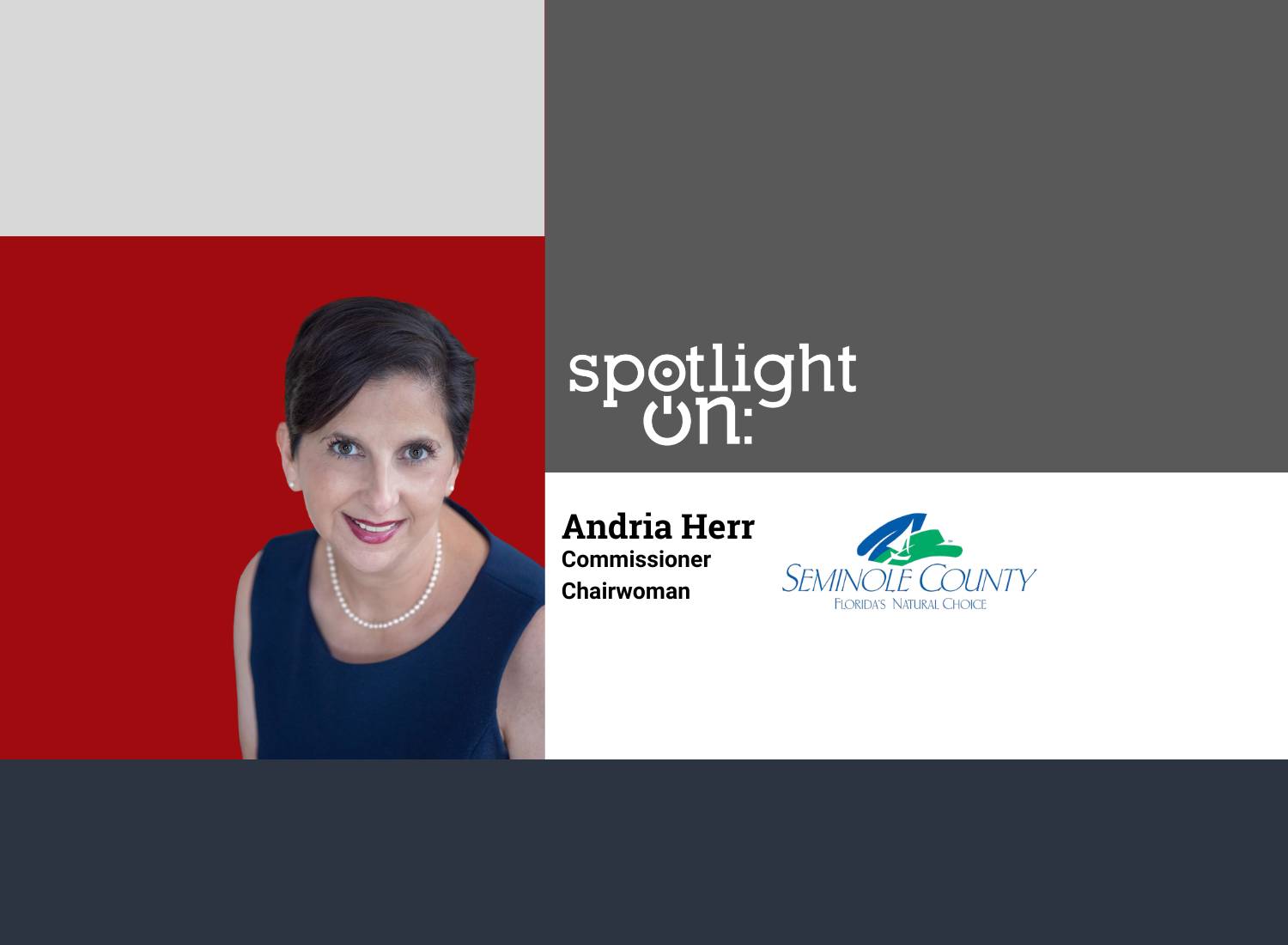







Laura King, President and CEO, Georgia United Credit Union
 In an interview with Focus:, Laura King, President and CEO-Elect of Georgia United Credit Union, discussed adapting to regulatory shifts, accelerating digital tools, and expanding financial access. “We’re committed to finding ways to give back to people who normally don’t have access to higher-tier options,” King said.
What changes over the past year have most impacted your organization?
Whiplash from the external environment has shaped us the most. After the election and the administrative change, many of the things we were working on, dealing with, and preparing for shifted dramatically. For example, the Consumer Financial Protection Bureau was here today, gone tomorrow. Under the prior administration, we had developed detailed business plans around things like overdraft protection and other fees. We were headed in one direction, but after that change, we needed to take a different approach.
Our challenge now is constantly reevaluating external impacts, pivoting very quickly, and adjusting our strategies almost quarterly to keep pace with what’s changing around us.
What is the credit union’s financial health and performance in Georgia’s broader economic landscape?
Credit unions as a whole have been facing significant challenges. For example, credit union taxation is something the industry has discussed for as long as I’ve been in it. Last year, we ranked it No. 39 on a risk profile. This year, it jumped to No. 3 overnight because it became a major focus on the Hill as lawmakers looked for alternative sources of income.
Since credit unions are exempt from income taxes, they became an easy target for additional revenue, which would essentially put us in the same position as a bank. Many credit unions felt under attack and spent a lot of time in defensive mode.
Economically, our institution has done very well. Some of the things I’ll share later probably explain why we’ve been able to stay above water. We’re not drowning, we’re actually doing quite well. But credit unions overall have been very challenged.
What strategies are helping the credit union continue to thrive?
We focus on filling gaps that traditional banks often overlook. While banks lean heavily on large commercial lending, we don’t, and many credit unions that have tried it haven’t seen great results.
Our priority is serving small businesses, individuals, and underserved markets. Many people now rely on side gigs just to keep up with rising costs, and inflation continues to hit their budgets hard.
To help, we’ve introduced products that big banks rarely offer to these groups. For example, our high-earning savings account doesn’t require the typical $25,000 minimum. Members can open it with any amount and earn the full rate if they deposit at least $100 net each month.
In the past, many of our members wouldn’t have qualified for this type of product. We’re committed to finding ways to give back to people who normally don’t have access to higher-tier options.
What changes have you made on the mortgage side to address shifts in demand?
We recently reorganized our mortgage area to adapt quickly. First-time mortgages used to flood in, then demand dried up overnight as people stayed put to keep their low interest rates while home prices climbed. Many turned to home equity lines instead.
To respond, we restructured to better serve this new demand and offer more competitive rates. We’re also creating products for those who don’t have large down payments or struggle with today’s high housing costs. It’s not just the home price; insurance has doubled or quadrupled for some, and homeowners’ dues have risen as well. My daughter realized that even with a special first-time buyer loan, the total costs made a home unaffordable.
I worry that homeownership is slipping out of reach and that there aren’t enough practical options. We see similar trends with auto loans, where $1,500 monthly payments aren’t unusual anymore, and borrowers are stretching terms to five, seven, or even nine years, which can outlast the car itself.
That’s why we’re putting more emphasis on financial wellness training. Members want to understand how loans work, when a longer term may not make sense, and whether things like GAP insurance are worthwhile. It’s not just about making loans but about helping people make smart financial decisions.
How has digital transformation accelerated for Georgia United?
The biggest change from last year is how quickly we moved from talking about AI to using it daily. The speed was almost startling. We began experimenting and saw right away how powerful it could be, but also recognized the risks.
Our IT security team stepped in to ensure staff weren’t logging into open platforms like ChatGPT or Claude on their own. They worked hard to keep these tools within our network, so member data stays protected. PPI and private data security are critical, so guardrails were necessary.
Now, every vendor we work with is building AI into their products or adding new features driven by it. We’re being inundated with options, and the pace of change is fast.
Personally, I use AI multiple times a day. There is some work that can happen automatically through AI, helping us make faster loan decisions. This allows our team members to focus more on helping members one-on-one and providing custom solutions that fit their needs.
Another major topic is crypto. For years, it seemed distant, but now we’re getting daily questions about it. We’re figuring out when and how to engage, so that we’re ready when members are.
How have your workforce investments impacted performance and member satisfaction?
These investments have been incredibly positive. We’re seeing more promotions at every level, and by developing our staff, we don’t have to look outside for the skills we need.
We’ve taken that approach to our managers, too. I went to a conference where they asked who trains tellers before putting them on the line, and everyone did. Then, when they asked who trains managers before promoting them, hardly anyone did. That really stuck with us.
Since then, we’ve launched multiple internal leadership programs. One, based on “Crucial Conversations,” helps managers handle tough discussions. Our Learning and Development Department teaches it in-house, and all managers go through it.
We’ve also rolled out a new onboarding program for managers and plan to keep expanding it over the next three years. Building strong leadership helps us better serve members and maintain a healthy culture.
How is the credit union meeting members’ evolving financial wellness needs?
Our communities are facing a fast-changing world and real financial pressures. We’re seeing more requests for coaching and financial wellness support.
We’re training our staff to provide one-on-one guidance. Our board is deeply invested in our diverse communities across Atlanta, from city to suburban and rural areas. Each area brings different needs and questions.
Rural branches may face different challenges than inner-city ones, so we’re working to meet people where they are. No matter where they live, people want to know how to make ends meet and run side businesses well. For example, many don’t realize they need to keep personal and business funds separate. It may sound simple, but it isn’t obvious when starting out. Programs for small businesses and financial education are vital parts of how we help.
What new initiatives are you developing to support small businesses and underserved communities?
We recently created what we call the Growth Department, focused on products that help the credit union grow while meeting members’ needs.
A top priority is our small business program. We’ve always offered small business products, but they were scattered — a checking account here, a loan there. Now we’re packaging them so small business owners can easily find what they need in one place, with affordability and education built in.
We’ve also brought the mortgage group into this department to create better products for people who can’t buy a home today. We’re working to strike the right balance so we can offer something sustainable that helps more people become homeowners.
How is the credit union working to reach groups that may be underserved by traditional banking?
We are actively collaborating with partners who are working on the ground to support underserved communities, such as local parishes and organizations that have real, on-the-ground experience with the challenges these populations face. We’re learning from these groups to better understand the unique needs of non-resident workers and to inform our efforts.
To navigate the regulatory landscape, we’re also reaching out to other credit unions nationwide — from East Coast to West Coast — that have successfully developed programs for these communities. We’re exchanging best practices, insights, and solutions with those who have found ways to serve populations often overlooked by traditional banking.
It’s a journey that requires sensitivity, a commitment to inclusivity and a willingness to innovate. While the regulatory framework can be confusing, we’re committed to doing the right thing. We see a major opportunity here to fill a financial services gap that leaves many communities in a financial desert. Our mission is to bring financial access to those who need it most, and we’re putting the work in to make sure we’re doing it the right way.