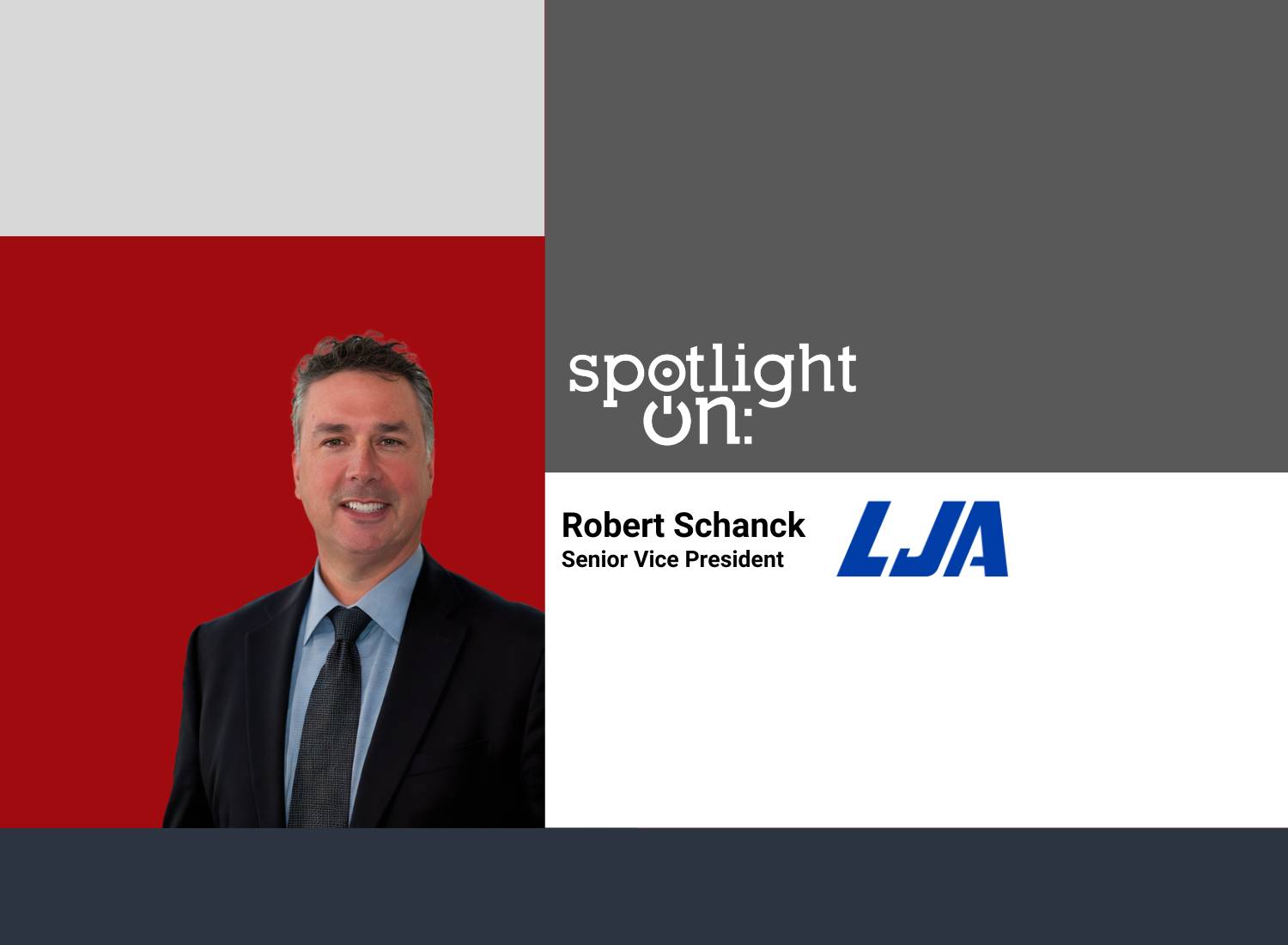




Lori Boyer, CEO, Downtown Investment Authority
In an interview with Invest:, Lori Boyer, CEO of the Downtown Investment Authority, shared how the DIA aims to attract retail and commercial investments, steps taken to create a sustainable residential population and deliver over a thousand units, moving Downtown Jacksonville closer to a 10,000-resident milestone. It is often said that retail follows rooftops and it’s true. It is also a critical part of how our Downtown development strategy is organized.
How would you describe the overall activity of the Downtown Investment Authority in driving growth and business investment over the past year?
Lately, when I’m asked to present updates to key stakeholders, I start by saying that Downtown is under construction, literally. The momentum is visible. The DIA has seen several noteworthy achievements over recent years, as well as setbacks outside our control.
We have some major projects coming to Downtown, with four new projects in the pipeline. These include the Gateway project, which we call the Pearl Street District, comprising over 1,000 units and covering four city blocks, with additional parcels to follow. Another exciting, large-scale project is on the South Bank – a high-rise product. Both projects are asking for substantial incentives, have passed our board, and are now in the hands of the Jacksonville City Council.
As of today, over a thousand residential units are under construction, many of which will be delivered within the next six months. These projects were largely financed prior to interest rate increases or were financed in the early stages of those rate hikes. With the influx of new units, we are seeing roughly a 95% absorption rate with no adverse impact on rental rates. This is probably the largest tranche of units that will come online simultaneously, so we will see what impact that brings. Recent market studies have indicated a pent-up demand for over 7,000 units, suggesting that the thousand units coming available will not adversely affect Downtown’s rental market.
Here’s what is even more encouraging; another 1,000 units are in the pipeline. These include the Gateway project and other developments that completed design processes and are edging closer to construction commencement. An example is the RiversEdge Townhomes project on the South Bank by Toll Brothers. These units are just beginning the construction phase. Overall, the DIA is on target to achieve its initial goal of 10,000 Downtown units ahead of schedule, which moves the goalpost, essentially. Now, we’re looking toward a 15,000-unit goal, and it is realistic to expect that within two to three years, that goal will also be reached.
What challenges, whether economic or otherwise, is the Downtown Investment Authority facing and how are you addressing them?
I would say inflation and interest rates are the two big ones. Obviously, the cap rate figures into that. There is certainly talk about a relaxation from the Fed on interest rates over the next six months to a year. I think that will relax things somewhat, and our developers are still projecting rent growth over the next two to three years. As these two factors draw closer together, it reduces the amount of incentive required to encourage construction in Downtown Jacksonville. It’s important to remember that construction inside the Downtown Overlay is typically more expensive than suburban construction, for a few reasons. It is a previously developed property or may be a Brownfield. There could be buried railroad tracks underground or a parcel may have more utility conflicts due to its existing and surrounding infrastructure. Residential projects can also be a challenge because Downtown Jacksonville’s average rental rates are not as high as you might see in Miami, Orlando, or Tampa, which helps justify higher construction costs.
So, the challenges are real but not insurmountable.
Inflation and interest rates are beyond the control of the DIA, but so are unexpected losses like the Rise Doro apartment project fire. That building had been incentivized previously and was already in pre-leasing. It was close to completion and delivery and was an unfortunate tragedy. The garage structure was salvageable, and Rise is planning to move forward with a rebuild with a much shorter delivery time. I am happy to see it coming back online and so soon.
Another success for 2024 is a focus on infrastructure. During COVID, everything slowed, and it has been to shift the focus to getting needed infrastructure in the ground. The infrastructure projects already approved and in the pipeline run the gamut from a pedestrian-friendly two-way street conversion now under construction to destination park construction. These projects take time and are high priority because they reduce the need for incentives. Once these projects are complete and in service, adjacent developments recognize the amenity value, how that positively impacts their rent rate, and therefore reduces the need for city incentives.
What do the next five years look like for the organization in terms of development in downtown Jacksonville? (Put it up)
Though I have announced my retirement to the board, I have agreed to stay for a year to ensure continuity and a smooth transition. Currently, a special City Council committee is examining the structure of the Downtown Investment Authority to help determine ways to further accelerate progress in Downtown. It is not yet clear how the committee’s work may impact future projections. So, for now, I can tell you what we were projecting.
Continued residential growth is a priority, as is the delivery of those capital projects. Within five years, I think you will see a sustainable residential population that helps bring in retail — and we are already seeing that. We have had eight restaurants come on the scene in the last six months. This indicates that the residential density has reached the necessary level to support additional restaurants and retail.
Residential growth will hit a sustainable market. We will complete destination parks and infrastructure projects within the next five years.
My greatest hope for the next five to ten years is to see catalytic projects enter our space and become a reality. By catalytic, I mean not just a large riverfront residential development but a new stadium – which has been approved – and an entertainment district surrounding the stadium, or a University of Florida campus and other higher education institutions moving into our Downtown. These are drivers that could dramatically change the trajectory of residential growth, commercial office growth, and certainly retail growth.
What measures have been implemented to facilitate not just residential density growth but also the attraction of investment, job creation, and new incentives?
We work with JAXUSA, the economic development arm of the Jacksonville Chamber of Commerce, on recruiting new businesses to Jacksonville and the region, but for Downtown in particular. They are seeing that our office building stock and commercial stock are older but not completely outdated. The desire for new office space, however, is different from what it was five or 10 years ago. Post-COVID, office use now looks for amenities like gyms and the experiential parts of the office environment, which many of our traditional office buildings do not have.
We are always discussing how to structure incentives to encourage that kind of growth downtown. Currently, the DIA offers incentives to offset the cost of having parking garages versus suburban parking, but we need to go beyond that in today’s market to help all our development partners, like the JAXUSA Partnership, succeed in recruiting new businesses to Downtown Jacksonville.