




Nashville’s real developers? Healthcare and higher ed

Key points:

  • • Universities and healthcare systems are anchoring long-term development and shaping regional growth patterns.
  • • Higher borrowing costs and tighter lending standards are driving more selective, fundamentals-based project evaluation.
  • • Workforce alignment and institutional collaboration are becoming critical to sustaining Middle Tennessee’s expansion.
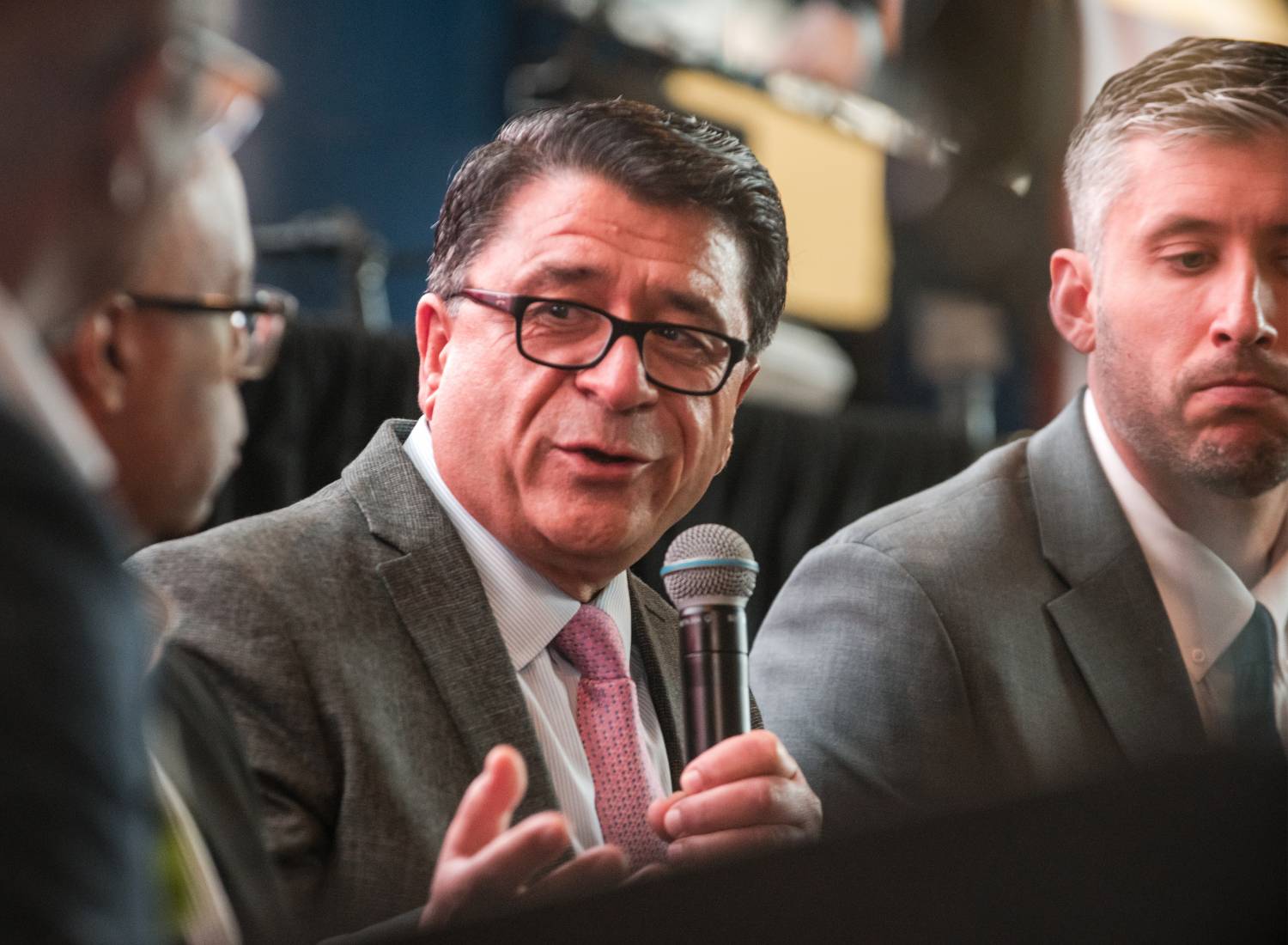
NashvilleMarch 2026 — Healthcare systems, universities, and financial institutions are playing an increasingly central role in shaping how and where development takes place across Nashville. As population growth continues and capital markets tighten, institutional investment and financial discipline are emerging as key forces behind the region’s real estate activity.

“When universities and healthcare systems invest in land and facilities, they are making a long-term commitment to that community,” said Harry Allen, executive vice president of financial excellence and chief financial officer at Belmont University, during the Invest: Nashville 4th Leadership Summit. “These are not short-term investments. They are meant to shape the community for decades.”

Anchor developments

Education and healthcare campuses often anchor surrounding development, influencing nearby business activity, workforce formation and long-term land use patterns. From a research perspective, they play a critical role in sustaining economic momentum. 

“These institutions bring stable employment and long-term activity to the region,” said Murat Arik, director of the Business and Economic Research Center at Middle Tennessee State University. “They are not going anywhere, and that stability creates a foundation for growth around them.” 

Healthcare development, in particular, is driving both economic and physical expansion across Middle Tennessee. Ascension Saint Thomas, one of the largest health systems in the region, announced more than $537 million in capital investments to expand facilities, modernize hospitals and increase capacity across multiple counties. Smaller-scale projects are also contributing to that growth, including a $25 million expansion at TriStar Centennial Medical Center in Nashville, following multiple projects by HCA Healthcare. 

“We are seeing a shift toward care being delivered closer to where people live,” said Blake Bratcher, partner and executive vice president at Flagship Healthcare Properties. “That is changing how and where healthcare real estate is developed.”

This trend is influencing site selection and development patterns, as providers prioritize accessibility and proximity to growing population centers. Across the United States, more procedures are moving into outpatient settings, as a result, ambulatory surgery center volumes are expected to grow by about 9% between 2023 and 2028, outpacing hospital outpatient departments. It is also expanding the scale of the sector, with procedure volumes projected to increase by more than 20% over the next decade. 

As these systems expand, their impact extends beyond real estate into workforce development. Colleges, universities, and healthcare providers are increasingly working to align training programs with labor market needs, helping address workforce gaps while supporting regional growth. 

“Workforce development does not happen in silos,” said John Cunningham, director of healthcare partnership solutions at Nashville State Community College. “It requires coordination between education providers, employers and institutions to make sure training aligns with real opportunities.”

Development in a more selective market

Panelists noted that financial conditions are reshaping how projects are evaluated and financed. Borrowing costs remained elevated compared with prior years, with new commercial real estate loans in 2025 averaging around 6.2%, up from roughly 4.7% on loans originated earlier in the decade, according to S&P Global Market Intelligence. Rates vary widely depending on the asset and structure, with many deals pricing between 5% and 8.75% in early 2026. 

“It is a different calculation to get deals to pencil today. Costs are higher, rates are higher, and sponsors are having to bring more equity and stronger fundamentals to each project,” said Bradford Vieira, regional president & CEO at ServisFirst Bank. 

This discipline is also visible in lending conditions, with banks maintaining tighter standards compared with historical norms and requiring stronger fundamentals across projects.
“Deals are getting done, but they are getting done with a lot more scrutiny. Everyone is paying closer attention to fundamentals, whether that is location, demand or long-term viability,” said Alex Sanders, president and CEO of Pinnacle Construction Partners.

Banks have kept commercial real estate lending standards tight compared with historical norms, according to Federal Reserve data, while lower loan-to-value ratios and higher return thresholds are requiring developers to bring stronger fundamentals and more equity into each project.
“There is still capital in the market, but it is being deployed more selectively,” said Kelley Kee, Tennessee state president at United Community Bank. “Lenders are looking closely at fundamentals and making sure projects are positioned for long-term success.”

Even as financing conditions change, population gains, job creation and business expansion continue to support investment across Middle Tennessee. As projects become larger and more capital-intensive, development is increasingly defined by how well institutions, investors, and operators align early in the process, particularly in a market where long-term demand remains strong but financing has become more selective.

“Success really depends on having the right team together from the start,” said Sanders.

Interested in reading the Invest: Nashville report? Sign up today!

For complete conference panel discussions, tune in to our YouTube Channel.
Six cities, 10 lessons: What business leaders are seeing

Key points:

  • • caa’s leadership summits focus on candid, cross-sector dialogue about regional challenges and opportunities.
  • • Events emphasize the human element behind economic growth, bringing leaders together for real-time insight sharing.
  • • Findings from Q1 2026 highlight key priorities shaping business communities across multiple U.S. markets.

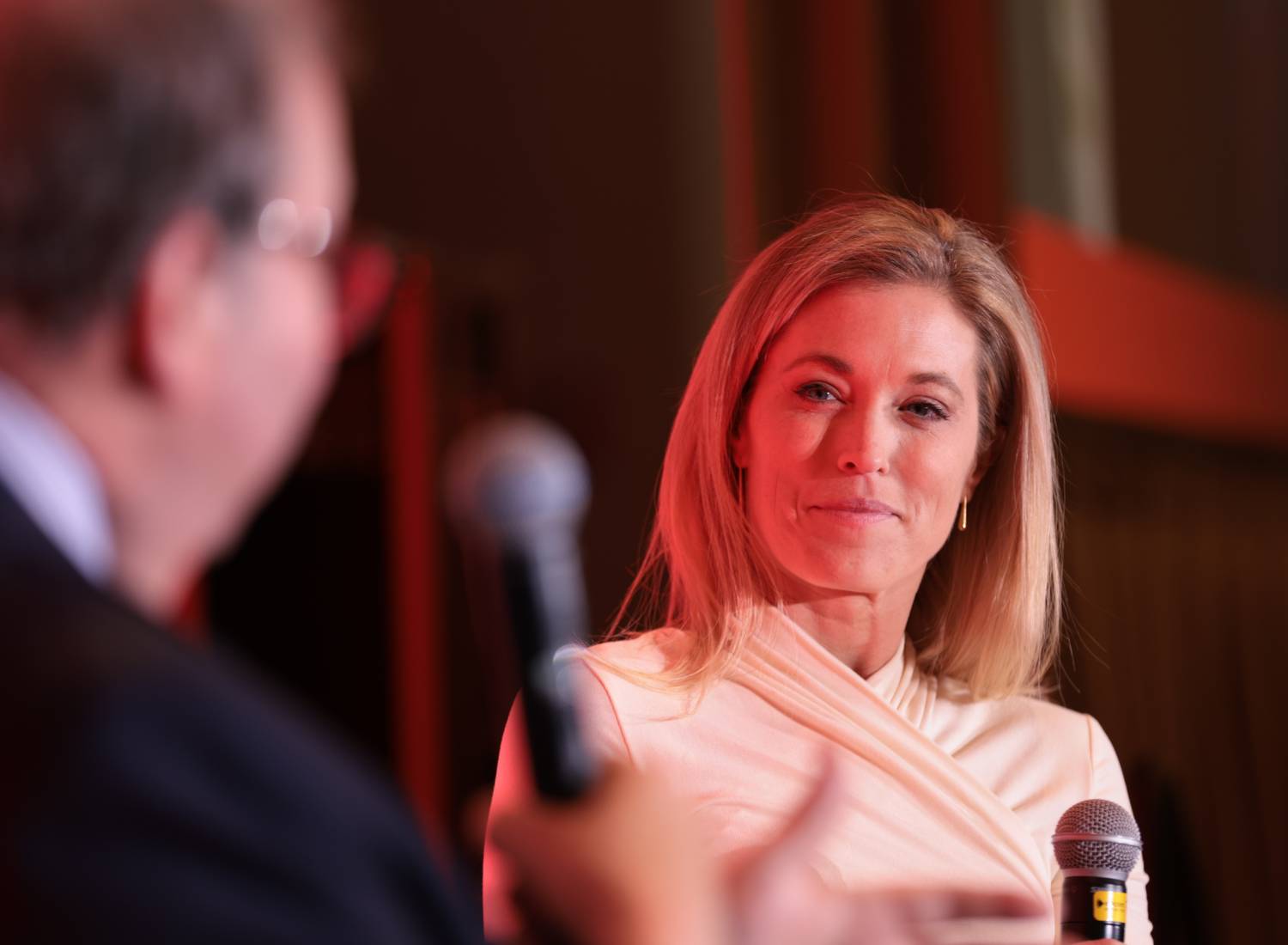
LeadersMarch 2026 — Abby Lindenberg has a habit that tends to unsettle people. Before every leadership summit, before every panel, before the coffee goes cold and the networking turns to attentive listening, she asks a room full of 250-plus industry leaders a question most conference organizers shy away from: What are the hills still left to climb?

Lindenberg, the founder and CEO of B2B multimedia outlet caa, has built a decade-long business on the conviction that the most valuable thing you can do for a business community is tell the truth, about where it’s thriving, where it’s stalling, and what it’s going to take to close the gap.

In the first quarter of 2026, Lindenberg tested that conviction across metros from sunshine-soaked Palm Beach County to the northern reaches of New Jersey. Back-to-back summits, each one drawing hundreds of executives, civic leaders, developers, healthcare executives, and educators into the same room to do the thing Lindenberg believes the business world has quietly stopped doing enough of: talk to each other, face to face, about what’s actually happening. In effect, bringing the human element back to decision-making.

“At caa, we don’t just report on the economics of a region,” Lindenberg said. “We report on the humans behind it. Because we know those two things are inseparable.”

In 2025 alone, CAA hosted hundreds of speakers across more than 50 panels and welcomed over 3,000 attendees across 18 markets. The organization’s research consistently shows that executives who attend its events are more engaged in their local communities, make more economic impact, and carry what Lindenberg calls a growth mindset — “not only for themselves but for their companies and their communities.”

When it comes to the “hills left to climb,” these events yielded numerous takeaways. Download your free Q1 2026 Leadership Summit brief to read the 10 key things these communities said this past quarter, as voiced by the leadership panel members across numerous cities, as well as the data explaining why they matter.

Want more? Read the Invest: reports.

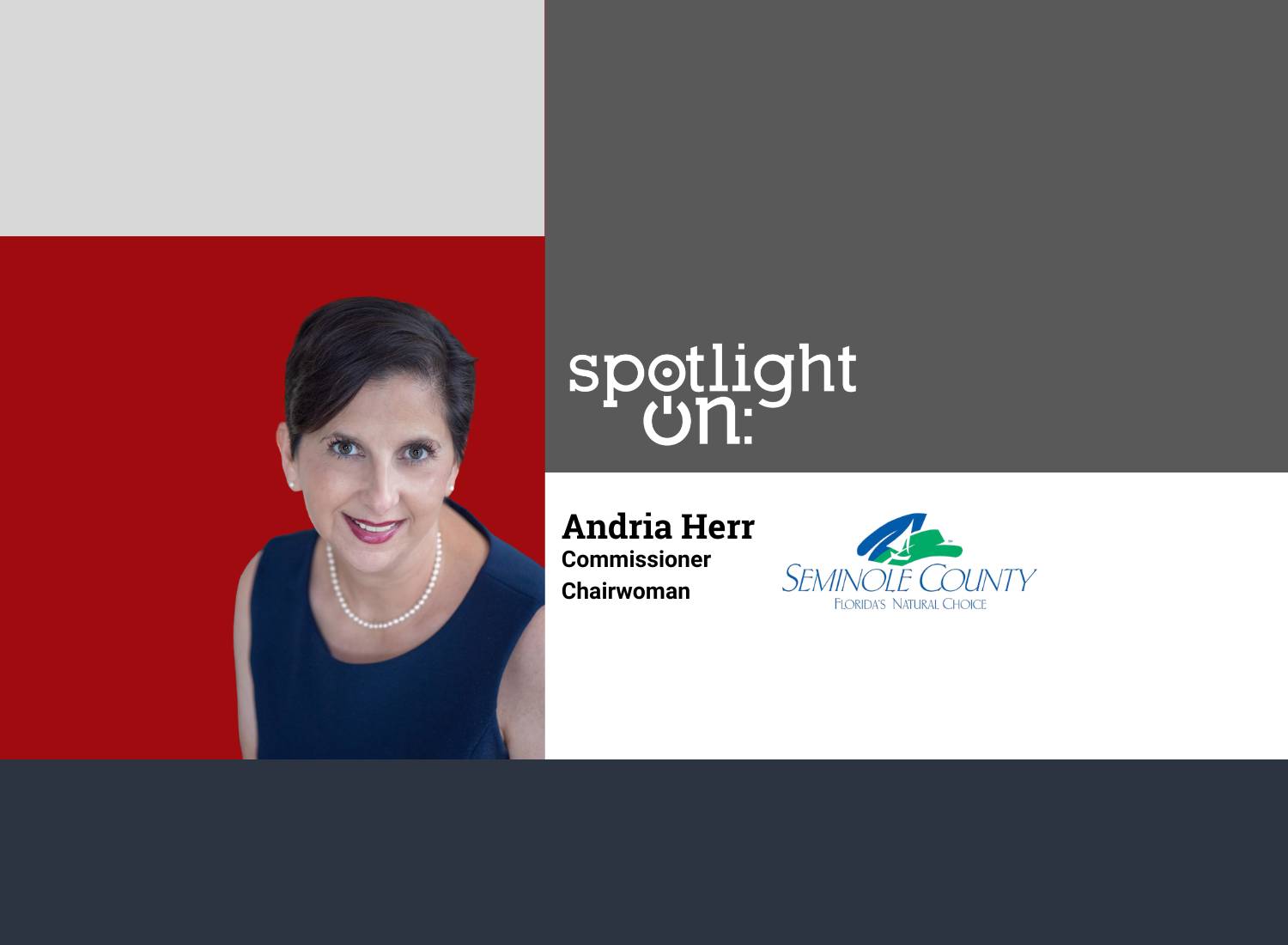
Spotlight On: Andria Herr, Commissioner Chairwoman, Seminole County

Key points:

  • • Seminole County combines strong workforce fundamentals with a high quality of life to attract business investment.
  • • A diverse, innovation-driven economy supports long-term stability and growth.
  • • Success is defined by balancing expansion with preserving community character and livability.

Andria Herr Spotlight onMarch 2026 — A highly educated workforce and emphasis on quality of life have made Seminole County a standout for businesses targeting Florida for relocation and expansion. In an interview with Invest:, Commissioner Chairwoman Andria Herr shared what makes the county unique and the key wins pushing Seminole County forward. “If we can preserve our character while expanding opportunity, our resident’s benefit. That is our definition of success,” said Herr.

How would you describe Seminole County’s position within the Greater Orlando region, and what makes it distinct in Florida?

Seminole County is in a very strong position within the Greater Orlando region. We are a County of nearly a half million residents, with a highly educated workforce, strong household incomes, exceptional k-12 public education and employment numbers that continue to compare well regionally.

What makes Seminole County distinct is that we have managed to grow while staying very intentional about the kind of community residents desire. We are part of one of the most dynamic regions in the country, but we have preserved a character and quality of life that residents value deeply. That combination of economic strength, fiscal discipline, and thoughtful growth is not easy to achieve, and it is one of the reasons Seminole County stands out in Florida. 

With high-wage investments such as the BNY Mellon expansion drawing regional attention, what does that demonstrate about how national and global firms view Seminole County?

The BNY Mellon expansion sends a very clear message. Global companies do not make major long-term investments unless they have confidence in the workforce, the business climate, the infrastructure, quality of life and the overall direction of a community. In Lake Mary, BNY Mellon expanded to more than 300,000 square feet, and County and regional economic development leaders have pointed to that investment as a sign of confidence in Seminole County’s talent pipeline, economic stability and overall desirability. To me, it shows that Seminole County is not simply a place where local businesses thrive. It is a place where national and international firms know they can compete, grow, and attract top talent. 

How would you characterize Seminole County’s economic mix today, and where do you see the strongest and most sustainable drivers of growth emerging?

I would describe Seminole County’s economy as diverse, resilient, and increasingly innovation-driven. We are not dependent on any one industry. Our employment base includes professional and business services, health care, retail, construction, finance, manufacturing, and technology-related sectors. That diversity matters because it gives us stability during economic shifts. Looking ahead, I see the strongest and most sustainable drivers of growth coming from high-skill professional services, financial technology, health care, advanced manufacturing, and the continued alignment between employers and our regional education and workforce partners. We are also seeing tourism and sports-related activity create value, but our long-term advantage will continue to come from a well-prepared workforce and a business environment that supports entrepreneurs, mid-sized and major employers. 

How does the county translate quality of life into land-use policy, infrastructure investment, and reinvestment of tourism revenues?

For Seminole County, quality of life is a governing principle, not a slogan. Land-use decisions are measured against whether they protect the character of our communities, support long-term livability, and make sense for existing infrastructure. We invest in the fundamentals that people count on, including parks, trails, public safety, stormwater, utilities, and community spaces. On the tourism side, we have been deliberate about using those resources to strengthen the visitor economy in ways that also benefit residents. Tourist development tax revenues support tourism promotion and cultural programming. 

As transportation assets become a greater priority, how critical is mobility to the county’s long-term competitiveness and quality of life?

Effective mobility is absolutely critical. If people cannot move efficiently through a community, you limit economic opportunity, strain quality of life, and make it harder to compete for investment. In Seminole County, mobility is viewed broadly. It is roads, certainly, but it is also regional connectivity, transit, trail systems, sidewalks, and the ability to move people safely and reliably between where they live, work, learn, and recreate. Regional and county planning documents increasingly reflect that multimodal approach, with continued emphasis on roadway improvements, active transportation, and transit connections, including SunRail and related mobility planning. In the years ahead, communities that solve mobility challenges thoughtfully will be best positioned to succeed, and Seminole County understands that. 

Looking ahead three to five years, what will define success for Seminole County?

Success for Seminole County over the next three to five years will be defined by balance. We plan to continue growing jobs and opportunities without losing the quality of life that makes this County special. Success means remaining fiscally responsible while investing in infrastructure, public safety, mobility, and the amenities residents expect. It means continuing to attract the right employers, supporting our existing business community, and making sure our workforce pipeline stays strong.

It also means delivering visible results that residents can feel in their daily lives, from shorter waits and better mobility options to stronger parks, safer neighborhoods, and a County government that stays focused on service. If we can preserve our character while expanding opportunity, our resident’s benefit. That is our definition of success.

Want more? Read the Invest: Greater Orlando report.

Charlotte tests office-to-residential conversions amid rising vacancy

Key points:

  • • Charlotte is testing office-to-residential conversions as vacancy in older buildings rises.
  • • Projects face major structural and financial constraints, limiting widespread adoption.
  • • Adaptive reuse is gaining traction as part of a broader shift toward mixed-use, higher-density development.

Charlotte office marketMarch 2026 — Charlotte is beginning to test whether aging office towers can be repositioned as housing, as elevated vacancy persists across older buildings. The shift reflects growing pressure on legacy office inventory in the city’s urban core.

The most prominent example is the Brooklyn & Church redevelopment. According to a JLL press release, the project will convert a former Duke Energy office tower into about 460 luxury apartments with ground-floor retail. Delivery is expected in 2027. Developers are preserving the structural core of the building and redesigning the façade to accommodate residential units.

“This transformative project will set a new standard for luxury living in Uptown Charlotte,” said Taylor Allison, a member of JLL’s Capital Markets Debt and Equity Advisory team, in a press release.

The project is widely viewed as a test case. It signals how owners may reposition older assets that struggle to compete with newer construction. Similar strategies have gained traction in larger U.S. markets over the past two years. In Washington, D.C., developers are converting two vacant office buildings near Dupont Circle into more than 500 apartments. According to npr, the nation’s capital has delivered roughly 2,000 units through 11 completed conversions since 2024. 

In New York City, the former office tower at 25 Water St. is being redeveloped into about 1,300 apartments, the largest office-to-residential conversion in the United States to date, according to The Architect’s Newspaper. These projects demonstrate how adaptive reuse is being used to address both elevated office vacancy and persistent housing shortages in major urban markets. 

Vacancy pressures older assets

Office vacancy in Uptown remains elevated, with Charlotte’s overall rate reaching about 26% in 2025, according to Charlotte Business Journal. That figure marks a record high. Market participants note it was partly skewed by Vanguard Group vacating more than 565,000 square feet and moving into an owner-occupied campus.

Even with that distortion, vacancy remains well above a balanced market. Large blocks of space returning to inventory have weighed on absorption.

Leasing demand has concentrated in newer, amenity-rich buildings. Class A assets account for the majority of recent deals, particularly in Uptown and South End. Older Class B towers continue to lag and face higher availability.

This gap is driving early conversations around conversion. Market participants say older assets without recent capital investment are the most likely candidates. Buildings that cannot attract new tenants may require alternative uses to retain value.

Even so, conversion activity remains limited. Charlotte trails larger markets where adaptive reuse has already scaled. The current environment reflects more exploration than execution.

Not every building qualifies

Only a small portion of office inventory can realistically convert to residential use. Structural and financial constraints limit feasibility across much of the market.

Buildings must meet several physical criteria. Floor plates need to be narrow enough to allow natural light into units. Window spacing must align with residential layouts. Structural systems must support plumbing and mechanical retrofits across multiple floors.

Many Charlotte towers were developed with large, deep floor plates optimized for office use. Those configurations reduce residential efficiency and often require major structural changes to make units viable.

Economics presents an even larger hurdle. Research from Brookings Institution shows most office conversion projects are not financially feasible without public support. In a national analysis of multiple markets, the majority of buildings studied generated negative returns after accounting for acquisition, construction, and financing costs.

Conversion costs frequently exceed $300 per square foot in many markets. That can rival or surpass ground-up development. As a result, projects depend on a narrow set of conditions, including discounted acquisition, strong residential demand, and, in many cases, tax incentives or subsidies.

Conversion is not a universal solution. It works on a building-by-building basis, shaped by design, market rents, and the availability of policy support.

Suburban sites enter pipeline

Conversion interest is not limited to Uptown. Developers are also evaluating suburban office properties for redevelopment as vacancy rises in older assets.

In Ballantyne, Northwood Ravin has filed plans to convert the Rushmore One office building into a multifamily project. According to the Charlotte Business Journal, the proposal outlines about 411 units across a mix of apartment buildings and townhomes on the 16-acre site.

The property, built in 1997, recently lost its sole tenant after Synchrony Financial relocated to SouthPark. The vacancy has created an opportunity to reposition the site as residential rather than pursue new office tenants.

The project remains in the early planning stages. It reflects a broader shift underway in Ballantyne, where office-heavy development is being rebalanced with housing, retail, and entertainment.

Northwood’s broader Ballantyne Reimagined initiative includes new apartment towers, mixed-use retail, and public space. The strategy aims to transition the area from a traditional office park into a more diversified, walkable district.

This evolution mirrors national trends. Suburban office campuses with excess capacity are increasingly being repositioned to support residential growth and mixed-use environments.

Long-term shift takes shape

Local policy is beginning to align with adaptive reuse. The City of Charlotte Planning, Design & Development Department has emphasized higher-density, mixed-use development through the Charlotte Future 2040 Comprehensive Plan, according to a press release. That plan calls for more housing in employment centers and reinvestment in underutilized commercial areas. The city’s Unified Development Ordinance, implemented in 2023, further supports this approach by allowing more flexible, by-right development in certain districts and reducing zoning barriers for residential and mixed-use projects.

“With the introduction of the Community Area Plans, we are taking significant strides towards realizing Charlotte’s future goals,” Monica Holmes, planning director for the city of Charlotte, said in the January press release. “These plans not only enhance our ability to manage growth effectively but also foster vibrant, resilient neighborhoods that reflect the diverse needs and aspirations of our residents.”

Planning efforts have also focused on streamlining approvals. City officials have prioritized more predictable permitting processes and greater coordination across departments to facilitate redevelopment of existing properties, including aging office buildings.

Want more? Read the Invest: Charlotte report.

Pittsburgh is closing the workforce gap one partnership at a time

Key points:

  • • Education and industry are aligning to create more flexible, work-integrated learning models.
  • • Adaptability and AI skills are becoming core workforce requirements.
  • • Infrastructure and partnerships are critical to preparing job-ready talent.

Pittsburgh workforce development mainMarch 2026 — Pittsburgh has always been a city that rebuilds. But the next reinvention may be its most consequential, and the biggest opportunity lies in closing the gap between the classroom and that first career job.

At the Invest: Pittsburgh Leadership Summit in late February, Southwestern Pennsylvania’s key leaders discussed what happens when educators and businesses start building something together.

A not-so-linear path

“I don’t think you’re going to see this linear model of higher education anymore,” Roger Davis, president of the Community College of Beaver County (CCBC), pointed out during one of the summit’s panel discussions on workforce development.

He’s watching it happen in real time, with employers frustrated by the lag between what’s taught on campus and needed in the workplace. Davis thinks the answer isn’t to abandon higher education, but to rewire it. Students should be moving fluidly between work and school, not waiting until graduation to step into a professional environment, he noted. “If you partner with us, we will get you the formula that you need to get the type of employees you’re looking for.”

CCBC’s Aviation Sciences Center has a national reputation for training air traffic controllers, and the college is mid-construction on a $22 million aviation facility at the Beaver County Airport where students learn to land planes in a real professional setting from day one.

Cultivating the ‘adaptive mind’

While there’s a temptation, especially now, to reduce the workforce conversation to a checklist of technical skills from AI and robotics to automation, Washington & Jefferson College President Elizabeth MacLeod Walls thinks that framing misses something important.

“Technical skills are really important, but we also need those next-level leaders to be able to adapt, problem-solve, and co-create,” Walls told more than 200 industry leaders at the summit.

To make her point, she pointed to someone sitting in the room — a W&J history major from 2012 who now works as a chief estimator for mission-critical data centers. “It’s that critical thinking that allows a history major to advance the mission.”

W&J is backing that philosophy with concrete moves. A new Urban Planning major is in the works, and their partnership with UPMC Washington now puts nursing students on-site at the hospital for two full years before they return to campus to finish their degrees. It’s the kind of arrangement that MacLeod Walls wants to be the norm.

Integrating AI

In the world of business, adaptability is the skill that C-suite executives around the globe are hunting for. But adaptability without technological fluency is only half the equation.

“We need Gen AI embedded in all curriculum in higher ed,” Adam Smith, partner at Forvis Mazars, shared.

Speaking on the panel, Smith pushed educators to get closer to industry and understand how AI is being used at the firm level. “Training and learning development is not a one-time event; it has to be constant and evolving,” said Smith.

Infrastructure sandbox

But not every piece of the workforce puzzle lives inside a university building. Presenting the workforce development panel, Westmoreland County Commissioner Doug Chew reminded the room that none of this works without the right foundation underneath it — and right now, that foundation is broadband.

Westmoreland County has laid 400 miles of new fiber infrastructure, and Chew is direct about why it matters. “Reliable broadband is no longer an option; it’s a foundational economic infrastructure component,” said Chew.

The county is also investing in career academies that use project-based STEAM education to give students and the employers who hire them a shared language around skills and readiness. When a company brings on a Westmoreland graduate, Chew wants them to possess the technical competence and the ability to contribute from day one.

Pittsburgh workforce development
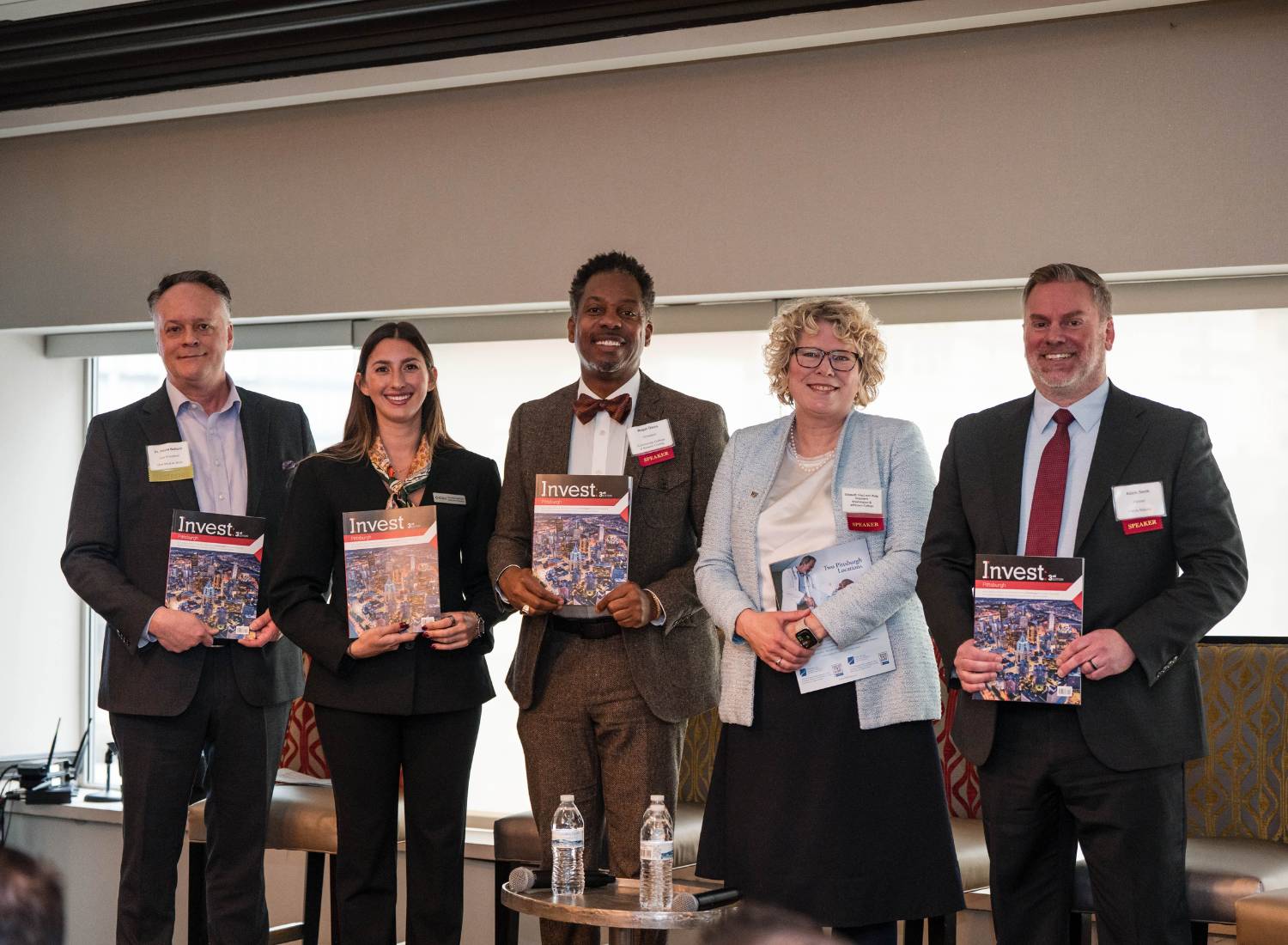
Moderator and panelists at the Invest: Pittsburgh Leadership Summit in late February.

Measuring purpose

David Ballard, vice president at One Mind at Work and panel moderator, brought the conversation back to why any of this matters in the first place, focusing on workplace mental health and purpose. The panelists said that the goal is to embed fearlessness in the next generation entering the workforce and for people to be genuinely equipped to lead lives of meaning and purpose.

And in a region that’s spent decades reinventing itself, that might be the most Pittsburgh idea of all.

Want more? Read the Invest: Pittsburgh report.

Miami airport expansion boosts capacity and sustainability

Key points:

  • • MIA is undergoing a multi-billion-dollar transformation, led by the Concourse D60 expansion to increase capacity and improve passenger experience.
  • • The project enhances international travel efficiency, adds modern amenities, and incorporates sustainability features.
  • • As American Airlines expands its presence, the investment reinforces Miami’s role as a leading global aviation and economic hub.

AirportMarch 2026 — Miami International Airport (MIA) is undergoing a sweeping transformation, with multiple expansion and modernization projects aimed at improving passenger experience, increasing capacity, and strengthening its role as a global aviation hub. Central to these efforts is the ambitious redevelopment of Concourse D, led by American Airlines in partnership with Miami-Dade County, as part of a broader multi-billion-dollar investment across the airport.

The most prominent project is the $1 billion Gate D60 expansion, a three-level extension that will significantly upgrade Concourse D. According to a press release from the airport, the new concourse is scheduled to break ground in 2027 and is expected to be completed by 2030. The project will transform an outdated boarding area into a modern facility with 17 new aircraft gates designed for larger regional and narrow-body planes. Currently, the D60 area relies on a single shared boarding space and ground-level gates that require passengers to board aircraft outdoors. The redesign will eliminate these limitations by introducing traditional contact gates, each with its own spacious passenger waiting area, improving both comfort and efficiency.

“Miami is an essential hub and international gateway for American, and it’s a key part of our history and our future,” Robert Isom, CEO of American Airlines, stated in a press release from the airline. “The brand-new, reimagined D60 is a transformational project that will provide a much-improved experience for our customers and our team. This investment,  alongside new premium lounges and new routes,  reflects our shared commitment with Miami-Dade County and the airport to ensure Miami remains the preeminent U.S. gateway to Latin America.” 

The new concourse extension will also enhance international travel. According to the Miami Herald, each of the 17 gates will feature direct third-level access to Concourse D’s U.S. Customs and Border Protection facilities, streamlining the arrival process for international passengers. Additionally, the expansion will include an upgraded baggage handling system, as well as new dining and shopping options to elevate the overall airport experience. The space itself is designed to feel more modern and open, with expansive spaces and upgraded amenities that aim to make travel more seamless.

Sustainability is another key component of the project. The new D60 facility is being designed with environmentally conscious features aimed at achieving LEED Silver certification and Envision Verified status, according to the airport press release. This highlights the commitment the airport has made to resilient and energy-efficient infrastructure.

“The D60 expansion is one of the most monumental customer service improvements within our unprecedented airport-wide modernization plan, which will transform the passenger experience at MIA from the cabin to the curb over the next five years. MIA ranks among the fastest-growing global hubs since the pandemic, and the North Terminal expansion, coupled with South Terminal’s future Concourse K and the Central Terminal redevelopment, will create a new future-ready gateway fully enabled to serve our millions of visitors for decades to come,” Daniella Levine Cava, mayor of Miami-Dade County, stated in a press release.

This expansion is part of the larger $9 billion M.I.A. Plan, which includes more than 200 improvement projects across the airport, according to the press release. Among them are the recently opened Ibis Garage, modernization of more than 600 elevators, escalators, and moving walkways, renovation of 196 public restrooms, the upcoming Concourse K expansion scheduled for 2029, and a $745 million redevelopment of the Central Terminal expected to be completed by 2031. Together, these initiatives represent a comprehensive effort to modernize one of the busiest airports in the United States while addressing long-standing passenger concerns.

American Airlines plays a central role in MIA’s growth. According to the Miami Herald, as the airport’s largest carrier, it accounts for more than 60% of passenger traffic and operates around 400 daily departures to 155 destinations across 45 countries. The airline is also planning its largest summer schedule ever, reinforcing Miami’s role as a major international gateway, particularly to Latin America and the Caribbean. The new D60 concourse will be used exclusively by American Airlines, further cementing its presence at the airport, according to the Miami Herald.

Beyond infrastructure, the expansion carries significant economic impact. American Airlines is the largest for-profit employer in Miami-Dade County, with approximately 15,500 employees at MIA. Its continued investment supports job creation, workforce development partnerships, and regional economic growth.

Want more? Read the Invest: Miami report.

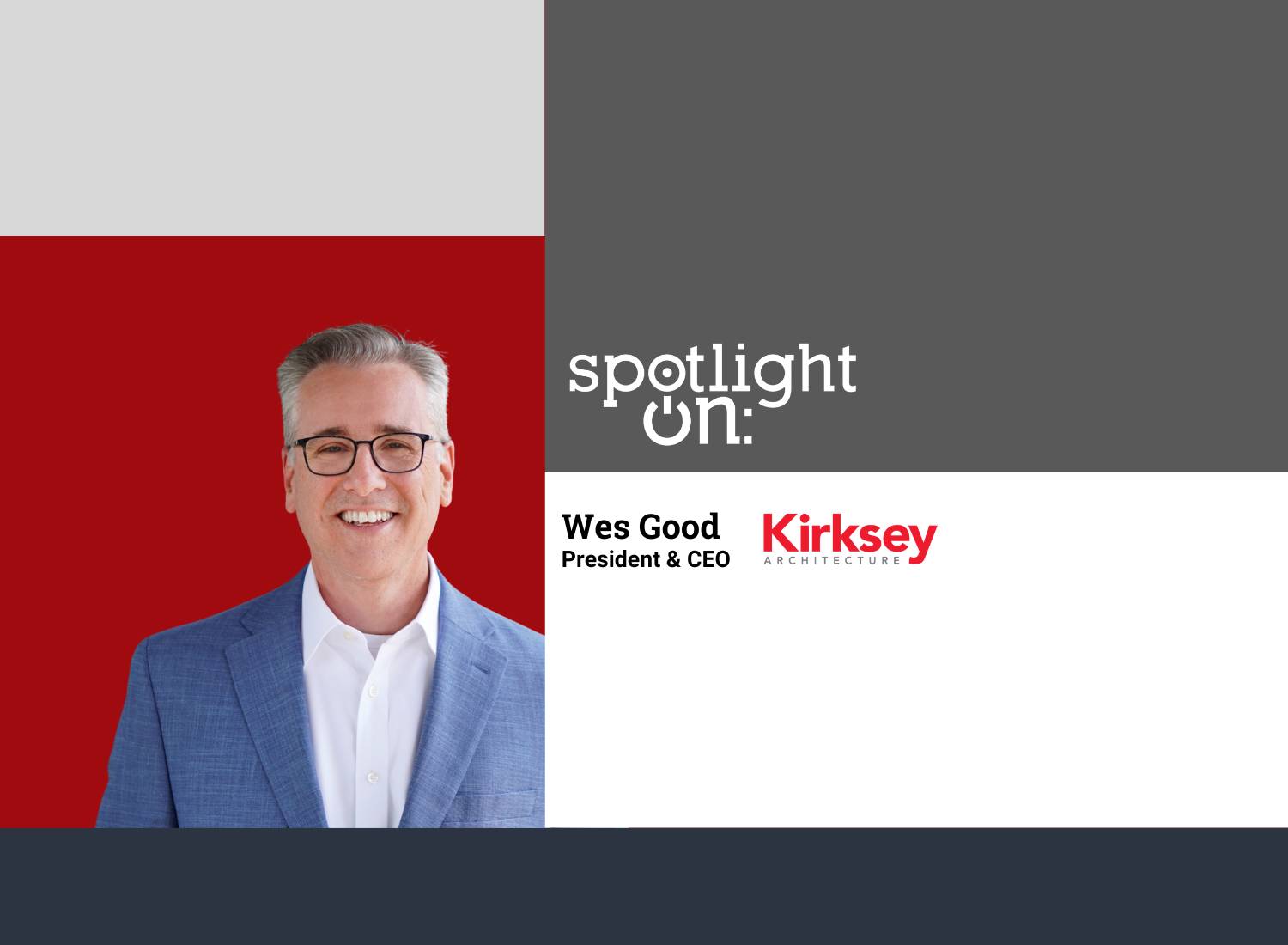
Spotlight On: Wes Good, President & CEO, Kirksey Architecture

Key points:

  • • Houston is shifting toward adaptive reuse, with growing demand for repositioning existing buildings over new construction.
  • • Mixed-use, experiential, and community-focused projects are gaining momentum alongside evolving workplace design.
  • • Sustainability, cost efficiency, and long-term flexibility are shaping how projects are planned and delivered.

Wes Good spotlight onMarch 2026 — Invest: spoke with Wes Good, president and CEO of Kirksey Architecture, about how Houston’s built environment is evolving as the city adapts existing assets, rethinks workplace design, and balances growth with long-term sustainability. “We have a lot of infrastructure and a lot of great buildings that we’re just not going to tear down,” Good said.

What recent changes in the Houston market or economy have had the biggest impact on your firm’s work and your clients’ priorities?

What we have seen is a pullback in large corporate office buildings and major corporate relocations, alongside a clear increase in repurposing and repositioning existing properties. During earlier growth cycles, Houston added a significant volume of office product, and many end-users moved into newer facilities. That left several buildings partially occupied or vacant.

As a result, owners are looking at what those assets can become. We’ve taken office buildings and added worship space when a church purchased the property. We’re seeing hotels converted into mid- to lower-cost housing and early examples of office-to-residential conversions. We’ve also modernized older office buildings with full facelift programs so they can compete again.

We have a lot of infrastructure and a lot of great buildings that we’re just not going to tear down, so the work becomes reimagining them and putting them in a new position for today’s users. That shift toward adaptive reuse has already impacted our pipeline and will continue to shape the market.

Are you seeing demand shift toward certain project types that weren’t as prominent a few years ago?

Yes. Houston is still growing, and while the city is densifying in places, development keeps pushing outward. In those suburban growth corridors, we’re increasingly seeing mixed-use projects that used to be concentrated in more urban environments.

People are still flocking to experiences. Convenience retail will always exist, but more clients are pursuing walkable environments that combine dining, shopping, living, and office uses in closer proximity. At the same time, we’re seeing more civic and community-focused work: museums, community centers, churches, and other projects that serve the public in experiential ways.

Education remains a major need as well. With continued population growth, school districts and higher education institutions are working through bonds and planning processes to keep pace with demand.

You’ve said that office culture is shaped by both design and leadership. How are clients balancing those factors as they bring people back to the office?

There’s still a search for what makes someone leave the comfort of home and choose an office. Part of that is human interaction, but part of it is the workplace itself: the ability to support focus work, collaboration, and the day-to-day experience in a way that feels worth the commute.

The trend is not fun amenities. It’s more casual collaboration, intentional interactive spaces, and comfort and convenience that help people do their work better together. Many organizations are also realizing that fully remote work is not ideal for everyone, particularly in collaborative fields. Hybrid policies give employers flexibility, but the physical environment still matters if you want people to return consistently.

With construction costs remaining high, how are clients approaching timelines, budgets, and long-term investments?

We generally counsel clients that prices rarely move downward in a meaningful way unless the economy hits a downturn. So the conversation becomes: how do we get the most value from the dollars available?

Often, that means building more efficiently rather than simply building more. In workplaces, you don’t necessarily need a dedicated desk for every person. In education, you can plan shared spaces more effectively. The long-term challenge is not building so small that you can’t accommodate growth.

Where possible, we plan expansion into the concept, especially on greenfield sites. In leased office space, growth planning often becomes a lease strategy: options on adjacent space, right-of-first-refusal language, and operational approaches like adjusting hybrid schedules to manage headcount in the office.

What tells you that a project will be successful beyond aesthetics and initial delivery?

Success is strongest when a project addresses more than a single function. It’s not only about housing people or meeting a program requirement. It’s also about what happens at the ground level, pedestrian interaction, and whether the project enhances the neighborhood around it.

We look for impact beyond the borders of the site. Does it bring services and convenience closer to residents? Does it improve connectivity or the experience of a district in tangible and intangible ways? When the benefits bleed into the surrounding community, you tend to see lasting value.

How are energy performance and carbon targets influencing design decisions this year?

Not every client comes in with specific targets, and many are still figuring out what those targets should be. Carbon neutrality is ambitious, and even when it isn’t mandated, our role is to educate and show options.

We have in-house energy modeling, so we can demonstrate performance throughout design and connect those decisions to operational outcomes. From our perspective, sustainability is increasingly embedded in how we approach projects, even when clients simply start with the need for space and rely on us to be responsible stewards of the environment.

Mass timber is gaining attention in Houston. What’s driving that interest?

We delivered our first mass timber building roughly four years ago, and at the time, it was the largest academic collegiate mass timber building in the country. Early interest was driven by technology and speed of construction, which can materially affect schedule and cost.

As understanding has grown, the sustainability case has strengthened as well. With managed forests and regional supply improving in the South, mass timber can compete more effectively. And it’s a beautiful material when it’s used well and left exposed, creating warmth without a lot of added finishes.

Where are you seeing real value from AI tools in the design process?

Right now, the most practical gains are on the front end: generating options, improving visualization, and producing renderings and animations faster. We’re testing broader uses, including parts of documentation, but those applications depend on high-quality, well-organized information.

AI is only as good as what it can pull from, so we’re focused on strengthening internal data and standards so it can assemble reliable outputs. The pace is accelerating, and I expect capabilities to expand quickly.

What makes Houston the right place for Kirksey’s continued growth?

I’m a Houston homer. I’ve lived here since 1972, so I’m biased, but it’s a great business city. We don’t have the same tourism draw as some markets, yet we have economic diversity and depth: the medical center, research activity, emerging data center growth, industrial distribution, sports, and performing arts.

Houston also remains attractive from an affordability and opportunity standpoint. There are jobs across sectors, and the city continues to draw people and investment. Improving mobility and transit will be important as congestion grows, but the fundamentals that make Houston a place where people want to build careers are still strong.

How do nonprofit and community-focused projects fit into your overall strategy?

They’re a major part of our identity. We encourage our team to be involved in community activity and organizations, not to promote the firm, but to contribute.

Those relationships often lead to projects with outsized impact. Being part of organizations like the Houston Food Bank or Kids’ Meals, and seeing them scale the way they have, is rewarding at a different level. We’re invited into those opportunities because we’re visible and rooted in the community.

Looking ahead, what are your biggest goals for the firm?

We want more balance across our market sectors. Some areas will pull back, and we want to be positioned to backfill with work in other industries. We’re active in almost every market, and we’d like to see a consistent level throughout our portfolio.

We also want to continue to grow our Austin and Dallas offices, applying our experience and cross-sector capabilities to support those locations. And we want to keep building Houston thoughtfully.

Sustainability stays central, not only in how buildings perform, but in the stewardship of client resources. Doing the most for the least amount of money, while designing places that can endure, adapt, and improve over time, remains a core goal.

Want more? Read the Invest: Houston report.

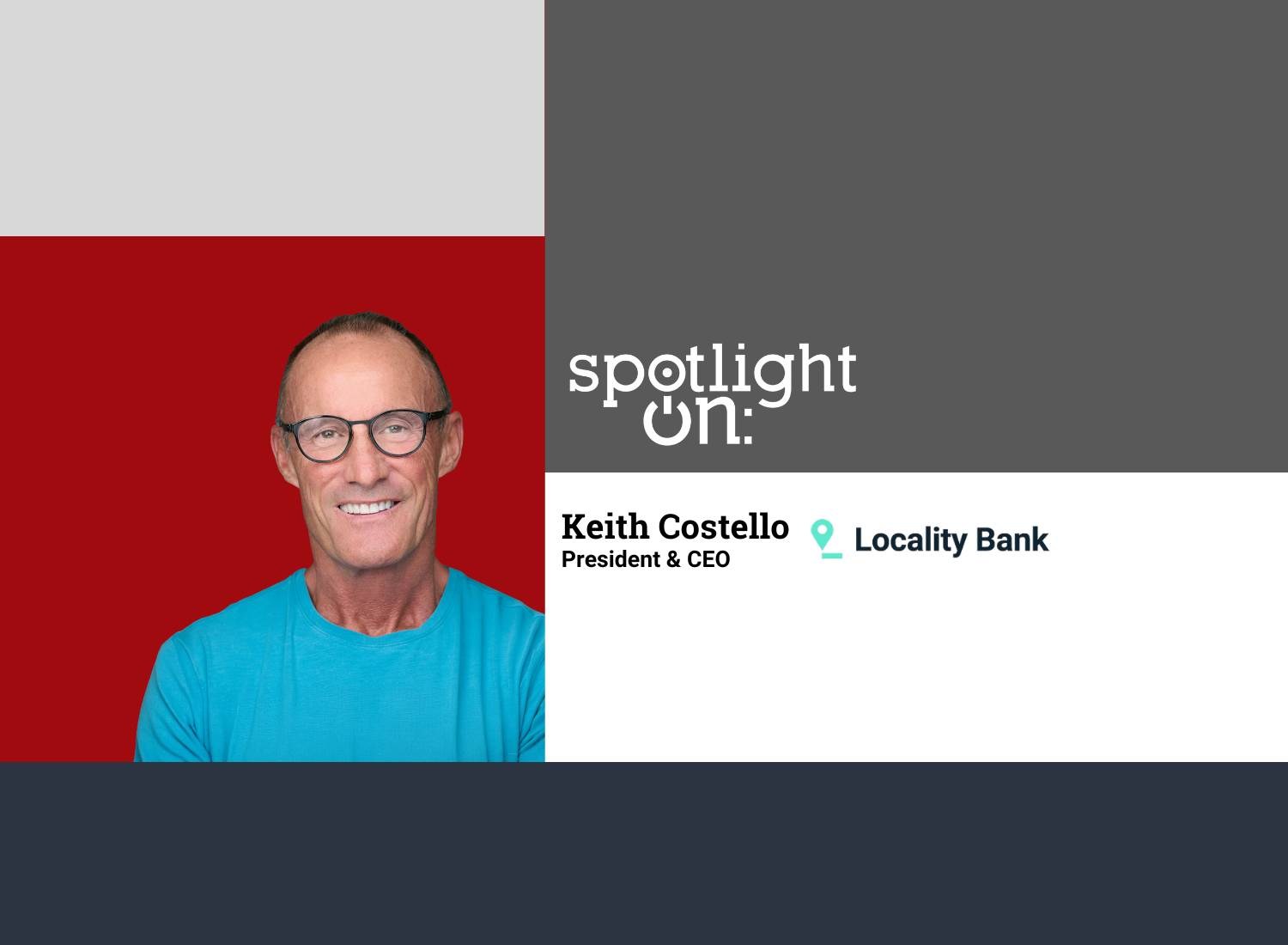
Spotlight On: Keith Costello, President & CEO, Locality Bank

Key points:

  • • Strong regional growth continues, but affordability, rates, and labor constraints are shaping lending and business planning.
  • • SBA lending is expanding as a key channel to support small businesses and improve access to capital.
  • • Banks are investing in digital tools, but relationship-driven service remains central to community banking.

Keith Costello spotlight onMarch 2026 — Invest: sat down with Keith Costello, president and CEO of Locality Bank, to discuss South Florida’s shifting credit landscape, the bank’s SBA growth strategy, and why community banking still needs a human touch. “Technology can make service more efficient, but it can’t replace relationship building. We want to keep meeting clients one-on-one and strengthening that personal, consultative role,” Costello said.

What changes have you seen in South Florida’s recent-term business environment, and how is that shaping how local companies approach banking and access to capital?

Over the last year or so, what stands out most is continued growth. The in-migration we’ve had from other areas and the level of economic activity remain strong, so overall I would describe the environment as very positive.

I recently heard an update on the Broward economy that was largely encouraging. If there’s an area where we’ve seen some slight drawbacks, it’s tourism, which seems tied to broader international dynamics. I think some of the softness in tourism reflects the fallout we’ve felt with Canadian visitors and other international travel patterns. Even there, the pipeline of projects and public investments matters, because it supports long-term confidence in the destination.

At the same time, there’s a lot of momentum locally. Projects like the convention center hotel and other downtown initiatives are helping re-energize Fort Lauderdale. From my perspective, there continues to be a lot going on in Broward County that supports business confidence.

How are interest rates, credit conditions, and broader economic uncertainty influencing lending activity among middle-market and small businesses?

With interest rates, no one can predict precisely where they’re headed. That said, the expectation right now is that short-term rates could trend lower over time, with a couple of cuts in the Fed funds rate anticipated, while longer-term rates have remained higher.

Longer-term rates matter because they influence things like mortgage rates and other long-duration financings. Housing affordability is still a concern in South Florida, not only because of mortgages, but also because of insurance and overall building costs. Home prices have risen to a point where many people who live here find it difficult to afford a home. We are seeing local leaders and the county look at ways to mitigate that, including affordable housing initiatives, but affordability remains a pressure point for the region.

On the small- and medium-sized business side, we’ve seen challenges driven by several factors. Tariffs have made planning and costs harder for certain companies. Immigration-related issues have also affected industries like landscaping, construction, and hospitality, where employers relied on foreign workers to fill positions.

Even with those pressures, many of our clients are doing very well. They tend to be optimistic about the local market, and because we’re focused primarily on South Florida, I remain optimistic overall. Still, uncertainty is a real part of the environment right now, especially as technology and AI accelerate change.

What are you seeing in SBA lending, and how is demand evolving among entrepreneurs looking to start, acquire, or expand businesses?

SBA lending has been picking up for us. We’ve invested heavily in building out that capability because creating an SBA program is almost like building another bank. It requires specialized skill sets and a dedicated back office to execute well.

We believe in the SBA program because it can help local companies that might not have access to credit otherwise. We continue to see strong demand, and we’re hiring additional SBA business development officers to help meet it.

What role do you see technology playing in community banking, and how do you balance digital efficiency with the relationship-driven model local businesses value?

We started the bank with a clear premise: do what community banks do best, which is relationship banking and focusing on local customers, but avoid the clunky technology that too many community banks have lived with for years.

As a newer bank, we were able to build with strong digital capabilities from day one. Our app allows customers to handle virtually anything they could do in a branch. We’ve invested heavily because people expect flexibility, speed, and a smooth experience.

We’re also planning to form a holding company and create a technology subsidiary. The goal is to have the bank alongside a technology entity that can build tools we can use internally and, potentially over time, develop in ways that serve specific markets and customer needs more precisely. 

The broader reality is that the rate of change is extremely fast. AI is reshaping assumptions across industries, and the truth is, no one knows exactly how it will play out. In that environment, you need a moat, proprietary data, and leadership that’s mentally agile enough to adjust quickly. AI is one example, but we’re also seeing rapid developments in digital assets and stablecoins.

At the same time, the more technology expands, the more important the human side becomes. People still need human interaction and trusted advice. Technology can make service more efficient, but it can’t replace relationship building. We want to keep meeting clients one-on-one and strengthening that personal, consultative role.

What role do you see Locality Bank playing in supporting regional economic resilience and the community itself?

That mission is a big reason we started the bank. We saw the need for a truly local bank, meaning headquartered here, with local shareholders and a local executive team. There are very few banks left that are headquartered in Broward County, and being rooted in the community changes how you operate.

I don’t think people always recognize that banking choices have economic impact. Where they do their banking, and where they put their money, affects the local economy. Deposits placed with a bank headquartered here are used here. Those funds are lent to businesses in this community, not somewhere else.

For local businesses, that matters. We’re a local business, too, and we live or die by the local economy. The more customers and investors support local institutions and understand that connection, the better it is for Greater Fort Lauderdale and Broward County.

Looking ahead three to five years, what are your top priorities for Locality Bank?

The biggest priority is preparing for the scale and speed of change underway. When you plan as a business, you’re planning years out, and if you’re not investing in technology, you have to accept the risk that you may not be around in five years.

We’re also seeing shifts in the regulatory environment, which can create opportunity but also invites new entrants. You’re seeing fintechs and crypto-related companies pursue bank charters. From my perspective, competition is healthy. If a fintech becomes a bank, I’d rather compete with an entity operating under the same regulatory expectations.

We enjoy competition, but we also have to be disciplined. We don’t have unlimited capital, and the largest institutions spend enormous amounts on technology. So our strategy is to focus on the right niche, build differentiated capabilities in targeted areas, and then scale what works, including opportunities to take a successful approach into other geographies or industry verticals as the platform matures. And alongside that, we’re continuing to invest in SBA lending as a core growth engine.

Want more? Read the Invest: Greater Fort Lauderdale report.

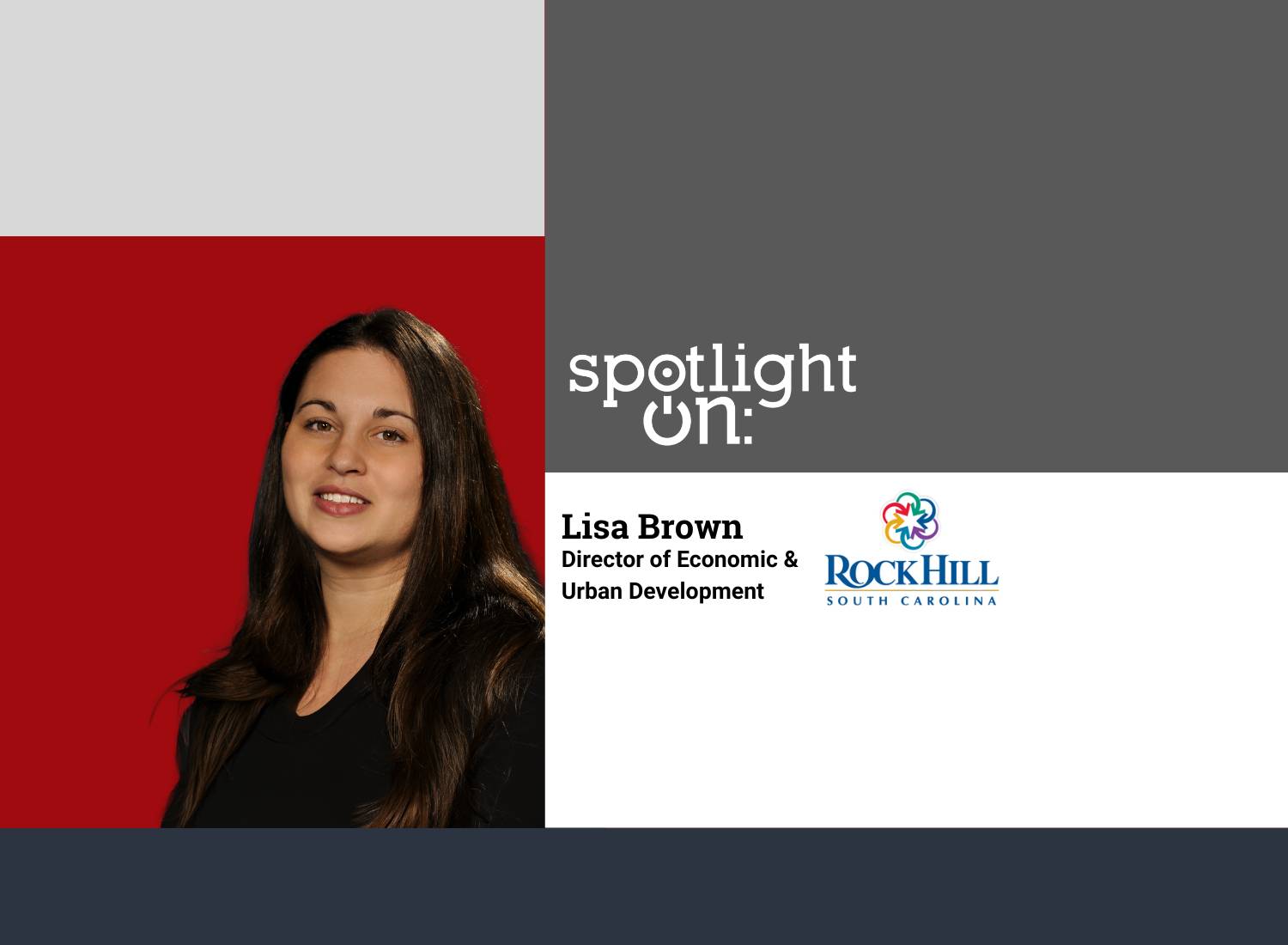
Spotlight On: Lisa Brown, Director of Economic & Urban Development, City of Rock Hill

Key points:

  • • Rock Hill is shifting to a proactive growth strategy, targeting industries like life sciences to build a more resilient economy.
  • • A diverse pipeline of projects across headquarters, manufacturing, and logistics supports balanced economic development.
  • • Strong planning, infrastructure investment, and workforce partnerships are central to sustaining long-term growth.

Lisa Brown spotlight onMarch 2026 — Invest: spoke with Lisa Brown, director of economic and urban development for the city of Rock Hill, about how a former mill town is shaping its next chapter through intentional growth and long-term planning. “Rock Hill is willing to reinvent itself time and time again, and to take calculated risks to create the kind of economic development we want to see,”  Brown said.

Over the past year, what have been some significant changes in Rock Hill’s economic development, and how are they shaping your approach?

Over the last year, the biggest shift has been our mindset. Instead of waiting for the phone to ring, we’re proactively going after the kinds of jobs and investments we want. Rock Hill is a former mill town, and I think we’ve always had a bit of a chip on our shoulder and something to prove. I love the word “grit” because it captures who we are.

Rock Hill is willing to reinvent itself time and time again, and to take calculated risks to create the kind of economic development we want to see. That has translated into a real bootstrap mentality — getting out to conferences, telling our story, and making sure prospects understand that when they choose Rock Hill, they’re getting a community that will work hard and fight for them.

Which key sectors are you targeting for future growth, and why do they make sense for Rock Hill?

Right now, we’re very focused on life sciences, including biopharmaceutical manufacturing and medical devices. I know that’s a sector a lot of communities are targeting, but for us it’s about identifying industries with a long-term future that are vital to people’s lives. As people live longer and rely more on medicines and treatments, these companies become an essential part of the economy, and if we can leverage reshoring trends to bring those operations here, we can build a more sustainable base.

We also learned some hard lessons from the decline of textiles. At one point, Rock Hill had 13 mills; by the year I was born, there was only one left. When that industry went overseas, it essentially wiped out the local economy. That experience reinforces our focus on sectors that will continue to exist in some form, even as technologies and specific products change.

Rock Hill benefits from a strong education ecosystem. How is the city helping businesses access a skilled workforce through partnerships and initiatives?

We’re a city of about 75,000 people in a county that’s the second-largest in the Charlotte metro, so we have scale but still feel very connected. Our greatest strength is the network of partnerships we’ve built, especially around education and workforce. South Carolina’s technical college system is a huge asset, and we’ve seen a real shift toward dual-enrollment programs.

We recently hosted high school students who are dually enrolled through Rock Hill schools and either York Technical College or Winthrop University. Getting students plugged into those programs early is incredibly impactful for building the talent pipeline our employers need. Quality of life also plays a big role. As congestion increases on I-77, more people are looking for opportunities closer to where they live. Rock Hill offers that combination: a strong workforce, good schools, and a quality of life that keeps people here, which in turn helps us recruit and retain employers.

What do announcements like those from Riverstone Logistics, Pratt Industries, and the Costco distribution facility say about your overall strategy?

Those three projects really illustrate our strategy of building a well-rounded economy. Riverstone Logistics is a headquarters operation at the Thread in downtown Rock Hill. Those are high-wage, corporate jobs in a walkable, mixed-use environment — a great fit for our urban core. Pratt is an advanced manufacturer of corrugated packaging materials, representing a significant investment and a good number of jobs, many of which are accessible to people who don’t necessarily have a four-year degree.

The Costco project is a large-scale distribution facility with an investment that benefits not just Rock Hill but also the state and the Port of Charleston. Together, they form a spectrum of opportunity: headquarters-level jobs, advanced manufacturing roles, and distribution positions. It’s not all one sector or one type of job, and that diversity is exactly what we want to see.

How are you managing zoning and land use to balance growth across the residential, industrial, and mixed-use segments?

The city has a long history of strategic planning. Beyond the state-mandated comprehensive plan, we’ve created tools like redevelopment plans, tax increment financing districts, and small-area plans. Some go through full public processes and others are more internal, but all of them are about long-term sustainability. On the zoning side, we’ve raised our development standards. That can mean higher upfront costs, but it leads to higher-quality projects that hold their value over time.

The Thread in downtown is a major project. Phase 1 is largely office with ground-floor retail, including Sully’s Steamers, and we’re adding a coffee shop and incubator space for entrepreneurs called Work at Wheel. The Herald redevelopment — our former newspaper printing site — is moving toward construction with about 300 residential units and some commercial space tied to a shared parking deck and a pedestrian bridge.

We’re also building a Southside Regional Park, which will be the largest park we’ve ever developed at 132 acres and will include a strong sports tourism component with baseball and football facilities. The Bleachery Fieldhouse just opened and is adding indoor basketball, volleyball, and pickleball to support larger tournaments at our Sports and Event Center. Nearby, we’re introducing new for-sale, brownstone-style residential units, which help diversify our downtown housing stock beyond rental apartments.

As a full-service city and regional utility provider, what are some of your key strengths and challenges in supporting growth?

Being a full-service utility provider is one of our greatest strategic advantages. A large share of our investment is tied to utilities, and that gives us a high level of control and responsiveness when it comes to economic development. We’ve expanded our water and wastewater plant capacity and are investing in major projects like the Wildcat pump station, which handles about 60% of the effluent in the city of Rock Hill.

The challenge is that infrastructure is expensive, and you’re constantly trying to anticipate where development will go and how much capacity it will require. You can’t have every line in the ground in advance, so there’s always a balancing act between current demand, long-term projections, and what fits within our capital improvement plan. That’s especially true on the power side as data centers and AI-related uses drive huge electricity needs. From an electric-utility standpoint, data centers can be attractive, but from an economic development and community-balance standpoint, you have to ask whether those projects truly fit your vision and deliver the return you want for your residents.

What is your near- to midterm outlook for Rock Hill, and what priorities will guide your work?

I’m extremely optimistic, and I think that starts with having stable, aligned leadership. Our mayor, John Gettys, just began his third term, after previously serving on city council, and our elected officials and city management team trust staff to act in the community’s best interest. That alignment allows us to execute long-term plans rather than chasing short-term wins. We offer a genuine small-town feel and vibe, but we’re punching above our weight in terms of the businesses we attract and retain.

We’ll stay focused on strengthening our utilities and infrastructure, growing our sports tourism platform, and maintaining a diverse economic development pipeline, from headquarters and life sciences to advanced manufacturing. And yes, I’d still love to land a Trader Joe’s at some point. That’s a lighthearted example, but it speaks to our broader approach. We’re listening closely to what our community wants, and with that same gritty, bootstrap mentality, we’re committed to figuring out how to meet those needs in a way that keeps Rock Hill thriving for the long term.

Want more? Read the Invest: Charlotte report.

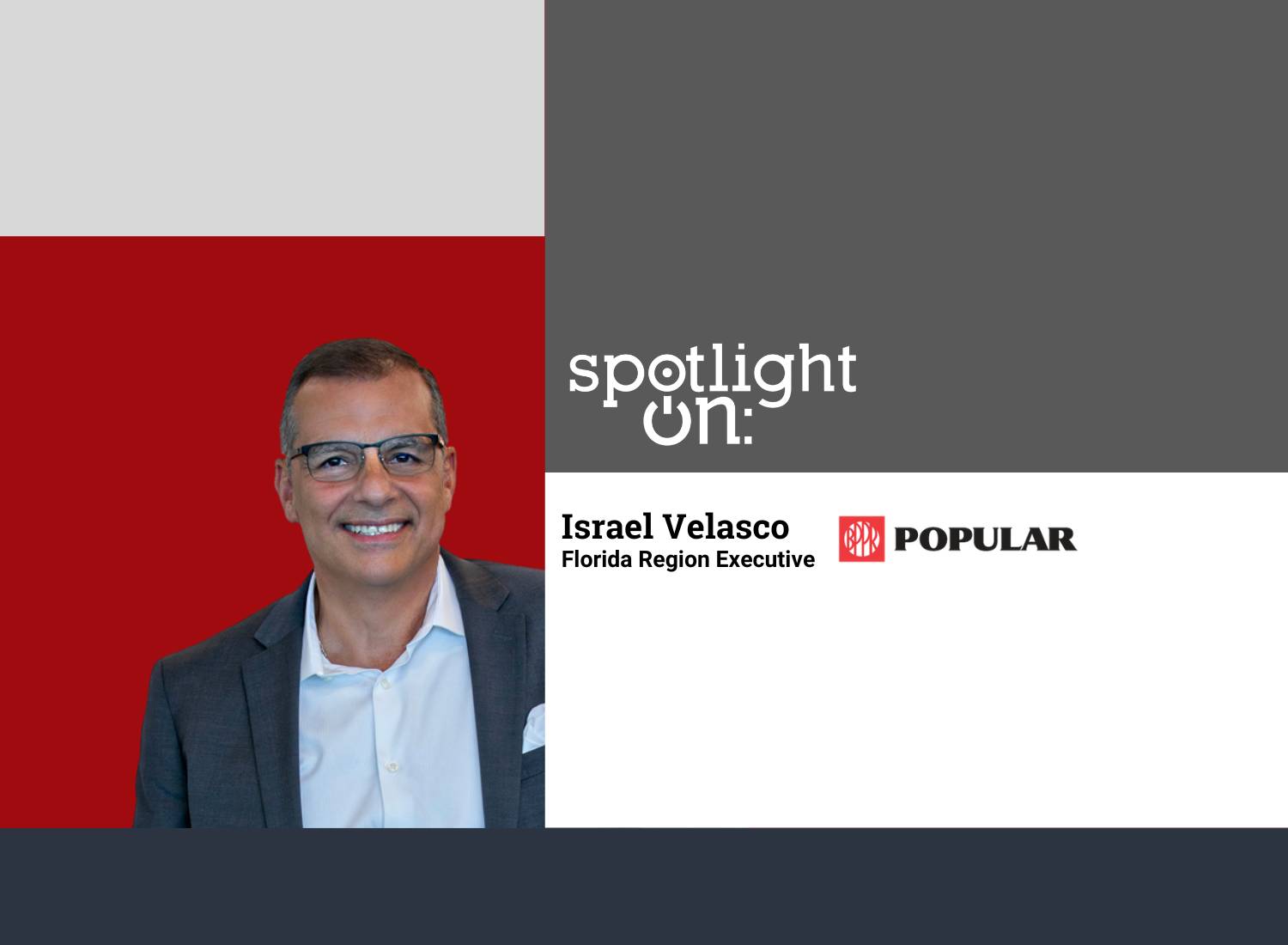
Spotlight On: Israel Velasco, Florida Region Executive, Popular Bank

Key points:

  • • Popular Bank blends digital tools with relationship banking through modern branch formats and enhanced tech offerings.
  • • Ongoing transformation and employee investment help the bank stay competitive in a rapidly evolving industry.
  • • Community engagement and financial inclusion remain central, alongside a focus on commercial clients and future growth.

Israel Velasco spotlight onMarch 2026 — Invest: sat down with Israel Velasco, Florida region executive of Popular Bank, to discuss how the bank balances digital innovation with relationship-driven service, why community investment remains central to its strategy, and how leadership views the future of banking in South Florida. Reflecting on the bank’s long-term approach to change, Velasco emphasized that “Transformation is a mindset. It’s a discipline that we’ve created,” noting that Popular’s evolution is designed to be continuous, intentional, and closely aligned with the needs of the communities it serves.

How have the recently transformed branches with modern tech capabilities helped Popular continue to serve the community in an increasingly digital banking world?

Our branch model was built with foresight. About 10 years ago, we gained a deep understanding of our market, enabling us to anticipate the direction of banking, and we designed our branches to cater to both types of clients. We have customers who prefer to bank digitally, and we also have customers who value personal interaction and still want to come into the branch.

A big part of that is the culture in South Florida. It’s a high-touch culture, and relationship banking matters. Our branches are relatively small, usually about 2,500 square feet or less, but that size is intentional. It allows us to strike the right balance between serving clients in person while also giving them access to strong digital resources.

If you walk into one of our branches, it doesn’t look like a traditional bank. We don’t have a teller line. We use what we call teller pods, where clients can conduct many types of transactions, not just basic withdrawals or check cashing. That model has served us well, and we don’t plan to change it anytime soon. As banking continues to evolve, this approach will continue to work.

How are you ensuring technology enhances the customer experience without losing the personal touch?

We focus on offering the best of both worlds. Even clients who want high-touch service also expect high-quality digital capabilities. They want strong online banking, convenience, and access to widely accepted tools.

We launched Zelle less than a year ago. Previously, we had our own proprietary person-to-person payment system, but we migrated to Zelle because it’s accepted industry-wide. We’ve also recently rolled out Zelle for Business. Given our business-led strategy, Zelle for Business is going to be important. Our niche is commercial customers, and our overall strategy is built around serving business clients effectively.

What is Popular’s approach to financial inclusion and ensuring clients are placed in the right banking products?

Some products associated with financial inclusion are more specific to other markets, but our overall approach is consistent. We offer a range of checking options depending on a client’s activity level, and we take onboarding seriously.

We ask the right questions upfront to make sure clients are placed in the product that best fits their usage. If someone has minimal activity, there are options where they pay little to nothing. At the end of the day, we’re not going to put someone into a product that doesn’t make sense for how they bank. Fit and fairness matter.

How does Popular view its role in preparing employees for future economic shifts?

Our people are our number one asset. We’ve been around for 132 years, and we’ve always invested in our employees by making sure they have the resources and training they need.

That starts with onboarding. We follow strict guidelines to ensure employees have the skill set and training required before performing their roles. That includes both sales-oriented and operational positions. The industry keeps changing, and preparation is essential to serving clients well and adapting to new conditions.

What challenges and opportunities do you see for community banks today?

One of the biggest challenges is keeping up with change, especially innovation. The banking industry continues to evolve, and you have to stay ahead of new capabilities, customer expectations, and competitors.

We have an ongoing transformation strategy aimed at being a best-in-class bank in the markets we serve. That means staying competitive not just with other banks, but with fintechs, credit unions, and any other organization that offers compelling financial products.

I often think about companies like Blockbuster Video and Kodak. They were successful, but they didn’t evolve when technology changed. We never assume that longevity alone is enough. We’re always looking to innovate, improve, and deliver the best products and services available.

How do you define transformation within the organization?

Transformation is a mindset. It’s a discipline that we’ve created.

We call it transformation, but it’s not something with a start and end date. We’ve been doing this for several years, and it’s ongoing. The goal is to stay ahead of innovation and continue improving how we serve our clients. Transformation isn’t a project. It’s how we operate.

What community partnerships in South Florida are you most proud of?

Community is part of our DNA. One example is the Popular Bank Foundation. Our employees contribute, and the bank matches those contributions dollar for dollar. About 85 percent of our Florida employees participate.

Those funds go back into the community, often supporting organizations where our employees are actively involved. Two examples are Junior Achievement of Greater Miami and Cristo Rey High School.

Junior Achievement focuses on youth financial literacy and workforce readiness from kindergarten through 12th grade. Cristo Rey provides students with hands-on exposure to professional environments, including time spent at the bank. These experiences help students become better prepared for college and careers.

How does Popular encourage employee involvement beyond financial contributions?

All employees receive two days of community time off each year. They’re encouraged to use that time to support organizations of their choice.

Volunteering plays a big role, especially with organizations like Junior Achievement. Volunteers share real-world experience with students, covering practical topics like interviewing, resume writing, and professional communication. These are skills students don’t always learn in school, but they’re critical for future success.

What are your top priorities over the next two to three years?

Besides continuing with our commercial-led strategy, we have three main objectives that all our employees follow. First, being simple and efficient. Second, maintaining and improving our performance as a high-performing bank. And third, becoming the number one bank for the clients we serve by deepening relationships and achieving primacy.

How do you see the banking industry evolving?

I expect continued consolidation. Regulation, cybersecurity, and compliance costs make it difficult for smaller banks to compete, while larger institutions benefit from economies of scale.

I also see continued digital innovation. Branch banking will remain important, but banks will be more strategic about branch locations. Younger generations are increasingly digital-first, and that trend will continue. The future will likely include fewer branches, stronger digital tools, and more intentional in-person experiences when clients need them.

Want more? Read the Invest: Miami report.