



James Gelfand, General Manager, The Citrus Club

James GelfandMarch 2026 — In an interview with Invest:, James Gelfand, general manager of The Citrus Club, emphasized the club’s lasting importance as a hub for Orlando‘s business community — a space where professional and social worlds overlap. “People need connections,” Gelfand said. “They thrive when they can sit across a table from someone, share a coffee or a cocktail, and have a real conversation.”

How would you describe The Citrus Club’s role in Orlando’s business ecosystem today?

For 55 years, the Citrus Club has been a cornerstone of the Orlando community, proudly operating from the same downtown location while supporting the city we call home. Many of our founding members remain active today, and we see it as our duty to honor their legacy while continuing to grow and adapt.

Our membership is remarkably diverse, representing virtually every industry. Members join for many reasons, but at the heart of it all is one common goal — connection.

I often describe the club as a “third space,” an office away from home where work and social life naturally blend. Some members treat it as their remote office, while others come for private meetings, networking, dining, or special events. With private rooms, dining areas, event venues, and even a fitness center, the club offers much more than amenities—it cultivates relationships.

People have an innate need for connection. They flourish when they can share a meal, a conversation, or a cup of coffee across a table. That sense of togetherness has remained constant through the years, and it’s what continues to make the Citrus Club such an essential part of Orlando’s business and social fabric.

What achievements or milestones stand out from the past year?

One of our greatest successes has been the steady growth of our membership. Each month, we welcome new members, and it’s especially encouraging to see a younger generation joining the club. Their energy and fresh perspectives are vital to our continued relevance and growth, ensuring the Citrus Club remains vibrant for years to come.

Another major milestone has been the resilience and strength of our community after the pandemic. We’ve successfully brought people back to the club and revived the face-to-face connections that so many missed. Walking through the restaurant and seeing our Board of Governors dining with new and younger members is incredibly rewarding — it’s mentorship and relationship-building happening before my eyes. That sense of connection is one of the most fulfilling aspects of what we do.

The Citrus Club is also truly multigenerational. We have families where a founding member joined decades ago, followed by their children, and now even their grandchildren are active members. That continuity shows we’re doing more than preserving a legacy — we’re expanding it for future generations.

How have member expectations and engagement evolved as Orlando continues to grow?

What’s become most apparent is that people crave both flexibility and genuine connection. As Orlando continues to grow, professionals, entrepreneurs, and organizations are seeking spaces where they can collaborate, work, and form meaningful relationships. The Citrus Club is uniquely positioned to meet that need, offering programs and events that cater to nearly every demographic within our membership.

The influx of younger members has brought a new level of excitement and energy. I often say, “young puppies make old dogs young again,” and that spirit is alive throughout the club. Our events showcase a vibrant blend of ages and industries, creating an atmosphere that fosters mentorship, fresh ideas, and strong cross-generational relationships.

At the same time, members still value familiarity and personal attention. They want to feel recognized and appreciated — to walk into a place where the staff knows their preferences and where they can seamlessly transition from a meeting to a meal to a social gathering. In a world that’s increasingly fast-paced and fragmented, that sense of belonging and continuity is more meaningful than ever.

How has hybrid and remote work influenced the value proposition of the club?

Hybrid and remote work have transformed how people connect — and in many ways, they’ve made what we offer even more valuable. While technology has enriched our lives, it has also distanced us from the power of face-to-face conversation. You simply can’t replicate emotion, trust, or genuine connection through a screen.

The Citrus Club provides a welcoming space where members can network, conduct business, and socialize in person. That’s increasingly important for professionals who work remotely and don’t want to spend every day at home, or who find traditional offices too hectic. Here, they can choose the environment that suits their needs — whether it’s a quiet room for a video call, a meal with a colleague, or a lively event with fellow members.

What we offer bridges the practical and the personal. We provide the tools and technology members rely on, but more importantly, we create the atmosphere that fosters real relationships. In today’s fast-changing business world, that human connection is a true competitive edge.

What trends are shaping the private club and business hospitality sector?

Technology and communication are at the heart of how we operate. As part of the Invited network — which includes nearly 200 country and city clubs nationwide — staying connected across multiple platforms is essential. We reach our members through our website, flyers, weekly emails, texts, and other tools to keep them informed and engaged. Within the club, we’ve invested in reliable Wi‑Fi and strong audio-visual capabilities so members can work efficiently, host meetings, and run events with ease.

Still, technology can only go so far. What truly sets us apart is personalization. You can communicate through multiple channels and still find that someone missed a message—that’s where our exceptional frontline team makes the difference. They’re attentive, experienced, and deeply engaged, and they represent one of our greatest strengths.

I’m also fortunate to work alongside an outstanding culinary team and front-of-house staff. After nearly five decades in the hospitality and club industry, I can genuinely say I feel lucky to work with people who show up every day committed to creating exceptional experiences. In a private club setting, that level of care and attention to detail is everything.

How important is community engagement to the club’s long-term strategy?

Community impact is at the heart of who we are. The best way for the Citrus Club to grow and evolve is by actively engaging with Orlando — building relationships across diverse groups and supporting the city we’re proud to call home. This commitment runs through every part of our organization, from our sales and private events teams to our food and beverage staff and our engaged membership.

One of the most rewarding aspects of my career has been watching the club give back. We support a wide range of organizations and causes, from Make‑A‑Wish to the ballet, opera, and Philharmonic. We host programs like Dining on the Mayflower, where we provide meals before Thanksgiving, and we participate in initiatives such as blessing bags, Sleep in Heavenly Peace, and golf tournaments that benefit local veterans.

Each month, we also host a Citrus Social featuring a local nonprofit, bringing its representatives to the club to connect directly with our members. Twice a year, we take that even further with a charity expo, where nearly 40 nonprofits come together in one evening. Members have the chance to meet them, learn about their missions, and decide how they’d like to contribute. This kind of hands‑on engagement not only enriches our community—it strengthens the bond between the club and the city we serve.

What is your outlook for The Citrus Club and Orlando over the next three to five years?

I’m confident the Citrus Club will thrive well beyond the next three to five years, and the path forward is clear. Our focus must remain on building relationships, expanding our connections across Orlando’s diverse communities, and continuing to serve as a hub where business, civic, and social leadership converge.

Orlando’s future is exceptionally bright. The city continues to attract new residents, businesses, and investment each year, fueling remarkable economic growth. What stands out most is the collaborative spirit among Orlando’s leaders, planners, and business community—they work together rather than in isolation. That sense of partnership is a big reason the city continues to evolve so successfully.

The Citrus Club is proud to be part of that progress. We’re deeply invested in Orlando’s future and committed to supporting both our members and the broader community. With continued energy, creativity, and purpose, I believe the coming years will be strong ones — for the club, for our members, and for the city we’re honored to serve.

Want more? Read the Invest: Greater Orlando report.

Josie Correa, 2025 Board President, CREW Miami

Josie CorreaMarch 2026 — Invest: sat down with 2025 Board President for CREW Miami Josie Correa to discuss how the organization is expanding opportunities for women in commercial real estate through mentorship, education, and relationship-driven growth. Correa said CREW’s impact is rooted in trust built over time. “A lot of times, the way you get to that business opportunity is by first building that relationship,” she said.

How does CREW Miami’s approach to business networking help members build meaningful commercial real estate opportunities in the Miami market?

CREW Miami does this in many ways, primarily through the variety of programs and events we organize. These are designed to bring women together, and in many cases, nonmembers as well. Some events are more experiential, like hard-hat tours, while others are educational, such as economic development forums that focus on what is happening in the marketplace.

Every event includes a networking component, and those opportunities allow members to build relationships with one another. Over time, those relationships often lead to business opportunities. Another important component is our mentorship program, along with smaller-scale events like dine-arounds, where small groups gather for dinner and connect in a more personal setting.

That relationship-building is critical because a lot of times, the way you get to that business opportunity is by first building that relationship. We also see this happen through committee involvement. When members work together consistently, trust develops, and that trust often leads to future collaboration and business.

What strategies does CREW use to support leadership development among its members, and how do those opportunities translate into real-world career progress?

One of the main strategies is our mentorship program. Each year, we pair up five to seven mentors and mentees. The program is free, and mentors are typically professionals with extensive industry experience. They provide guidance and support to members who are earlier in their careers.

Although the program is structured to last one year, many of these relationships continue long after. I have heard from participants who still maintain those connections years later. CREW serves as the starting point for relationships that grow well beyond the program itself.

We also offer scholarships each year, typically awarding between two and four to women pursuing careers related to commercial real estate. These may be undergraduate, graduate, or law students. In addition to financial support, recipients receive a complimentary CREW Miami membership and are encouraged to participate in the mentorship program.

Beyond that, CREW Network hosts leadership summits twice a year. We offer full scholarships for members or students to attend, covering conference fees, airfare, lodging, and incidentals. These experiences provide hands-on leadership training and exposure to industry leaders who share their personal and professional journeys.

How do these initiatives help bridge the gap for emerging professionals in the region?

It comes down to access and support. The resources we provide are often the people within CREW. Through both CREW Miami and CREW Network, members have access to job postings, career opportunities, and professional connections across the industry.

Just as important is the caliber of professionals involved. Many CREW members hold senior leadership or C-suite roles, and they serve as mentors and examples for women who are just entering the industry or looking to advance.

Because of the relationships built through CREW, members have people they can call when they are looking for guidance, navigating a career transition, or seeking their next opportunity. At its core, CREW functions as a support system that helps women move forward with confidence.

How do you see CREW evolving its offerings in response to changes in the commercial real estate landscape, particularly in a market like Miami?

We have always prioritized bringing together women who are leaders and trailblazers in South Florida, and that will continue. Education is also a major focus, particularly as new sectors and trends emerge.

For example, we have an upcoming program focused on data centers, which is a growing topic nationally. While it may not yet be a major sector in South Florida, it could become more relevant in the future. We are always looking ahead at areas like AI, emerging asset classes, and shifting market dynamics.

Another area of growth is experiential programming, including more hard hat tours and site visits. These give members the opportunity to see projects come to life. Everyone in commercial real estate plays a role in a project, but many professionals never see the finished result. These experiences help connect the work to tangible outcomes.

Beyond networking and events, how does CREW define success for its members and the broader commercial real estate community in South Florida?

One way I think about success is through something I call CREW First. Women do not always talk openly about the deals they do together, but those stories matter. CREW First is about highlighting referrals and collaborations that originate within the organization.

At our events, we sometimes invite members to share examples of referrals that turned into real opportunities. Those stories demonstrate the tangible value of the network. Success is also about access. CREW Miami includes professionals from every segment of commercial real estate, making it possible to keep business within the network.

Ultimately, success is measured by how we help one another grow. Are we referring business? Are those referrals turning into opportunities? Are members advancing professionally as a result of their involvement? Those outcomes matter.

How do you see commercial real estate shifting as more women continue to enter the industry?

Commercial real estate has historically been male-dominated, but that is changing. More women are entering the industry and building long-term careers. We see that reflected in our scholarship applications. This year, we received 16 applications, compared to our usual five or six, and the quality was exceptional.

These applicants represented a wide range of disciplines and demonstrated strong academic performance and leadership. CREW Network has helped shine a light on commercial real estate as a viable and rewarding career path for women. Many start by working within firms, but long-term, they aspire to become developers, investors, and leaders who bring projects to life.

Seeing more women pursue those goals is incredibly encouraging, and CREW is proud to be part of that progress.

Want more? Read the Invest: Miami report.

Spotlight On: Ali Mohammed, Regional Vice President & General Manager, Four Seasons Resort Orlando at Walt Disney World Resort

Key points:

  • • Four Seasons Resort Orlando maintains its luxury leadership through strong service culture and consistent team excellence.
  • • Ongoing ownership investment supports property upgrades and long-term growth.
  • • Demand remains strong from high-net-worth families and multigenerational leisure travelers.

Ali MohammedMarch 2026 — In an interview with Invest:, Ali Mohammed, regional vice president and general manager of Four Seasons Resort Orlando at Walt Disney World Resort, discussed how service culture and ongoing investment are reinforcing the resort’s leadership position in Orlando’s luxury hospitality market. “Guests come to luxury hotels expecting high-quality facilities, food, and accommodations. What truly brings them back is how they feel during their stay,” Mohammed said.

What operational, cultural, or strategic factors contributed to the resort being named the best hotel and resort at Walt Disney World Resort by U.S. News & World Report for 2026?

We are very proud of that recognition, particularly because we have maintained this designation for 12 consecutive years. Many hotels may achieve an award once, but sustaining that level of recognition over time requires consistency, discipline, and a team that is deeply committed to excellence.

The foundation of that success lies in our people. I have been with Four Seasons for 26 years and worked in 16 different properties around the world. While every location has its own strengths, the quality of the team members we have in Orlando is truly exceptional. Their pride in representing the brand and their understanding of the responsibility that comes with it are what differentiate the experience here.

Four Seasons Orlando
The Four Seasons Resort Orlando at Walt Disney World Resort

Our hiring philosophy also plays a major role. At Four Seasons, we always say that we hire for attitude and train for skill. We look for individuals who naturally embody hospitality and service. Technical skills can always be taught, but genuine warmth, empathy, and attentiveness cannot. Once those individuals join the team, we provide extensive training to ensure they understand the Four Seasons standard and how to deliver it.

Ultimately, guests come to luxury hotels expecting high-quality facilities, food, and accommodations. What truly brings them back is how they feel during their stay. The emotional connection created by the team is what defines the Four Seasons experience.

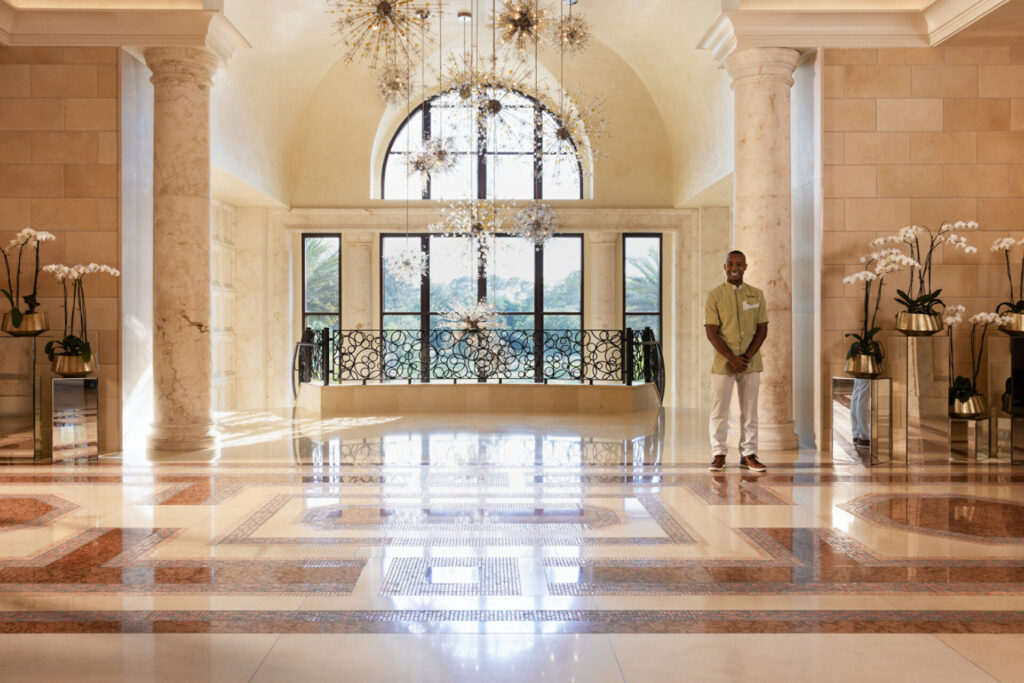
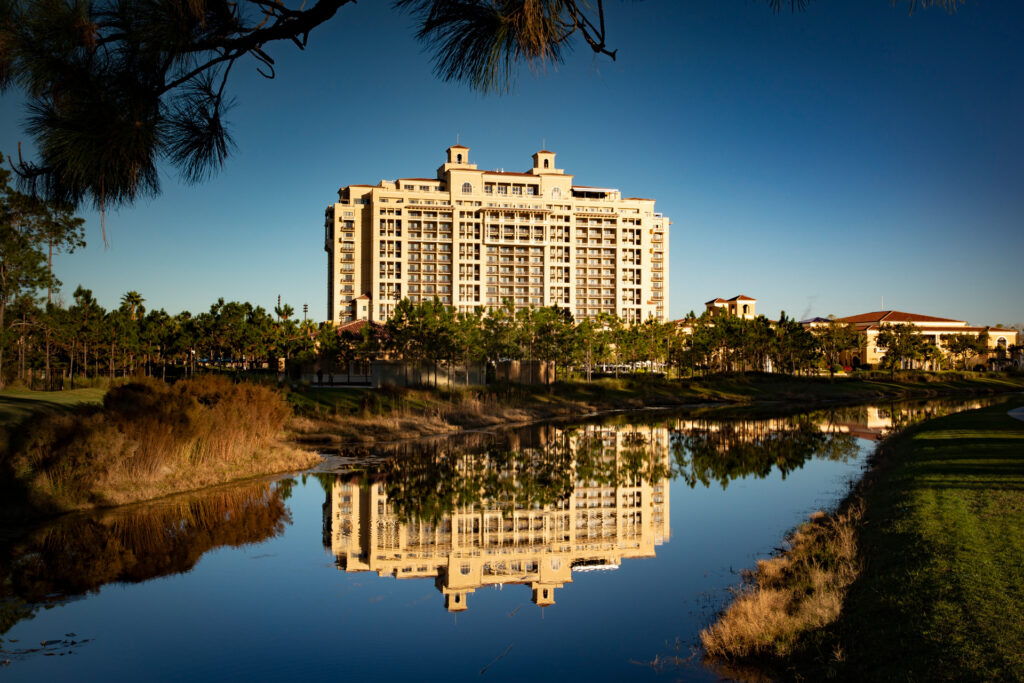
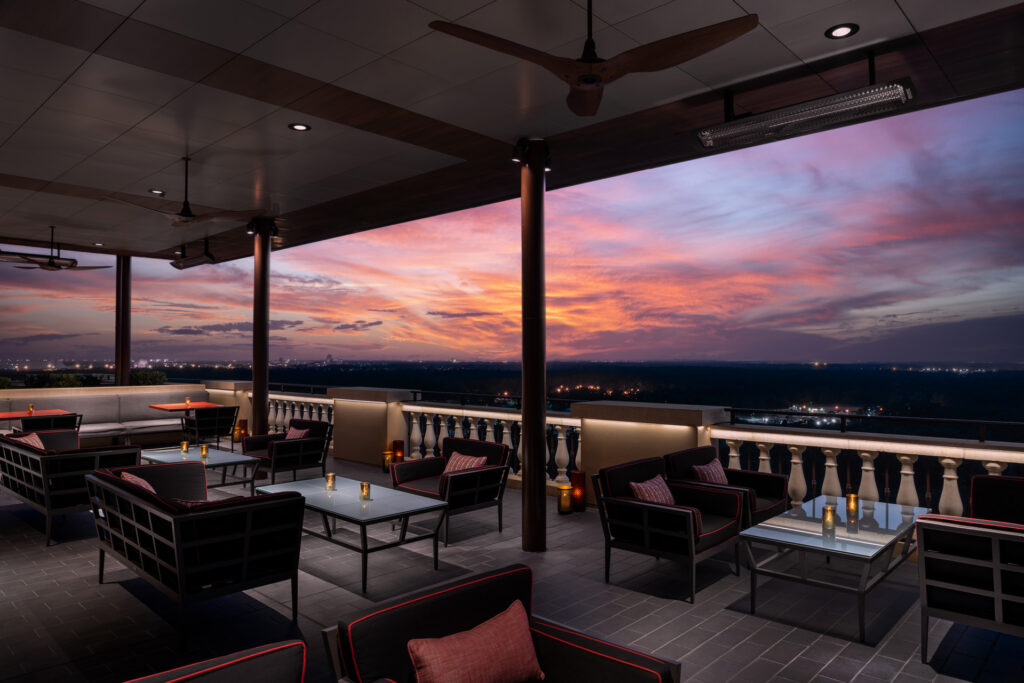
The physical product also contributes significantly. Our resort offers a premium experience that is unique within the Orlando market. Although we are located within Walt Disney World Resort, we have created what many guests describe as an oasis away from the intensity of the parks.

The property sits on approximately 250 acres and includes features such as multiple pools, a five-acre water park with a lazy river, an adults-only pool, tennis courts, and an 18-hole golf course with a dedicated clubhouse and restaurant. We also offer six dining outlets, including Capa, our Michelin-starred Spanish steakhouse, as well as a full-service spa with 18 treatment rooms.

The service culture and the physical environment create a distinctive experience that sets the resort apart.

How does the recent $1.1 billion ownership transaction influence the resort’s long-term strategy and capital investment priorities?

We have always been fortunate to work with strong ownership partners, and our new ownership group continues that tradition. They are already familiar with the Four Seasons brand and own several luxury properties within the portfolio, so the partnership begins with a clear understanding of what makes these properties successful.

From my perspective as the property leader, a large part of my role is ensuring alignment between ownership and the Four Seasons brand. Fortunately, our new partners share a long-term vision for the property and recognize both its current success and its future potential.

The resort is currently performing at a very high level financially and operationally. We are one of the largest properties in the Four Seasons portfolio in terms of revenue and team size. Managing a property of this scale while maintaining the intimate service culture that defines the brand is one of our biggest challenges.

Our new owners understand that maintaining leadership requires continuous reinvestment. As a result, we anticipate exciting changes ahead, with enhancements to come. The goal is to ensure that the resort continues evolving while preserving the unique character that guests value.

Equally important is the investment in our people and culture. Our ownership group recognizes that long-term success depends not only on facilities but also on the team members who deliver the experience every day. Their commitment to supporting training, tools, and team development is one of the reasons I am particularly excited about this partnership.

How are shifts in luxury travel influencing the type of guests visiting the resort?

Orlando is the most visited destination in the United States, welcoming approximately 75 million visitors annually. Because of that scale, the destination supports a wide range of market segments, from midscale travel to high-end luxury experiences.

At Four Seasons Resort Orlando, our business mix has remained remarkably consistent over the years. Approximately 60% of our business comes from leisure travelers and 40% from group and corporate events. Within the leisure segment, our focus is primarily on high-net-worth families and luxury travelers.

Our  property often commands a significantly higher rate than other properties in the Orlando market, which means we must consistently demonstrate the value behind that pricing. Guests choose us because of the service, privacy, and unique environment we offer.

Four Seasons Resort Orlando at Walt Disney World Resort

One of the most rewarding trends we see is the growth of multigenerational travel. Families often visit the resort when their children are young and return years later with teenagers or even grandchildren. Over time, the property becomes part of their family tradition.

It is not uncommon for team members to recognize guests who first visited as small children and are now returning as young adults. That sense of continuity and emotional connection is extremely meaningful for both the guests and the team.

While leisure travel remains our primary segment, corporate groups and executive retreats are also an important part of the business. The key is maintaining the right balance between the two segments so that each can thrive without compromising the overall guest experience.

Four Seasons Resort Orlando at Walt Disney World Resort

How do partnerships with Disney and the broader Orlando community enhance the guest experience and economic impact of the resort?

One of the aspects I value most about Orlando is the collaborative spirit among businesses in the destination. Rather than competing aggressively with one another, many organizations work together to strengthen the region as a whole.

We maintain close relationships with Visit Orlando and with leaders across hospitality, transportation, and tourism-related industries. The shared objective is to grow the destination and ensure that Orlando remains attractive to travelers from around the world.

Our partnership with Disney is particularly special. We are the only non-Disney-owned hotel located within Walt Disney World Resort that carries the Disney name as part of our official title: Four Seasons Resort Orlando at Walt Disney World Resort.

That relationship reflects the strength of both brands. Disney recognizes the value that Four Seasons brings by attracting the highest-end segment of travelers, while we benefit from being integrated into one of the most recognized entertainment destinations in the world.

This collaboration extends into many aspects of the guest experience. For example, we offer a Disney character breakfast, which is typically exclusive to Disney-owned properties. We also have a Disney Planning Center available in the hotel to help guests organize their park visits.

In addition, the resort is located within Golden Oak, Disney’s luxury residential community, which provides a level of exclusivity and privacy that is unique in the destination.

Because both brands hold themselves to extremely high standards, the partnership creates a powerful synergy. Our team must meet not only the Four Seasons standard but also the expectations associated with Disney. That dual responsibility challenges us to continuously elevate our performance. It allows us to create experiences for guests that simply cannot be replicated elsewhere in Orlando.

Images provided by Four Seasons Resort Orlando at Walt Disney World Resort

Want more? Read the Invest: Greater Orlando report.

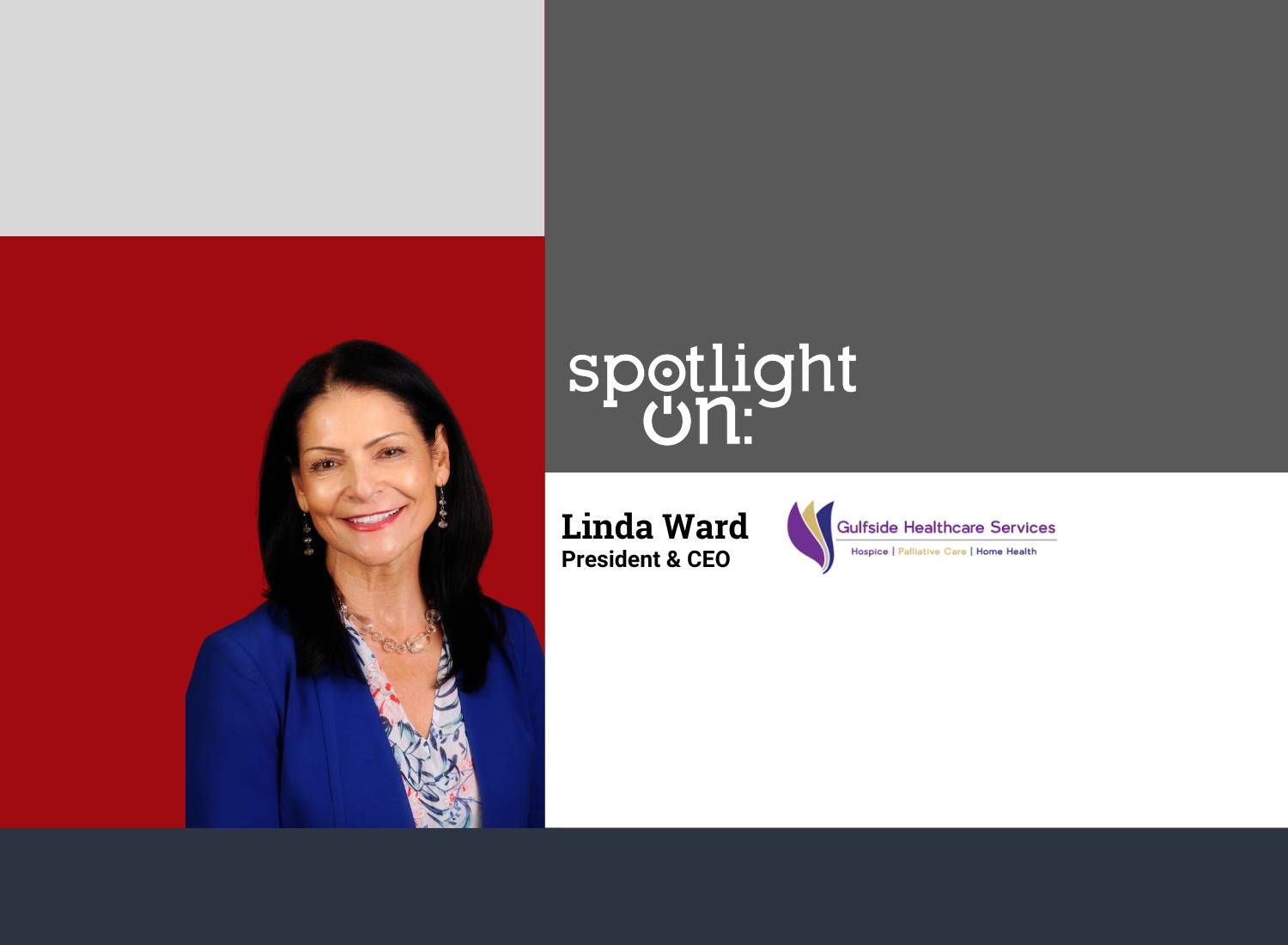
Spotlight On: Linda Ward, President & CEO, Gulfside Healthcare Services

Key points:

  • • Gulfside Healthcare Services expanded into Hillsborough and Pinellas counties, extending hospice and palliative care across Tampa Bay.
  • • The organization is addressing reimbursement pressures and regulatory changes across post-acute care.
  • • Workforce recruitment, retention, and service access in underserved communities remain key priorities.

Linda WardMarch 2026 — Linda Ward, president and CEO of Gulfside Healthcare Services, sat down with Invest: to discuss the organization’s strategic expansion across Tampa Bay, its commitment to underserved communities, and the evolving regulatory landscape shaping post-acute care. “Key trends in healthcare across the entire continuum, from acute to post-acute care, are increasingly focused on quality, compliance, regulatory risk mitigation, and fraud prevention. Whether you’re part of a healthcare system or a rehabilitation facility, it’s critical to stay informed about evolving regulations and understand what is expected of us,” Ward noted.

Over the past year, what significant shifts have most impacted Gulfside, and how have you adapted the organization’s strategy or operations in response?

We’ve experienced significant internal shifts here, driven by growth and change. Over the past year, we secured two certificates of need, first in Hillsborough County and most recently in Pinellas County. We’re now proudly serving the tri-county area of Tampa Bay. We are embracing the entire Tampa Bay market with our hearts, hands, expertise, love, care, concern, and compassion. While that might sound hokey, it’s truly what people want and need. They want to feel cared for and know they have consistency, continuity, compassion, and expertise, and I’m deeply passionate about delivering that.

Championing the team at Gulfside is my top priority. Everyone here is incredible. They work hard, strive for excellence, and deserve recognition for their efforts. This past year has been exhausting due to the pace of our expansion, building a new care center, opening two campuses, and converting to a new electronic health record system. These have been major undertakings.

Externally, the biggest challenge in healthcare right now is reimbursement and regulatory change. On the home health side, we’ve seen more than a 16% decrease in reimbursement over the past six years. That’s a significant hit. Even as a nonprofit, we must generate a surplus to sustain our business lines, and that’s been a struggle. However, growth in other service areas and ongoing advocacy for increased palliative care reimbursement are helping to balance things on the post-acute side of healthcare.

Economically, one of the most critical issues we’re watching is the carve-out of the Medicare Part A benefit for hospice. Hospice has been exempt from managed care reimbursement for the past 20 years, but if that carve-out ever changes, it could result in up to a 10% annualized revenue decrease. We’re always projecting for that possibility, based on the broader shifts happening in healthcare

.How is Gulfside engaging with rural and minority communities to ensure equitable access to hospice and palliative care?

Pasco County was once a predominantly rural area, and although it has become more urban over time, many communities here remain underserved. At Gulfside, we’ve been committed to serving rural populations in Pasco for decades. In my 21 years with the organization, I’ve seen firsthand that the need still exists. When patients are underserved or when gaps in care emerge, a certificate of need (CON) can be pursued to expand services. In our Hillsborough County application, we identified underserved, underinsured, and uninsured populations using a variety of indicators. We’ve since begun serving those patients and will follow the same approach in Pinellas County.

Many of these individuals live in low-income senior housing, receive subsidized home support, or reside in communities with limited access to care. Minority groups are often among the most underserved, many are unfamiliar with hospice or hold misconceptions about what it offers. That’s why education is a key part of our outreach. We’re working to help these communities understand how hospice can improve quality of life and overall health outcomes. We officially began serving Hillsborough County on Aug. 18 and currently care for about 25 patients. Our focus is on reaching rural areas and minority populations, and we’re committed to expanding access and awareness in every community we serve.

How is Gulfside approaching workforce development, training, and staff retention? 

If you had asked me two years ago, I would’ve told you we were struggling significantly with staffing. There was a high number of vacancies, and the nationwide nursing shortage, currently at 41%, continues to be a major challenge. In the Tampa Bay market, I believe the shortage still hovers around 18%. Despite that, Gulfside has built a reputation for excellence in staffing and retention. We work hard to stay competitive with salaries, but that’s just the baseline. The real question is: What can Gulfside do differently? How can we be creative and strategic in building a retention foundation that encourages people to stay and grow with us?

The community has seen our growth, and there’s a natural curiosity building. Word is getting out. That’s thanks to a unified effort across human resources, clinical leadership, operational leadership, and our public relations team. Together, we’re reaching the market through a mix of conventional and unconventional strategies. When you invest in outreach, you get results.

One initiative that has made a big impact is our biweekly in-person hiring fairs. Many organizations moved away from these events. We did too for a while, but about 18 months ago, we brought them back to help fill 30 to 50 positions in Hillsborough before opening. Since then, we’ve hired more than 100 employees in just six months. These hiring events are thoughtfully executed. Our clinical and operational leaders attend the events, greeting candidates with refreshments and warmth. HR meets with attendees and directs them to individual interviews with team leaders. It’s a full-circle experience.

We also have an exceptional recruitment team. One of our nurse recruiters is a former Army nurse, and I’ve never worked with anyone like her. She’s dynamic, compassionate, and builds lasting relationships with candidates. Some still ask about her years later. Heather’s work on the PR side has been transformative. She’s elevated our visibility through media, advertising, and strategic messaging, all while listening closely to what our team needs. It’s been a godsend. Once people experience Gulfside, once they feel the culture and the care, they want to be here. It’s a true team effort, using every communication tool at our disposal to reach the right people in the right way.

What key trends are you watching most closely right now? 

Key trends in healthcare across the entire continuum, from acute to post-acute care, are increasingly focused on quality, compliance, regulatory risk mitigation, and fraud prevention. Whether you’re part of a healthcare system or a rehabilitation facility, it’s critical to stay informed about evolving regulations and understand what is expected of us. These changes add significant operational demands.

One recent development is the HOPE Tool, which was introduced for hospices on Oct. 1. Although its implementation is currently paused due to the government shutdown, it represents a much higher standard of documentation and reporting. This tool will likely require additional staffing to meet its complex requirements. Failure to comply could result in reimbursement changes and regulatory penalties. Compliance is becoming the central theme in healthcare, especially as managed care continues to push for more efficient spending and reduced waste. This shift is one of the most impactful trends we’re all navigating, regardless of our role or setting within the industry.

As you look ahead to the next two to three years, what key priorities or goals are guiding Gulfside Healthcare Services? 

Our focus moving forward is to maximize the utilization of hospice care, remain the provider of choice in Pasco County, and become the provider of choice in Hillsborough and Pinellas counties. At the same time, we’re committed to sustaining a strong, healthy, and satisfied workforce and hope to increase retention and reduce turnover.

The past 18 months have been marked by significant expansion. Because of that, I believe it’s important not to pursue additional growth in the immediate future. This is a time for concentrated effort. We must ensure we meet all of our projected goals, adhere to budgetary guidelines, keep our units filled, and prevent other providers from entering any of our three service territories. Achieving this will require hard work, dedication, and strategic focus. We have plenty on our plate, and I believe we should hold off on further expansion for at least the next two years.

Want more? Read the Invest: Tampa Bay report.

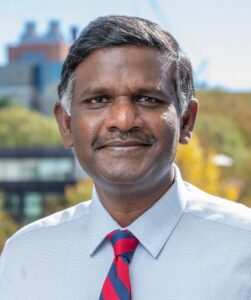
Raghupathy Sivakumar, Vice president of commercialization, Georgia Tech

Raghupathy SivakumarMarch 2026 — In an interview with Focus:, Raghupathy Sivakumar, vice president of commercialization at Georgia Tech, discussed the university’s record year in research innovation, its growing culture of entrepreneurship, and Atlanta’s rise as a national tech hub. “If Georgia Tech reaches 1,000 startups annually, Metro Atlanta could become the fastest-growing entrepreneurial hub in the world.”
What have been the most significant changes in commercialization activity at Georgia Tech over the past year, and how have those influenced your team’s priorities?

We had a record-breaking year for commercialization at Georgia Tech. Stepping back, our mission is to develop leaders who advance the human condition and create technology that benefits society. We take that mission seriously and focus on how to deliver impact through the leaders we develop.
We’ve invested heavily in student entrepreneurship efforts, helping students better understand entrepreneurship and launch their own companies. At the same time, Georgia Tech is one of the largest research universities in the world, with $1.47 billion in research awards last year. That means there’s a tremendous amount of innovation coming out of our labs, and we’re focused on taking those technologies to market.

Last year was our best ever in commercialization metrics. We had 464 invention disclosures, roughly one new invention reported every day, 122 patents granted, 140 startups launched, and 66 technologies licensed into the real world. In short, it was a record-breaking year for commercialization at Georgia Tech.
How has the broader landscape for academic commercialization evolved?

Across academia, the emphasis on commercialization and entrepreneurship is at an all-time high. Universities are realizing they can’t outsource impact to others. They must become better custodians of how their research and talent translate into real-world outcomes.
At Georgia Tech, our Office of Commercialization is relatively new, only five years old, yet we were one of the first universities to consolidate all commercialization and entrepreneurship activities under one roof. Since then, many others have followed suit.

This growing focus also reflects a larger accountability issue. Most universities in the U.S. receive federal research grants, meaning taxpayer dollars fund much of the research. It’s therefore essential for universities to show how that funding leads to tangible impact through commercialization and entrepreneurship. The current environment of greater scrutiny on higher education has only amplified the importance of demonstrating this value.

How are faculty and students approaching commercialization today, and what does that say about the future of entrepreneurship on campus?

Both students and faculty are deeply engaged in entrepreneurship and commercialization, but students tend to be even more enthusiastic. They view entrepreneurship as a way to deliver meaningful impact to society. Last year, through our entrepreneurship programs, we engaged with more than 5,000 students.

One major driver of this interest is the accelerating pace of global change. The cycles of technology adoption have shortened dramatically — what once took years now happens in months. ChatGPT, for instance, reached 100 million users in just three months. Because the world is changing so rapidly, we see entrepreneurial confidence as a core skill for our students.

We want students to graduate not only with technical expertise but also with the confidence to adapt, identify problems, and find creative solutions in a fast-moving world. That’s the essence of entrepreneurial confidence. It’s not just about launching startups, but about preparing students to thrive in dynamic environments.

Faculty are also recognizing that while academic research is essential, its impact grows exponentially when paired with commercialization. We’re working hard to provide clear pathways for faculty who want to bring their innovations to market.

Where is investor interest currently strongest when it comes to university-led projects and early-stage technologies?

Georgia Tech is primarily a technology and engineering university, so much of what we see is influenced by that. Artificial intelligence is at the center of investor attention. Roughly half of the startups we launched last year incorporated AI in some form.

AI is a horizontal technology as it applies across sectors, from aerospace to healthcare, supply chain, and cybersecurity. It’s clearly our top area of focus. Georgia Tech also happens to produce more AI engineers than any other institution in the country, so there’s a natural synergy between the technologies being developed here and the market demand for AI talent and ventures.

We’re in a strong position to meet that demand and continue driving innovation in this space.

What barriers still make it difficult for research breakthroughs to move from lab to market, and where is there room for improvement?

There are definitely multiple gaps between research and market. When we break it down, we see challenges in six main areas.

First, culture. Even though academia has embraced entrepreneurship more than ever, not all faculty members are fully on board. It takes time to shift culture, and we’re working hard to make commercialization a more natural part of academic life.

Second, technology readiness. When research concludes in a lab, it’s rarely market-ready. Advancing a technology to that point is expensive and too risky for venture capital, so we rely heavily on non-dilutive funding from federal and state governments. Given today’s funding challenges, we’re rethinking how to support that progression, including deeper partnerships with industry.

Third, intellectual property. Historically, universities have been overly protective of their IP, holding on to patents too tightly. We’re becoming more open, making it easier for students and faculty to access and build on university-owned IP.

Fourth, volume. Entrepreneurship naturally has a high failure rate, so scale matters. We want to reach 1,000 startups a year from Georgia Tech, we’re at 140 now. That’s a gap we’re determined to close.

Fifth, scaling mechanisms. Launching startups isn’t enough; they need support to grow into sustainable, high-impact companies. We’re investing in the systems and mentorship that enable ventures to scale effectively.

Finally, the playbook. Academia still lacks a clear, replicable model for how commercialization should happen. Every university is figuring it out in its own way. That uncertainty is both challenging and exciting. For me, it’s more exciting than scary, because it means we’re still in the process of defining what success looks like.

What differentiates Atlanta from other major U.S. innovation hubs, and where is the city gaining the most momentum in commercialization and tech transfer?

Atlanta’s biggest strength lies in its universities. The metro area has 57 colleges and universities, an extraordinary resource for talent and research. Thousands of graduates enter the workforce every year, many from institutions conducting cutting-edge research.

We also have three R1 universities: Georgia Tech, Georgia State, and Emory, all within a few miles of each other. Together, they generate billions of dollars in research that fuels new technologies ready for commercialization.

Atlanta’s quality of life is another advantage. The cost of living is reasonable, the weather is great, and the city’s connectivity through one of the world’s largest airports makes it easy to access national and global markets.

Finally, diversity. Atlanta attracts people from a wide range of backgrounds and experiences, which leads to a diversity of ideas, a critical ingredient for entrepreneurship.

What are your top priorities for Georgia Tech’s commercialization efforts over the next three to five years?

Our main goal is to reach 1,000 startups a year. If we achieve that, Georgia Tech will become the largest entrepreneurial campus in the world.

That requires alignment across the university which means that every faculty member and student needs to see commercialization and entrepreneurship as central to their mission. It also means raising more resources to support innovation and scaling our engagement with the broader community.

As a public institution, we serve not only our campus but also Metro Atlanta and the entire state of Georgia. So, when we say we want to grow entrepreneurship, it’s not just about our own ecosystem. It’s about helping Atlanta and Georgia thrive as leading centers for innovation.

If Georgia Tech reaches 1,000 startups annually, Metro Atlanta could become the fastest-growing entrepreneurial hub in the world. Our broader goal is for Georgia to become the number one startup state in the nation.

Want more? Read the Focus: Atlanta report.

Is tourism growth strengthening Charlotte’s business outlook?

Key points:

  • • Charlotte’s tourism sector generated $1.2 billion in economic impact in 2025, driven largely by leisure and sports travel.
  • • Air connectivity through Charlotte Douglas International Airport continues to anchor visitor growth.
  • • Major sporting events and attractions are boosting hotel demand, spending, and year-round tourism activity.

CharlotteMarch 2026 — The Charlotte Regional Visitors Authority reported $1.2 billion in economic impact for fiscal 2025 from events it recruited or hosted, along with operations at city-owned venues. That marks a 9% increase from $1.1 billion in the prior year, according to the Charlotte Observer.

The mix reflects a shift toward leisure demand. CRVA attributed $640.2 million to leisure travel marketing and $333.5 million to sports events. Conventions and meetings accounted for $102.9 million. The NASCAR Hall of Fame generated $68.3 million, and events at Bojangles Coliseum and Ovens Auditorium added $60.8 million.

The authority also reported $9.1 billion in direct visitor spending generated by 33 million visitors and 473,000 hotel room nights tied to marketing campaigns. State data reinforce the scale. According to the North Carolina Department of Commerce, Mecklenburg County recorded $6.4 billion in visitor spending in 2024, up about 9% year over year. The sector supported 37,985 jobs locally and generated more than $2 billion in payroll.

“Visitor demand today is shaped by experiences that feel authentic and connected to place. For Charlotte, that means leaning into food, outdoor recreation, arts and culture, and the diversity that defines our community, and investing in those areas in ways that drive real economic impact,” said Steve Bagwell, CEO of Charlotte Regional Visitors Authority, in an interview with Invest:

Airlift anchors growth.

Air access remains the backbone of the market. 

According to the Charlotte Observer, Charlotte Douglas International Airport handled 53.6 million passengers in 2025. Aircraft operations totaled 574,193. That figure declined 4% from 2024. It remained 7% above 2023 levels.

Local passengers now account for roughly 35% of traffic, reflecting steady population growth and rising origin-and-destination demand. The remainder connect through the airport’s dominant hub carrier.

The airport completed a $600 million terminal lobby expansion in 2025. The project added 175,000 square feet and renovated 191,000 square feet. According to the Charlotte Business Journal, the lobby now spans 366,000 square feet, nearly double its prior size. Work continues under the broader $4 billion Destination CLT capital program, including a fourth parallel runway scheduled to open in 2027.

“Nearly six years ago, we set out on an ambitious project … a once-in-a-generation investment in our airport and in the experience of every passenger who walks through these doors,” said Haley Gentry, CEO of Charlotte Douglas International Airport, as cited by the Charlotte Business Journal.

Concord adds a budget lane

A second aviation channel is emerging north of the city. 

Avelo Airlines continues to expand its base at Concord-Padgett Regional Airport and has extended bookings through mid-November, according to WSOC-TV. A base model means aircraft and crews are stationed locally, adding point-to-point routes outside the hub system.

“We do expect to continue to create more jobs as we add more flights and more airplanes,” Andrew Levy, CEO of Avelo Airlines, told WSOC-TV.

Leisure leads the cycle

Leisure travel now outpaces business travel in Charlotte’s impact mix. Regional attractions help sustain that trend, including Carowinds, the U.S. National Whitewater Center, and the NASCAR Hall of Fame, along with major venues such as Bank of America Stadium, Truist Field, and Spectrum Center. 

North Carolina has also committed funding to join the Michelin Guide’s Southern expansion, with CRVA contributing $45,000 annually for three years. Tourism officials expect culinary recognition to enhance destination branding and lift per-visitor spending.

Sports tourism scales up

The Charlotte Sports Foundation continues to expand its event portfolio as a year-round demand driver. According to the Charlotte Business Journal, the nonprofit reported $57.1 million in direct spending from its events in 2025, an 18% increase from the prior year, with cumulative attendance rising 72% to 362,612. 

A marquee example was the Savannah Bananas’ two-night appearance at Bank of America Stadium, which drew 148,000 fans and generated $20.1 million in direct spending, according to CRVA-compiled figures. 

The foundation’s calendar also includes the Duke’s Mayo Bowl, the Duke’s Mayo Classic, and ACC neutral-site championships, reinforcing Charlotte’s strategy of using large-scale sports events to drive hotel occupancy, restaurant traffic, and tax revenue across multiple seasons.

The Atlantic Coast Conference remains a cornerstone of Charlotte’s sports tourism calendar, led by the ACC Men’s Basketball Tournament at Spectrum Center. A study by the Charlotte Regional Visitors Authority found the March 11–15, 2025, tournament generated $18 million in direct spending and $33.8 million in total economic impact, along with $1.1 million in county tax revenue. Uptown hotel rates rose 15% year over year to an average of $261.80 per night during tournament week, and occupancy increased to 82.6%, according to STR data cited in the report. The event drew 20,000 visitors, including 15,000 overnight guests, and produced 22,000 hotel room nights, with 80% of fans traveling more than 50 miles. Charlotte will host the men’s tournament again in 2026 and 2028, with the ACC Women’s Basketball Tournament scheduled for 2027. 

“We believed Charlotte could be a strong, long-term home for the ACC. It has far exceeded our expectations, and the city’s business community, growth trajectory, and overall energy have helped us strengthen both our operations and our relationships,” Jim Phillips, commissioner of the Atlantic Coast Conference, told Invest:. 

Want more? Read the Invest: Charlotte report.

Focus: Atlanta Leadership Summit addresses infrastructure, workforce development, and downtown investment

Key points:

  • • Leaders at the Focus: Atlanta Leadership Summit discussed growth challenges, including airport capacity, housing affordability, and workforce preparation.
  • • Panels explored infrastructure investment, AI-driven workforce development, and major redevelopment projects reshaping downtown.
  • • Speakers emphasized collaboration across business, education, and government to support Atlanta’s long-term growth.

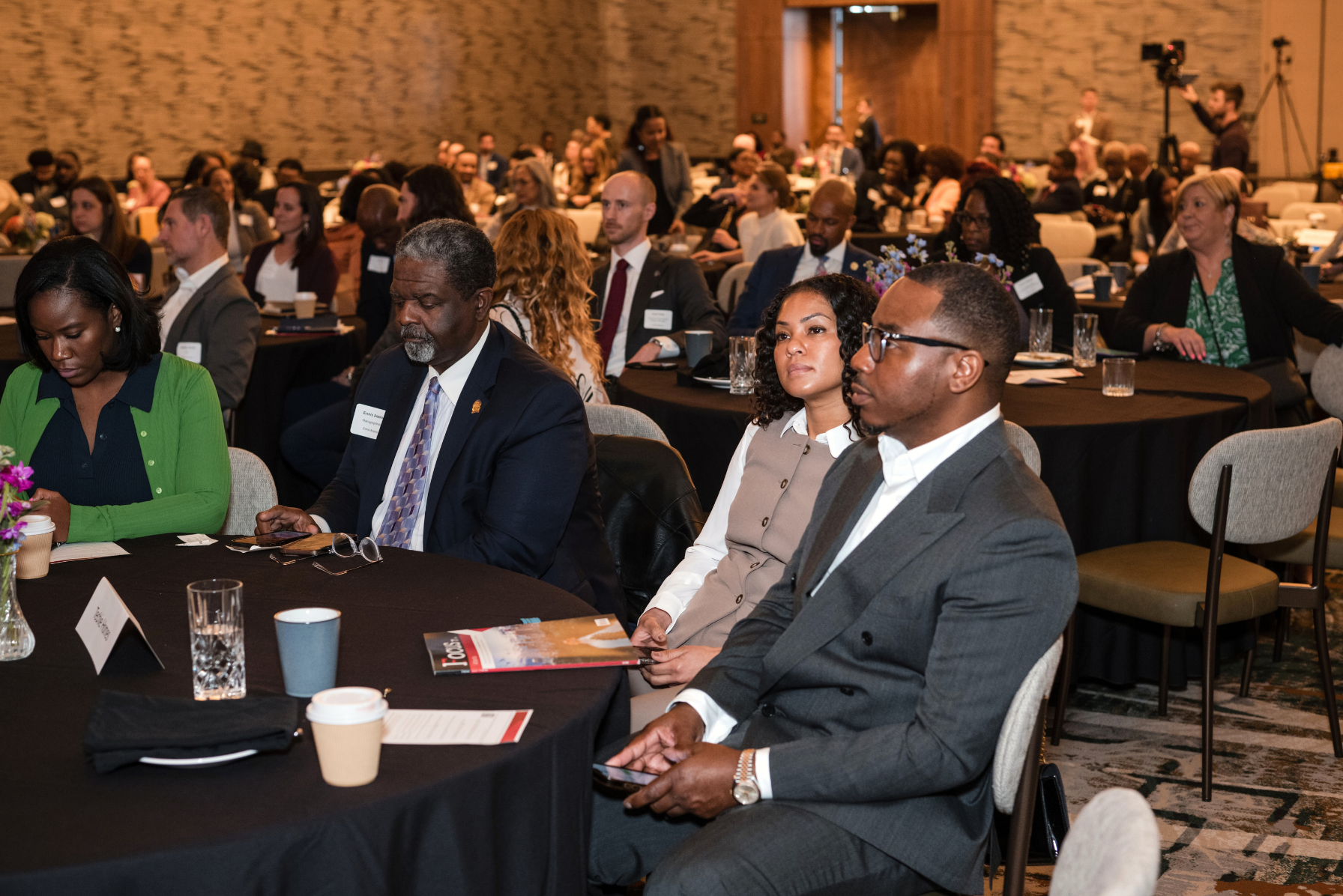
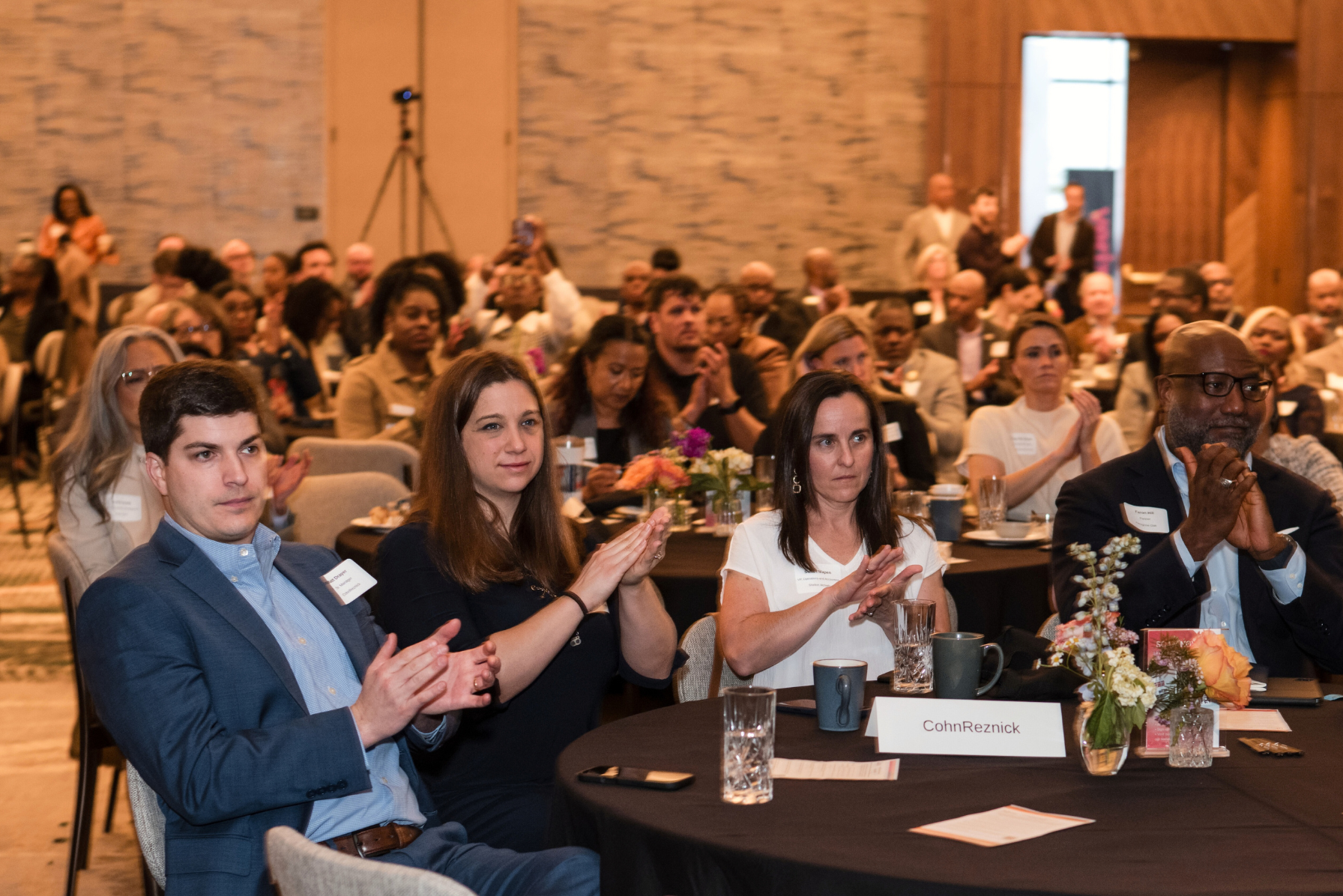
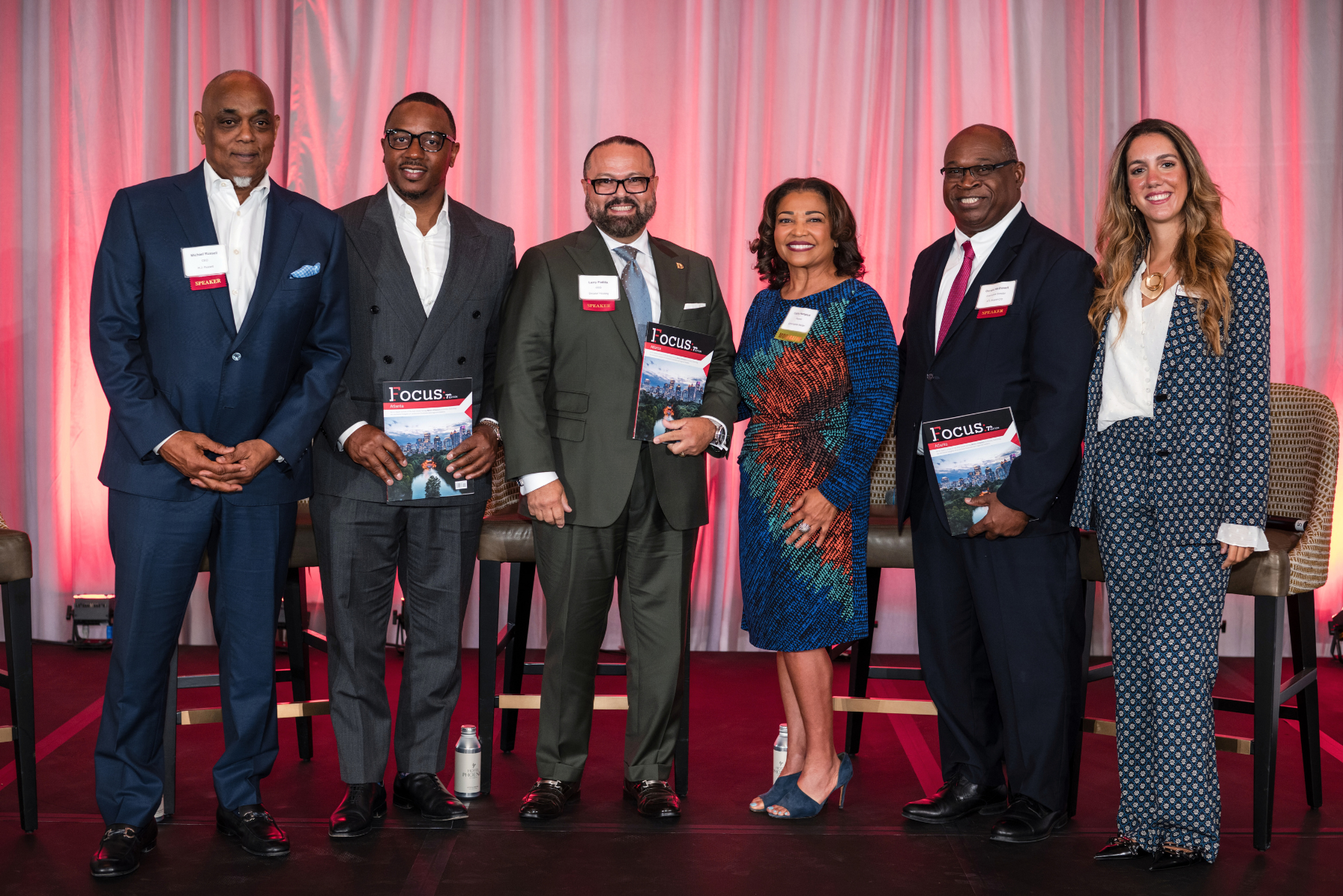
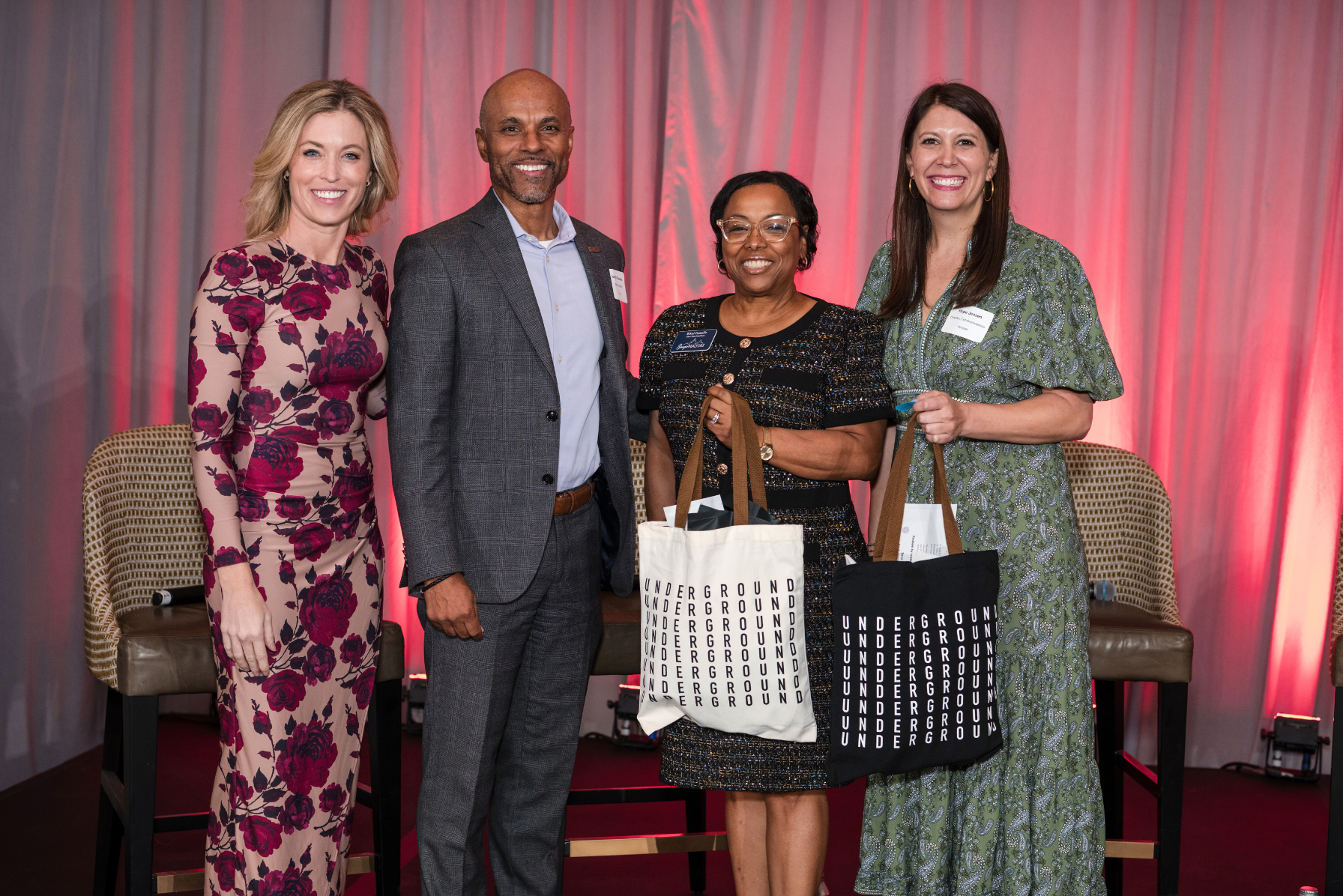
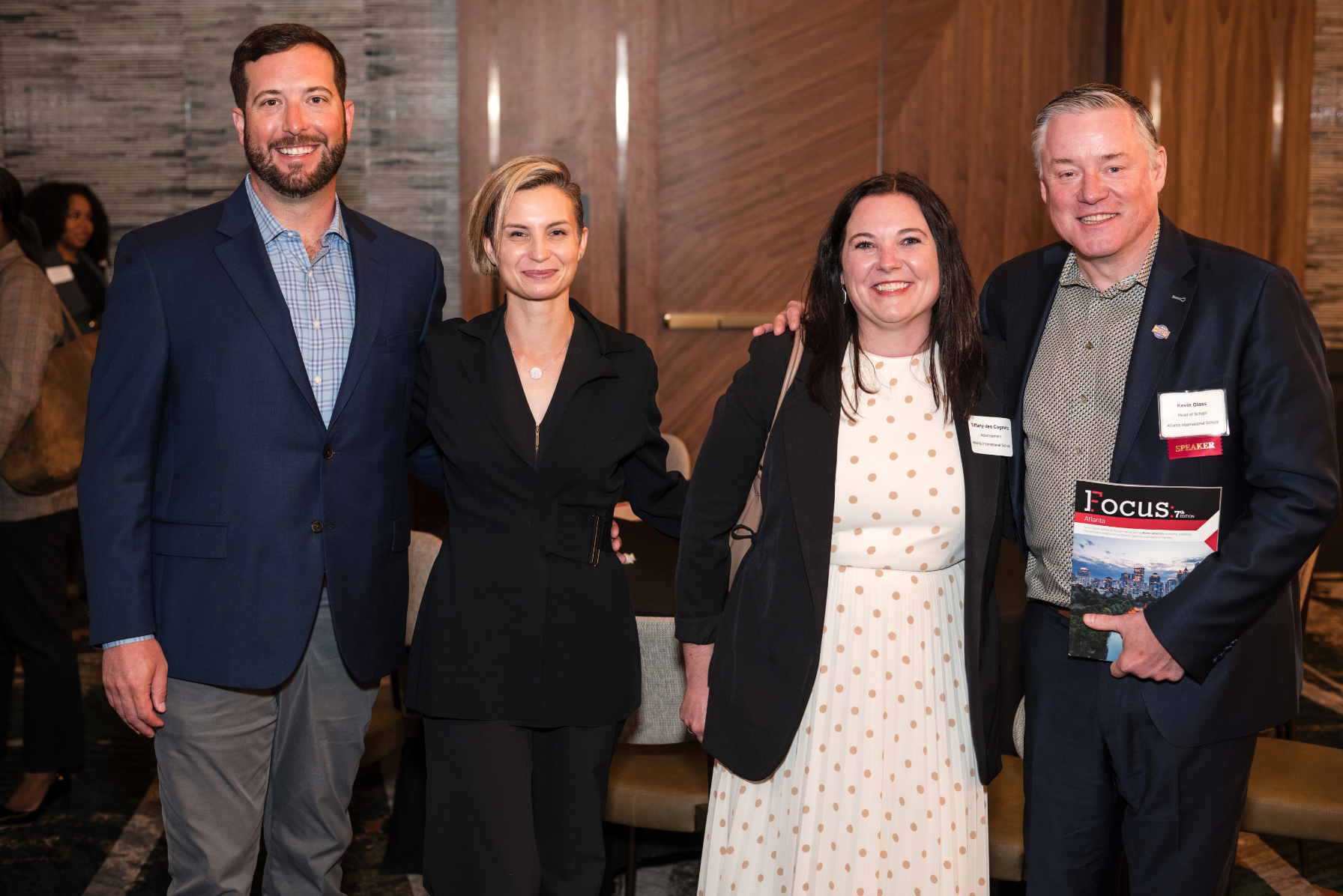
AtlantaMarch 2026 — Atlanta‘s airport is full. Its housing costs are climbing. Its classrooms are preparing students for jobs that don’t exist yet. At the Focus: Atlanta 7th Edition Leadership Summit, the region’s top leaders didn’t shy away from any of it.

Abby Lindenberg, founder and CEO of caa, opened the program by reflecting on what makes the city both a great place to live and do business. “What makes Atlanta truly singular is what those strong numbers represent underneath,” she said. “For four consecutive years, Atlanta has ranked first in the nation for the highest share of Black-owned businesses, a reflection of a city that has never stopped investing in its own people. Atlanta’s historically Black colleges and universities, including Morehouse, Spelman, and Clark Atlanta, generate $1.1 billion in annual economic impact and nearly 7,800 jobs. That talent pipeline doesn’t just feed Atlanta. It fuels the nation.”

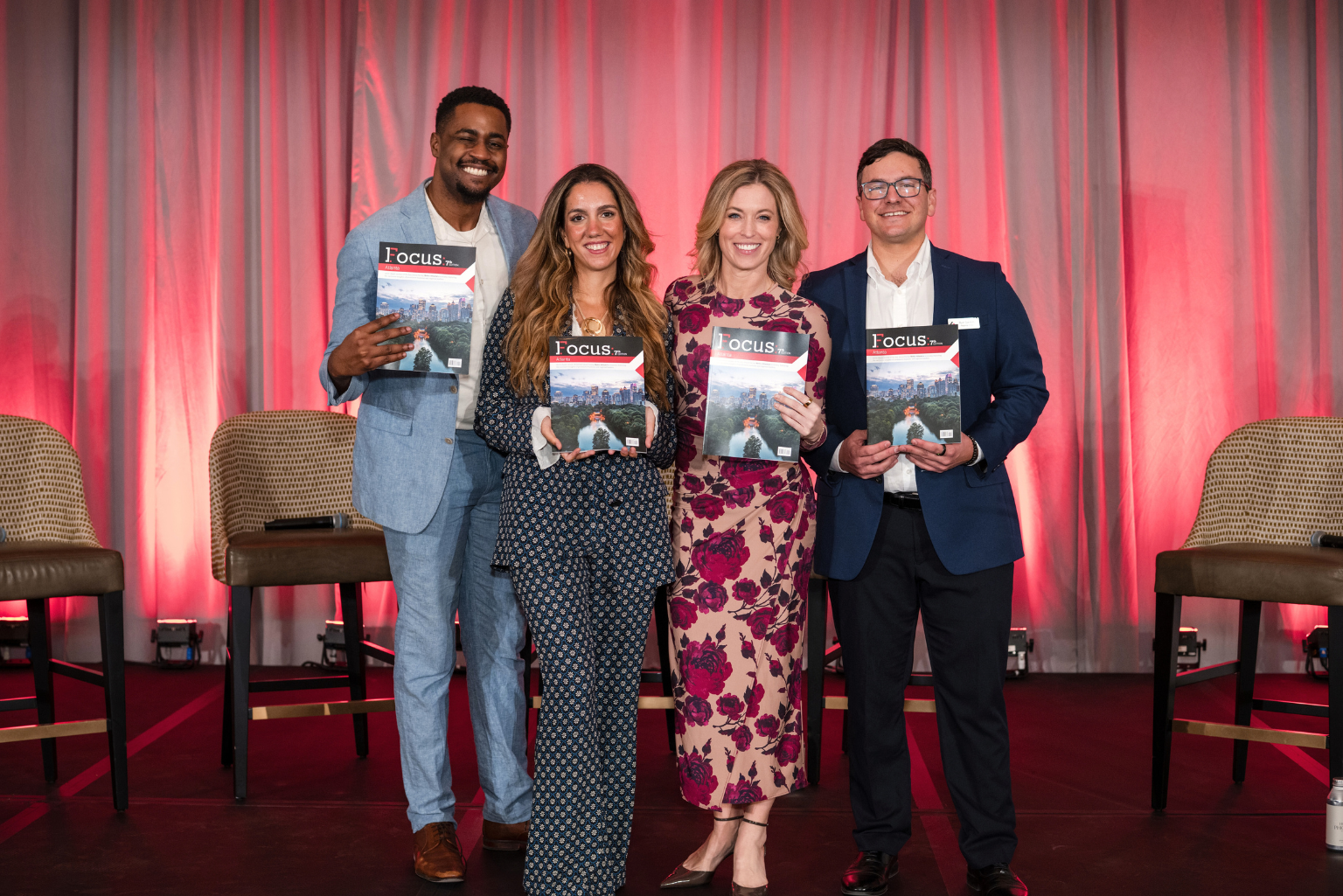
The summit marked the official release of Focus: Atlanta 7th Edition, caa’s in-depth economic review of the region. (Become a member today to access the latest edition of Focus: Atlanta.)

“What gives me confidence standing here is the same thing that always gives me confidence in rooms like this one,” Lindenberg said. “I see people who are not waiting for someone else to solve it. Workforce housing partnerships are expanding. Entrepreneurship accelerators are scaling. And the same community spirit that brought the Olympics here in 1996 and is bringing the World Cup here this summer is being channeled into the work that matters most, building an Atlanta that works for everyone who calls it home.” 

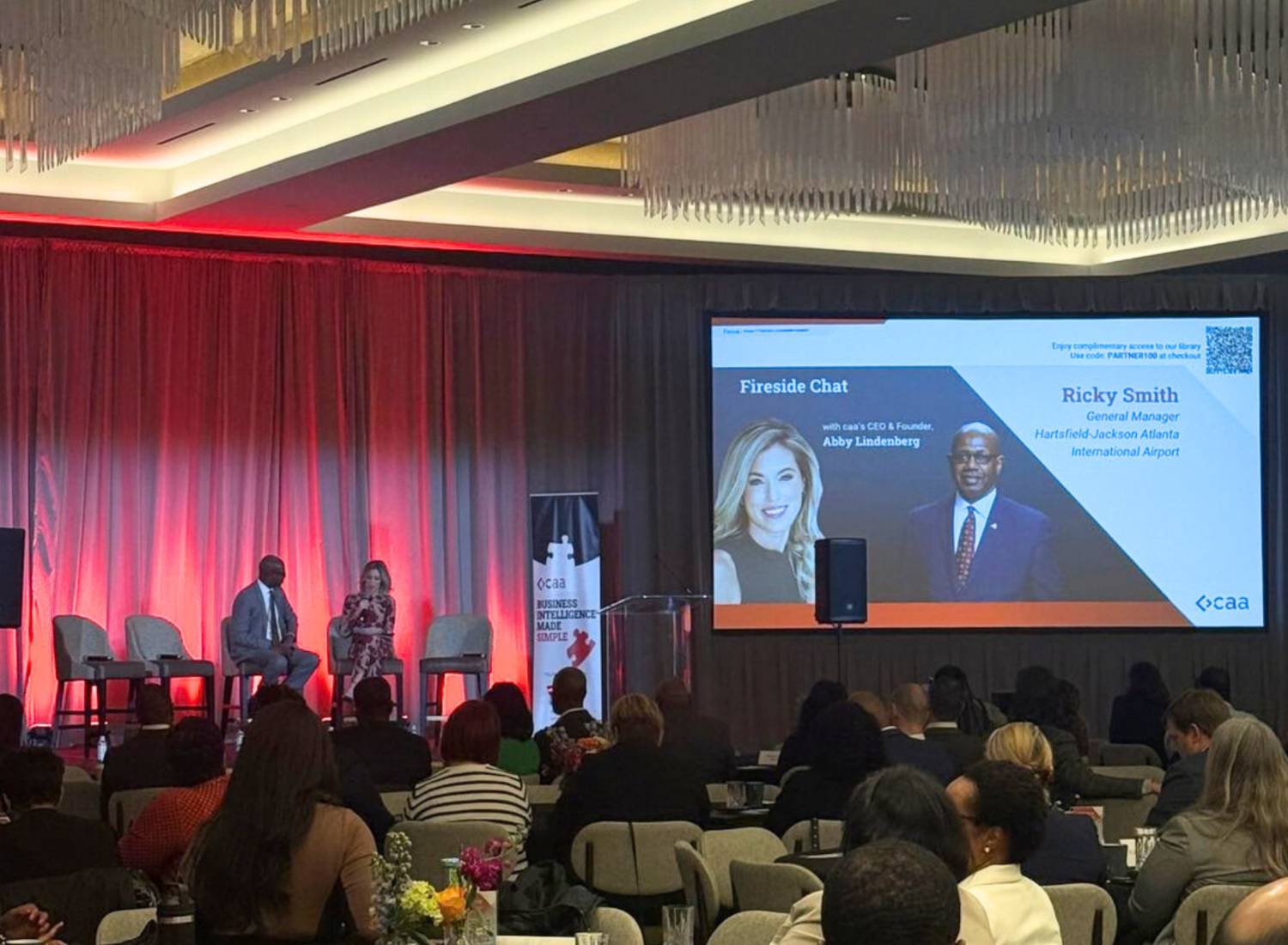
The program moved into a fireside chat with Ricky Smith, general manager of Hartsfield-Jackson Atlanta International Airport, who shared how the aviation sector is increasingly constrained by physical capacity rather than demand, a challenge that could affect how airports support regional economic activity. “The industry is moving from a demand-focused environment to a capacity-focused one. Demand for travel is strong, but facilities, gates, security checkpoints, and labor are all reaching capacity,” Smith said. “Airports are not just modes of transportation. They are economic engines.”

Atlanta
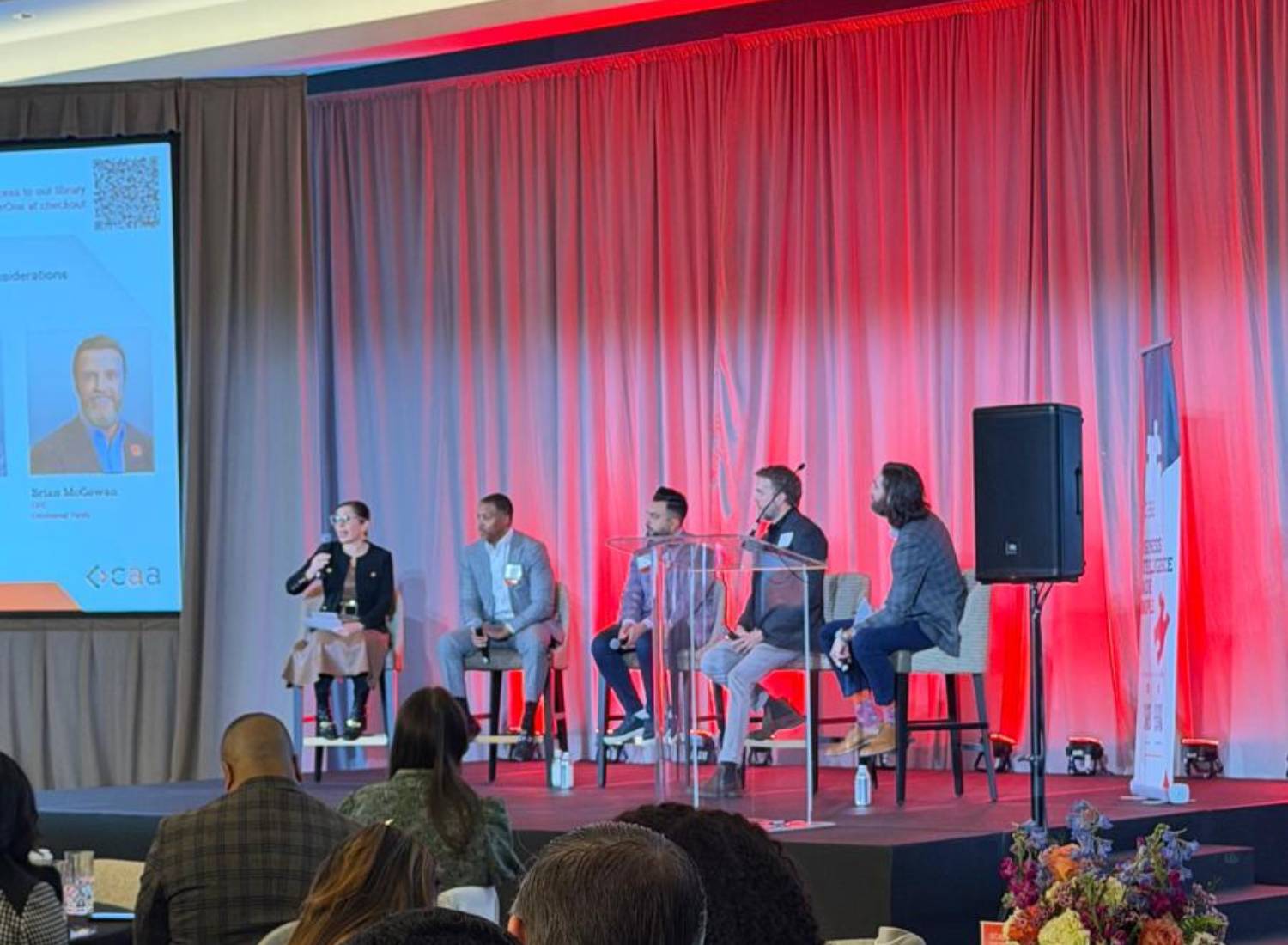
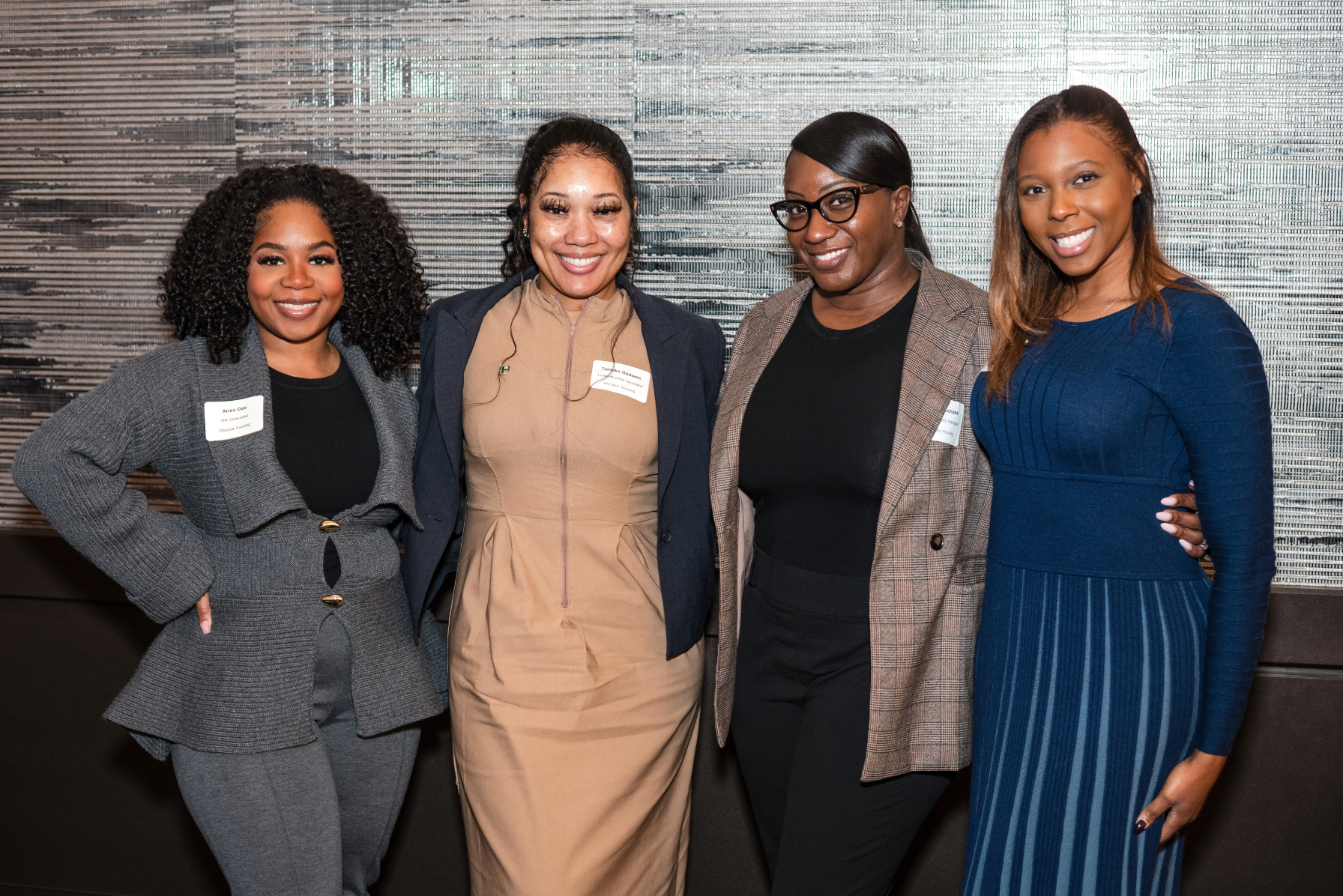
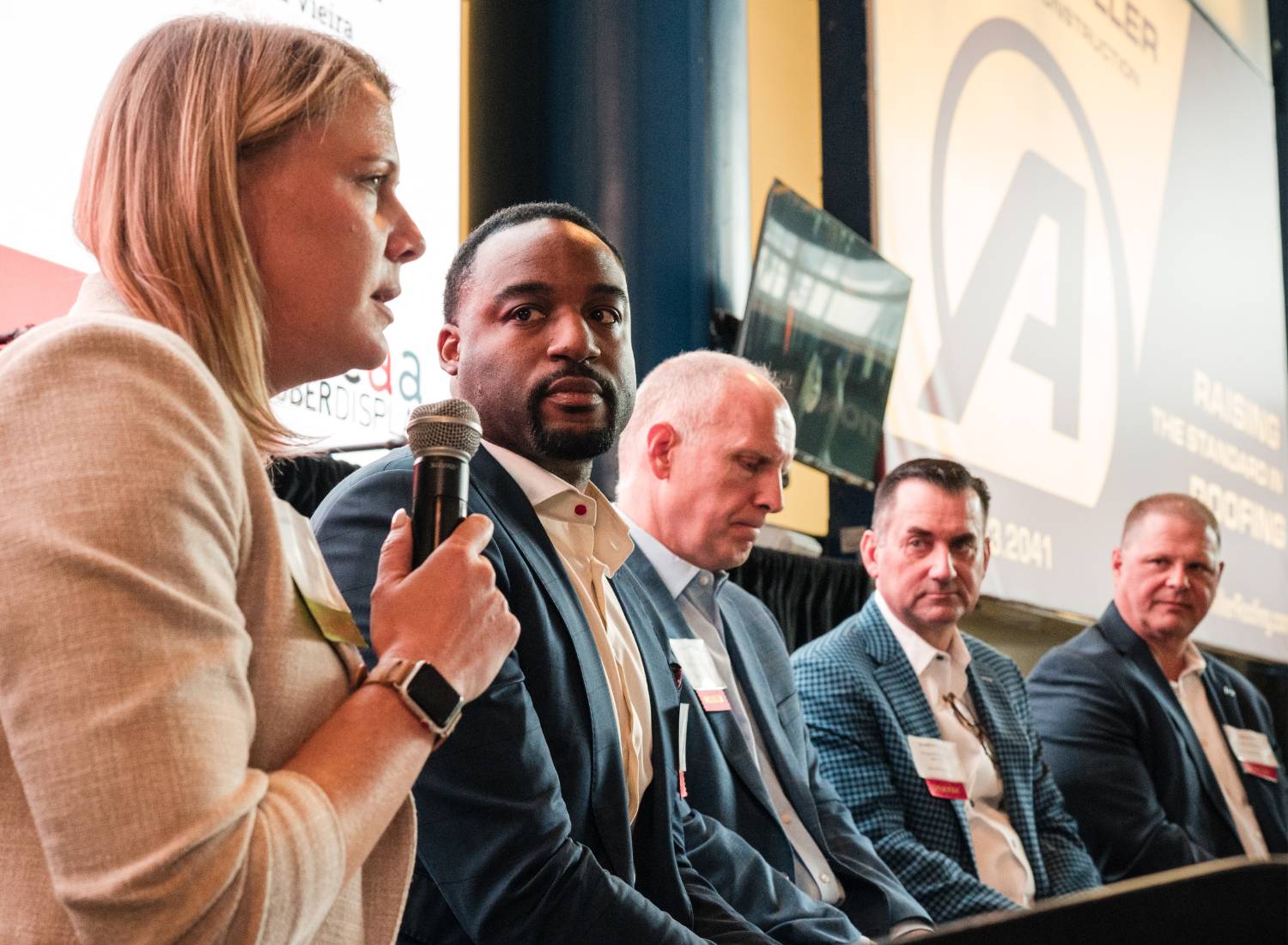
Focus: Atlanta’s panel discussions covered everything that makes Atlanta a leading city in America.

Infrastructure for a global city

The first panel, “Built for the World: How infrastructure, mobility, and smart development are preparing Atlanta for global events and long-term growth,” examined how public investment, housing development, and transportation all contribute to the city’s long-term growth. 

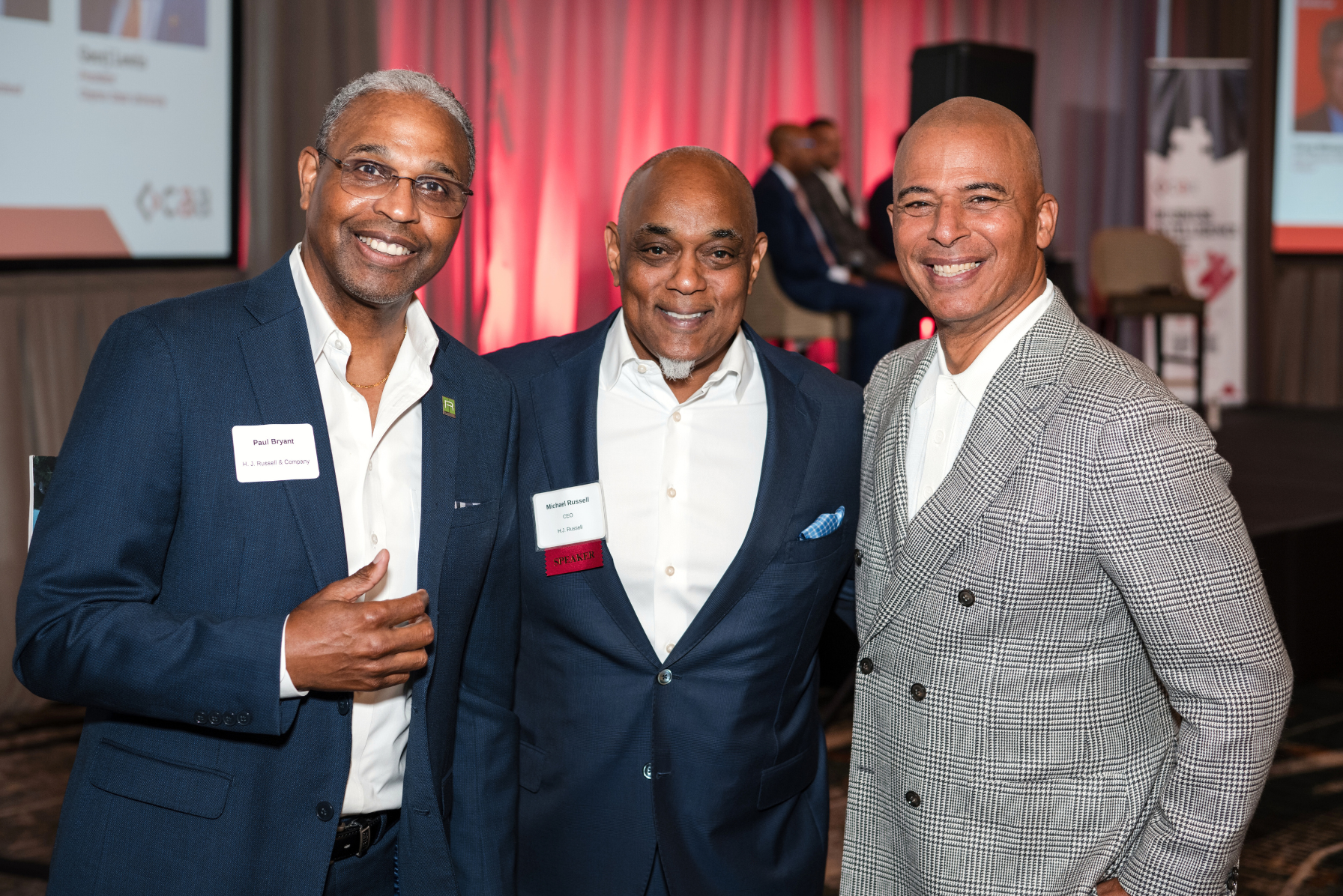
Moderated by Cathy Hampton, partner at Greenspoon Marder LLP, the panel included Gerald McDowell, executive director of the ATL Airport Community Improvement Districts; Larry Padilla, CEO of Decatur Housing; Booker Washington, founder and CEO of Techie Homes; and Michael Russell, CEO of H.J. Russell & Companies.

Panelists discussed the infrastructure challenges that accompany growth. McDowell pointed to recent efforts to expand transit access around the airport district through a microtransit pilot. “You can download an app and get a free ride to your closest bus or train station,” he said, noting that the service provided about 30,000 rides between August 2025 and February 2026.

Housing affordability also emerged as a key issue. Padilla pointed to rising development costs, noting that “building multifamily housing costs about 38% more because of regulation.” Washington emphasized that expanding ownership opportunities remains key to long-term mobility. “Our communities will be a great example of how we transfer homeownership into a wealth generator,” he said.
Russell pointed to the importance of coordinated planning as the city prepares for international events such as the upcoming World Cup. “Atlanta is not a rookie city when it comes to hosting major events,” he said. “But this will be an international audience, and preparation across the region is critical.”

Skills, technology, and workforce preparation

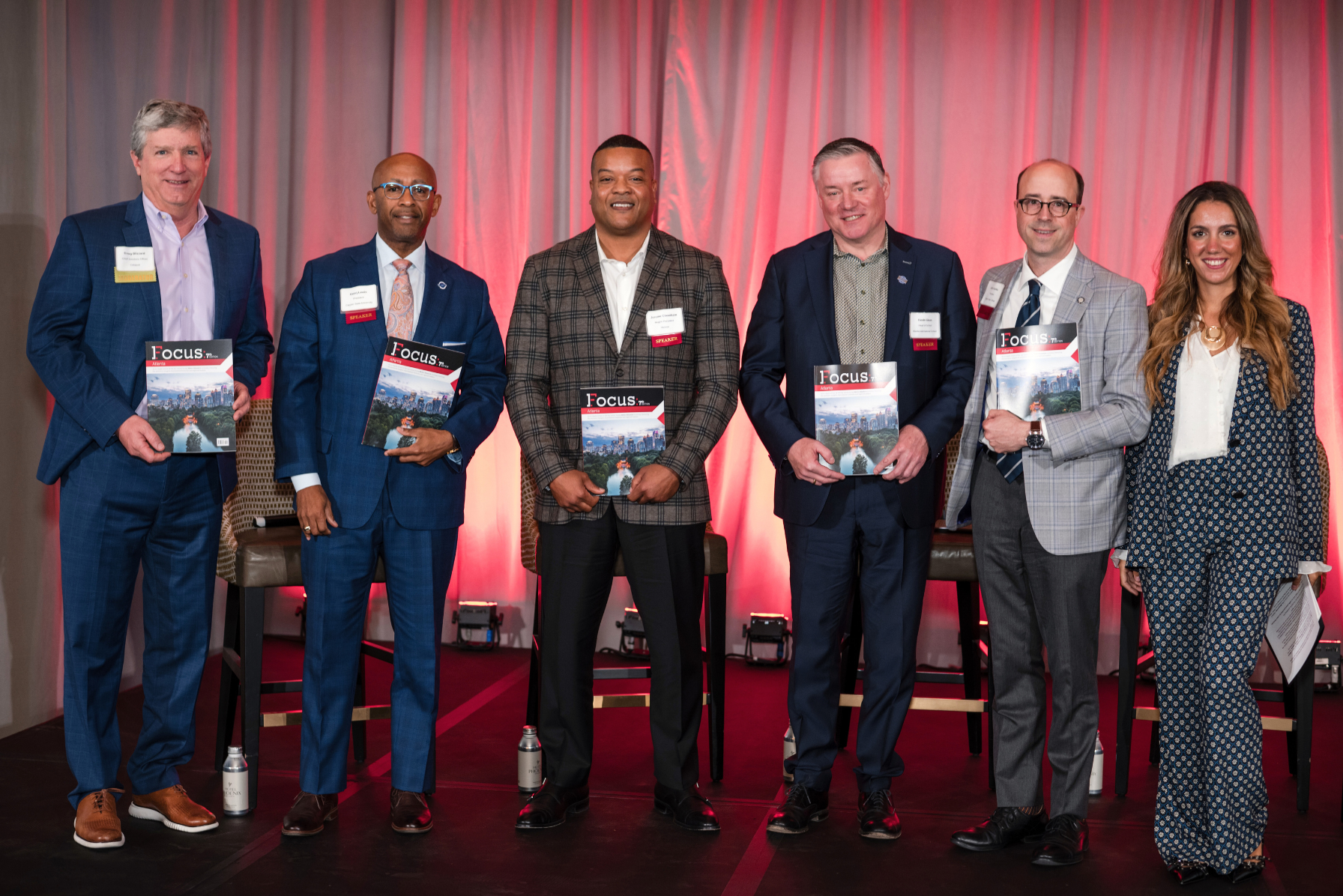
The second panel, “Reinventing the Engine: How AI, education, and industry partnerships are aligning to empower Atlanta’s economy and businesses,” focused on how technological change impacts workforce preparation and learning environments.

Moderated by Doug Blizzard, chief solutions officer at Catapult, the discussion included John Fuchko, president of Dalton State College; Georj Lewis, president of Clayton State University; Jerome Cheatham, region president of Verizon; and Kevin Glass, head of school at Atlanta International School.

The conversation explored how technological innovation is influencing both education and workforce expectations.
“When we talk about AI, we have to distinguish between analysis and understanding,” Fuchko said. “AI can refine ideas, but the creativity and ethical judgment behind them still comes from people.”
The discussion also touched on the growing emphasis employers are placing on durable skills alongside technical expertise. “From a business perspective, we are increasingly focused on durable skills rather than static job descriptions,” Cheatham said, noting that communication and problem-solving are becoming just as important as technical knowledge.

Leaders also emphasized the importance of a long-term perspective as schools prepare students for a technology-enabled future. “Our youngest students will graduate in 2040,” Glass said. “They will live in a world shaped by evolving technology and artificial intelligence, and we need to prepare them to navigate that environment thoughtfully.”

Reimagining downtown Atlanta

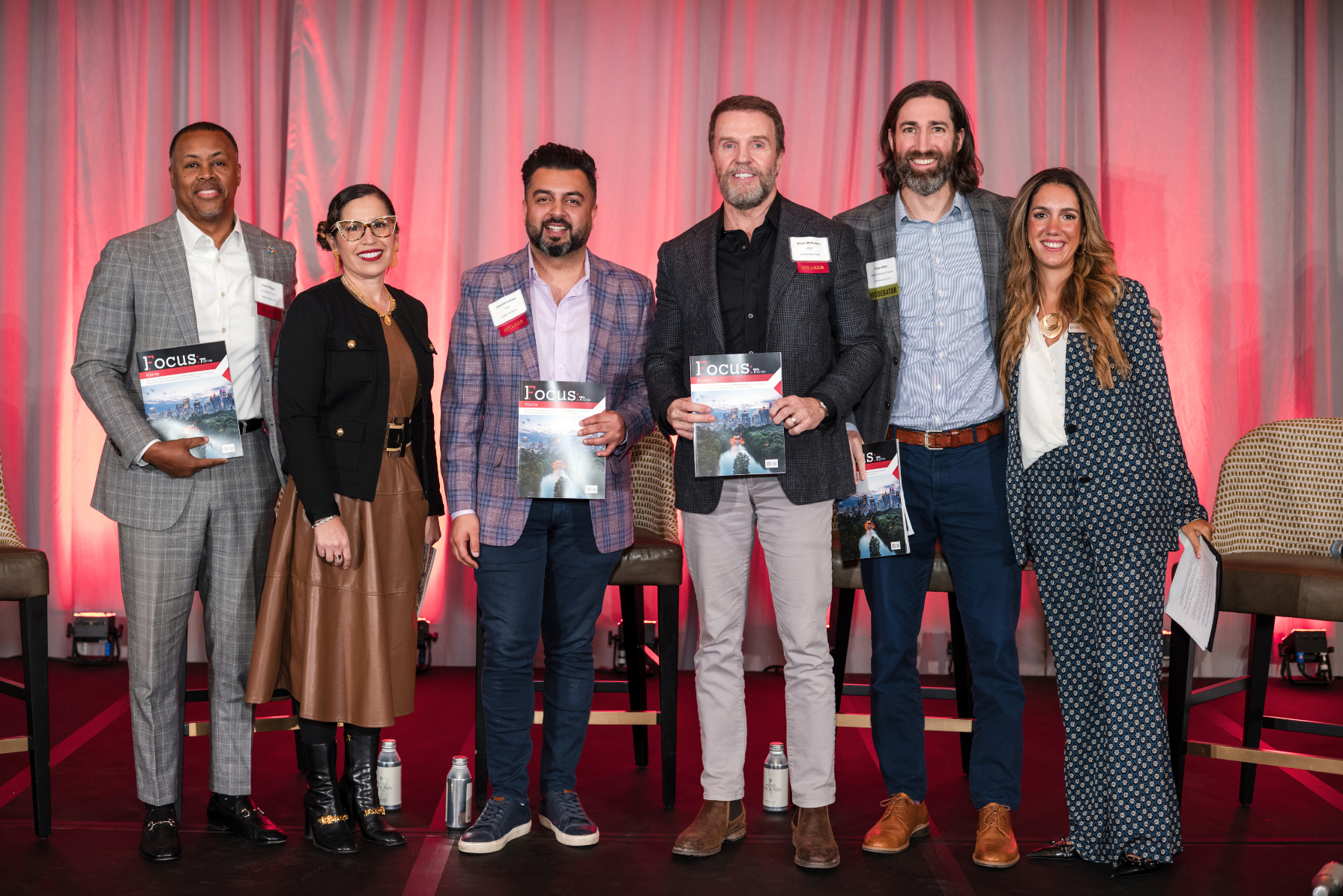
The final panel, “The Urban Reset: How catalytic projects are unlocking value and redefining Atlanta’s core districts, and key considerations for future development,” looked at how major developments are transforming downtown Atlanta and surrounding neighborhoods.

Moderated by Ryan Mills, office managing partner in Atlanta at CohnReznick LLP, the panel featured Shaneel Lalani, CEO of Lalani Ventures; Brian McGowan, CEO of Centennial Yards; Clyde Higgs, president and CEO of Atlanta Beltline; and Eloisa Klementich, president and CEO of Invest Atlanta.

Speakers discussed how large-scale redevelopment efforts are reshaping downtown activity and reconnecting areas that have long remained underutilized. McGowan pointed to Centennial Yards as an example of how sustained planning and investment can redefine the city’s urban core. “These projects can feel like overnight success,” he said, “but they are the result of years of planning and development.”

Infrastructure initiatives are also playing a significant role in how residents and visitors move through the city. Higgs noted that more than $9 billion in private investment has followed the development of the Atlanta Beltline. “There is no other infrastructure project producing that level of investment impact,” he said.

The discussion also touched on how public-sector programs boost downtown activity. Klementich highlighted initiatives designed to support small business and expand economic opportunity as the city prepares for upcoming global events. 

The summit concluded with remarks from Milena Mignone, regional manager of Focus: Atlanta, who reflected on the collaborative spirit that continues to shape the region’s development. “Throughout my time meeting with leaders across this community, I am consistently struck by the spirit of collaboration that defines this market,” Mignone said. “The idea that a rising tide lifts all boats is not just a phrase here. It is something you truly see in action.”

Interested in reading the Focus: Atlanta report? Sign up today!

Focus Atlanta leadership summit 5 Focus Atlanta leadership summit 12 Focus Atlanta leadership summit 4 Focus Atlanta leadership summit 7 Focus Atlanta leadership summit 6 Focus Atlanta leadership summit 11 Focus Atlanta leadership summit 8 Focus Atlanta leadership summit 10 Focus Atlanta leadership summit 3 Focus Atlanta leadership summit 9 Focus Atlanta leadership summit 13 Focus Atlanta leadership summit 2 Focus Atlanta leadership summit 1

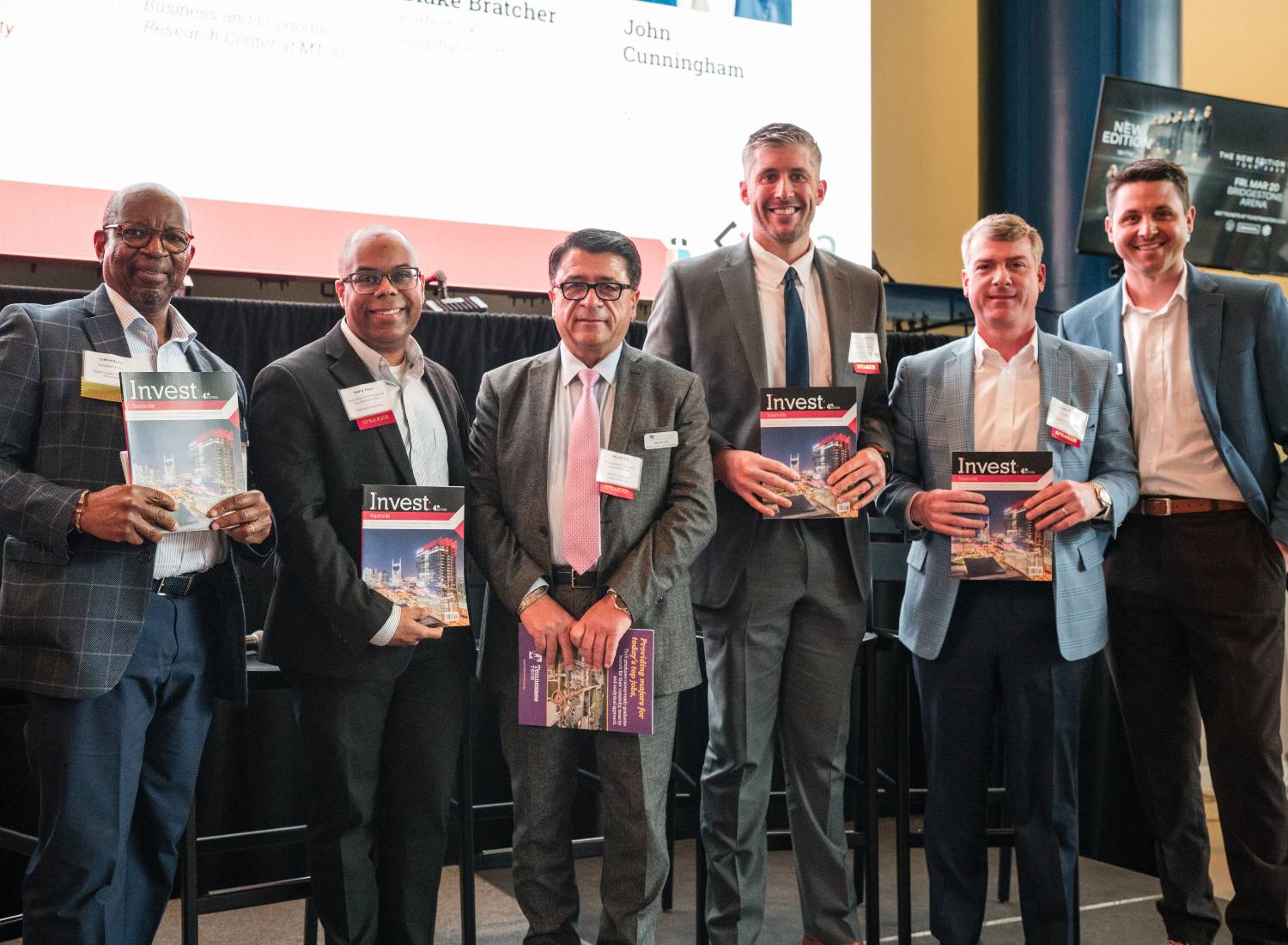
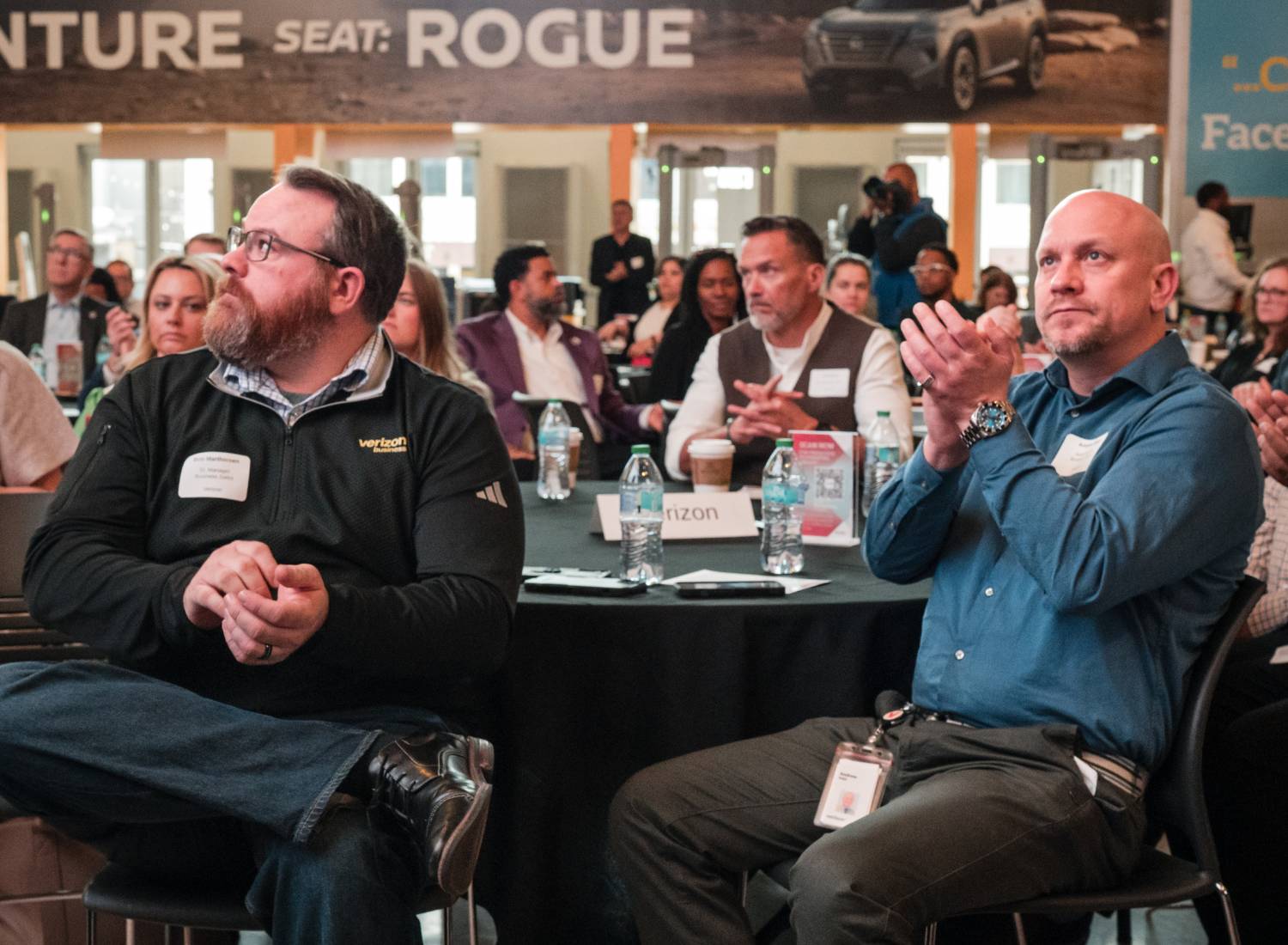
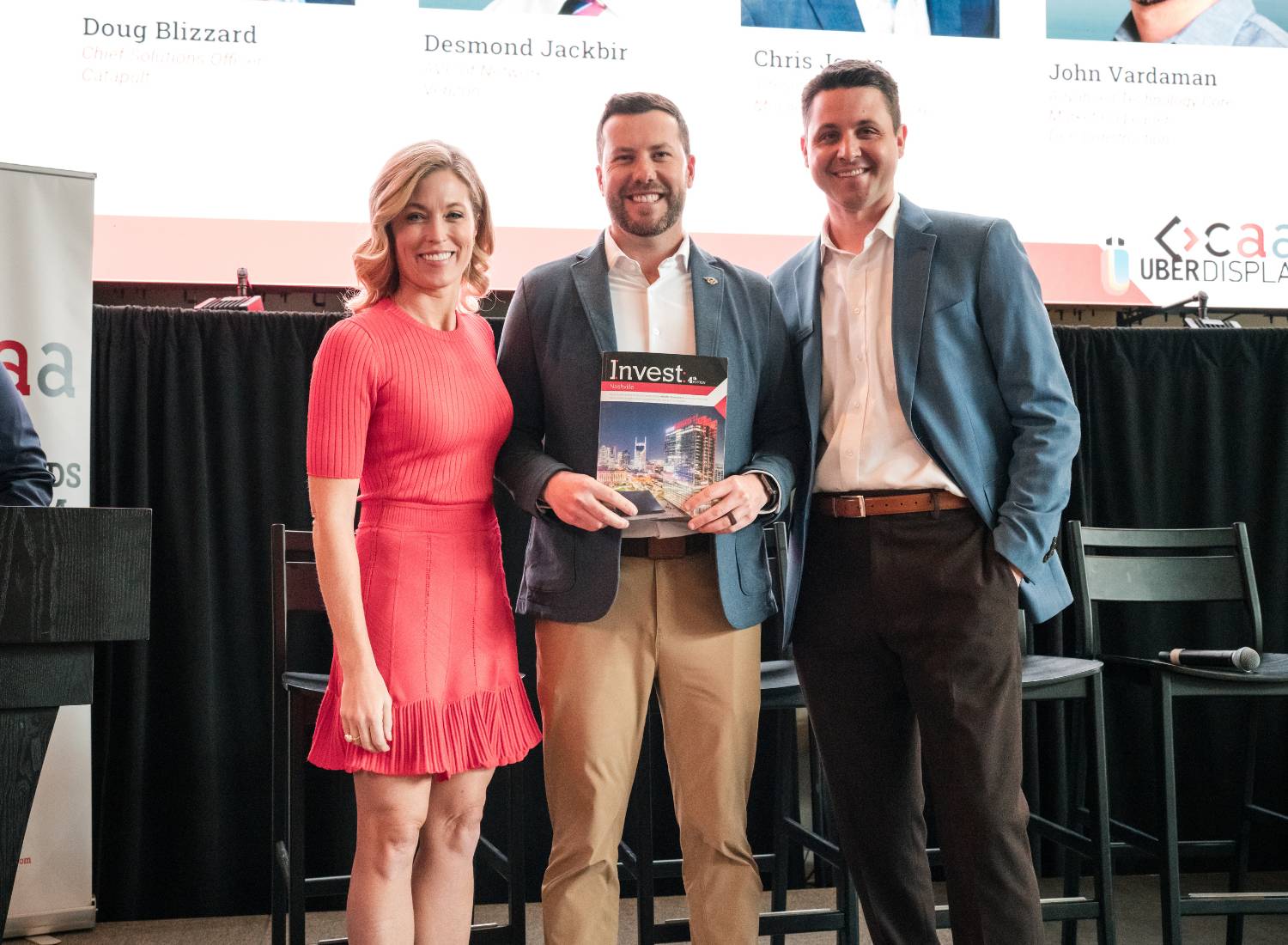
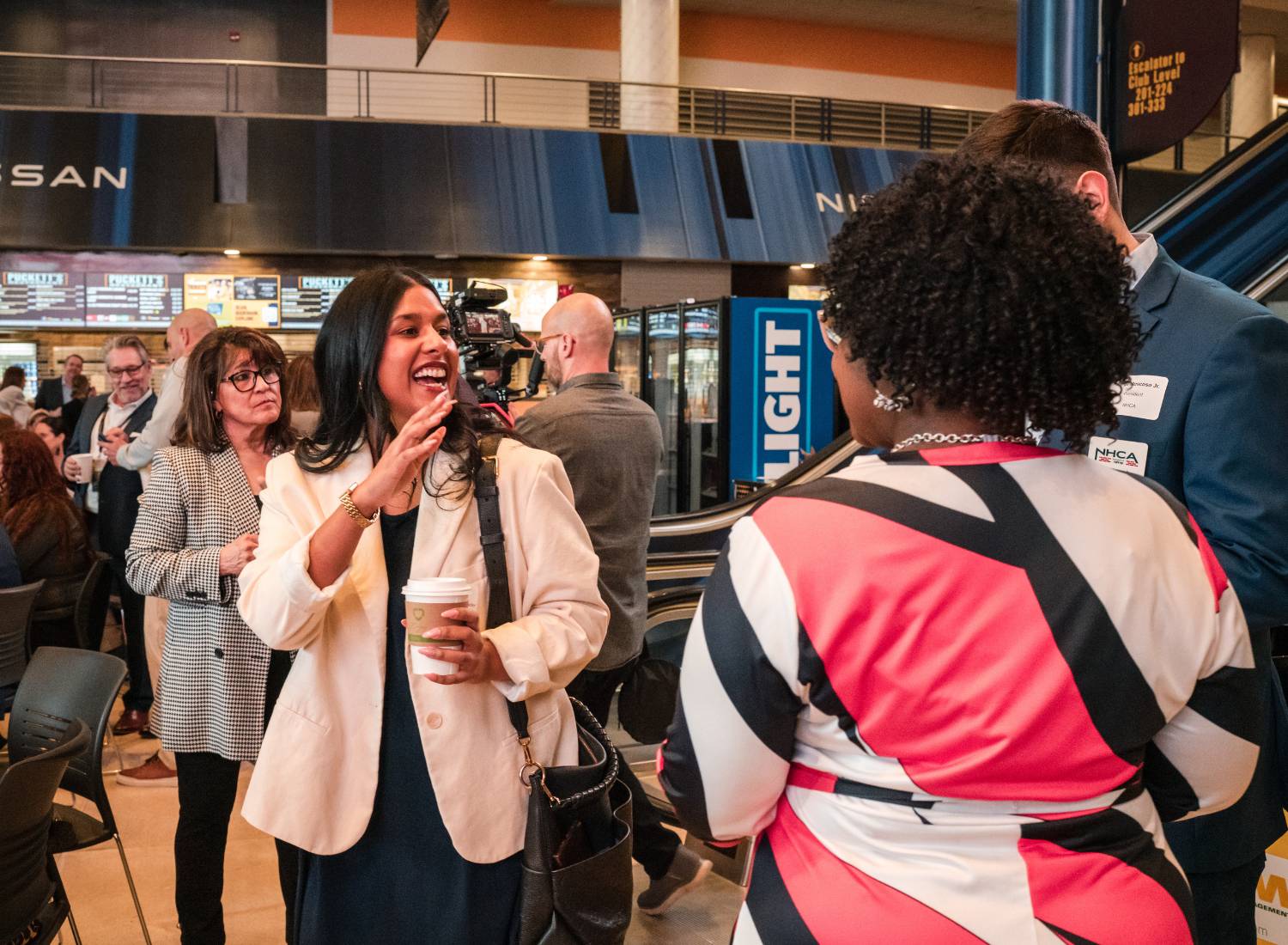
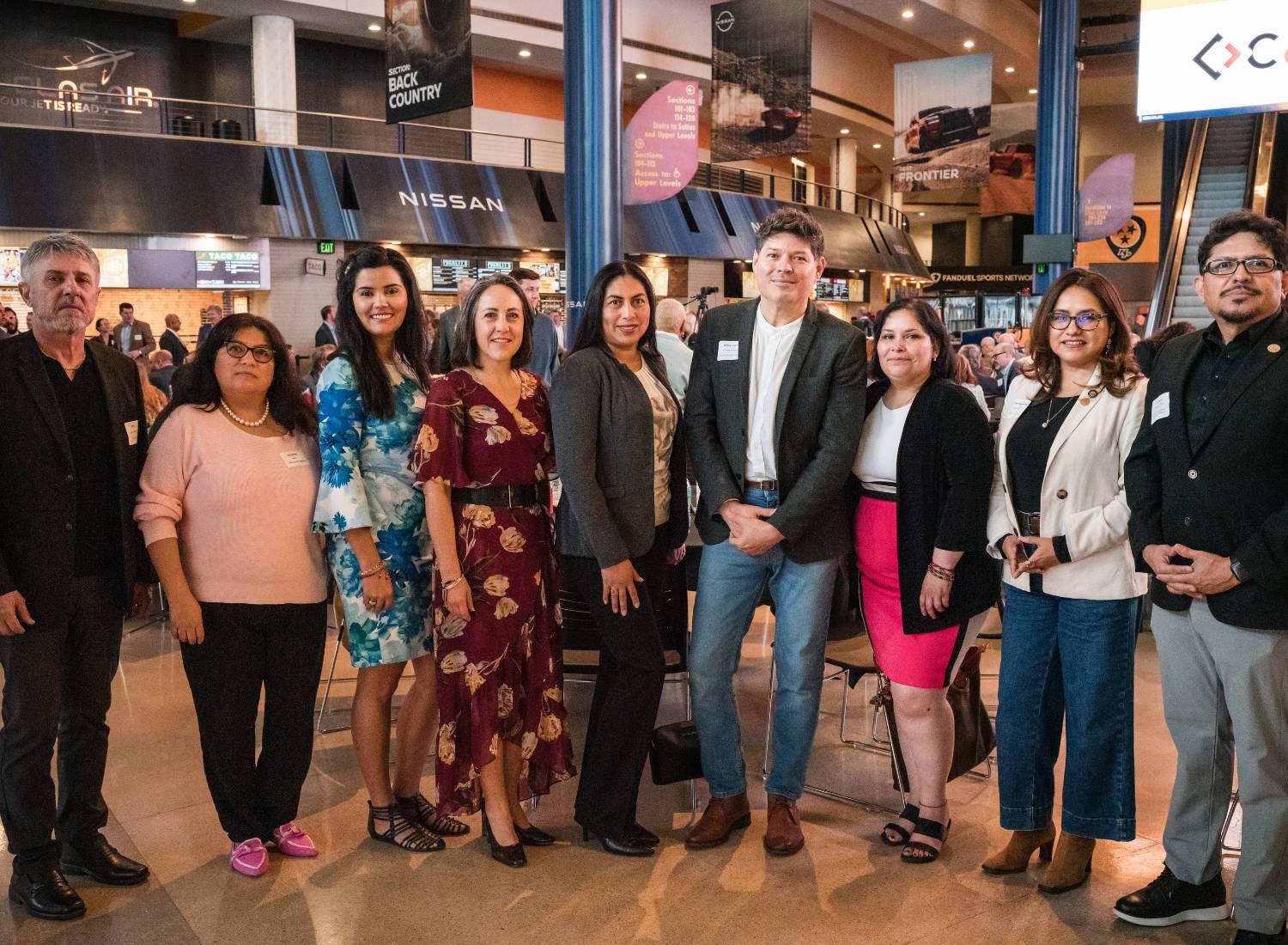
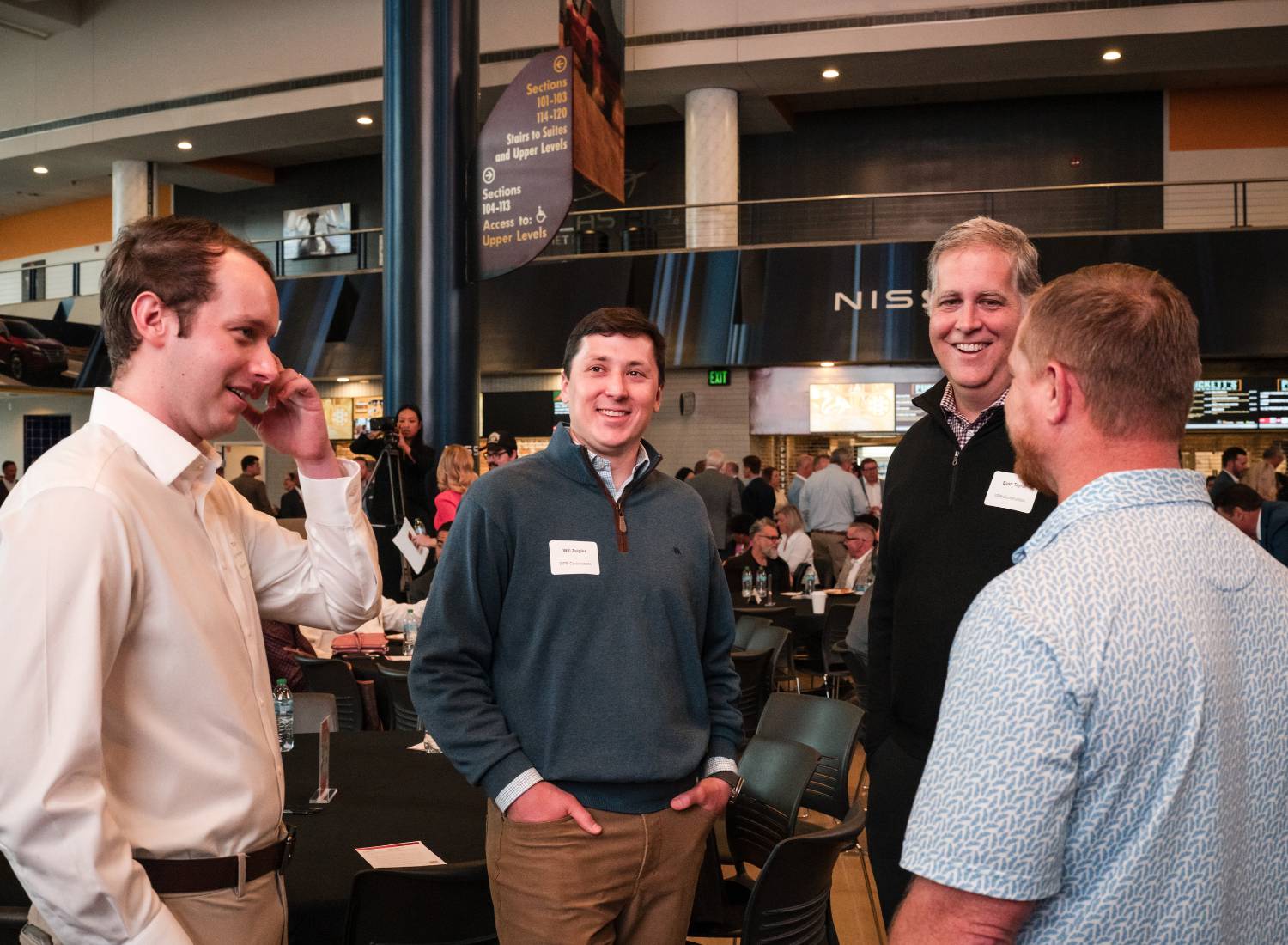
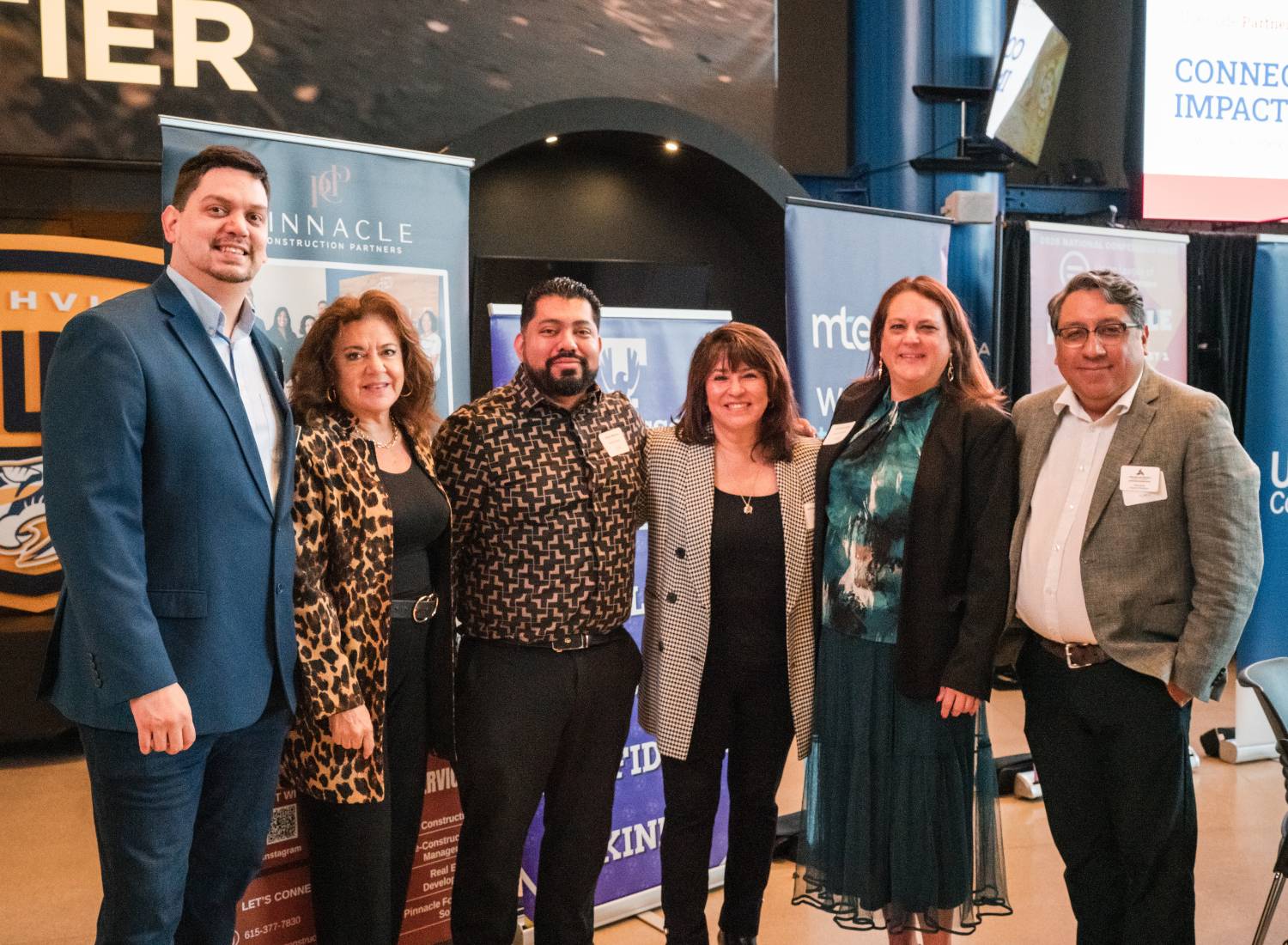
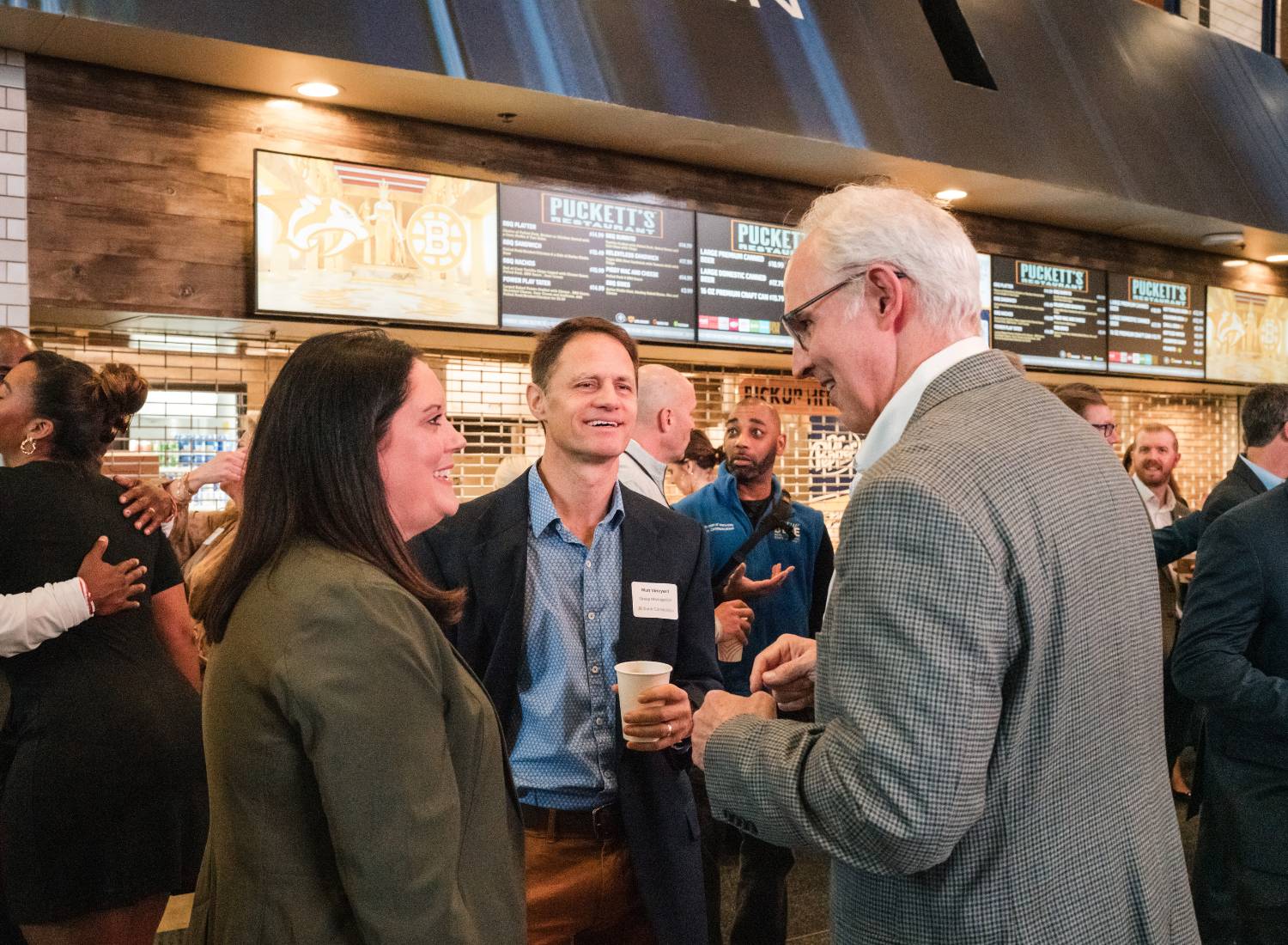
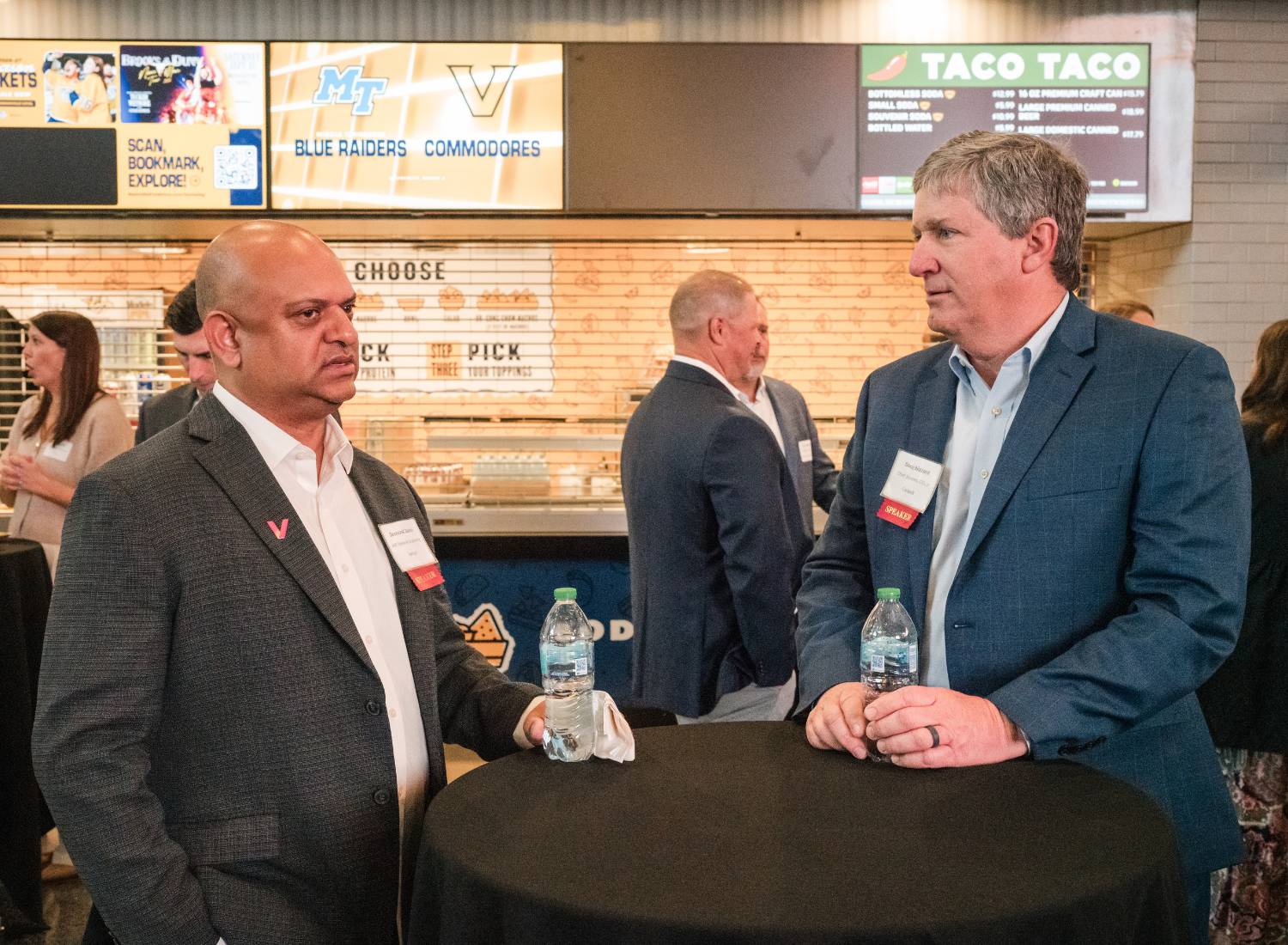
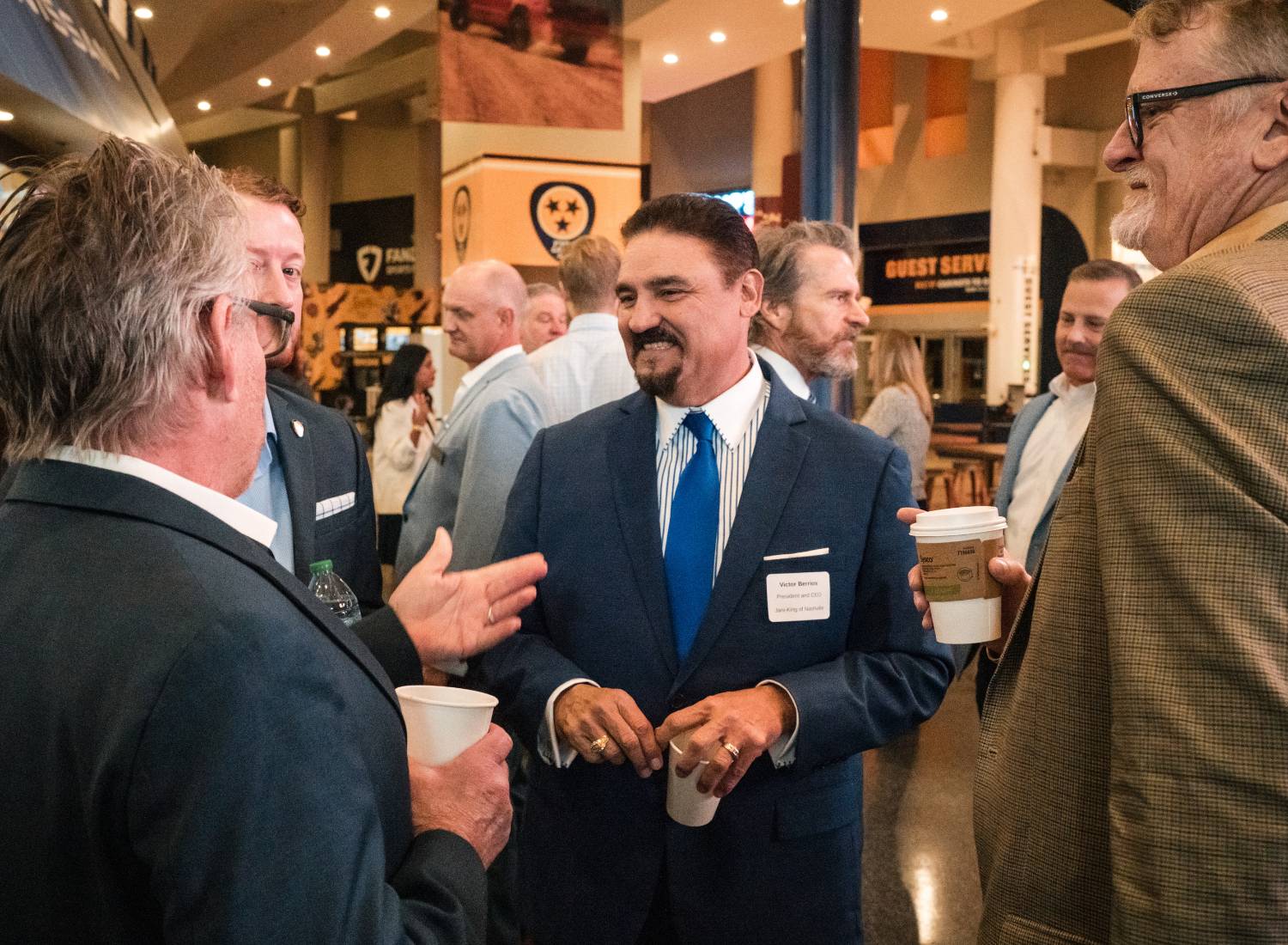
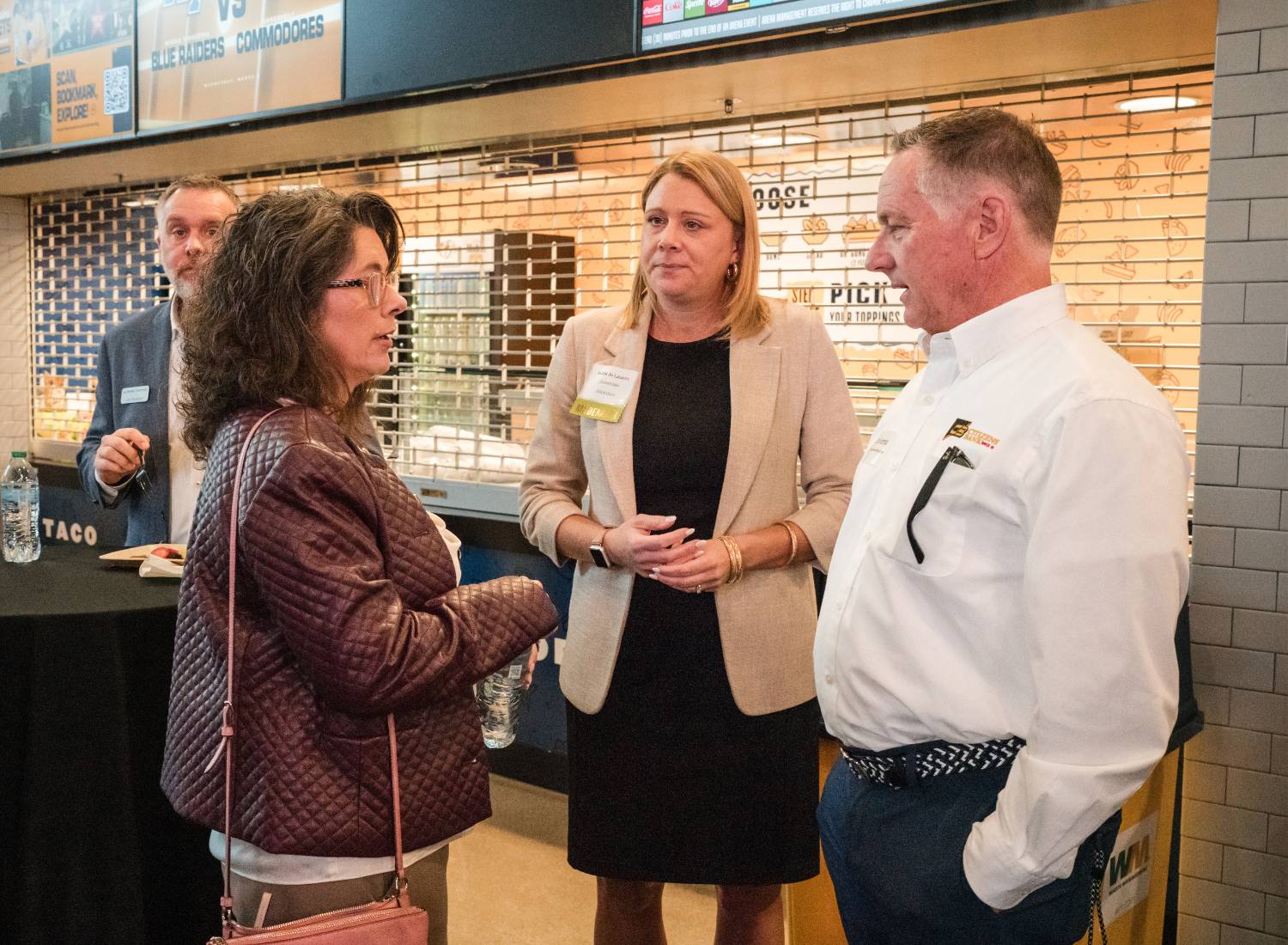
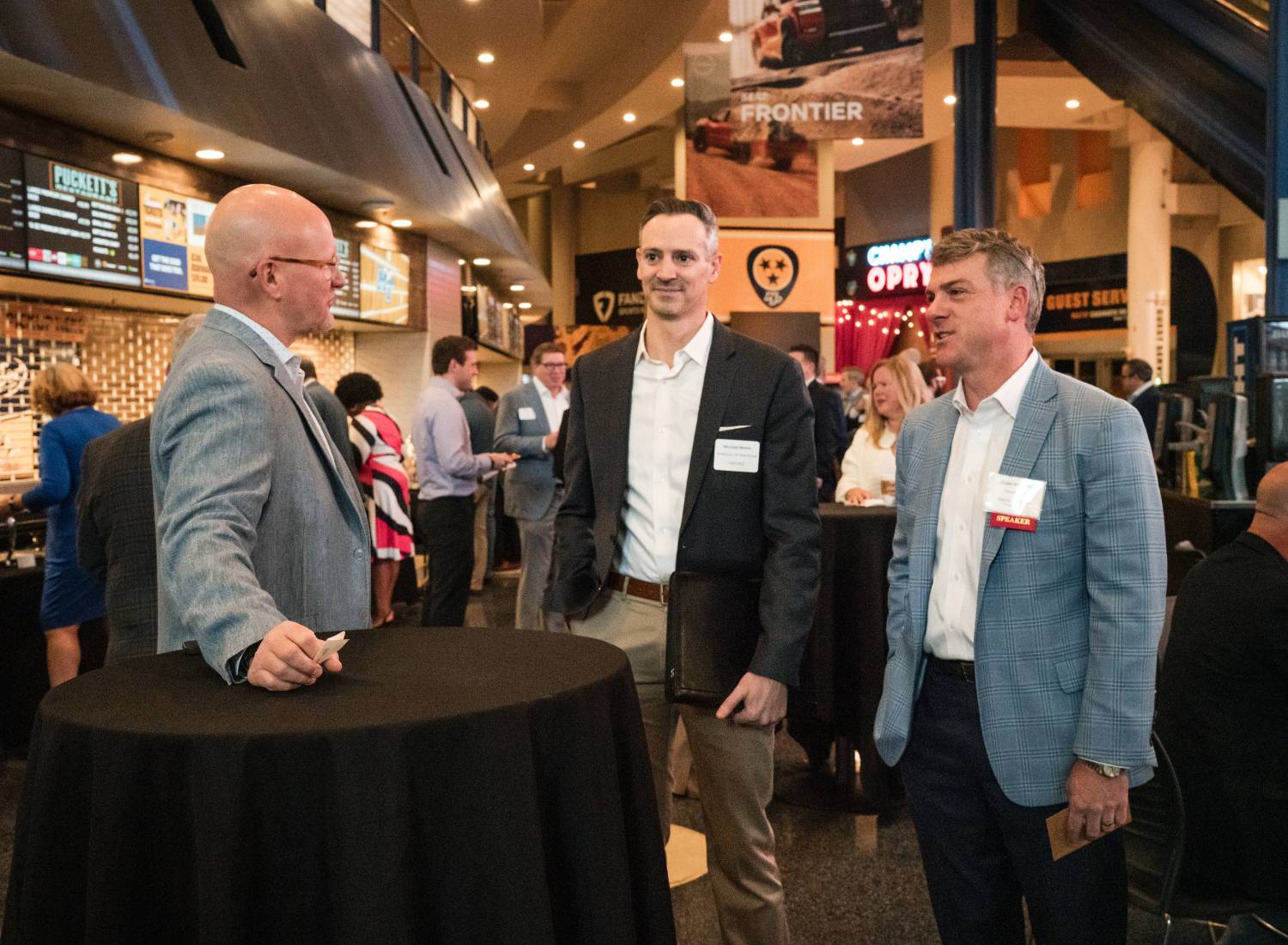
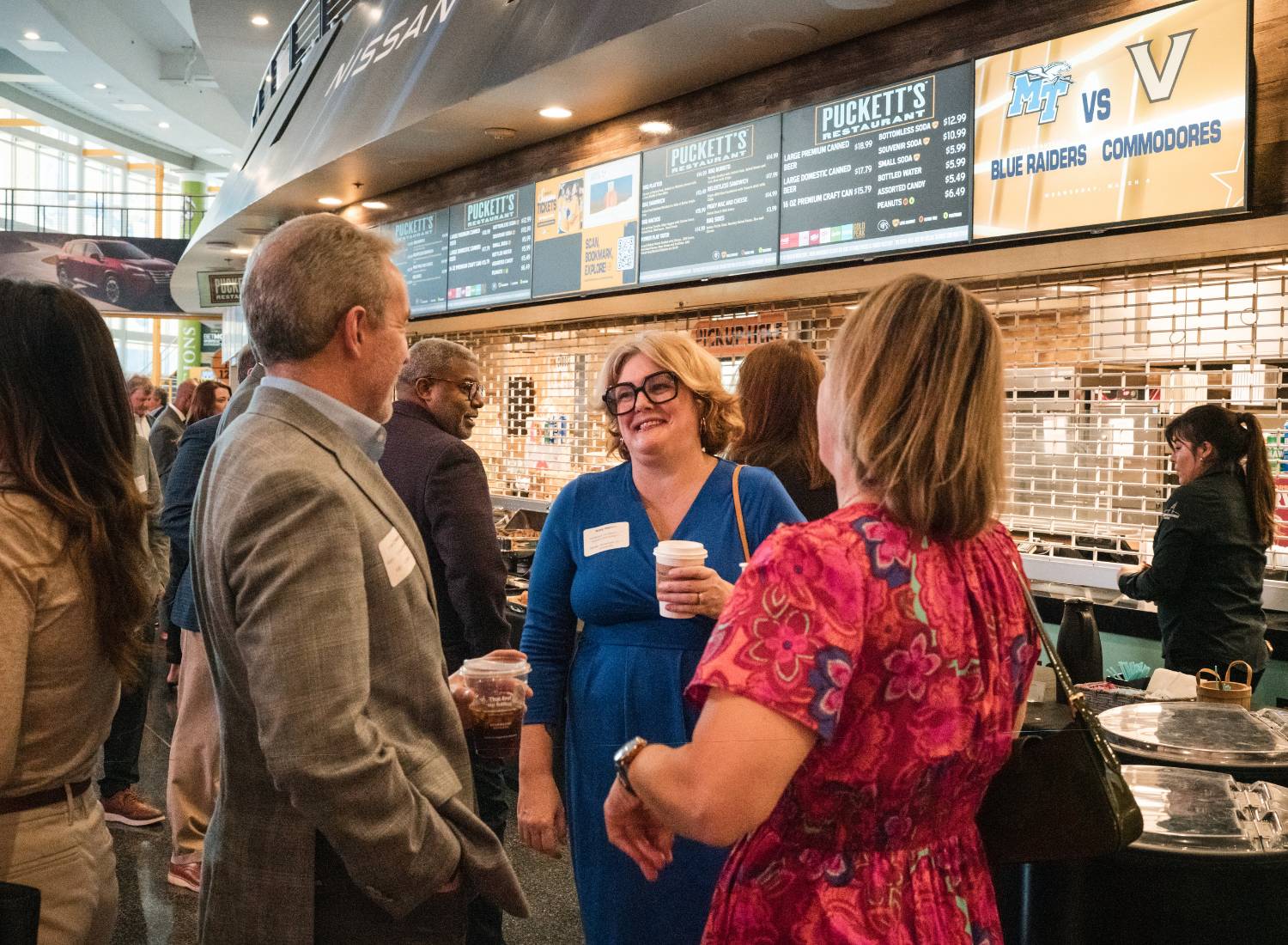
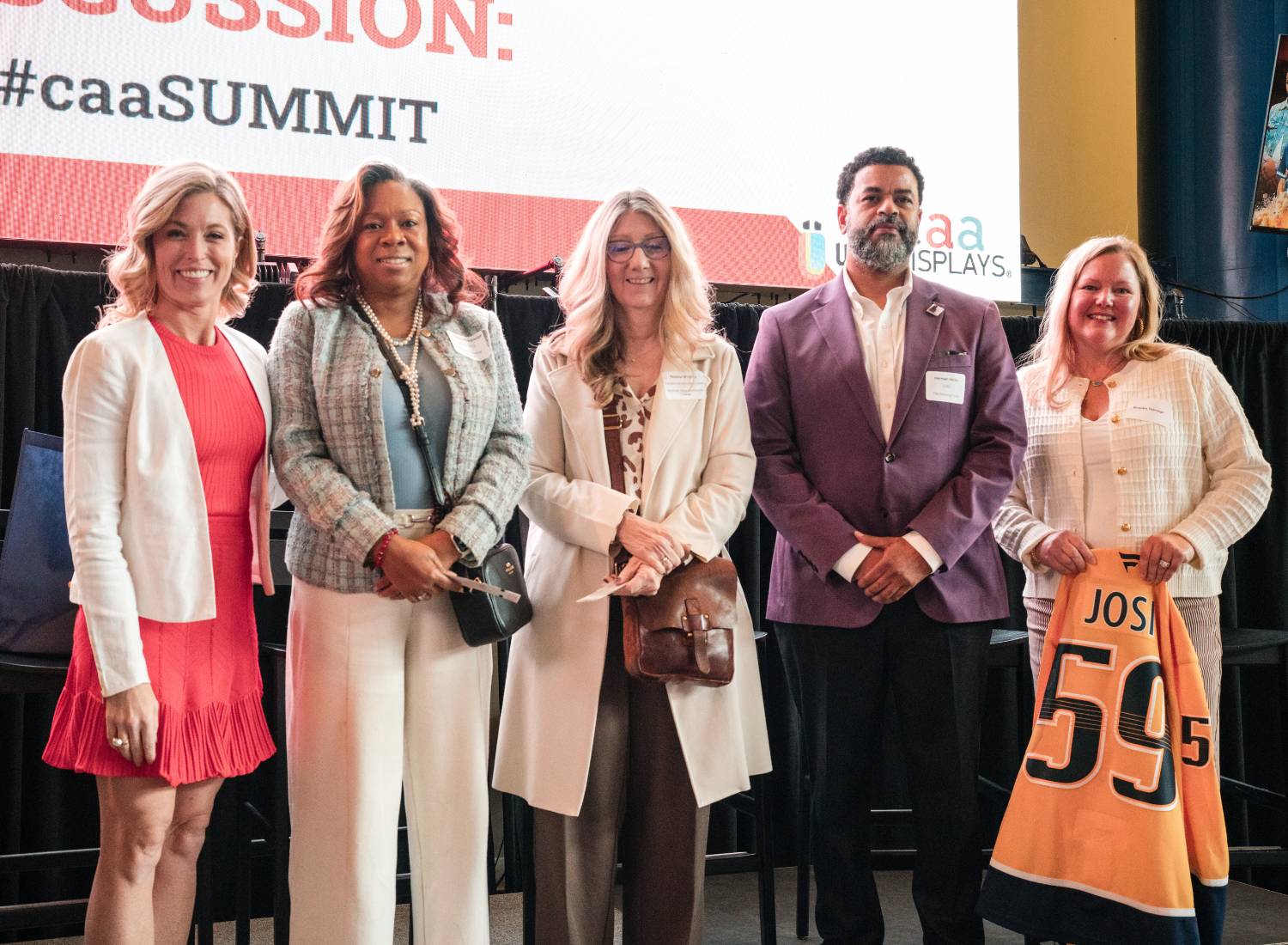
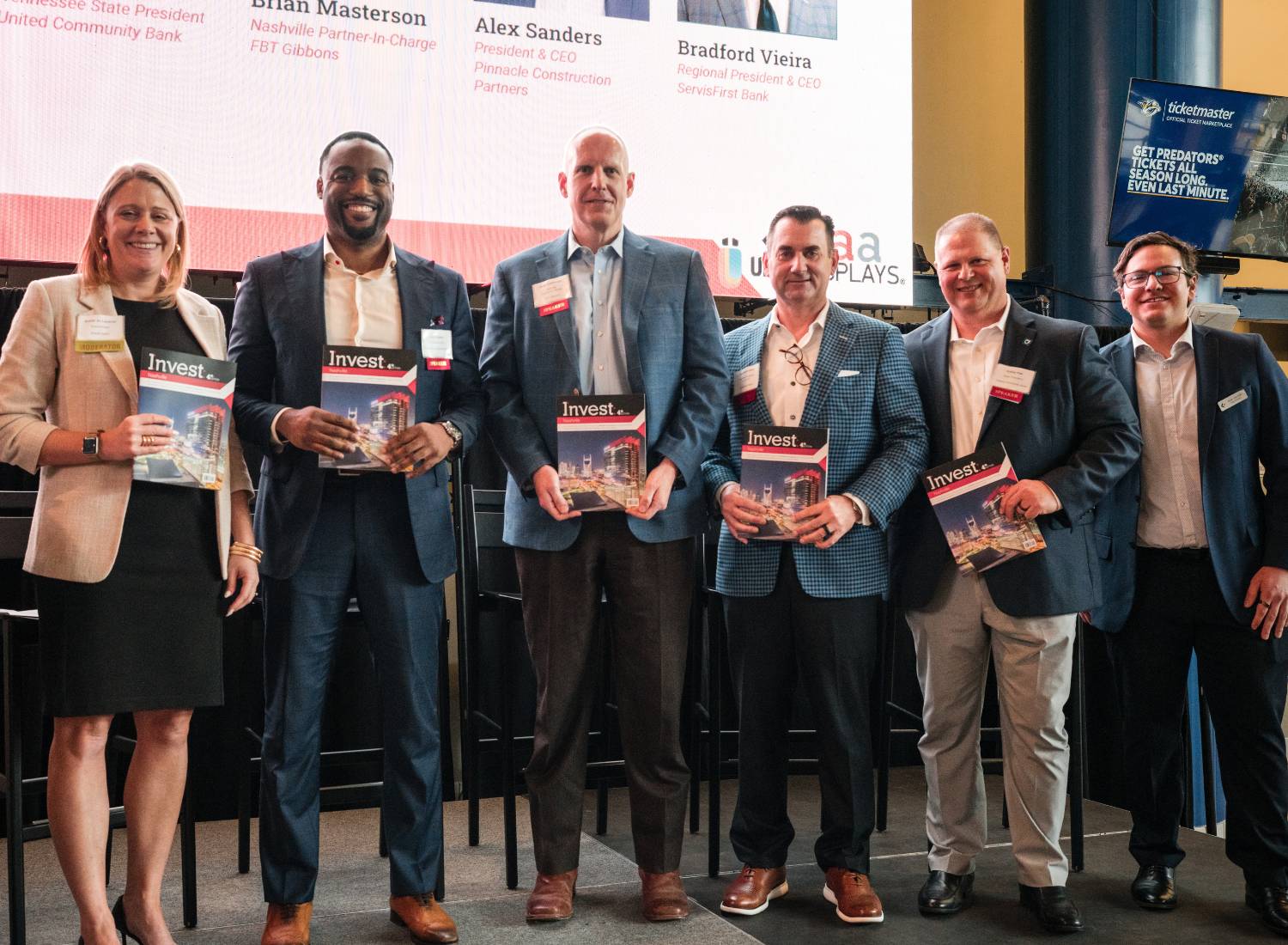
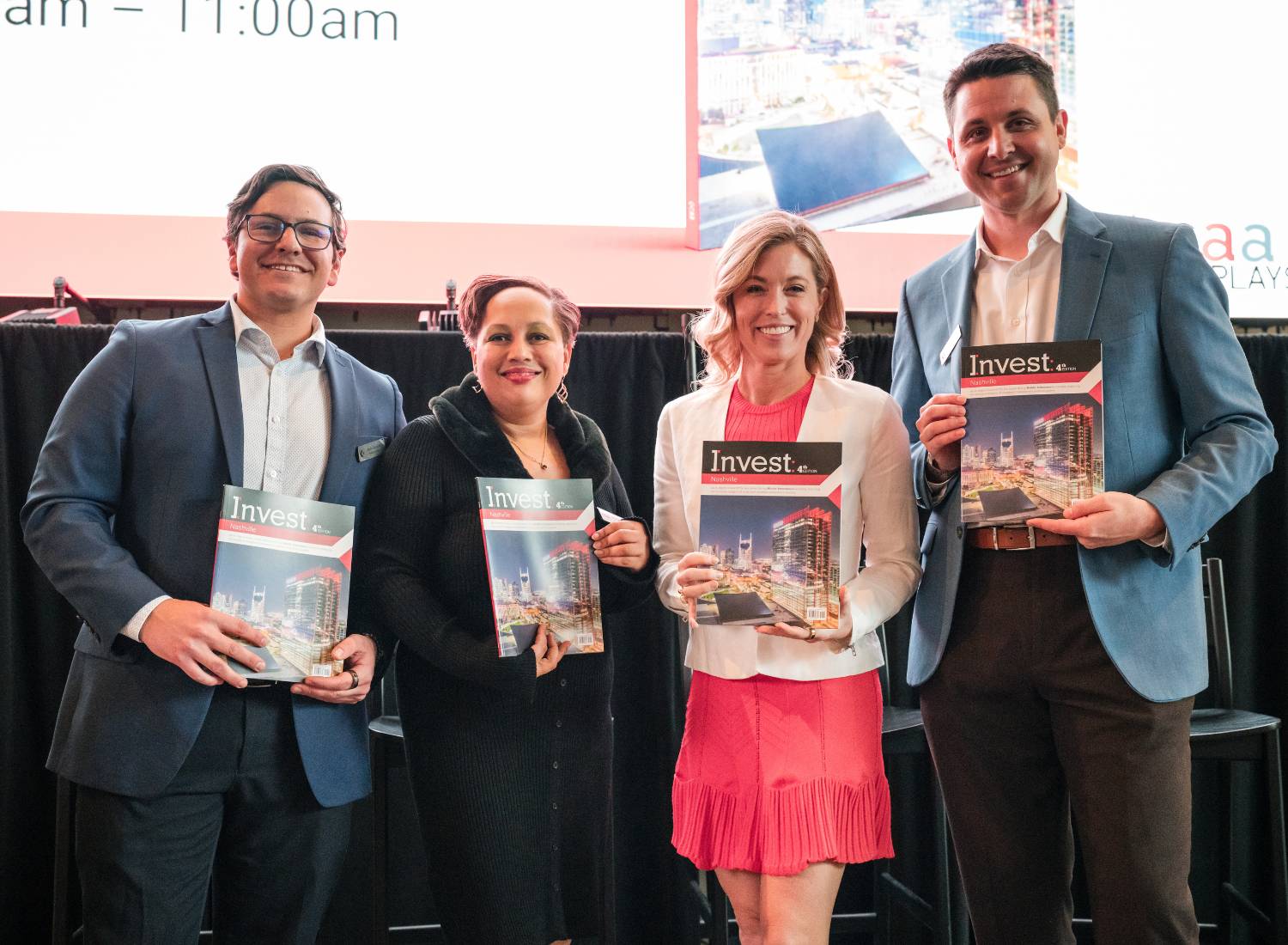
Invest: Nashville 4th Edition Leadership Summit – Photo Gallery

Take a look at all the photos and videos from Invest: Nashville 4th Edition Leadership Summit!

Stay tuned for the summit videos here.

Nashville Nashville Nashville Nashville Nashville Nashville Nashville Nashville Nashville Nashville Nashville Nashville Nashville Nashville

Erin Silk, President and CEO, Sarasota County EDC

Erin SilkMarch 2026 — In an interview with Invest:, Erin Silk, president and CEO of Sarasota County EDC, detailed the region’s remarkable growth and strategic initiatives fueling its economic expansion. “The outlook for Sarasota County is very strong and progressing rapidly, which is truly exciting,” Silk said. She highlighted the powerful combination of significant in-migration of talent and targeted efforts in high-potential sectors like the ocean economy, also emphasizing the uniquely collaborative local business environment as a key accelerant for innovation and partnership.

Looking back over the past year, what changes or initiatives have most shaped the EDC’s focus and strategy, and what are your main goals moving forward?

We have positive momentum in Sarasota, with an influx of new residents, including experienced founders and entrepreneurs from places like Silicon Valley. People are drawn to our quality of life, excellent schools, and higher education. This attracts expertise and industries not typically associated with Sarasota.

We launched an initiative with Mote Marine Laboratory and Aquarium, particularly its new Mote SEA education center and aquarium, which opened recently. It offers interactive labs for children, providing hands-on learning in ocean technology, marine science, and AI for every student in Sarasota and Manatee counties. This supports our ocean economy initiative, aiming to make our region the Silicon Valley of the blue economy.

Mote’s research, including coral restoration, red tide mitigation, antibiotic resistance, and cancer cell research, is licensable, and we’re working to attract companies to commercialize it locally. Mote’s redevelopment project will add 95,000 square feet of research and development space.

Additionally, our tech talent is growing, with Sarasota ranked as the fastest-growing MSA and top for 25- to 34-year-old in-migration in Florida. To harness this, we’re launching a digital tech and innovation hub next week, showcasing tech companies, funding, venture capital, and meetups to grow our ecosystem.

How do you view Sarasota County’s economic competitiveness?

LendingTree ranked the Sarasota-Manatee metropolitan statistical area as the No. 3 fastest-growing metro in the country. In the past 10 years, Sarasota County has created 6,500 new businesses, 38,000 new jobs, and added almost $10 billion in GDP growth. Our economy is on a fast track, fueled by an in-migration of talent and workforce.

The Tampa Bay Partnership ranked Sarasota County No. 1 in Florida for young professional in-migration among 25- to 34-year-olds. Hire A Helper ranked us No. 1 in the United States for net college-educated workforce. Lightcast reported us as No. 7 for talent attraction and No. 5 for high-earning job growth.

It’s an exciting time for the Tampa Bay region, with similar positive trends in Tampa and St. Petersburg. We’ve more than doubled the number of tech companies in the Sarasota-Manatee region, and average tech wages have risen from around $60,000 in 2020 to between $120,000 and $130,000. This reflects more expertise, experience, and technical jobs, which is great news for our community as it creates strong career pathways and high-paying opportunities.

How is the EDC collaborating with local partners to strengthen the talent pipeline?

Sarasota’s small-town feel fosters remarkable connectivity, allowing us to advance initiatives quickly. Most residents aren’t originally from here, bringing diverse expertise and experience from elsewhere. This makes them highly invested in our community and eager to participate and give back in ways I haven’t seen in other places.

Businesses from other regions often note Sarasota’s unique level of cooperation. For example, we recently hosted a tech and innovation event highlighting companies that launched or received investment here. Five partners — the EDC, Bridge Angel Group, CEO Forum, Suncoast Venture Studios, and Ro Brady Design — are collaborating to bring our members together. We want them to mingle, share ideas, launch projects, and invest in one another.

Sarasota lacks territorial barriers; people are open to collaboration, creating a vibrant environment for innovation and partnership.

What’s your outlook for Sarasota County’s economy over the next two to three years, and what goals and priorities will guide your approach?

The outlook for Sarasota County is very strong and progressing rapidly, which is truly exciting. We will continue to attract an educated, qualified workforce and families drawn to our exceptional quality of life. Our mission is to elevate Sarasota’s brand to major hubs like Silicon Valley and New York City, where people seek the lifestyle we offer. This vibrant momentum ensures a robust economy, as we actively promote our community’s unique appeal to those looking for a high quality of life.

Want more? Read the Invest: Tampa Bay report.

Spotlight On: Juan Laginia, General Manager, InterContinental Houston

Key points:

  • • Travel demand in Houston is balanced across leisure, business, and group segments, supporting steady hotel performance.
  • • Guests increasingly expect personalized and experiential stays rather than just accommodation.
  • • Houston’s medical center, cultural districts, and major venues continue to drive diverse travel demand.

Juan Laginia spotlight onMarch 2026 — Invest: spoke with Juan Laginia, general manager of the InterContinental Houston, about shifting traveler expectations, experiential luxury, and how Houston’s economic mix is shaping demand across leisure, business, and group segments. “Demand has been steady across leisure, business, and group travel. We are not seeing a single segment outperform while others lag. Most segments are performing well, and that balance matters because it creates a healthier, more resilient business model,” Laginia said.


Join us at caa’s upcoming leadership summits! These premier events bring together hundreds of public and private sector leaders to discuss the challenges and opportunities for businesses and investors. Find the next summit in a city near you!


Over the past year, what changes in travel demand or guest behavior have had the greatest impact on InterContinental Houston’s performance?

This past year has been a strong but disciplined period of growth for IHG as a global company, reflecting a broader recovery and maturation across the hospitality industry. What stands out is that demand has been steady across leisure, business, and group travel. We are not seeing a single segment outperform while others lag. Most segments are performing well, and that balance matters because it creates a healthier, more resilient business model.

From a company standpoint, IHG continues to strengthen its brands and expand its global footprint. That is happening through continued development and also through new brand acquisitions that broaden our portfolio and capture new consumer preferences. We also continue to see growth in key geographies, which helps reinforce IHG’s position as one of the most global hotel companies in the world.

At the same time, industry travel experts are reporting that travel volume has returned to pre-2019 levels. The difference is in how people are traveling and what they expect. Travelers are prioritizing personalization, value, and experiential travel, and that last piece is the trend with the most momentum. It is no longer just about going to Houston, New York, Los Angeles, or Miami. It is about what you will experience while you are there.

That mindset shows up in both leisure and business travel. People want the trip to feel more intentional. They want the hotel to help shape the experience, not just provide a room. And in markets like Houston, it has been encouraging to see the resurgence of domestic travel and convention demand, which strengthens performance for properties that can serve multiple segments.

How do you scale that level of personalization for guests while operating a large, high-volume luxury property?

We are proud of the transformation we have made across several areas of the hotel to adapt to what travelers value now. We completed a renovation of the hotel lobby, our Naturalist Bar, and the Club InterContinental Lounge. We also relaunched our Mediterranean restaurant called Ayla. These investments are not just about aesthetics. They are about creating spaces that help people connect to the destination and feel like their stay has meaning.

We have also taken steps that address wellness and comfort in a more targeted way. We partnered with Pure Wellness to offer an entire floor of guest rooms designed to provide an additional layer of anti-allergenic protection. The rooms include surface treatments, additional air purification, and extra filtration in the shower system to reduce exposure to chlorine or other allergens. For guests who are sensitive to allergies, or for anyone who wants an extra level of protection while traveling, those rooms offer a meaningful option.

Another initiative is the Concierge Gallery, which is a newer feature for InterContinental hotels and something we are among the first to implement. The idea is to open up a space in the lobby that serves as a point of discovery for local culture. It helps connect guests to Houston through curated recommendations and partnerships. Guests can learn about local businesses, activities, and experiences that reflect what the city actually is, not just what a list online might suggest.

That matters because personalization is not simply giving guests more choices. It is having curated, relevant options based on who the guest is and what they are trying to do. Everyone has Google. A guest can search for a restaurant and get a recommendation. But what they do not get from a search result is context.

For example, there may be a restaurant that looks perfect online, but it does not take reservations and the line can be an hour or more. If you are traveling as a couple, you might be willing to wait. If you are traveling with two hungry kids, that is not a great plan. That kind of insight is what our team can provide.

We rely on experienced staff, including a chef concierge and a broader team of insiders, to help guests make the most of the time they have. Maybe they have one breakfast with family on a business trip. Maybe they have a narrow window before a concert or a game. Our goal is to help them have the best possible experience in the time available.

Business trips do not look the same as they did ten years ago. Guests are trying to squeeze in an extra day for leisure or carve out time for a dinner or breakfast outside the business agenda. They want something for themselves. Hotels that can help connect guests to those experiences are better positioned for where travel is going.

How does the hotel’s location near the medical center, cultural districts, and major venues influence your business mix and long-term strategy?

Location is important in hospitality. When you look at a map of Houston, we are strategically located in a way that connects guests to several key parts of the city. We are close to major shopping and business districts, and we are also positioned near the port and other regional drivers that impact travel and group movement.

Most importantly, we are in the heart of the medical center area. The Texas Medical Center is the largest medical center in the world, and the amount of activity there is constant. You have hospitals, research institutions, and educational organizations operating at scale every day. There is demand from patients and families, but there is also significant demand from the business side. The medical center is a major business district by itself, and it drives travel from researchers, healthcare executives, medical device and pharmaceutical partners, educators, and trainees.

Each hospital is linked to an educational institution, so you often see teaching partnerships and training programs that bring people to Houston for extended periods. That creates a long-stay component and a steady flow of professional travel, as well as periodic surges tied to conferences, major meetings, and medical events.

But the area is about more than medical business. Within a short distance, you also have the Museum District, major universities, Hermann Park, the Houston Zoo, and major venues like NRG Stadium, which we tie into not only by proximity but by offering unique food and beverage experiences that become an extension of their event. That means a guest can come for medical or business reasons and still have easy access to cultural and entertainment experiences. For us, that expands the business mix and supports a long-term strategy built around serving multiple guest needs at once, which is increasingly what travelers want.

How is the InterContinental continuing to evaluate sustainability and update processes accordingly?

Sustainability is no longer optional. Years ago, companies might ask about green initiatives, and it was a plus if you had them, but it was not always expected. That has changed. Today, sustainability is directly aligned with guest expectations and investor expectations. At IHG, our environmental work is guided by the Journey to Tomorrow framework, which addresses carbon reduction, water stewardship, and responsible sourcing, among other priorities. For hospitality, that means being proactive about how we operate and how we contribute to long-term goals that matter to travelers, partners, and the community.

What makes you optimistic about 2026 for IHG and the industry?

Looking ahead, IHG expects continued system growth, strong conversions, and solid performance. The hospitality industry is projecting steady growth in 2026, with luxury and experiential segments outpacing other segments. In Houston, we are well positioned for moderate but steady growth supported by business travel and major sport and entertainment events.

We are seeing that people are spending money again on experiences. In the past, someone might have thought twice about a concert or a special exhibit. Now, more travelers are choosing those moments. And when you are located near venues, museums, and cultural districts, you can support that demand in a meaningful way.

Overall, we are entering the next year with strong momentum. We have a resilient platform, and we are aligned with the evolving demands of modern travelers, particularly in high-growth markets like Texas and Houston.

Want more? Read the Invest: Houston report.