

Take a look at all the photos and videos from Invest: Pittsburgh 3rd Edition Leadership Summit!
Stay tuned for the summit videos here.
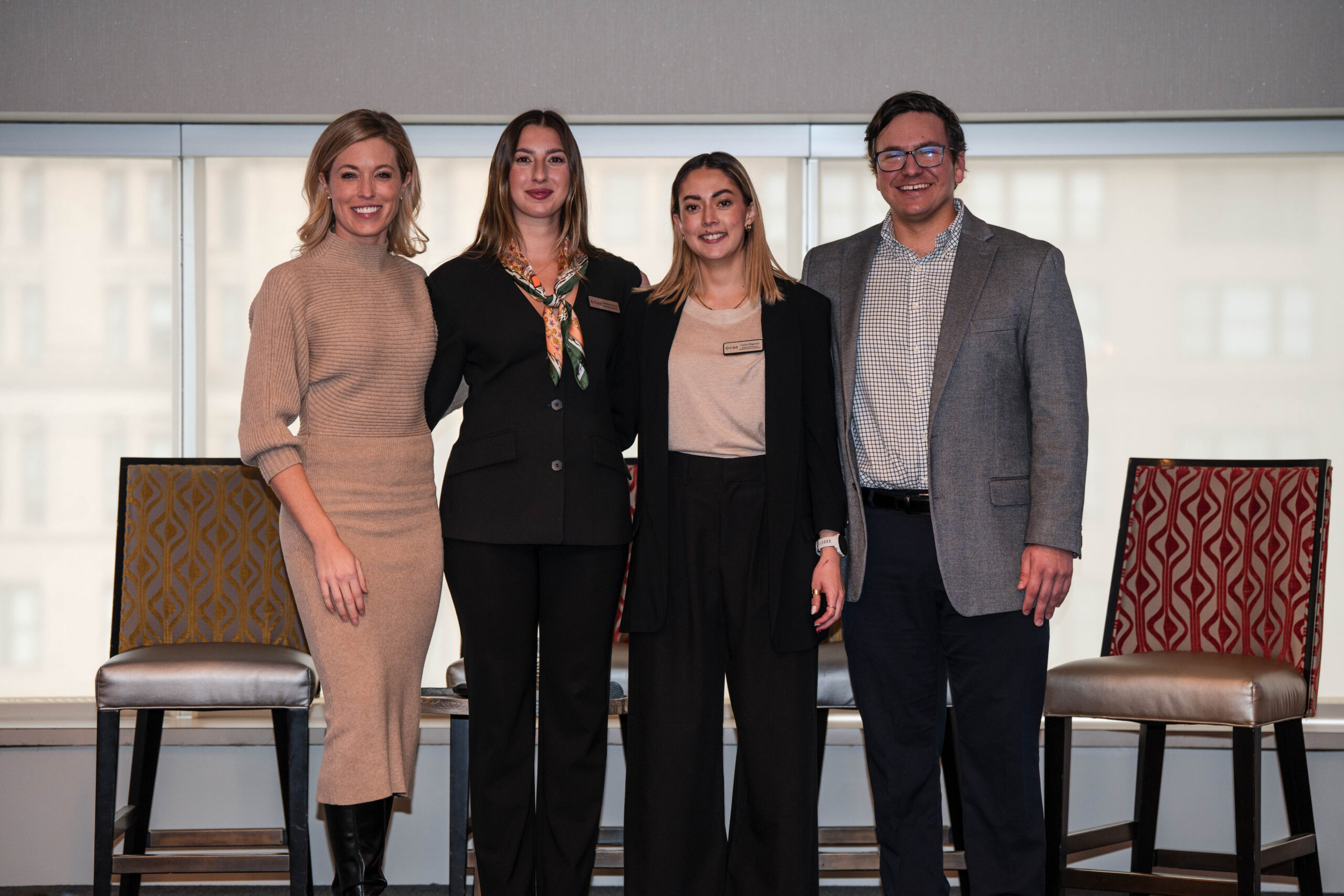

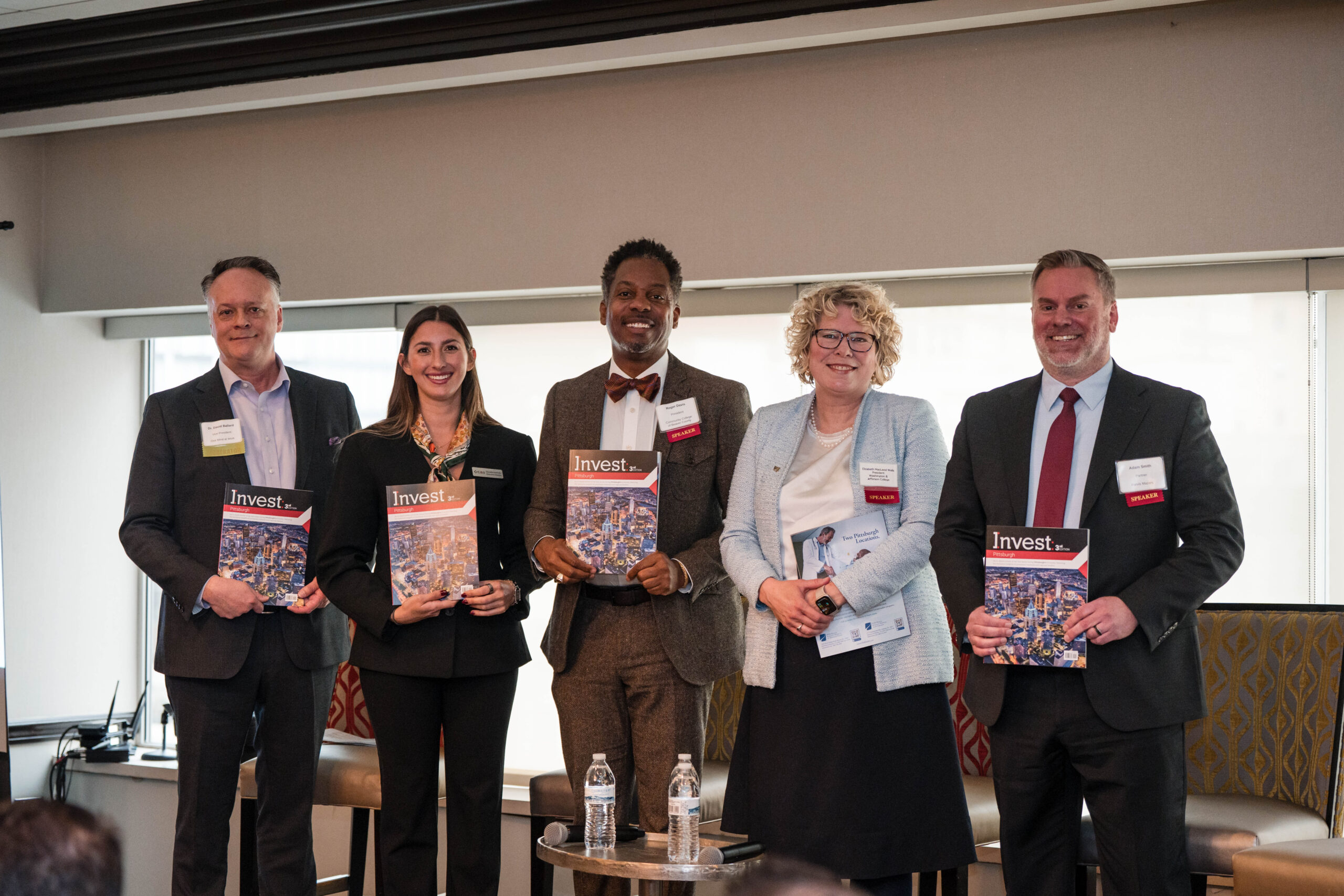
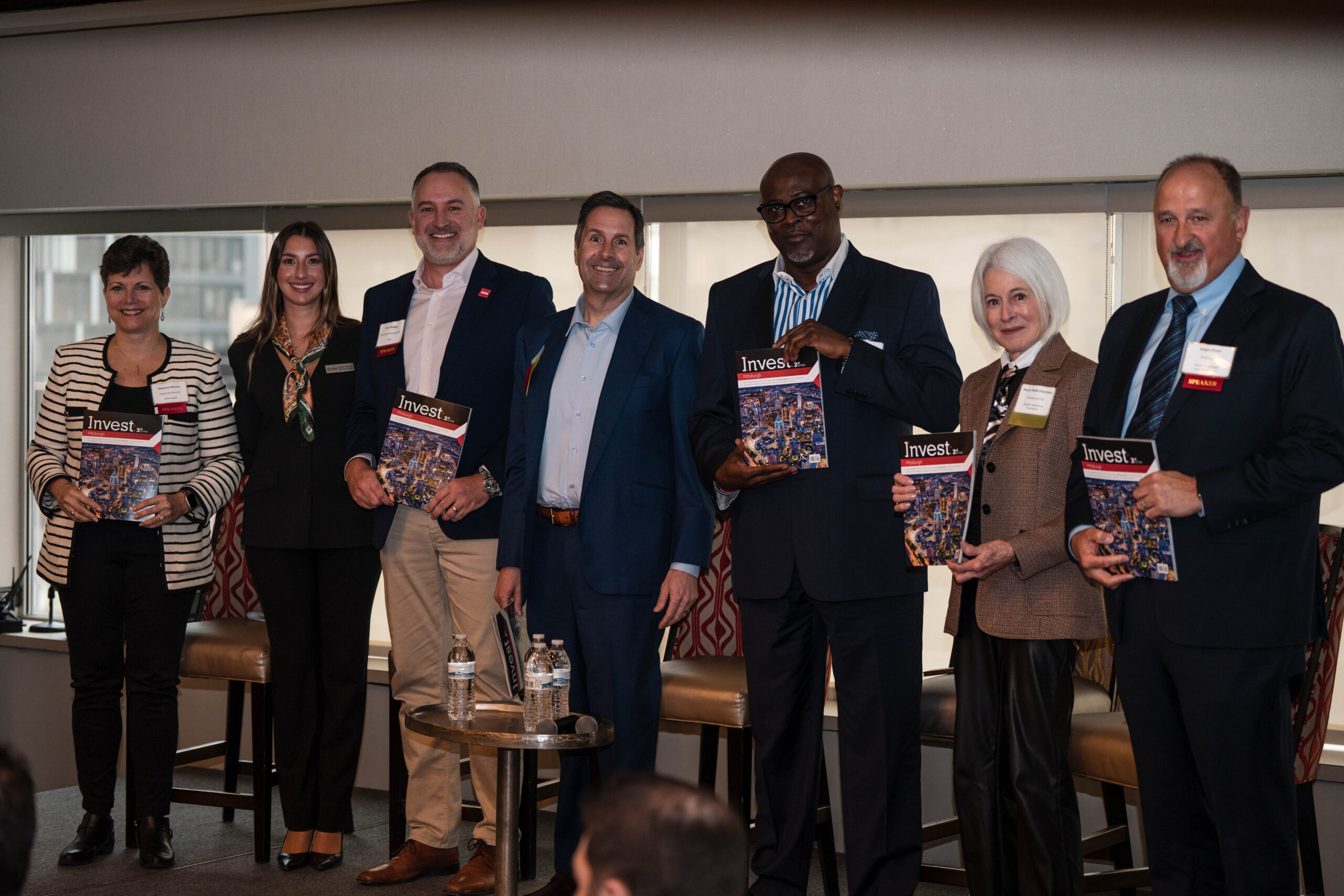

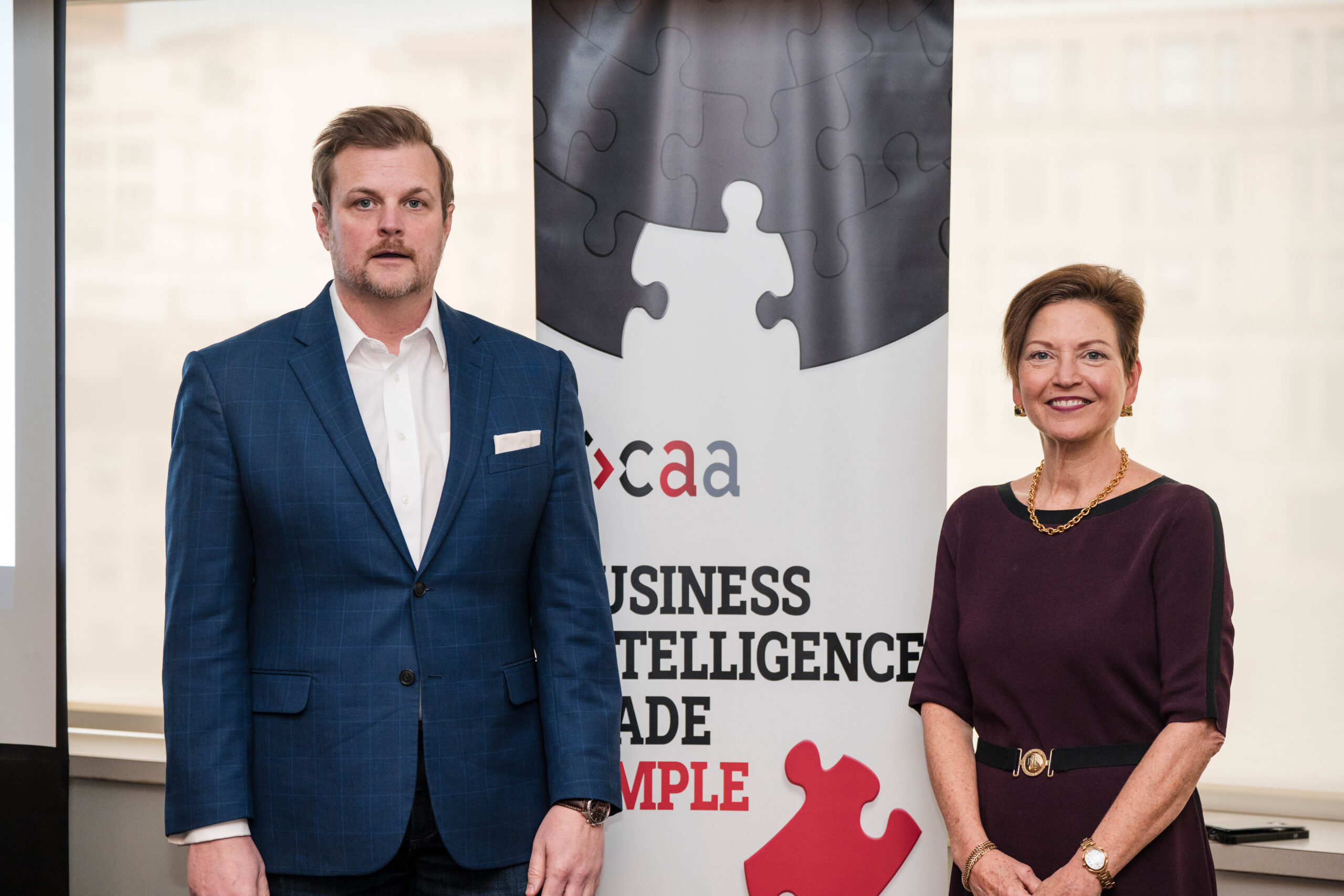
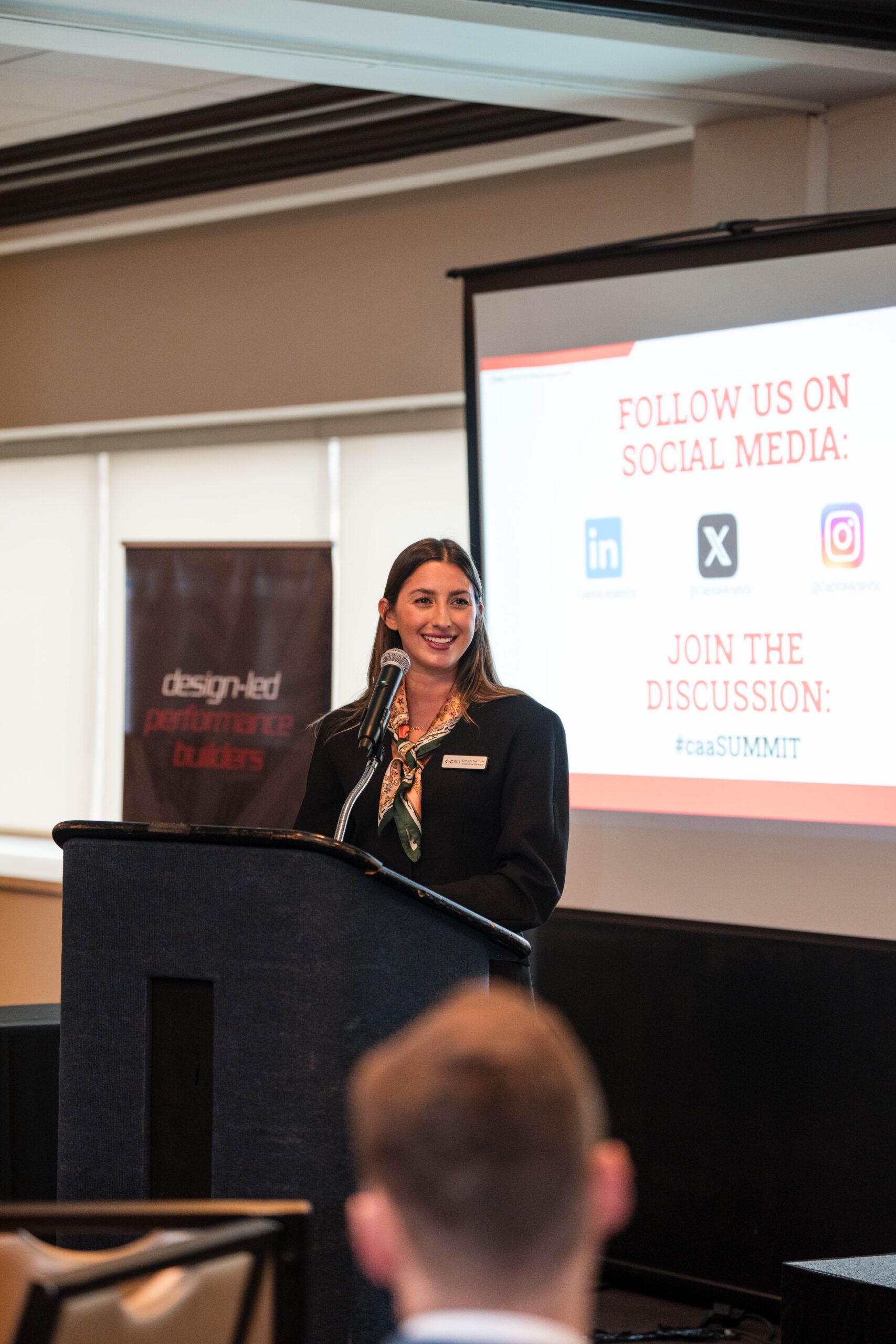
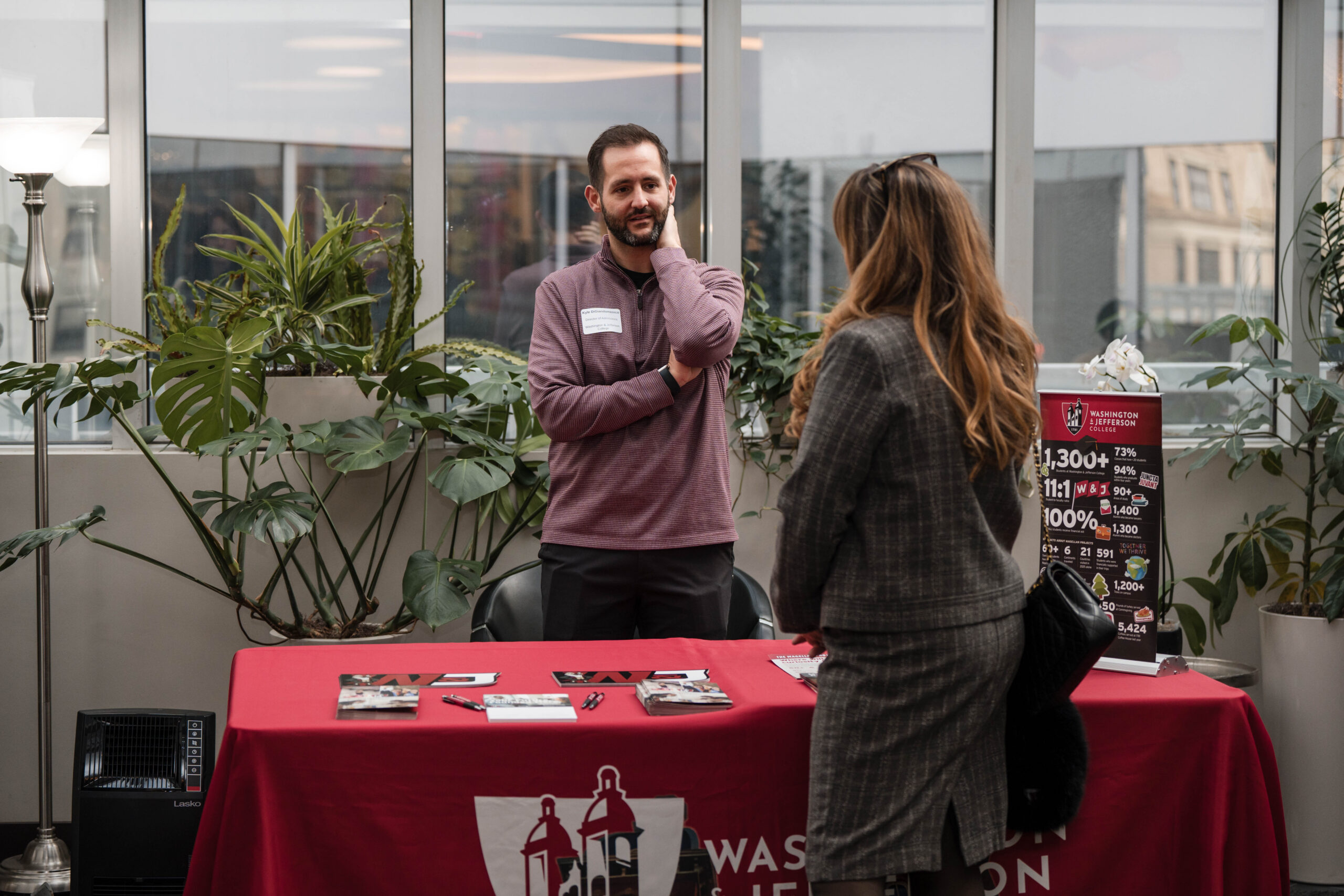
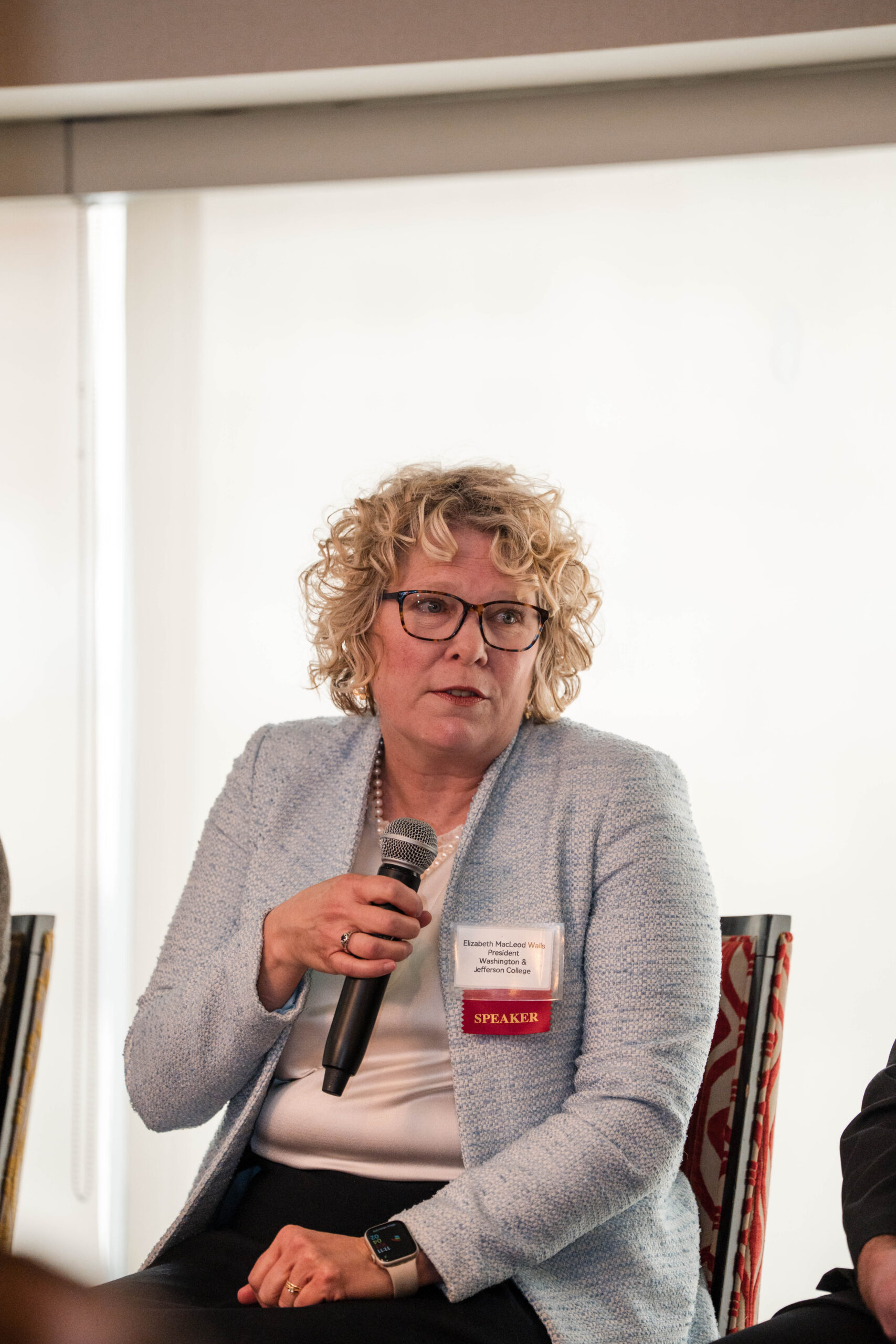
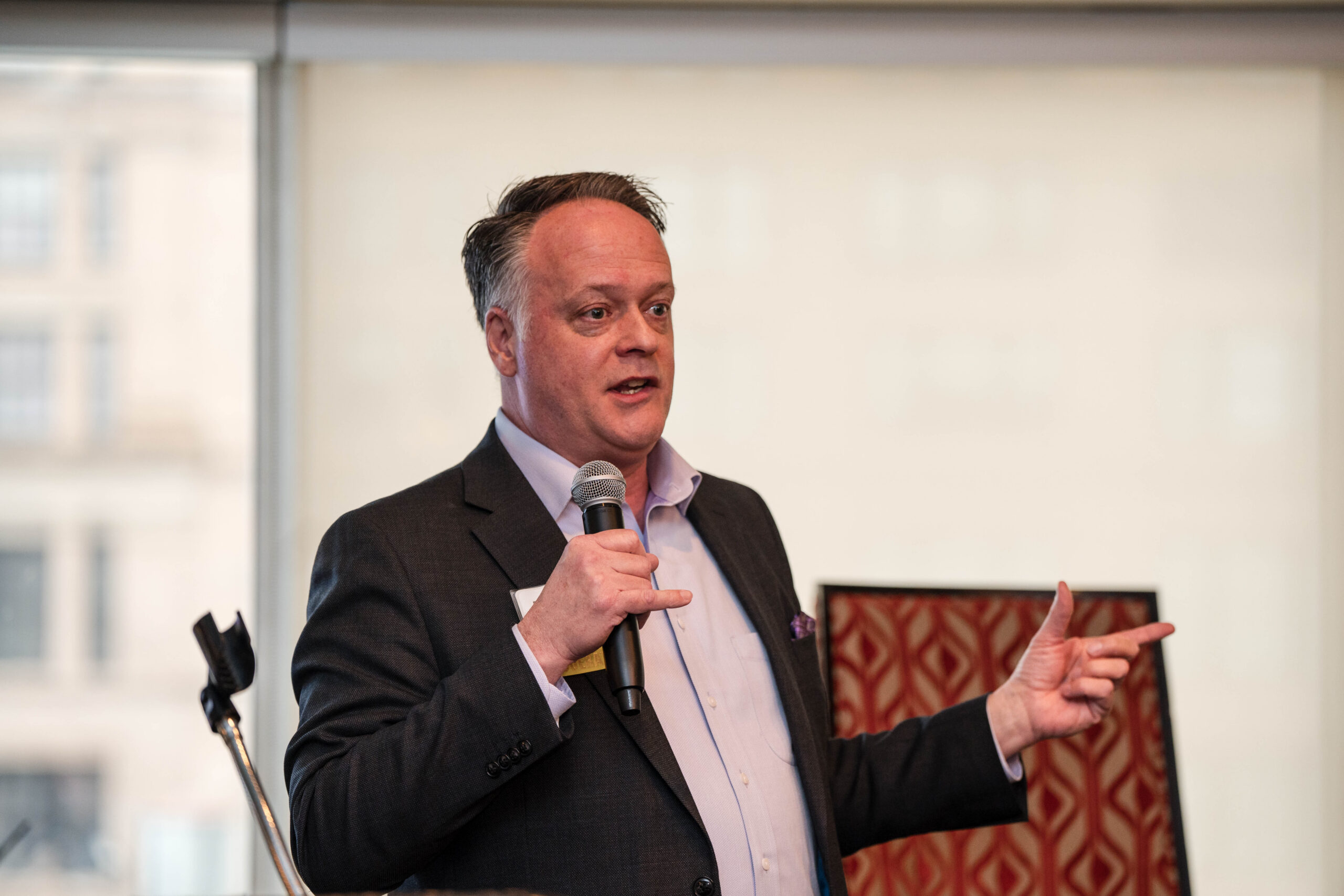
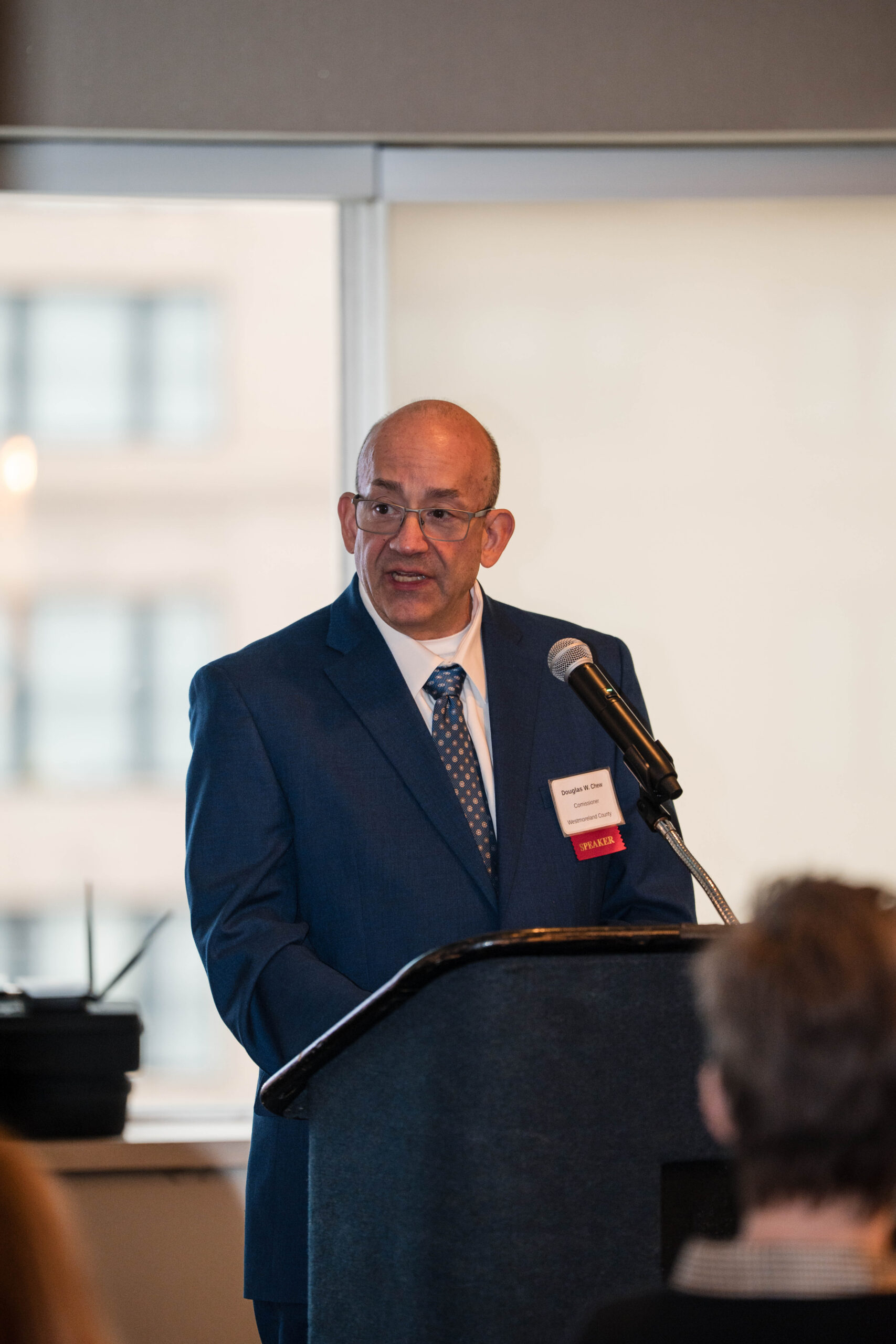
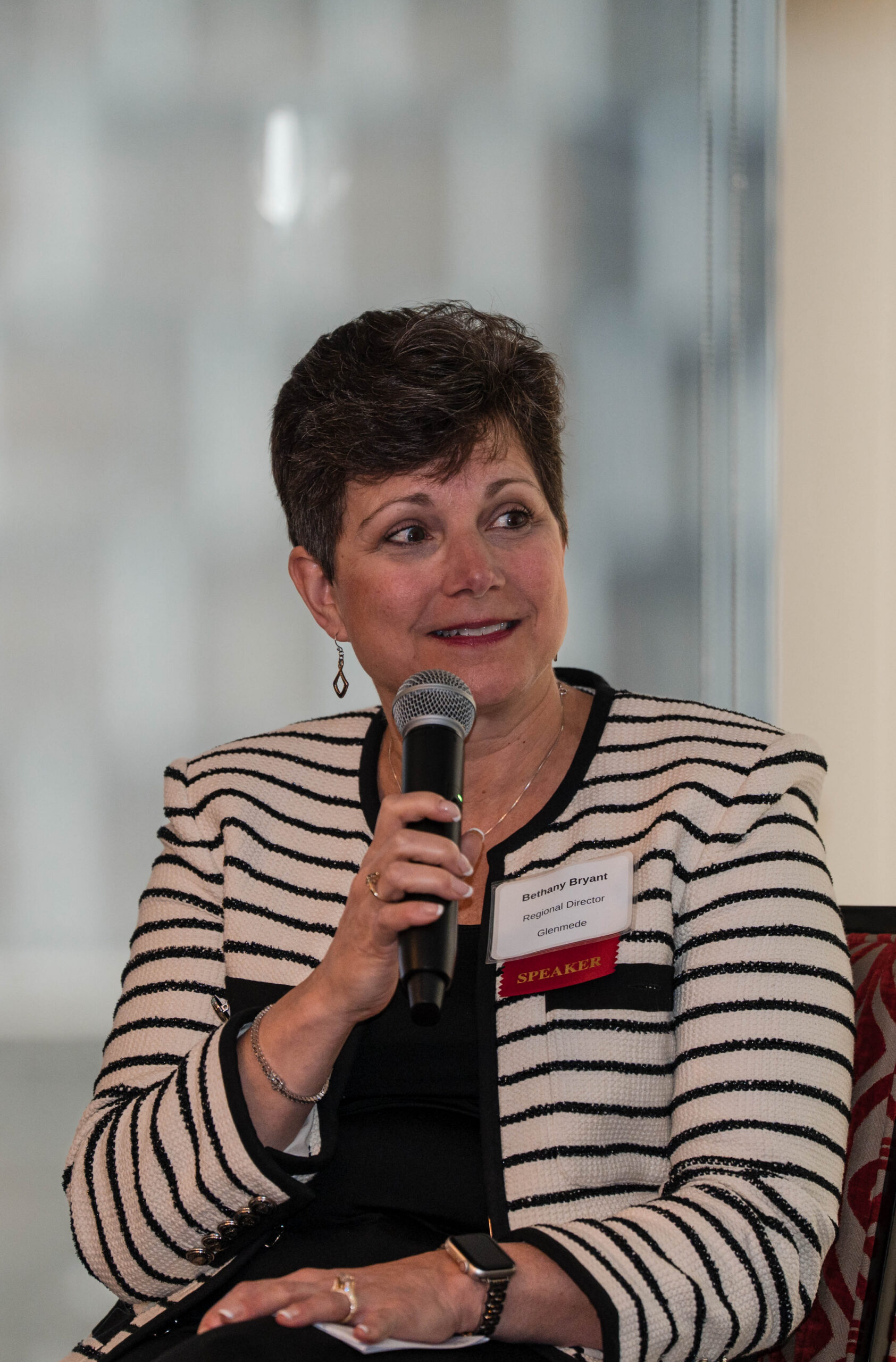
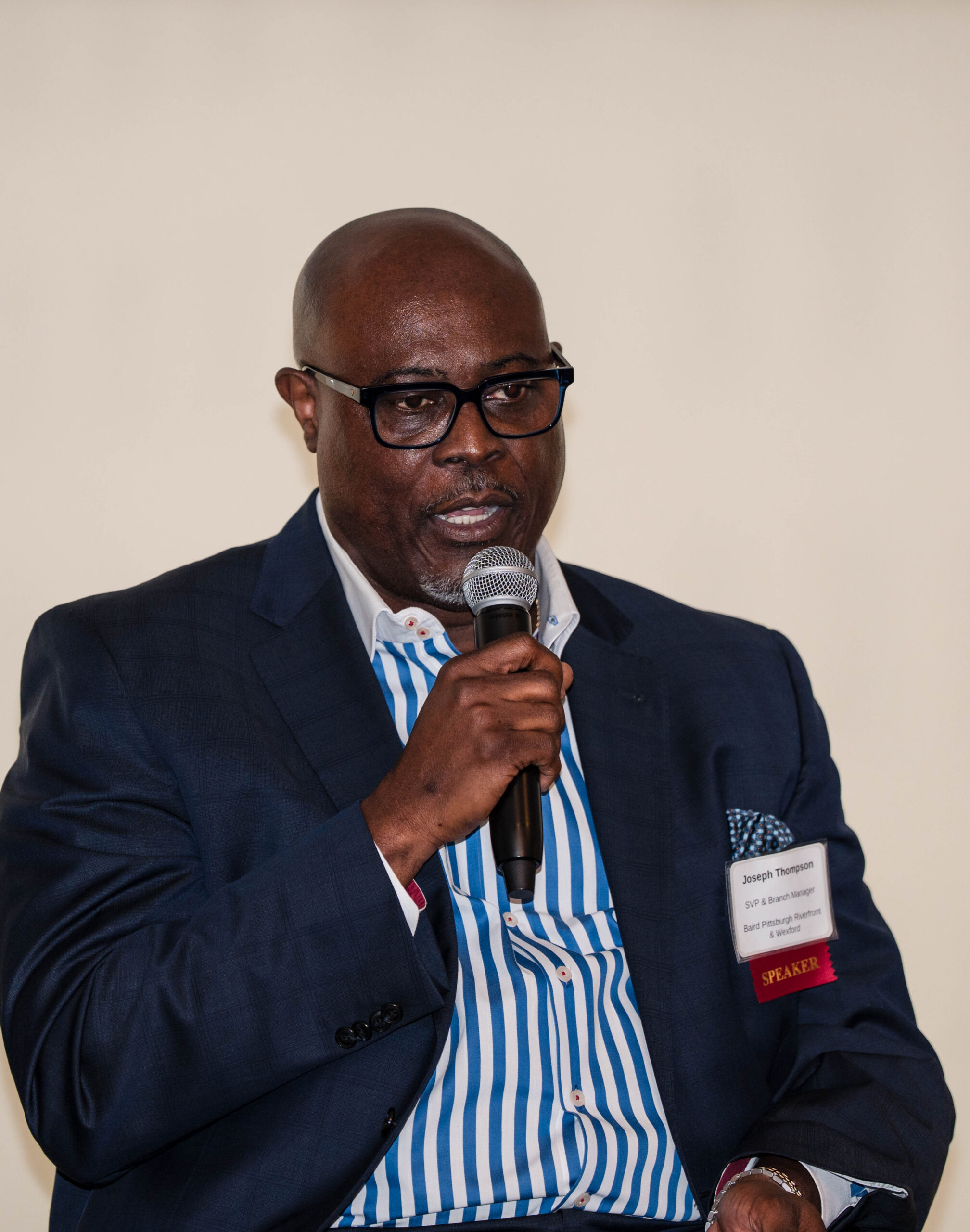

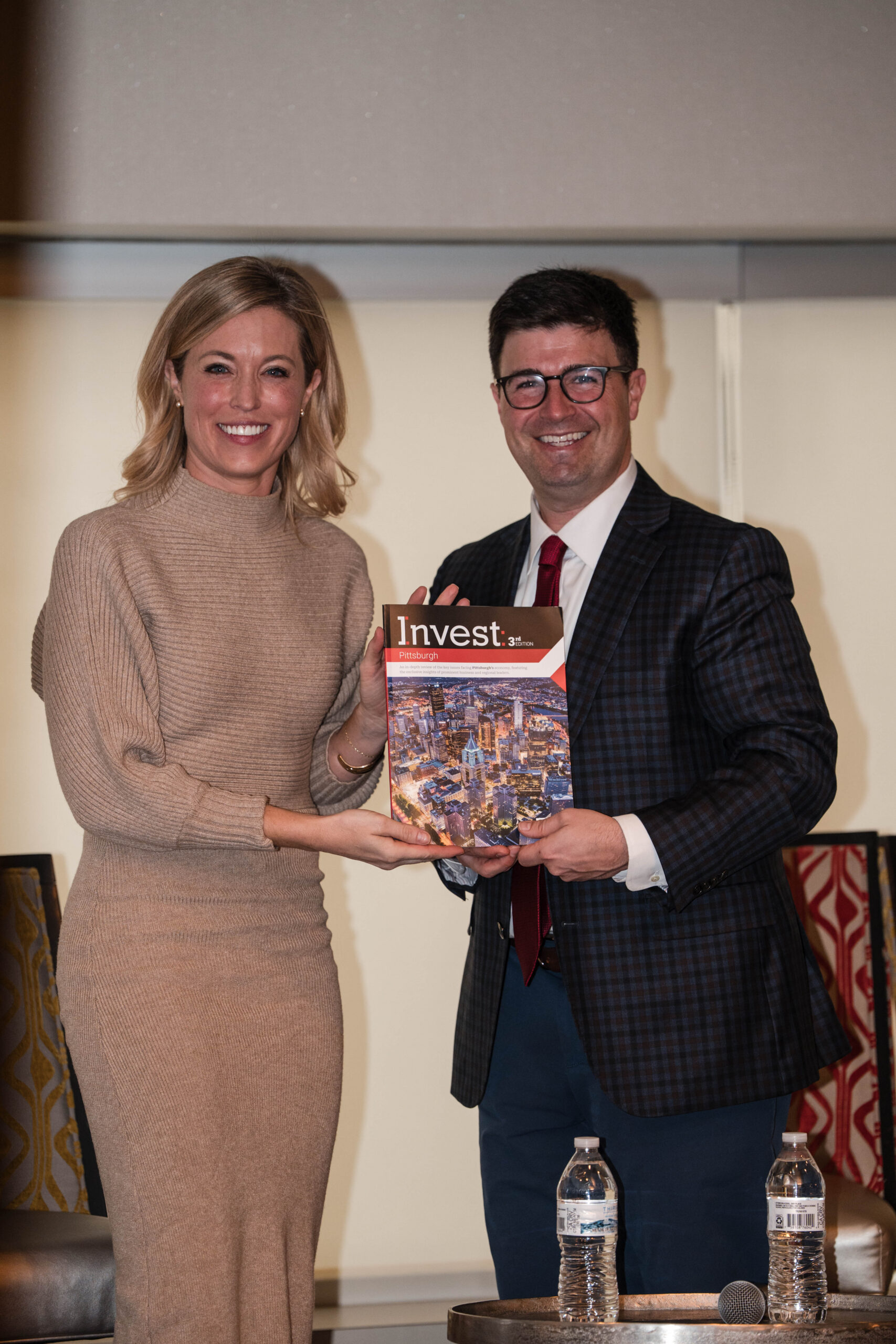
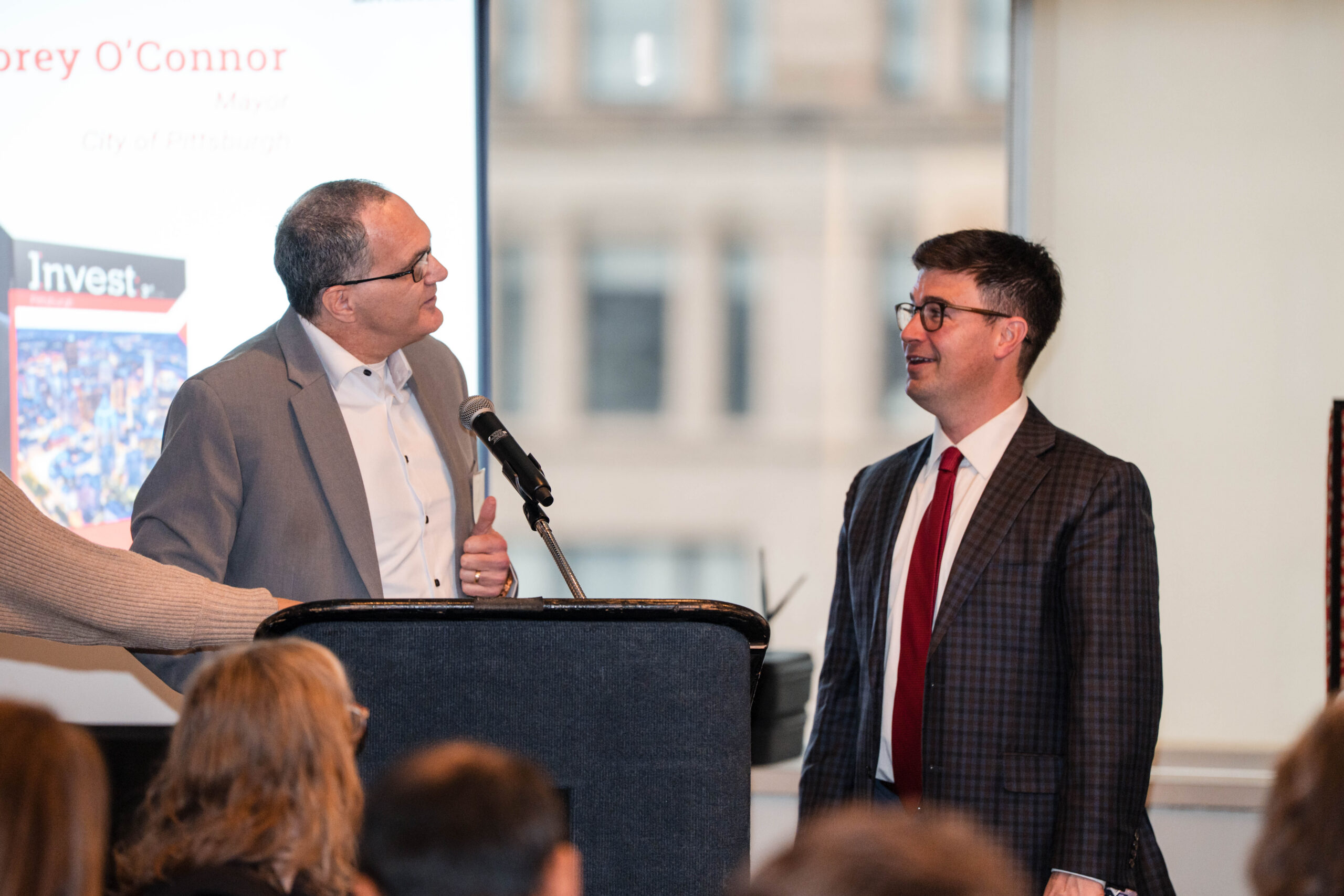

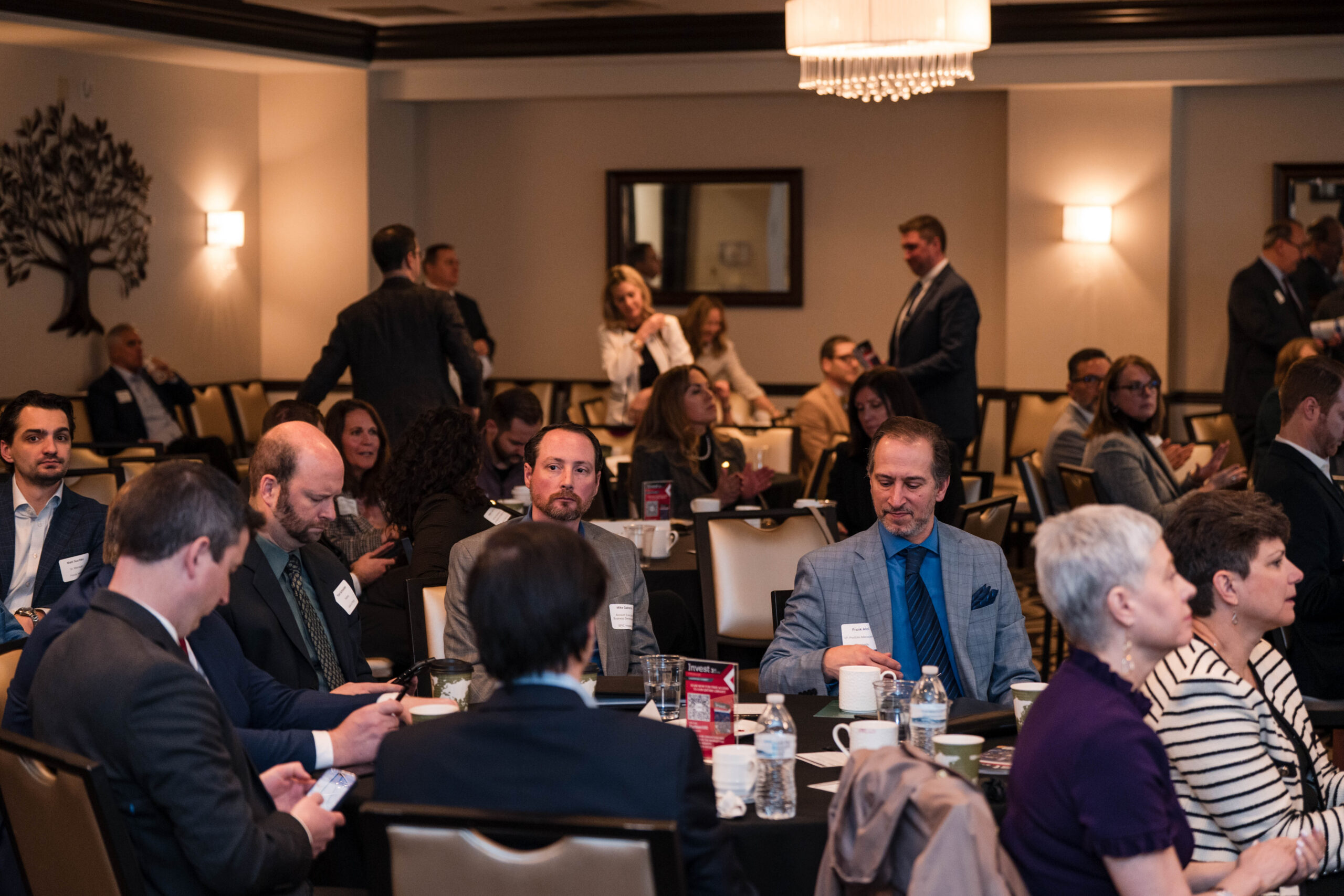





Take a look at all the photos and videos from Invest: Pittsburgh 3rd Edition Leadership Summit!
Stay tuned for the summit videos here.
Key points:
 March 2026 — Apple has expanded its northwest Harris County manufacturing facility, adding production of the Mac mini and opening a 20,000-square-foot Advanced Manufacturing Center, according to the Greater Houston Partnership. The move builds on the company’s $600 billion U.S. investment plan and doubles its footprint in the Greater Houston region.
Join us at caa’s upcoming leadership summits! These premier events bring together hundreds of public and private sector leaders to discuss the challenges and opportunities for businesses and investors. Find the next summit in a city near you!
The 250,000-square-foot facility also assembles American-made artificial intelligence servers designed to support Apple Intelligence and Private Cloud Compute, the company’s AI systems that process data for iPhones, iPads, and Macs. Shipments of those servers began in late 2025, several months ahead of the plant’s originally scheduled 2026 opening, with units installed in Apple data centers across the United States.
“Our teams have done an incredible job accelerating work to get the new Houston factory up and running ahead of schedule, and we plan to continue expanding the facility to increase production,” Sabih Khan, Apple’s chief operating officer, said in a statement.
Part of a $600B domestic investment plan
The Houston plant is part of Apple’s multiyear U.S. investment plan.
In February 2025, Apple announced plans to invest more than $500 billion in the United States over four years, spanning advanced manufacturing, silicon engineering, artificial intelligence, research and development, and workforce training. In a subsequent press release in August, the company raised that figure to $600 billion under its American Manufacturing Program.
Apple said it plans to hire 20,000 people nationwide over that period, primarily in research and development, silicon engineering, software development, and artificial intelligence and machine learning roles. The company also said it supports more than 450,000 supplier and partner jobs across all 50 states.
The Houston plant represents one of the first visible production milestones under that expanded commitment.
Workforce and regional footprint
Apple said the Houston facility is on track to create thousands of jobs, including construction and on-site roles. While the company has not provided a specific headcount, Apple is working with Houston City College to recruit and hire local talent, according to the Houston Chronicle.
In Texas, Apple employs more than 13,000 team members, primarily in Austin. The company operates multiple office buildings there totaling more than 1 million square feet, with additional research and development space under construction.
Supply chain realignment and tariff pressure
The expansion comes amid continued political pressure to increase domestic manufacturing. In May 2025, President Donald Trump threatened tariffs of up to 25 percent on products manufactured overseas. Apple previously said tariffs cost the company $800 million in the June quarter.
Most iPhones remain assembled outside the United States. Roughly 80% of iPhones sold domestically are manufactured in China. Apple has indicated that final iPhone assembly will continue overseas for now.
Manufacturing partner Foxconn is involved in the Houston server project. Foxconn also builds hardware for AI chipmaker Nvidia, which is developing its own AI-related operations in Houston.
The Houston facility assembles servers. Semiconductor fabrication for Apple products occurs at separate facilities, including lol
Building a domestic silicon ecosystem
As part of its American Manufacturing Program, Apple said it is building what it describes as an end-to-end silicon supply chain in the United States.
The company said the U.S. silicon supply chain is on track to produce more than 19 billion chips for Apple products in 2025. Apple is the largest customer at TSMC’s Fab 21 facility in Arizona, which employs more than 2,000 workers.
Apple also announced partnerships with companies including Corning, Texas Instruments, GlobalWafers America, Applied Materials, Samsung, GlobalFoundries, Amkor, and Broadcom to expand U.S.-based component and semiconductor production.
Within that broader ecosystem, the Houston plant focuses on final server assembly rather than chip fabrication.
AI infrastructure and data center expansion
Servers built in Houston will be installed in Apple data centers across the United States, according to Reuters.
In 2025, Apple also announced plans to expand data center capacity in North Carolina, Iowa, Oregon, Arizona, and Nevada. The company’s Maiden, North Carolina, facility operates on 100% renewable energy sourced from Apple-created regional projects.
Artificial intelligence infrastructure increases electricity demand. Data centers require sustained power to support cloud computing and AI workloads.
Apple said it paid $19 billion in U.S. taxes in 2024 and more than $75 billion over the past five years. The company said it supports 2.9 million jobs nationwide through direct employment, suppliers, and the iOS app economy.
With shipments now underway, Houston has shifted from construction site to production node within Apple’s expanding domestic AI infrastructure network.
Want more? Read the Invest: Houston report.

Key points:
 March 2026 — Manufacturing reshoring is no longer a distant possibility; it is actively reshaping industrial markets across the United States, including Miami and South Florida. After decades of offshoring in pursuit of lower labor costs, companies are bringing production closer to home in response to mounting global supply chain risks and shifting economic realities.
Join us at caa’s upcoming leadership summits! These premier events bring together hundreds of public and private sector leaders to discuss the challenges and opportunities for businesses and investors. Find the next summit in a city near you!
For years, offshoring appeared to be the only way to stay competitive. However, global supply chains have become increasingly unpredictable and unreliable. A staggering 96% of major container ports are reporting operational delays, with vessel on-time arrivals dropping to just 58.7%. When parts cannot arrive on schedule, production stalls. As a result, bringing manufacturing back to the United States is no longer simply a patriotic idea; it has now become a strategic imperative.
The New Economics of Risk and Reliability
The resurgence of American manufacturing has been described as a “quiet revival.” According to ALTIOS, reshoring is now viewed as a practical operational shift driven by supply chain pressure, new manufacturing opportunities, and a different understanding of risk. In 2024 and 2025, many companies realized that keeping production far from U.S. customers exposed them to tariffs, geopolitical uncertainty, and supply chain disruptions that negatively impacted service levels and margins.
Reshoring is fundamentally about bringing production closer to the end market. It is not an ideological move but a supply chain decision grounded in cost, reliability, and risk management. Rather than relying on offshore manufacturing optimized purely for unit cost, companies are replacing distant production with domestic or more regional supply chains to ensure shorter delivery times and fewer unexpected disruptions. Disruption now costs more than distance, and supply chains that once seemed efficient are now viewed as fragile.
Lessons from the Pandemic
The COVID-19 pandemic further exposed weaknesses in global supply networks, triggering delays, shortages, and increased transportation costs. According to the DiGiacoma Group, rising labor costs in traditional overseas manufacturing centers, shifting trade policies, national security concerns, and environmental considerations have all made U.S.-based production more attractive. Companies increasingly recognize the benefits of localized production to reduce risk, ensure quality, and meet consumer and regulatory sustainability demands.
“This is more about risk management. The pandemic exposed the fragility of our global supply chain when reliant on a single region. A more regionalized model allows companies to respond more quickly when issues arise,” said Richard Thompson, international supply chain director at JLL, as cited by the DiGiacoma Group.
Industrial Real Estate Feels the Impact
As production returns, industrial real estate markets are experiencing renewed momentum. Demand for warehouses, distribution centers, and manufacturing facilities is surging in both established hubs and emerging markets. High costs and limited space in major industrial centers are pushing companies to explore secondary and tertiary markets, particularly in the Southeast and Southwest, where affordable land and proximity to transportation networks provide strategic advantages.
Why Miami and South Florida Are Positioned to Benefit
Miami and South Florida stand out in this environment. The Sunshine State’s world-class ports and logistics networks position it as a natural landing spot for companies that need to efficiently build and ship products. Florida’s booming tech sector also supplies the talent necessary for advanced manufacturing and automation, which modern factories increasingly require.
“Manufacturing plays a much larger role in Florida’s economy than many people realize. The state has roughly 27,000 manufacturing companies, ranking third nationally. Florida is number one in boat building and marine manufacturing, and ranks near the top in life sciences manufacturing. Over the past decade, manufacturing GDP growth in Florida has outpaced that of any other state. In South Florida alone, there are approximately 6,000 manufacturers, supporting a wide range of supply chains and skilled jobs,” said Matthew Rocco, president of the South Florida Manufacturers Association, in an interview with Invest: Miami.
A High-Tech Opportunity for Florida
In South Florida, this shift is expected to drive growth in medical device and electronics manufacturing, along with new facilities focused on final assembly and distribution. Increased demand for automation will further enhance port and logistics efficiency. For Florida, reshoring presents an opportunity to become a hub for high-tech, high-value manufacturing serving the entire Western Hemisphere.
Want more? Read the Invest: Miami report.
Key points:
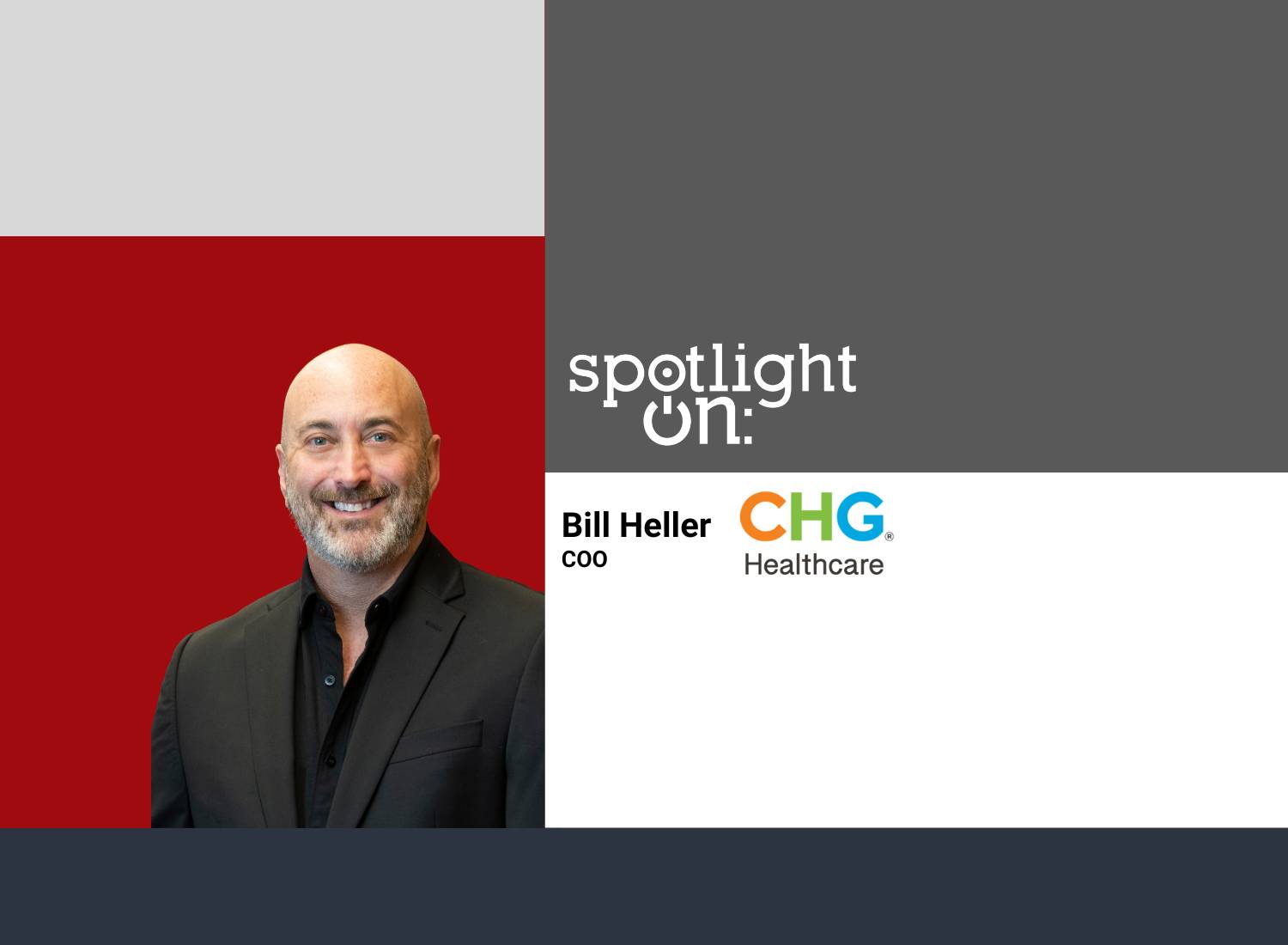 March 2026 — Invest: spoke with Bill Heller, COO of CHG Healthcare, about how AI, flexible workforce models, and physician engagement are changing the way hospitals plan for coverage, access, and long-term performance. “It is about helping our clients be better tomorrow than they are today,” Heller said, describing CHG’s shift from filling immediate gaps to supporting broader workforce strategy.
Join us at caa’s upcoming leadership summits! These premier events bring together hundreds of public and private sector leaders to discuss the challenges and opportunities for businesses and investors. Find the next summit in a city near you!
What have been the most meaningful changes across your business or the industry in the past year, and how are these shaping your priorities?
CHG is a physician workforce solutions company. At our core, we focus on physician staffing nationwide across every specialty, primarily serving hospitals, but also many other types of clients. Beyond staffing, we are focused on helping hospitals address some of the most challenging problems they face today. That includes technology solutions, advisory services, and operational support designed to help them become more efficient and effective.
One of the biggest changes has been the growing influence of technology, particularly AI. Healthcare is ripe for it. We are still at the very beginning, but technology and AI have come to the forefront in a big way. There is a dramatic physician shortage in this country and globally, and technology has the potential to make a real dent in that challenge over time.
Internally, we are leaning into technology and AI to support our workforce. We have about 1,000 employees in Fort Lauderdale and more than 4,000 across the company, not including the physicians we place nationwide. These employees support physicians through credentialing, placement, and ongoing engagement. We are investing in tools that reduce repetitive tasks and allow our teams to focus on more meaningful, complex work.
Another major focus is data. It is hard to do good tech and good AI without really clean data, so everyone is racing to make sure their data is clean and standardized. For years, organizations relied on inconsistent text fields and different processes across teams. Getting the data right is one reason progress can feel slower than expected, but it is foundational.
Healthcare also continues to be a challenging business. Hospital profitability is under pressure, legislation continues to evolve, and physician shortages are becoming more acute. We have seen concerns tied to Medicaid reimbursement and the impact those changes can have on rural hospitals in particular. All of that makes the landscape more complex, and it reinforces why technology and workforce innovation are important right now.
How are healthcare organizations rethinking long-term workforce strategy to improve access, efficiency, and patient experience?
Patient care is always the top priority for healthcare organizations. At the same time, there has been a growing recognition over the past decade that flexible workforce solutions matter. Hospitals do not want the majority of their workforce to be contingent, but flexibility is essential to managing demand and maintaining quality care.
Physicians want flexibility just like everyone else. They want more control over schedules and a better experience when they are not physically in the hospital. Hospitals are increasingly focused on designing workforce models that put the patient, the facility, and the physician at the center together.
For a long time, the focus was primarily on patients and facilities, and physicians were burning out. Burnout is one of the biggest contributors to the physician shortage. Many physicians are choosing to retire earlier or leave clinical practice because the system has become so demanding. Organizations are starting to realize that if physician satisfaction is not prioritized, the cycle will continue.
Engagement, retention, and listening to staff are becoming more important. Hospitals are improving, but they are still early in that journey compared to other industries.
Beyond short-term staffing needs, how are you supporting strategic transformation and innovation for healthcare organizations?
We are very intentional about being a workforce solutions company rather than just a staffing company. It is not simply about filling a shift. It is about helping our clients be better tomorrow than they are today, and that can show up in several ways.
That includes advisory services for hospitals that want help rethinking workforce strategy, improving scheduling models, or addressing credentialing challenges. Credentialing alone can take six to eight months in many cases. We credential thousands of providers across all specialties and can help hospitals reduce that timeline significantly.
We also partner with clients on innovation pilots. We meet them where they are and design creative programs together. That might mean longer-term staffing models that integrate physicians into a community over 12 to 18 months, rather than only short-term placements. We work collaboratively to build solutions that fit each organization’s unique needs.
Culture is another area where we help. CHG has been recognized on Fortune’s Best Companies to Work For list for many years, and we bring that experience into our advisory work. Hospitals are increasingly asking for guidance on engagement and retention, and there are often straightforward steps that can make a meaningful difference.
Where do you see opportunities to improve access to care in underserved or rural markets?
Rural healthcare remains one of the most challenging areas. These hospitals often serve populations with higher proportions of government insurance, which means lower reimbursement. At the same time, it costs more to attract specialized physicians to rural areas. That imbalance makes it difficult to sustain care delivery.
We help by providing access to specialists who might not otherwise relocate to those communities. Advisory services also play a role in helping rural hospitals think differently about staffing and operations.
Telehealth is another important part of the solution, though it is still early. Hospitals have not cracked the code on how to do telehealth the right way in a profitable, efficient model. But telehealth will continue to be a viable path for improving access to care over time, and the technology that supports telehealth will keep improving.
How are physicians thinking about flexibility, work-life alignment, and long-term career paths?
Physicians are burned out. They want to practice medicine, not spend their days buried in paperwork and bureaucracy. Many feel rushed with patients, even though what they really want is more time to provide quality care and build relationships.
They hope that advancements in AI and tech will not mean seeing more patients per day, but instead spending more time with the patients they already have, listening and delivering better care. For physicians who are on call constantly, the inability to unplug is a major issue. They are looking for creative solutions, and if they do not see those solutions soon enough, many leave clinical practice.
Some physicians move into leadership roles, become medical directors for corporate entities, or pursue entrepreneurial paths, including starting telehealth companies. Others leave medicine entirely.
One way we help is by offering flexible work arrangements through locum tenens, allowing physicians to work for defined periods and take time off in between. Another way is through medical missions. We organize dozens of medical and humanitarian missions each year to places like Guatemala, Costa Rica, Thailand, and Kenya. Those experiences reconnect physicians with why they chose medicine in the first place. There is no bureaucracy, and they get to focus on helping people, which can be incredibly rejuvenating. We also involve employees on some missions, selecting participants through nominations or applications, which builds pride and purpose across our broader team.
What is your vision for CHG and the healthcare industry moving forward?
We are deeply invested in South Florida and have grown alongside the region, starting with just a handful of employees in an airport hangar and building from there. South Florida has been great to us, and it has been a strong, symbiotic relationship.
Our focus moving forward is to continue leading with culture, employee engagement, and community impact. We encourage giving back locally and globally, including volunteer time off for employees and a wide range of team-led initiatives. We will also keep partnering with healthcare organizations to solve complex challenges through technology, workforce strategy, and long-term support.
The healthcare landscape is not going to get easier. The physician shortage will likely worsen, and the population will continue to age. But that also means the work matters. We are excited to keep doing work that makes a real difference.
Want more? Read the Invest: Greater Fort Lauderdale report.
Key points:
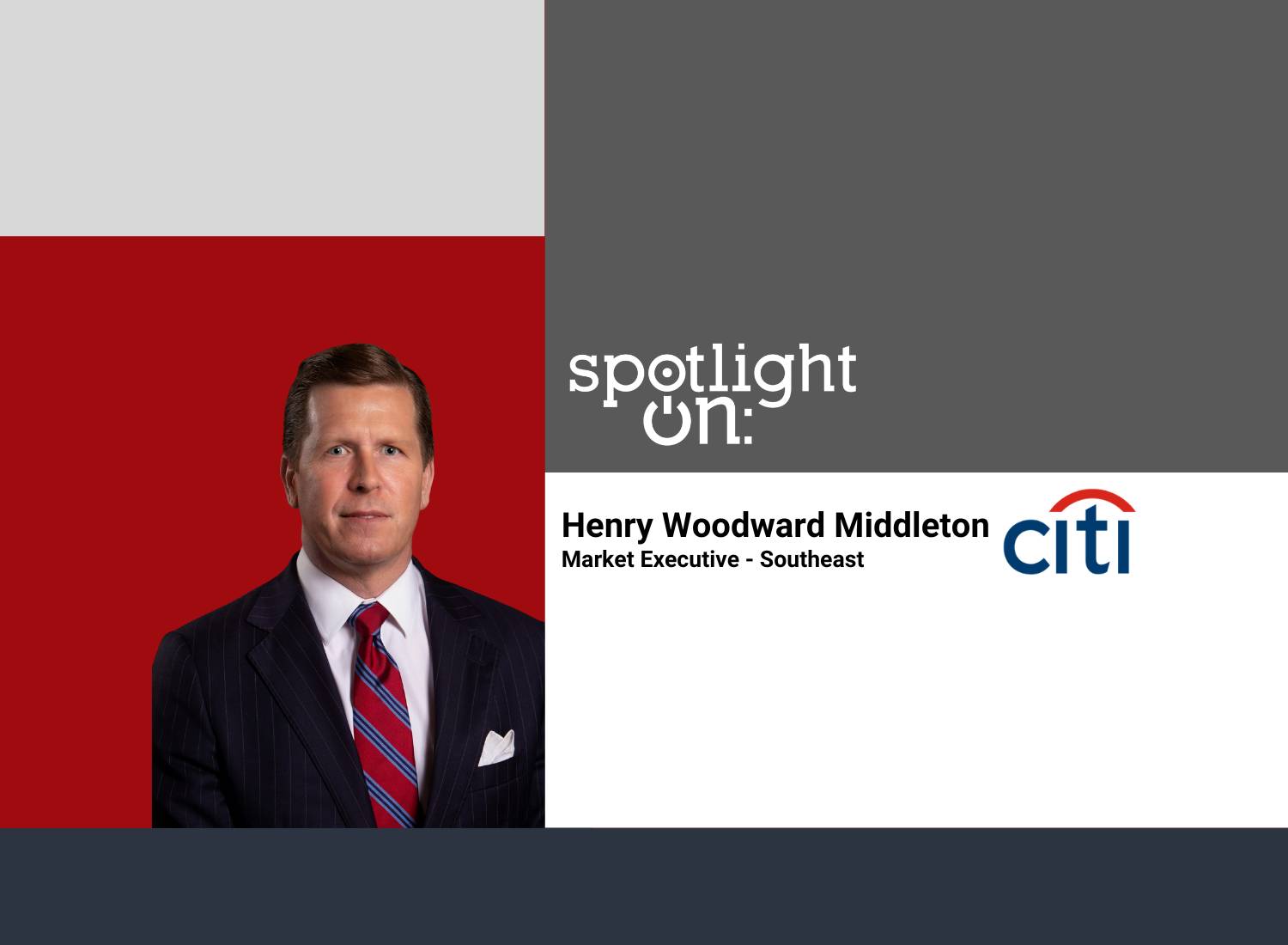 March 2026 — With Miami’s continued rise as a global wealth hub, Citi Private Bank is strengthening its leadership bench and deepening its advisory model to support the increasingly complex needs of ultra-high-net-worth families. Invest: spoke with Citi Private Bank’s Southeast Market Executive, Henry Woodward Middleton, about cross-border demand, migration trends, and the firm’s plan for its next phase of growth. “One of the defining features of the ultra-high-net-worth segment is the time horizon: many clients are thinking 25 to 50 years out,” Middleton shared.
Join us at caa’s upcoming leadership summits! These premier events bring together hundreds of public and private sector leaders to discuss the challenges and opportunities for businesses and investors. Find the next summit in a city near you!
Over the past year, what have been the most significant developments at Citi Private Bank, particularly in the U.S. Southeast and Miami?
Over the last year, the biggest change has been the caliber of talent we’ve been able to bring into the organization. We’ve added new senior leaders in North America and across key markets, and I joined in September to lead the U.S. Southeast. Together, we have a highly experienced leadership team that is aligned with where we want to take Citi Private Bank. Our focus is squarely on growing net new investment assets by staying close to clients, understanding their portfolios, and deploying the full capabilities of the firm on their behalf.
Looking ahead, what do you see as the main challenges and opportunities for Citi Private Bank in the Southeast, and in Miami specifically?
One of the dominant themes is rising economic volatility and the continued uncertainty created by tariffs and geopolitics. Those forces affect client confidence and capital flows, particularly for families with assets and businesses spread across multiple jurisdictions. At the same time, that environment plays directly to our strengths. Our global reach and ability to operate seamlessly across borders are key differentiators. For example, we recently set up a dedicated trading platform in India for a Miami-based client with significant operations there. There are not many firms that can execute something that specific, at scale, and in a highly efficient manner.
How is Citi leveraging Miami’s role as a bridge between the United States and international markets, particularly Latin America?
Miami is our Southeast headquarters for Citi Private Bank, but it is also the base for our Latin America private banking operation. For families primarily based in Latin America, Asia, or the Middle East, their day-to-day banking teams are based on the ground in those markets. Where Miami becomes particularly important is for clients with a meaningful U.S. presence and family, business, or investment ties in Europe, Asia, South America, Central America, or the Middle East. Because of how we are structured, we can mobilize teams across those regions to work together on a single relationship and offer a truly cross-border platform that reflects how these families actually live and invest.
How are you positioning Citi in the ultra-high-net-worth wealth management space in the Southeast, and how does this market differ from others?
A major differentiator is our specialty advisory group, which is built specifically for ultra-high-net-worth clients. In addition to traditional investment and credit solutions, we bring in philanthropic advisors, art advisors, art financing, aircraft financing, and even sports financing. During Miami Art Week, for example, we hosted clients alongside our art advisory team, who walked the fairs with them to identify pieces and help curate their collections. Most competitors will advise on a transaction or provide financing; far fewer are involved in shaping a collection over time.
Beyond the product set, we invest heavily in understanding each client’s lifestyle and family dynamics — the good and the challenging — so we can support them holistically. The Southeast, and Florida in particular, has seen a sustained migration of wealth from the Northeast and West Coast. That accelerated during COVID and has continued as families formalize relocations to Florida. That brings its own considerations around schools, infrastructure, and community that we need to understand if we are going to be a long-term partner.
Multi-generational planning is becoming more prominent. How is that trend influencing the way clients approach legacy management, and how do you support them?
Multi-generational planning is absolutely central to our business. Most wealthy families have some form of a plan in place, but what we often see is that it does not fully reflect the legacy they want to create or the level of detail required for multiple generations. One of the defining features of the ultra-high-net-worth segment is the time horizon: many clients are thinking 25 to 50 years out. Their goal is not just to preserve wealth but to institutionalize it so that it can be passed on in perpetuity.
Our role is to provide a framework for that conversation and help them translate values into strategy. We design investment plans that are built for long timeframes, anticipate transitions from one generation to the next, and address potential points of friction. We do that in close partnership with their CPAs and attorneys, making sure structures, governance, and controls align with their intentions. Ultimately, we want clients to feel confident that the wealth they have created will support their families and their causes over many generations.
How do you balance highly personalized, relationship-driven service with the scale and global reach of Citi’s platform?
It starts with the core delivery team around each relationship. Typically, that team includes a banker with deep experience in investments, credit, and banking — often with a commercial or investment banking background — paired with an investment counselor, essentially a dedicated portfolio manager. They are supported by a robust service team that handles account opening and day-to-day needs so the banker and investment counselor can focus on advice and strategy.
From there, we pull in additional specialists, as needed. Our investment counselors can craft capital markets trades locally based on a client’s views or risk management needs. We can tap our investment bank, consumer bank, and other product areas to structure solutions. And when a family’s footprint spans multiple geographies, we engage private banking teams in those regions to collaborate on coverage. That combination of a tight, relationship-led core team with global product and geographic reach is what allows us to scale without losing the personal, bespoke nature of the service.
What innovations in digital banking or wealth management technology are proving most valuable for your clients today?
Citi has a world-class technology platform, and our clients value the ability to connect with us digitally in a secure and convenient way. Everything we do in that space is highly encrypted, whether it is communications, reporting, or transaction capabilities. That said, for family offices and ultra-high-net-worth families, the relationship is still one-on-one and highly individualized. Technology is an enabler, but it does not replace the human element.
As artificial intelligence becomes more integrated into financial services, the mass affluent segment will see the most visible benefits, simply because their needs tend to be less complex at the balance-sheet level. When you are dealing with hundreds of millions or billions of dollars in assets and multi-jurisdiction structures, the complexity requires human judgment. For us, it will be about AI alongside human interaction — using technology to enhance insight and efficiency while keeping the advisor-client relationship at the center of what we do.
Beyond migration and succession planning, what other trends are shaping client needs in the Southeast that you believe are important to highlight?
Migration remains a critical theme, but we are now seeing a shift from families simply purchasing homes in the Southeast to fully transitioning their tax residency to Florida. Moving from a high-income-tax state like New York, Connecticut, New Jersey, or California to a no-income-tax state is not straightforward. There are layers of tax code and regulatory considerations that need to be addressed to avoid future exposure or penalties.
We work closely with clients and their tax advisors to map out that transition in detail — from how accounts are structured to how residency is documented. At the same time, municipalities across the region are working to keep pace with growth by investing in education, infrastructure, and services. For our clients, the intersection of tax, regulatory, and quality-of-life factors is increasingly central to their decision-making. Our job is to help them navigate that complexity in a way that supports both their financial objectives and the way they want to live.
Want more? Read the Invest: Miami report.
Key points:
 March 2026 — Invest: spoke with Andy Culicerto, Charlotte managing partner of Shumaker, about how rising client expectations around value are reshaping legal services, the practical impact of AI on day-to-day work, and why Charlotte’s continued growth is expanding demand across real estate, construction, and emerging practice areas. “Clients are constantly asking what value you’re providing that they can’t replicate internally,” Culicerto said.
Join us at caa’s upcoming leadership summits! These premier events bring together hundreds of public and private sector leaders to discuss the challenges and opportunities for businesses and investors. Find the next summit in a city near you!
How have recent market shifts and external pressures shaped demand for legal services in the Carolinas, and how are those changes affecting your priorities?
Clients have a growing awareness of value. They do not want a bill with lawyers piling on fees that do not add value to the situation. That has always been true, but in the face of AI, it is becoming even more important. I suspect you are hearing about AI in a lot of interviews, and you are going to hear about it from me, too.
Clients are increasingly trying to do more work in-house through AI and related tools. I do not think the technology is fully there yet for legal work, but it is getting closer, and you can see it coming. Clients are constantly asking what value you’re providing that they can’t replicate internally, and that question is forcing firms to be more intentional about staffing, efficiency, and the outcomes we deliver.
What makes Charlotte an ideal location, and how has population growth translated into new types of legal work?
Charlotte has a diverse economy and a diverse population. People are coming from different states, and it can feel like nobody is from Charlotte anymore, which makes it easy to fit in and do business. It is welcoming, business-friendly, and attractive to companies looking for an educated workforce.
The geographic location helps, too. You can be in the mountains in about two hours, at the beach in three, and you live in a city where the weather is good most of the year. It is clean and easy to navigate, and as growth accelerates, legal demand follows. More companies, more people, and more development drive activity across real estate, hiring, contracts, compliance, and transactions.
Where are you seeing the strongest demand for legal services, and how do you differentiate your firm?
Shumaker has been around for 100 years, and the foundation of value is talent. The first key is providing experienced, talented lawyers who can do the work and provide value through judgment and perspective, not just hours billed.
When you have the right people on a matter, you spot risk earlier, move more efficiently, and give advice that is grounded in experience. Our focus is on delivering a quality product through depth and consistency, so clients feel the legal team made the process easier, not harder.
How are you approaching talent attraction and retention in a competitive market?
Attraction is the bigger challenge right now, not retention. Once people join, the culture tends to speak for itself, and we do not lose many employees.
To attract talent, we emphasize a platform for growth, opportunity, and autonomy. If someone has a plan they can execute on, it will be supported. People do not want to be overmanaged, so we focus on high-level guidance and support, rather than pressure or rigid direction.
Which parts of the regional economy are becoming the biggest drivers of legal work?
Real estate and construction are major drivers, and focusing on those areas makes sense in a growing city like Charlotte. Development creates a wide range of related legal needs, including transactional work, employment and HR issues, buying and selling assets, and mergers.
We have also seen a big jump in intellectual property and related areas, including AI and data security. As more business becomes online and AI-driven, security concerns grow, and protecting the people creating new tools and ideas becomes more important. Charlotte also has a healthcare component, given the major hospital systems in the region.
Another factor is investment activity. As more private equity capital comes into the market, it creates more deal flow, which drives ongoing buying and selling of businesses and the legal work that comes with it.
How do you approach growth and client development in a market that is moving quickly?
The greatest way to sell your product is to provide great services to the people who are already receiving them. You can advertise, you can show up at events, and you can knock on doors, but what really drives growth is doing good work for a client and having that client tell someone else.
At the same time, you have to put yourself into the community in a strategic way. People want to work with people they like personally and know, so we try to put attorneys in places where they can build relationships naturally. The goal is not a full-court press. It is making sure people know what you do and that you can deliver, and then doing a great job once an opportunity comes through the door.
How do you balance technology, relationships, efficiency, and cost control?
You have to have the best intentions for your client at all times. Technology is doing things lawyers have traditionally billed for, and clients may not always know that. It is our responsibility to educate them and present more efficient, cost-effective paths when appropriate.
That also means understanding the tools clients use, so when they call, we are not starting from scratch. Relationships still matter, but using technology thoughtfully can remove friction and help us deliver clearer, faster advice while keeping quality high.
How do local operational decisions connect to firmwide strategy?
Shumaker wants to continue growing, but we view it as strategic growth. We are not chasing a fixed number of offices or lawyers. Growth has to fit our model and align with where markets are expanding.
In the Carolinas, we are focused on Charleston, Charlotte, and Greenville. Those are dynamic, growing business communities, and the firm is intentionally putting resources into regions with strong growth trajectories. At the office level, the work is consistent: serve clients well, recruit the right people, and stay positioned for the next opportunity.
How does community involvement factor into your long-term strategy?
People want to do business with people they like. Communities do not stay strong by accident. It takes leaders who are willing to give back and stay engaged.
We want to be active members of the community, supporting growth and meeting the people we will do business with. That means being present where thought leaders gather, from the Charlotte Chamber of Commerce to industry groups aligned with our practice areas. On a practical level, it is also about placing the right attorneys in the trade organizations where their clients and future clients spend time.
Looking ahead, what are your top priorities for the next two to three years?
The priority is getting talented people who can do quality work that impresses clients. From there, it is about growing practice areas strategically in sectors that are active locally and nationally: real estate and development, construction, and the AI-related areas, including intellectual property and data security.
Transactional work tied to business growth should also remain steady, especially with continued buying and selling of businesses and investment activity. In a market like Charlotte and the broader Carolinas, that combination should continue to create meaningful opportunities.
Want more? Read the Invest: Charlotte report.

Key points:
 Industry corner is a monthly series on what company leaders believe are the most important best practices in their sector or organization to ensure growth and sustainable success.
March 2026 – In sectors like professional services, AI adoption is throwing a wrench in the traditional human-centric model, flipping the script to focus on outcomes, where personalization for one becomes personalization at scale.
Join us at caa’s upcoming leadership summits! These premier events bring together hundreds of public and private sector leaders to discuss the challenges and opportunities for businesses and investors. Find the next summit in a city near you!
Law firms, accounting firms, and consultancies across the United States are racing to accelerate adoption and secure a competitive advantage. But integrating AI at scale brings in added complexities, particularly in terms of oversight, pricing, and evolving client expectations.
“There are many possibilities with artificial intelligence, and contrary to what many people think, not all of them are bad,” Donald Scarinci, managing partner of Scarinci Hollenbeck, told Invest: New Jersey. “AI will take humanity to a different place, just as computers did in the late 1970s and early 1980s.”
Despite Scarinci’s optimism, most leaders are approaching the subject with caution. “We need to stay on top of AI and its growth and make sure that we remain on the cutting edge, but in a thoughtful and careful way,” Paul Marino, New Jersey office managing partner at Day Pitney, told Invest:New Jersey. “We need to make sure that we are using AI in a way that makes us better lawyers because clients will expect us to do this.”
Those expectations, however, remain largely uncertain. According to a report by the Thomson Reuters Institute, based on more than 1,500 global respondents, two-thirds of corporate leaders believe their outside firms should use AI. Yet fewer than 20% are formally mandating its use through guidelines or RFPs.
Meanwhile, adoption continues to accelerate faster than firms can measure its economic impact. Nearly 40% of organizations report using generative AI, but only 18% say they track return on investment. Another 40% say they do not know whether ROI is measured at all — underscoring how quickly AI-driven personalization is moving ahead of standard performance benchmarks and pricing models.
Personalization at scale
However, most firms agree that AI in professional services poses a major competitive advantage: personalization at scale.
According to Yelena Epova, Atlanta office leader and international tax partner at Aprio, this shift is already changing the nature of accounting work.
“When I began my career, much of the work involved data entry and low-level tasks,” Epova told Focus:Atlanta. “Today, we leverage AI to balance routine work, allowing our team members to spend more time with clients, focus on analysis, strategic planning, and higher-value tasks.”
The data backs that up. According to Thomson Reuters, top legal use cases for generative AI include lower-level administrative tasks like: legal research (80%), document review (74%), document summarization (73%), and drafting briefs or memoranda (59%). In tax and accounting, tax research (69%) and summarization (57%) lead adoption.
Beyond automation, generative AI tools also support high-quality data analysis for tailored client advice.
In fact, Panorama Consulting Group, which advises organizations on technology implementations, noted that AI’s strongest immediate impact in professional services lies in structured analysis, particularly across areas such as project forecasting, risk detection, financial anomaly identification, and decision support.
Legal sector
Within the legal sector, AI tools are enhancing personalization, adjusting clauses based on jurisdiction, industry risk, regulatory updates, and even a client’s historical litigation exposure.
But industry leaders like Scarinci stress that customization must operate within strict ethical and compliance guardrails.
“None of these (AI) tools are substitutes for lawyers, gut instinct, or professional judgment,” he said.
In fact, the unchecked use of AI in the courtroom carries several repetitional and professional risks.
“There are horror stories about attorneys…citing cases in court or including them in filings, and they later learn that the cases do not actually exist,” added Marino. “The cases are AI mirages.”
He highlighted that firms looking to increase their AI uptake need to consider privacy and ethical fundamentals first as well, particularly whether or not all data gathered by AI is accurate.
Kevin Kocun, managing partner at intellectual property firm Lerner David, raised another concern: unintentional disclosure.
In intellectual patent law, premature public disclosure of proprietary information can infringe confidentiality protections, the consequences of which can be extremely “serious”, as Kocun notes.
“Both our firm and our clients are cautious about this,” he told Invest:New Jersey. “Whether drafting patent applications or evaluating inventions, human oversight will always be necessary.”
Consulting
If legal and accounting work is being automated at both the research and drafting level, then high-level strategic consulting presents a more nuanced challenge.
Richard Spady, managing partner at Bain & Company in Atlanta, described AI as transformative but secondary to decision-making responsibility.
“Ultimately, the most important thing is using that knowledge to help clients take the right next steps in their business strategy,” Spady told Focus:Atlanta.
Strategic advisory work often involves navigating ambiguity, aligning executive teams, and making trade-offs that carry long-term consequences. In other words, AI can model scenarios and synthesize market intelligence, but it cannot assume fiduciary responsibility or corporate accountability.
In fact, according to Panorama Consulting, AI systems can amplify poor data or flawed assumptions, at which point, personalization becomes a mechanized error at scale.
Therefore, the general consensus among consulting firms is that AI enhances analysis, but that human judgment and liability remain fundamental.
Disrupting traditional models
On the other hand, perhaps the most disruptive implication of AI-driven personalization lies in pricing models.
Per Thomson Reuters, the billable-hours model is under pressure. In fact, generative AI’s ability to compress hours of work into minutes poses an “existential threat” to firms dependent on hourly billing.
This is because if clients know that research or drafting can be automated, the logic of time-based fees weakens.
At the same time, client expectations are increasingly inconsistent, which is creating friction. Nearly 4 in 10 professionals surveyed by TR Institute reported being told both to use AI and not to use AI on client matters, depending on the client.
This means that the market has not yet reached a stable equilibrium on the matter of artificial intelligence. Yet, as Scarinci notes, AI usage suits the interests of both clients and firms.
With proper consent and supervision, professional services firms can essentially reduce the need for additional attorneys and pass on substantial cost savings to clients, he said.
The logical endpoint may be outcome-based pricing, such as billing for results or strategic value rather than hours logged, as the TR Institute suggests.
However, few firms have fully transitioned to this model, while economic pressure continues to build. The broader challenge is therefore balancing three opposing forces: accelerating AI adoption, regulatory guidance, and rising client expectations.
Yet for the TR Institute, the solution is clear: “The winners in an AI-enabled future will be the professionals and their organizations that have the strategic clarity to determine how they’re going to provide services in a way that uses technology to complement and augment professional expertise, all while protecting themselves and their organizations from risk.”
Under these conditions, leaders in the professional services sector should consider GenAI’s best fit for their business, collect data metrics to benchmark AI performance, and discuss AI openly with clients, as advised by the Institute.
Want more? Read the Invest: reports.
 What have been the most important achievements for Clayton State University in recent years?
Our dedicated faculty and staff here at CSU all play a part in shaping the student experience, an experience that ultimately leads to graduation and an improved social positioning. When I reflect on the award ceremonies and highlights of commencement, I can’t help but get excited, but more is taking place during these moments. Our students are breaking barriers and creating legacies for their family when they cross the stage. These barrier breaking moments are important to me.
Furthermore, the contributions of our faculty, through teaching and research, help to provide solutions for real-world challenges via experiential learning. For example, the College of Arts & Sciences received funding to support the opening of a CSI Lab, while the College of Business is partnering with a local agency to enhance student engagement through a consulting internship program.
The institution continues to achieve notable milestones. These include, but are not limited to, enrollment growth and the rebranding of the College of Information and Mathematical Sciences to the newly named College of STEM, to better align with workforce needs. Our nursing students achieved a 100% pass rate in both Spring and Fall 2024.
Among the things that came along with the Strategic Plan was the development of our social mobility summit, which was a gathering of students, faculty, staff, thought leaders and community members. The purpose of that summit is to discuss what social mobility looks like in action, how we meet our students where they are, how we help them to be successful, and the many pathways to graduation and utilizing their college degree in the labor market. It’s workforce development, salaries, career, better healthcare, and access that we want for our students.
What key initiatives or changes in the university’s strategic plan stand out?
The plan is ultimately about student success. Our strategies approach this holistically; we consider key elements that can determine the success of a student while in college, and we allow those elements to inform our work. The institution is engaging with the National Institute of Student Success (NISS) and working with this group to receive value-based recommendations on implementing best practices to support increased student retention, success, persistence, and graduation. Engaging with NISS directly focuses on a recent change to the University’s strategic plan. We recognize the significance of our collaboration, and this partnership enables the University to come up with solutions that center our students and their success.
Another pillar of our strategic plan is academic and career pathways. From this, we are in the process of establishing new programs that are directly connected to workforce development. For example, we launched the Bachelor’s Degree in Cyber Security, an artificial intelligence certificate and a cybersecurity certificate, all in the Fall of 2025. These programs are intended to equip our students with high-demand skills to meet the needs nationally in the technology industry.
We value collaboration and partnership as it allows us to extend our reach and impact. This in mind, another pillar that guides the University’s work is Strengthening Reputation and Brand Awareness with a focus on corporate and community engagement. Last year we launched a series of presidential round tables to address local needs. Our discussions engaged health care professionals, K-12 educators, film industry professionals, and local legislators.
From a leadership perspective, how do you approach building institutional resilience and agility?
It is so important that we remain focused on purpose and outcomes. With the fast pace of our environment, it is easy to get distracted, but we want to be nimble, while remaining focused on our goals. This requires a level of flexibility and a willingness to augment goals as the needs change. One of our values that has come out of our strategic planning process is adaptability. It is a skill set that the campus community relies upon as things change within our academic and professional landscape. An example is artificial intelligence. We are embracing AI as a campus community and learning the many ways that it can contribute to student and university success.
We are intentional about remaining informed on the latest industry trends and standards; this includes technological changes, and the variety of ways that we can reach our students. In keeping our focus, there is a level of agility and adaptability that keeps us relevant. Just recently, we developed a new master’s program to address significant challenges that the local K12 school district was experiencing in identifying and retaining quality schoolteachers. Within a short amount of time, we created a master’s program to certify teachers and give them an advanced degree, if they already had their Bachelors. The program was directly connected to the school district, and our graduates found local employment. There was a need, the school system created this opportunity, and we adjusted one of our programs; it was quickly approved, and the courses are now widely available.
How are you working to ensure that student support systems remain responsive?
Being guided by our mission of Social Mobility, as an institution we prioritize understanding our students, their needs, and being able to identify when additional support is needed to keep them on track. The average age of our students is approximately 24 years old. Many of them work, take care of family members, or have their own family. As a result, we are constantly looking at ways to provide services that facilitate progress towards graduation.
For example, the institution’s grant funded childcare subsidy initiative addresses some of the particular hurdles that students with children face while trying to complete their degree. The childcare assistance program provides grants for students who have a need for childcare.
Looking ahead, what are your top priorities for Clayton State University over the near term?
Our “North Star” at Clayton State University is to earn the distinction of being the #1 University for Social Mobility in the state of Georgia. We plan to have record enrollment and student success, expand high demand academic programs, modernize campus facilities, strengthen our position as a top employer, and launch a capital campaign.
As an anchor institution in the south Metro of Atlanta, we are poised to be a catalyst for social mobility in the region and are laser-focused on these priorities.
In an interview with Focus:, Bennish Brown, president and CEO of Destination Augusta, noted that “Augusta is not a golf destination. We are a destination that happens to host the most revered and well-known golf tournament in the world,” as he emphasized the city’s rich musical heritage, culinary scene, and military ties.
Could you share an overview of the work that Destination Augusta does and what have been some key highlights over the past year?
I have been with Augusta for seven years now, and one thing that we have focused on is telling the great story of Augusta, especially with Augusta National Golf Course here. Since 2018, our work has really centered on how to tell the story of Augusta the other 51 weeks out of the year as we strive to get to the heart and soul of what Augusta is like outside of that huge global event we host.
I believe we have done a great job of speaking to our biggest asset, which is our people. In our marketing, you will see that we cannot tell Augusta’s story without highlighting the diverse population in both this city and the metro area. We are a city of about 200,000 people. Depending on the census, we are either the second or third largest city in Georgia, often competing with Columbus. We are the second oldest city in the state, and we carry a rich history of resilience and innovation. In a few years, Augusta will be nearly 300 years old, and so we are a city deeply rooted in history while always looking toward the next innovation.
This is why Augusta is not a golf destination. We are a destination that happens to host the most revered and well-known golf tournament in the world. In fact, we are anchored in music, as Augusta is the home of James Brown, the Godfather of Soul, and Jessye Norman, an opera superstar who sang for kings and queens. We are also the home of Hulk Hogan.
How does the city balance honoring its traditions with positioning itself as a forward-thinking destination while enhancing its cultural and musical tourism?
We are working to amplify our live music scene. One exciting development involves James Brown. For years, people have wanted a deeper glimpse into his life. Primary Wave, a company based in New York, acquired his estate about three years ago. They own the estates of Whitney Houston, Prince, and other music legends. They are now exploring ways to open the house where James Brown lived when he passed, allowing the public to see the life of a man who rose from the cotton fields of Georgia and South Carolina to become a global icon.
Our culinary scene is another strength. Vera Stewart, a local culinary figure, represents the best of Augusta. She once beat Bobby Flay in a cook-off competition, which put her on the map. Originally a local caterer, she now has a syndicated TV show reaching 71 markets. Vera embodies Southern culture while constantly innovating.
Augusta is also a military community. Fort Eisenhower, formerly Fort Gordon, is home to the Army Cyber Headquarters and the Cyber Center of Excellence. This speaks to our future-oriented mindset as many modern battles are fought on computers rather than on the ground, and Augusta is at the center of that.
We are a university town with Augusta University, which includes the Medical College of Georgia. We produce many doctors who stay in the state, along with cutting-edge research in cancer, Alzheimer’s, and dementia. These are stories we do not always highlight enough, but we are proud to share them.
Returning to golf, a story that has resonated involves the Black caddies. We now share an experience called Black Caddies: Men on the Bag. No other destination has this story. For about 30 years, Augusta National operated with Black caddies from nearby communities who could not play the course themselves. They would sneak on after hours to study the greens, becoming experts who helped golf legends win green jackets. A few of these men are still alive to tell their stories firsthand, and we are diving deeper into this incredible history.
Have there been any significant shifts over the past year or two in terms of visitors coming to the Augusta region?
Let me provide some historical perspective. We continue to grow phenomenally within our visitor industry and tourism sector. In 2014, for example, total visitor spending in Augusta was approximately $400 million. Now, just over the past two years, that figure has surpassed $800 million in visitor spending, so I have made the bold prediction that within a few years we will become a $1 billion industry in terms of economic impact on our destination.
Tourism is alive and well here. We are a convention city with a convention center, and our team works to bring incremental business to support its operations year-round. This has allowed tourism to have an $800 million impact, and our infrastructure continues to expand. We have approximately 7,000 hotel rooms, and for many events, we sell out. Augusta serves as the regional hub, supporting adjoining counties. We are a border city, situated next to North Augusta in Aiken County, South Carolina, and we collaborate closely with our neighbors across state lines.
Additionally, we are a sports city beyond golf. For decades, we have hosted the Iron Man 70.3 event, as well as a Nike high school basketball tournament. We have hosted both the young men’s and young women’s tournaments in the past, but for nearly 30 years, we have continuously hosted the men’s tournament, known as the Nike Elite Youth Basketball League.
In terms of employment, the travel and tourism sector supports between 26,000 and 30,000 jobs in the metro region. We have a small airport, but our primary visitor base comes from drive markets within a 250-mile radius of the southeastern United States. Augusta is an ideal three-day getaway, with numerous attractions for leisure travelers.
In seeking to diversify the economy, what are some industries that Destination Augusta is targeting to bring into the fold, or further enhance Augusta’s appeal?
The film industry is another focus for us. We serve as the film commission for Augusta, with a team dedicated in part to film recruitment. Georgia offers strong film incentives, and our role is to attract decision-makers to our destination. Several well-known films have been shot here, either entirely or in part. For example, The Hill, based on a true story about a baseball player, featured Dennis Quaid as the father and premiered here. Portions of Suicide Squad 2 were also filmed in Augusta.
Part of our focus is also on talent recruitment. We aim to make Augusta a vibrant city that appeals to professionals who can work remotely but seek an attractive place to live. There is a concerted effort to support entrepreneurs, particularly those transitioning from military service in their late 30s or early 40s. Many have innovative ideas and choose to start businesses here. Our technical college and economic development departments play key roles in fostering this ecosystem. Our goal here is to ensure Augusta is not only a desirable place to visit but also a great place to live and work.
Looking forward, how do you envision downtown Augusta, as well as the broader region, growing by 2030?
Downtown Augusta is currently undergoing highly visible improvements and upgrades. Citizens vote on a Special Local Option Sales Tax (SPLOST), which funds various projects, including road improvements and facility enhancements. One major transformation will be the renovation of Broad Street, our primary downtown thoroughfare. It is one of the widest streets in the country, and the redesign will honor our past while modernizing the area.
Another key project focuses on our waterfront. Unlike Savannah, where the riverfront is easily accessible, we are working to better connect people to our river.
In addition, we are excited about a major golf-related development. The Patch, a municipal course owned by the city, is being revitalized through a partnership between Augusta National, Augusta Technical College, the city, and Tiger Woods. Woods will design a new nine-hole course, and the facility will also serve as an educational hub for golf course management.
In an interview with Focus:, Gary Wheat, president and CEO of Visit Macon, discussed projects that are in the works to help enhance tourism in the region, key drivers of fiscal growth, and events that have had a great economic impact on tourism in Macon. “We’ve evolved beyond a destination marketing organization into a destination development organization,” he said.
What have been the key milestones or achievements for Visit Macon over the past 12 months?
As an organization, we’ve launched several impactful projects. One was acquiring a world-class tour company and bringing it in-house to enhance our tourism offerings and build on the legacy of that organization. More recently, we acquired a radio station, which strengthens our ability to promote Macon as a music destination — a central focus of our work. We also partnered on a culturally significant initiative to rename streets with translations that honor and include those displaced during the Trail of Tears, creating an educational opportunity for the community. Additionally, we’ve seen the positive impacts of the Atrium Health Amphitheater and the opening of the Otis Redding Center for the Arts. These developments pave the way for the next generation of musical talent from Macon and our next local legend.
Macon saw record hotel motel tax collections and increased fiscal spending. What have been the key drivers of this growth?
One major shift has been in our approach to sales and market segmentation, which we’ve built into our strategic plan. We took a step back to reassess, and that reflection has helped us move forward effectively. Our visibility has grown, with national and international publications like Time, which listed Macon among the most exciting places to visit, amplifying our reputation. With the creation of America’s newest national park underway, the city is seeing a transformation: What used to be transient hotel stays have evolved into visits for concerts, tournaments, and longer stays.
What trends are you seeing when it comes to visitor preference in terms of amenities or visitor experience, and how is Macon adapting to meet those expectations?
We’ve had to evolve intentionally and by design to meet changing visitor expectations. Today’s travelers are shifting from high-volume visits to experiences that are cultural, authentic, and immersive. They want to feel a connection to the communities they visit and ensure their travel gives something back. We’ve positioned Macon to deliver that kind of experience, and it’s paying off.
What events have had the greatest economic impact on tourism-related businesses, and what sets Macon apart as a vacation destination?
Our events define us — we love our festivals. From the Christmas Light Extravaganza, which garnered national attention, including from ABC News, to the Cherry Blossom Festival, these anchor events draw massive crowds. This year, the Christmas lights event generated over $7 million in economic impact.
The Atrium Health Amphitheater is also proving to be a game-changer, turning concerts into weekend-long experiences and mini-festivals that highlight our musical roots, particularly southern rock. Seven years ago, we launched the Christmas lights event, and even named a section of a street in honor of the founder.
Looking forward, what are some emerging opportunities for Macon?
We’re committed to deepening cultural experiences, particularly those centered on African American history and heritage. We’re preparing the national park to accommodate growing visitor numbers, and continuing to lean into our music legacy, positioning Macon alongside cities like Nashville. Growing our tourism economy will also rely on hotel development and the construction of a new convention center and arena, which is a top priority for the mayor. Expanding airlift is critical — we currently only have one flight to Dulles, and we need more destinations to attract national groups.
What impact have groups and conventions had on tourism and Macon’s market position?
On the group side, we’re targeting social, medical, educational, and religious organizations. Our central location within the state makes us a preferred meeting spot. We’re also working to modernize our arena and convention spaces, replacing historic buildings as necessary to remain competitive. Enhancing airlift remains a focus, and we expect to announce new flights and destinations soon, which will elevate our status in the market.
What final thoughts would you like to express or expand upon?
I’m proud of the incredible team we have — their vision, passion, and dedication to our destination are unmatched. I’m in my 26th year in this industry and my ninth here in Macon. We’ve evolved beyond a destination marketing organization into a destination development organization. The intentionality behind our work is refreshing and exciting. We’re doing things I haven’t seen others do like acquiring a radio station to promote our music heritage. These investments reflect our passion and allow us to redefine the future of our industry.