






Paul Tornetta, Founder & CEO, LFT Realty Group Inc./Tees Golf Center/The Proving Grounds/Kinetix Sports Club
 In an interview with Invest:, Paul Tornetta, founder and CEO of LFT Realty Group Inc., discussed the company’s long-term approach to property management and community investment. “Unlike developers who build and sell, we retain ownership of our properties,” Tornetta said, emphasizing his commitment to quality and majority partnerships.
What is your overview of LFT Realty and what is your approach to the properties you manage, such as Tees Golf Center and the Proving Grounds Sports Field?
LFT Realty serves as the management arm for five different businesses and two real estate investment portfolios. We are located in Conshohocken, approximately 20 miles outside of Philadelphia. Our portfolio consists primarily of industrial properties, though we also manage office, retail, and residential assets. Approximately 90% of our properties are located in Montgomery County. We specialize in development, starting with raw land and navigating the zoning, land development, and approval processes. As a second-generation family-owned business, we have established strong relationships with local townships. They know us, trust us, and respect our work. In the past, we have assisted townships in drafting and modifying local zoning ordinances designed to attract economic activity. We have also contributed to public infrastructure improvements, such as sewer systems and roadways.
Because we retain ownership of our properties, our long-term commitment demonstrates our investment in the community and shows that we have skin in the game. We use premium materials and implement rigorous policies and procedures to ensure quality. Our goal is to pass thriving businesses on to the next generation.
What makes Montgomery County such a great place for businesses to grow and operate in?
Montgomery County benefits from its proximity to Philadelphia and an exceptional road network that connects key hubs within the region. As the saying goes, real estate value is driven by location, and Montgomery County excels in this regard. The townships we work with are well-managed and financially stable. Additionally, the County government, led by three highly effective commissioners, operates with efficiency and transparency.
Take Proving Ground Sports Field as an example, which is one of our most dynamic ventures. We operate nine synthetic turf fields, one of which is leased to Villanova University for their Division-I field hockey program during their season. The remaining eight fields are full-size NCAA-regulation soccer fields, equipped with premium lighting and ample parking.
Our strategic location within Montgomery County’s transportation network makes the facility highly accessible to teams and tournaments from various regions. We collaborate closely with Valley Forge’s sports division to host youth and adult tournaments. According to recent statistics, Proving Grounds generated over 37,000 hotel room nights for tournament participants. Additionally, the facility contributed just under $40 million in economic impact to Montgomery County, encompassing hotel taxes, restaurant sales, retail spending, fuel purchases, and entertainment. Valley Forge Tourism and Convention Board recognizes the immense value of youth sports, which is a multi-billion-dollar industry in the United States. Their support has been instrumental in expanding tournaments and driving hotel occupancy.
What are the main opportunities for growth in sports tourism in Pennsylvania?
Our facility specializes in flat-field sports, including soccer, lacrosse, field hockey, and other similar activities. We have also hosted unique events such as Quidditch, which is now called Quadball, flag football, which is the fastest-growing youth sport in America, spikeball, and frisbee tournaments.
The most significant growth opportunity in Montgomery County lies in developing a full-size, multifield baseball complex with synthetic turf. This is currently an unmet demand in the region. Synthetic turf offers several key benefits. Unlike natural grass, it remains playable during and after rain. The surface does not wear down in high-traffic areas or become muddy. We can clear snow quickly, allowing teams to resume play even in wet and damp weather. For youth clubs, high schools, and college sports programs, synthetic turf maximizes usable hours as it provides four to five times more playable time than a natural grass field, making it a highly efficient investment.
To cover the other side of the coin, what are the biggest challenges?
One major challenge is the increasing competition from other states and municipalities. Many are now investing in similar facilities, often with public funding. Our facility was built entirely with private capital, and we pay full taxes, insurance, and utility rates, unlike some publicly subsidized venues. The supply of sports fields is growing, but the number of tournaments has remained relatively stable. This imbalance could drive down prices in the future. While this is a long-term challenge, it is one we are closely monitoring.
What is LFT Realty’s outlook on the real estate market in Montgomery County over the next two to three years?
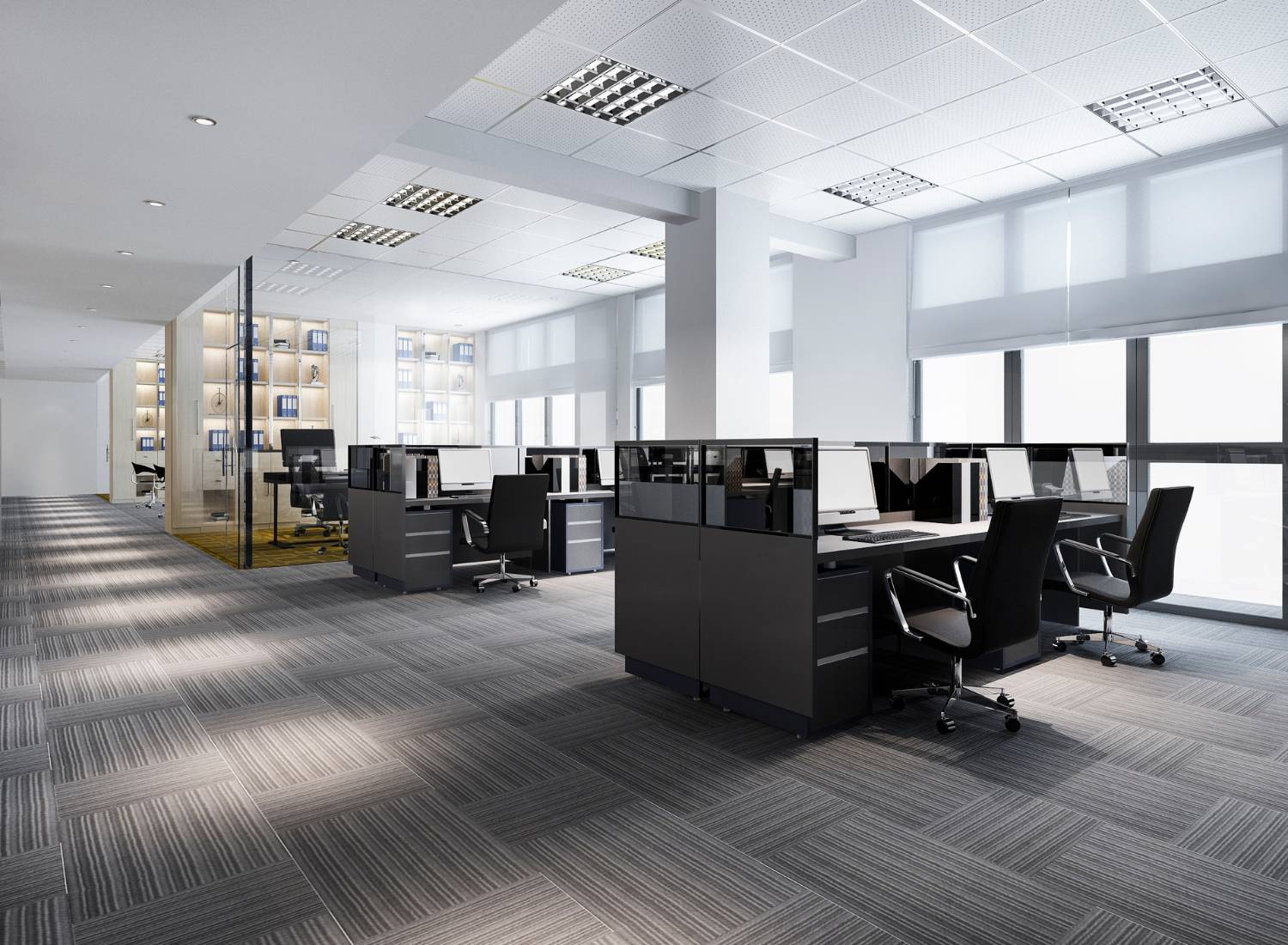
Regarding real estate, industrial leasing remains strong in Montgomery County, as do residential rentals. However, office space outside specific suburban areas is struggling. We have a Class A office building, with an elevator-served, beautiful structure, where it is even difficult to get tenant tours. Many empty office buildings are undergoing tax assessment appeals to lower holding costs. Some are being converted into multifamily housing, which is a significant project but often the only option after years of vacancy.
What are some emerging trends that you are keeping an eye on?
One emerging trend is the demand for data centers, particularly those near power-generating stations. In Limerick Township, Montgomery County, we owned parcels adjacent to the Limerick nuclear generating station, operated by Constellation Energy Group, which has two reactors.
We had approvals to build 235 townhouse units, but as we finalized them, a data center developer approached us. They needed the land for their project and had no interest in townhouses. After negotiations, we secured a better deal with the data center developer than we would have with residential construction. This trend is gaining traction in America and globally.
What is behind the weaker demand for class-A office buildings in Montgomery County?
The pandemic and the rise of Zoom, Teams, and Google Meet have revolutionized face-to-face communication across all industries, bringing a different level of efficiency in our lives. For instance, ten years ago, our interview would have been from an office building, but now it is being conducted remotely. At one point, offices were designed with extra parking to accommodate telemarketers who needed space for large teams. Today, that work is done remotely, and this has led to a contraction in the need for office space. However, in city-based markets that have walkable streets, bars, restaurants, and retail office occupancy rates remain strong. But in other townships like Blue Bell, Plymouth Meeting, and East Norriton, the office market is struggling.